














Tattoos are increasingly common worldwide, embraced as a means of self-expression or body adornment. But while many people view them purely as aesthetic, the health risks involved are often less well known.
Getting a tattoo isn’t risk-free. While many turn out fine, you should go in with your eyes open. Being aware of the possible side effects helps you enjoy your body art safely.
Read More: Why Dermatologists Recommend Glycerin Soap for Sensitive Skin
How Tattoos Are Made & Why Risks Exist

How Tattoos Are Made
A tattoo is created when a machine with very small, sterile needles repeatedly punctures the skin and fills the dermis, the lower layer of skin below the epidermis, with ink.
Every puncture allows a little bit of pigment to drop into the tissue, which the body locks in place when the skin heals, creating the permanent design.
This ink resides within the skin, not on it, unlike paint or makeup. Since the tattooing process opens up the skin barrier, the natural defense layer of the body is compromised temporarily.
What’s in Tattoo Ink?
Tattoo ink isn’t a single, simple chemical compound. It’s a blend of pigments, carriers (in the form of alcohol or water), and other additives to keep the color and texture consistent.
Certain inks also contain trace impurities or unregulated chemicals. Studies have revealed that pigments may contain heavy metals such as lead, nickel, or chromium, as well as carbon black and azo compounds, which can degrade into potentially toxic aromatic amines.
Other harmful substances, including preservatives and polycyclic aromatic hydrocarbons (PAHs), can be present based on the origin of the ink. Although most inks are safe for cosmetic application, they aren’t necessarily formulated for injection into living tissue.
Why Risks Exist
Tattooing involves puncturing skin thousands of times, exposing it to potential pathogens and irritants. This can lead to skin infections, allergic reactions, raised scars (keloids), or granulomas – small nodules that form around the ink.
Some inks may cause rare MRI reactions or interfere with scan quality. Infections can also occur if the equipment isn’t sterile or contaminated ink is used.
Mild redness, swelling, or itching are common and usually fade within a few days, according to the University of Utah Health. However, more severe symptoms—such as rashes, bumps, or pus-filled lesions—may require medical attention.
Possible Skin and Systemic Reactions
The American Academy of Dermatology (AAD) notes that tattoo-related reactions can appear days or even years later, causing itchiness, scaly patches, or swelling around the design.
Red and yellow pigments are more likely to trigger allergic inflammation or granulomas. Research also suggests that tattoo inks may pose long-term risks, from local infections and contact dermatitis to potential ink-related toxicity.
Read More: Are Hair Removal Creams Safe for Sensitive Skin
Immediate & Short-Term Risks
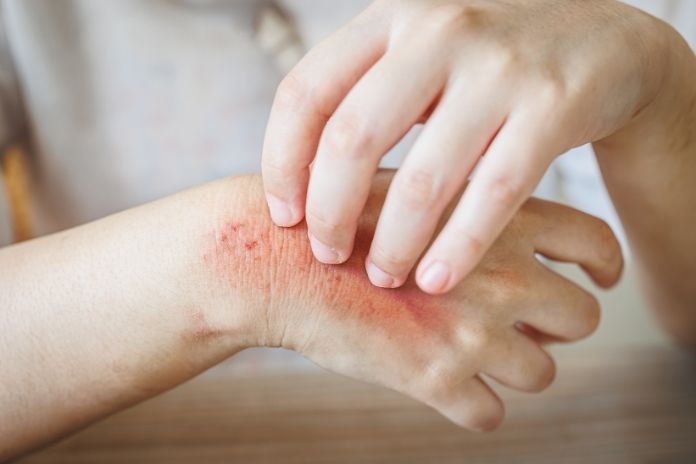
While beautiful, tattoos can sometimes lead to complications if hygiene or aftercare isn’t properly maintained. Below are the major tattoo side effects and risks.
Infection
Occurs when bacteria, viruses, or fungi enter through the punctured skin due to unsterile equipment or contaminated ink.
- Incidence: Around 0.5% to 6% of tattooed people experience some kind of infectious complication (MDPI).
- Common Pathogens: Staphylococcus aureus (staph), MRSA, Mycobacterium chelonae, and viral infections like hepatitis B or C (linked to unhygienic practices).
- Symptoms: Redness, swelling, pus, increasing pain, or warmth around the tattooed area.
- Severe Cases: May lead to cellulitis, abscesses, or blood-borne infections if left untreated.
Allergic Reactions & Hypersensitivity
Reaction to certain pigments, especially red and yellow inks, due to chemical sensitivity or tattoo ink toxicity.
- Timing: Can appear immediately or develop weeks, months, or even years later as delayed hypersensitivity.
- Symptoms: Persistent itching, rash, swelling, or small raised bumps at the tattoo site.
- Severe Reactions: Formation of granulomas (small nodules) as the immune system walls off foreign pigment.
- Aggravating Factors: Sun exposure and heat can worsen symptoms.
Skin Reactions, Scarring, and Keloids
Temporary redness, itching, or tattoo rash soon after getting inked.
- Scarring: In people prone to it, healing may cause keloids or hypertrophic scars, creating thick, raised skin around the tattoo.
- Other Issues: Granulomas can form around pigment particles, leading to hyperpigmentation or uneven skin texture.
MRI–Related Complications
Some tattoo inks contain metallic particles (like iron oxide) that react to magnetic fields.
- Effects: May cause burning, tingling, or discomfort during MRI scans.
- Imaging Problems: Tattoos can create image artifacts, distorting MRI results.
- Precaution: Always inform your healthcare provider about your tattoos before undergoing MRI imaging.
Long-Term & Emerging Risks

While most tattoos heal safely, new studies are uncovering deeper tattoo complications that can appear years later.
Pigments injected into the skin may move through the body, interact with immune cells, and even accumulate in organs or lymph nodes. Understanding these potential long-term effects of tattoos helps people make safer, more informed choices about their body art.
Toxicity of Tattoo Inks
- Chemical Composition: Research shows that tattoo inks can contain heavy metals such as cadmium, lead, nickel, and mercury, along with azo dyes and polycyclic aromatic hydrocarbons (PAHs), some of which may release aromatic amines, known for their toxic or potentially carcinogenic properties.
- Ink Degradation: Over time, sunlight and metabolic processes can break down tattoo pigments, forming new chemical compounds that might be more harmful than the original ingredients. This slow chemical transformation contributes to tattoo ink toxicity and could trigger immune reactions or tissue irritation.
- Migration in the Body: Studies using advanced imaging techniques have revealed that tattoo pigment particles, including nanosized metals, can migrate to lymph nodes and remain there for years. This may alter immune responses and potentially increase the risk of chronic inflammation.
- Tattoo Allergic Reaction: Some people develop delayed hypersensitivity or allergic reactions years later, often to red or yellow pigments containing metal-based compounds. These reactions can include itching, swelling, or the formation of small nodules known as granulomas.
Potential Cancer and Lymphoma Associations
- Emerging Research: A Swedish population-based study suggested that people with tattoos may face a ~21% higher risk of lymphoma, a type of cancer affecting the lymphatic system. However, this does not confirm causation; it only indicates a statistical association.
- Mechanism Theories: Scientists believe that pigment accumulation and chronic inflammation in lymph nodes may influence cell mutations, possibly increasing cancer risk. Some studies also explore links between tattoos and skin cancers, though the evidence is inconclusive.
- Cancer from Tattoos: While the phrase “cancer from tattoos” often raises alarm, current evidence is not strong enough to claim that tattoos directly cause cancer. Most experts agree that more long-term studies are needed to confirm or rule out a link.
Factors That Increase Tattoo Risk

Tattoos are a form of self-expression, but they come with potential health concerns. Several factors influence how your body reacts to the ink, ranging from pigment type to hygiene practices.
Understanding these can help prevent tattoo complications, tattoo infections, and long-term problems such as tattoo ink toxicity or allergic reactions.
Pigment Color and Type
Not all tattoo pigments are equally safe. Research shows that certain colors, particularly red, yellow, green, and blue, are more likely to trigger tattoo allergic reactions and skin inflammation.
Red pigments often contain mercury sulfide or iron oxide, which can lead to swelling and itching, while yellow inks that include cadmium sulfide may cause rashes or irritation after sun exposure, known as photoallergic dermatitis.
Black inks, though considered safer, can still contain carbon nanoparticles that raise questions about the long-term effects of tattoos.
Marie C. Leger, MD, PhD (NYU Langone Medical Center) said, “We were rather alarmed at the high rate of reported chronic complications tied to getting a tattoo. The skin is a highly immune-sensitive organ, and the long-term consequences of repeatedly testing the body’s immune system with injected dyes and colored inks are poorly understood.”
Ink Formulation and Contaminants
Tattoo ink is a complex mixture of pigments, preservatives, and carrier solutions, which are not consistently regulated across countries. Studies have found that some inks may contain bacteria, heavy metals, or nanoparticles, especially when improperly stored or made with poor-quality ingredients.
Toxic elements such as lead, cadmium, nickel, and chromium have been detected in certain inks, leading to potential tattoo ink toxicity and accumulation of harmful substances in the body. These contaminants can contribute to cancer from tattoos, though research is still ongoing about the extent of this risk.
Tattoo Size and Location
The size and placement of a tattoo can significantly influence healing and infection risk. Tattoos on areas with thinner skin or lower blood flow, like the ankles, wrists, or feet, take longer to heal and are more prone to scarring.
Tattoos placed on joints or highly mobile areas may fade faster or heal unevenly. Experts also advise against tattooing over moles or birthmarks since it can make it harder to detect early signs of skin diseases, including cancer.
Skin Type and Preexisting Conditions
People with sensitive skin or conditions such as eczema or psoriasis are more likely to experience irritation, inflammation, or flare-ups after getting a tattoo. Those prone to keloids, or raised scar tissue, may develop thick scars over tattooed areas.
Skin type also determines how pigments appear; darker skin tones may show less color vibrancy, while lighter tones may reveal redness or allergic responses more clearly.
Health Status and Medications
Your general health can greatly affect tattoo healing. Individuals with weakened immune systems, diabetes, or chronic illnesses face higher chances of infection and slower recovery.
Certain medications, including blood thinners, corticosteroids, and immunosuppressants, can interfere with clotting and healing.
Tattoo Artist’s Experience and Hygiene
Perhaps the most important factor is the artist’s hygiene and experience. Poor sterilization practices, reused needles, and contaminated ink pots can introduce harmful bacteria such as Staphylococcus aureus or Mycobacterium, leading to serious tattoo infections.
Always choose a licensed artist who follows strict hygiene standards, using new, sterile needles and sealed ink containers for each client.
Read More: Things to Remember Before You Get Inner Lip Tattoos
How to Minimize Risks — Best Practices

Getting a tattoo can be a safe and rewarding experience if done responsibly. Since tattoos involve puncturing the skin and depositing ink, it’s essential to follow safety measures to avoid tattoo infections, tattoo allergic reactions, and other tattoo complications.
Here are some expert-backed ways to ensure your tattoo journey remains safe and healthy.
Choose Licensed and Reputable Tattoo Studios
Always select a licensed tattoo studio that follows strict hygiene and sterilization practices. Professional studios are required to meet health and safety standards, including the use of sterilized equipment and disposable gloves.
A good studio will also have visible sanitation protocols and certifications displayed for clients to see.
Check Ink Safety and Equipment Use
Ask your tattoo artist about the ink ingredients and ensure they use single-use, pre-sealed ink cartridges. This helps minimize exposure to tattoo ink, heavy metals, or contaminated pigments.
Quality inks are manufactured under sterile conditions and comply with safety standards, reducing the risk of tattoo ink toxicity. Avoid artists who mix their own pigments or reuse ink cups between clients, as this can introduce bacteria and other contaminants.
Sejal Shah, MD (Board-certified dermatologist, New York City) said, “With tattoos, customers should always understand that there is some uncertainty… Ask them where they purchase their ink, how it is diluted … and stored. If you are prone to developing bad scars or hypertrophic or keloidal scars, then you are at a higher risk of developing a scar within the tattoo.”
Avoid Tattooing with Active Skin or Health Issues
If you have eczema, psoriasis, or any active skin infection, it’s best to postpone your tattoo appointment. Getting tattooed on compromised skin can worsen irritation and increase infection risk.
Those with chronic illnesses, immune suppression, or taking certain medications (like blood thinners or corticosteroids) should consult a doctor before proceeding, as these can interfere with healing.
Follow Proper Aftercare
Aftercare is one of the most crucial steps to prevent tattoo infections and scarring. Clean the tattoo gently with mild soap and water, apply a thin layer of moisturizer, and avoid soaking it in water or exposing it to sunlight for at least two weeks. Avoid scratching, picking, or covering the tattoo with tight clothing while it heals.
Communicate Your Health History
Before the session, inform your artist about any allergies, skin conditions, or medical treatments. This helps them choose suitable inks and techniques.
If you’ve previously experienced allergic reactions with a tattoo, mention the specific pigment color that caused it so it can be avoided.
Monitor Your Tattoo Over Time
Even after healing, continue to watch your tattooed skin for any long-term effects of tattoos, such as lumps, color changes, or inflammation.
If you notice unusual symptoms like redness, discharge, or swelling that don’t subside, seek medical attention immediately. Regular monitoring ensures that any emerging issues, including rare risks like cancer from tattoos or MRI and tattoo complications, are caught early.
Read More: 10 Healthy Drinks That Can Boost Your Skin & Hair Naturally
Conclusion
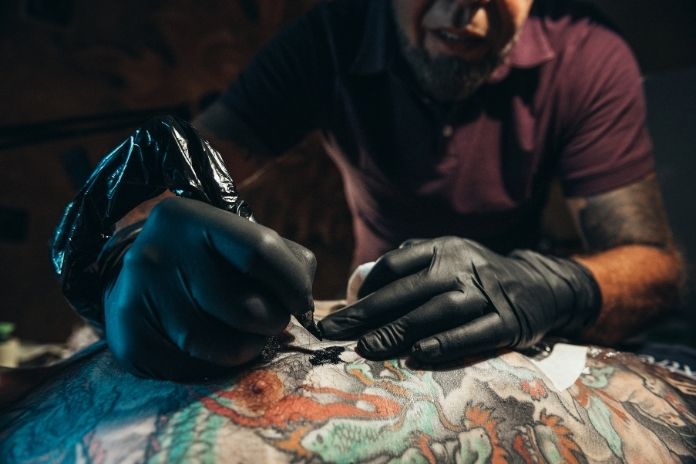
Tattoos have become a popular means of personal expression, but one must keep in mind that they do entail some risks.
Most tattoo side effects and hazards, such as superficial tattoo infections, allergic reactions, or inflammation, are avoidable if performed in a hygienic, professional environment with sterile equipment and premium inks.
According to dermatologists, infections usually occur when hygiene practices are not followed and aftercare instructions are not heeded.
Redness, swelling, or pus are common symptoms and should never be neglected.
While there have been concerns about the question of tattoo ink toxicity, heavy metals in tattoo ink, and the risk of cancer associated with tattoos on scientific grounds, there is as yet inconclusive evidence.
Certain research on possible associations between ink pigments and long-term impact, such as inflammation or lymph node engagement, exists, but there is no concrete evidence demonstrating a direct cause-and-effect relationship.
In the end, the best defense is awareness and prudent decision-making. Selecting licensed tattoo artists, inquiring about ink safety, following proper aftercare, and checking your tattooed skin can significantly reduce the health risks of tattoos. With informed decisions and proper hygiene, tattoos can be a safe and significant art form.
FAQs (Common Questions People Search)

Here are answers to some of the most common questions people ask about tattoo side effects and risks based on medical research.
1. Can tattoos cause cancer?
Current research does not confirm a direct link between tattoos and cancer. However, some studies have found that certain tattoo inks contain potentially harmful chemicals, such as heavy metals or polycyclic aromatic hydrocarbons (PAHs), which may pose long-term health risks.
Experts note that while these compounds can theoretically increase cancer risk, the evidence is still inconclusive. More research is needed to understand whether tattoos can cause or contribute to cancer.
2. Which tattoo ink colors are most dangerous?
Red and yellow inks are known to cause the most tattoo allergic reactions and skin sensitivities. This is because they often contain mercury sulfide, cadmium, or azo pigments that can trigger itching, swelling, or delayed hypersensitivity.
Black inks may also contain carbon-based compounds linked to mild irritation or inflammation, but serious complications are rare when high-quality, regulated inks are used.
3. How often do tattoo infections occur?
According to some studies, about 0.5% to 6% of people experience tattoo infections, depending on hygiene standards and aftercare practices.
These infections can occur if the tattoo artist uses non-sterile needles, contaminated ink, or if the tattooed area isn’t properly cleaned and protected during healing. Signs of infection include redness, warmth, pus, and pain that worsens over time.
4. Can you remove an allergic reaction from a tattoo?
Mild allergic reactions, like rashes or itching, often respond to topical corticosteroid creams or oral antihistamines.
However, persistent reactions or granulomas (small nodules forming around pigment deposits) may require medical treatment, such as laser therapy or surgical removal of the affected pigment. Some experts advise seeking immediate care if swelling or discomfort worsens.
5. Is it safe to get a tattoo if you have a skin condition or chronic illness?
If you have eczema, psoriasis, or immune-related conditions, getting a tattoo can increase the risk of irritation, infection, or delayed healing. Researchers recommend consulting a dermatologist beforehand.
People with chronic illnesses, diabetes, or those taking medications that suppress the immune system should take extra precautions or delay tattooing until cleared by a healthcare provider.
References
- https://www.mayoclinic.org/healthy-lifestyle/adult-health/in-depth/tattoos-and-piercings/art-20045067
- https://pmc.ncbi.nlm.nih.gov/articles/PMC11739707
- https://www.webmd.com/skin-problems-and-treatments/tattoos-what-you-need-know
- https://www.aad.org/public/everyday-care/skin-care-basics/tattoos/tattoo-skin-reactions
- https://my.clevelandclinic.org/health/diseases/23295-tattoo-infection
- https://www.onlymyhealth.com/five-dangerous-effects-of-tattoo-1720503825
- https://pmc.ncbi.nlm.nih.gov/articles/PMC6040572/
- https://www.aad.org/public/everyday-care/skin-care-basics/tattoos/tattoo-skin-reactions
- https://www.sciencedirect.com/science/article/pii/S266652472400274X
- https://jcadonline.com/tattoos-medical-risks-body-ink/
- https://abclinic.com/en/tattooing-and-skin-diseases-how-to-prevent-them/
- https://healns.ca/resources/safer-tattooing-and-piercing
- https://www.goldentarotinkclub.com/blog/2024/tattoo-safety-best-practices-for-a-safe-and-stunning-ink-experience.html
- https://biomasertattoo.com/blogs/study/tattoo-safety-comfort-tips
In this Article