
















Stomach upset affecting your day? Whether it’s from overindulging at dinner or eating something that didn’t agree with you, that uncomfortable feeling of nausea, bloating, and pain can really slow you down.
The good news is that most cases resolve quickly with simple home remedies you likely already have in your kitchen.
Read More: 10 Home Remedies For Upset Stomach For Quicker Relief
Common Symptoms
An upset stomach can cause one or more of the following:
- Nausea
- Heartburn
- Belching
- Gas
- Feeling of fullness
If your cold is accompanied by an unsettled stomach, over-the-counter medications like Pepto-Bismol and lots of water may provide some comfort.
“These are only short-term fixes,” Dr. Benigno Varela, a gastroenterologist at PACT, LLC, a partner of Hartford HealthCare’s Digestive Health Institute, cautions. “Medications shouldn’t replace a doctor’s visit, especially for ongoing issues. If you find relief but the problem persists, seek medical attention.”
It might be time to see your primary care physician if you experience persistent stomach problems.
“Many people get used to living with discomfort,” says Dr. Varela. “However, listening to your body and sharing any ongoing symptoms with your doctor is important.”
What Causes Stomach Upset?
Stomach upset occurs when the lining of your stomach becomes irritated or inflamed. Eating or drinking too much, especially heavy or unhealthy foods, can lead to bloating and discomfort.
While most cases are mild and resolve on their own, an upset stomach can sometimes signal more serious conditions, including GERD (gastroesophageal reflux disease), ulcers, irritable bowel syndrome, lactose intolerance, infections, or, in rare cases, certain cancers.
Early pregnancy can also cause stomach upset.
Stress can trigger stomach pain, too. When you’re anxious or stressed, your body may translate emotional tension into physical symptoms like abdominal discomfort.
Natural Remedies For An Upset Stomach
Before reaching for medication, try these approaches:
Lifestyle changes:
- Eat smaller, more frequent meals instead of large portions
- Avoid trigger foods like spicy dishes, high-acid foods, and caffeine
- Apply a heating pad or hot water bottle to your abdomen for 15-20 minutes to relax muscles and ease cramping (don’t use for extended periods)
Over-the-counter relief: Pepto-Bismol can help relieve diarrhea, heartburn, nausea, gas, and indigestion by coating the stomach lining and reducing irritation.
Read More: Do You Absorb Nutrients Better on an Empty Stomach? Here’s What Experts Say
Foods That Soothe Your Stomach
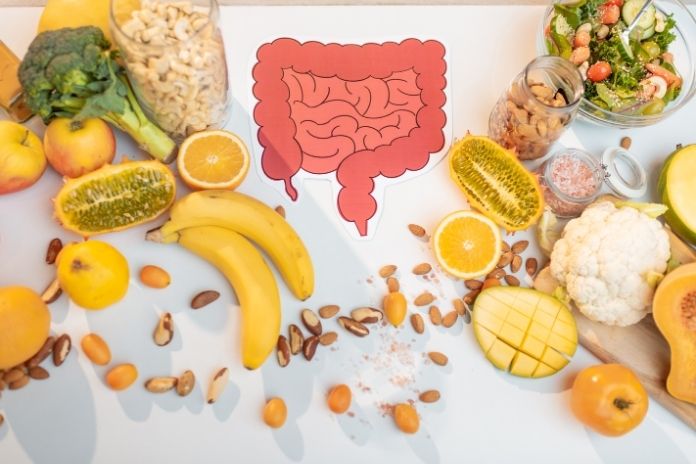
The BRAT Diet
The BRAT diet (bananas, rice, applesauce, and toast) was traditionally recommended for stomach upset because these bland, low-fiber foods are gentle on the digestive system.
However, experts now recommend eating a more varied, balanced diet as soon as you can tolerate it, since the BRAT diet lacks essential nutrients needed for recovery.
Bananas provide potassium and quick energy, especially helpful if you’re dehydrated from vomiting or diarrhea.
Rice and starchy foods like oats and potatoes coat the stomach lining and are easy to digest. They don’t trigger acid reflux or sit heavily in your stomach.
Try rice water: boil 1/2 cup rice in 6 cups water for 15 minutes, strain, and add a little honey.
Applesauce is easy to digest and provides calories. The pectin in apples can help with both diarrhea and constipation.
Toast is gentle on your stomach and won’t cause acid reflux.
Broth-based soup provides hydration along with salt and electrolytes.
Crackers are bland and easily digestible. They absorb stomach acid and are often recommended for morning sickness. Choose low-sodium varieties if you have high blood pressure.
Herbal teas like chamomile can reduce inflammation. Avoid peppermint tea if you have heartburn, as it may worsen symptoms by relaxing the lower esophageal sphincter.
Coconut water offers natural electrolytes, potassium, vitamin C, and easily digestible sugars.
Ginger has been used traditionally for nausea. Research shows that ginger may be effective in reducing nausea and vomiting, particularly during pregnancy and after chemotherapy, though more high-quality studies are needed. Try ginger tea, ginger chews, or supplements.
Peppermint contains menthol, a natural pain reliever. Peppermint oil has been shown to relax gastrointestinal smooth muscle and may help with digestive symptoms. Sip peppermint or spearmint tea, sniff peppermint extract, or suck on mint candy. You can also chew fresh peppermint leaves.
Note: Avoid peppermint if you have acid reflux, as it can relax the lower esophageal sphincter and worsen symptoms.
Apple cider vinegar may help with digestion. Mix one tablespoon with a cup of water and a tablespoon of honey, then sip slowly. The acids can slow starch digestion and support healthy gut bacteria.
Yogurt with live cultures (probiotics) supports digestive health and may ease discomfort while boosting your immune system. Choose plain yogurt with “live and active cultures” listed on the label.
Caraway seeds contain vitamins and minerals that may inhibit harmful bacteria that cause gas, bloating, and indigestion. Peppermint oil combined with caraway oil has shown promise in treating functional dyspepsia.
When to See a Doctor
Most upset stomachs resolve within a day or two. Seek medical attention if you experience:
- Persistent vomiting
- Signs of dehydration (dark urine, dizziness, extreme thirst)
- Severe abdominal pain
- Symptoms lasting more than 48 hours
- Blood in vomit or stool
- High fever
- Unintentional weight loss
Read More: Do You Absorb Nutrients Better on an Empty Stomach? Here’s What Experts Say
Over-the-Counter Medications

If home remedies aren’t enough, several medications can help:
Antacids provide quick relief by neutralizing stomach acid. Common ingredients include calcium carbonate, sodium bicarbonate (baking soda), or magnesium compounds.
Alginic acids combined with antacids create a protective barrier in your digestive tract while neutralizing acid.
H2 blockers like famotidine reduce the amount of acid your stomach produces.
Take Action for Relief
Don’t let stomach upset keep you down. Start with simple dietary changes and bland foods, stay hydrated, and give your digestive system time to recover.
Most cases improve within 24-48 hours with these home remedies. If symptoms persist or worsen, don’t hesitate to contact your healthcare provider for a proper evaluation.
Ready to feel better? Start by choosing one or two remedies from this list and see what works for you. Your stomach will thank you!
Read More: 12 Proven Ways to Calm a Nervous Stomach Caused by Anxiety
Frequently Asked Questions
Q: How long does an upset stomach typically last?
A: Most upset stomachs resolve within 24-48 hours. If symptoms persist beyond two days, contact your healthcare provider.
Q: Can I drink milk when I have an upset stomach?
A: Dairy products can be hard to digest and may worsen symptoms for some people. If you’re lactose intolerant or find that milk bothers your stomach, it’s best to avoid it until you feel better.
Q: Is the BRAT diet still recommended?
A: While the BRAT diet foods are gentle on the stomach, health experts now recommend returning to a normal, balanced diet as soon as you can tolerate it. The BRAT diet lacks essential nutrients needed for recovery.
Q: Should I avoid all food when I have an upset stomach?
A: No. While you may want to rest your stomach for a few hours after vomiting, it’s important to start eating bland, easily digestible foods as soon as you can tolerate them. Staying hydrated is most important.
Q: Can stress really cause stomach upset?
A: Yes. The gut-brain connection is powerful, and emotional stress can manifest as physical digestive symptoms, including pain, nausea, and changes in bowel movements.
Q: Are probiotics helpful for an upset stomach?
A: Probiotics may help support digestive health and immune function. Yogurt with live cultures is a good natural source, though more research is needed on probiotics for acute stomach upset.
Q: When is stomach pain an emergency?
A: Seek immediate medical care if you have severe abdominal pain, especially if accompanied by fever, blood in vomit or stool, chest pain, difficulty breathing, or signs of severe dehydration.
Q: Can ginger really help with nausea?
A: Yes, research supports ginger’s effectiveness in reducing nausea and vomiting, particularly for pregnancy-related nausea and chemotherapy-induced nausea, though individual responses may vary.
Q: Why does peppermint help some people but not others?
A: Peppermint can relax digestive muscles and help with symptoms like bloating and gas. However, it can worsen acid reflux in some people by relaxing the lower esophageal sphincter, allowing stomach acid to rise into the esophagus.
Q: Is apple cider vinegar safe for everyone?
A: While diluted apple cider vinegar is generally safe for most people, those with acid reflux or ulcers should use caution. Always dilute it in water and never consume it undiluted, as the acid can damage tooth enamel and throat tissue.
In this Article