









Hosting a party sounds simple until you realize one of the guests has a nut allergy, another avoids dairy, someone else reacts to eggs, and a fourth has celiac disease.
Suddenly, the menu becomes a puzzle, the kitchen feels like a laboratory, and the fear of “what if” hangs in the air.
Food allergies are not just dietary preferences. They can be medical emergencies. And honestly, most people want to be inclusive, but they don’t know how to do it correctly.
This article is not just about food allergy party planning, but also about the usual: “Avoid nuts,” “Cook separately,” or “Just read labels.” This is about making everyone feel welcome, safe, and comfortable, without becoming overwhelmed or losing the joy of hosting guests with allergies.
- How to identify common allergens and understand why small mistakes matter
- Practical ways hosts can create safe, enjoyable gatherings
- How guests with allergies can participate without fear or awkwardness
- Easy menu ideas that work across restrictions without compromising taste
- Inclusive non-food activities that allow everyone to enjoy the celebration
Understanding Common Allergens & Risks
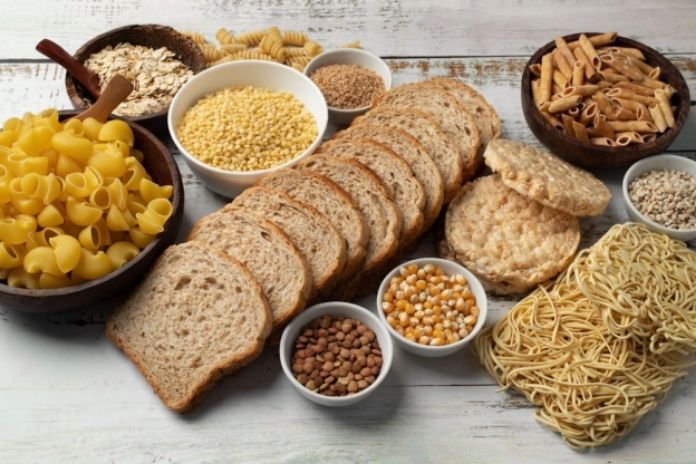
Most allergic reactions are triggered by a small group of foods. The most common include:
- Peanuts and tree nuts
- Milk
- Eggs
- Wheat (or gluten)
- Soy
- Shellfish
- Sesame
But here is the real challenge: Food allergies are not equal. Some people react only if they eat the food. Others may react to crumbs, steam, or even shared utensils.
A small mistake, like using the same knife for peanut butter and for jelly, can be the difference between a fun evening and an emergency.
And the reactions can be fast.
“The typical signs and symptoms would be within minutes of ingesting the food: development of lip, tongue, or eye swelling, breaking out in hives, profuse vomiting or diarrhea, throat closing sensation, wheezing, shortness of breath,” says Dr. Javen Wunschel, DO, an allergist.
This is why even a tiny amount matters when planning a party.
A good baseline mindset is: “If you’re not sure about anything, then treat everything like it matters.” “There’s no such thing as a mild food allergy,” Dr. Wunschel says.
“It’s that you either have [an allergy], or you don’t. So, if we determine based on their history and their testing that a child has food allergies, then we’re going to give strict avoidance guidance. We help parents understand how to do that because even in very small amounts, the child could have the potential for an anaphylactic reaction.”
Read More: 10 Everyday Triggers of Atopic Dermatitis (Eczema) Flare-Ups—and How to Avoid Them
Host Guide: How to Plan an Allergy-Friendly Party
Many hosts genuinely want to be inclusive, but they worry:
- What if I make a mistake?
- What if the food tastes bad without allergens?
- What if the guest feels singled out?
These concerns are normal. The goal isn’t perfection. It’s preparation, sensitivity, and clarity.
1. Communicate Early With Guests
Start by asking, very simply: “Do you or your child have food allergies? Anything I should avoid or be careful about?” Most people appreciate being asked. This simple message makes guests feel seen and respected.
Avoid:
- “Can you just eat around it?”
- “It only has a little bit.”
- “You’ll be fine.”
These statements often sound dismissive, even if not meant to be.
2. Build a Safe Menu
Instead of trying to modify unsafe dishes, create naturally allergy-friendly foods. Simple menus are easier to manage than complicated ones. Whole foods are better than mystery recipes.
Some examples:
- Rice, legumes, roasted potatoes
- Popcorn instead of mixed snacks with hidden nut dust
Pro tip: Choose two signature dishes that are allergen-free. That alone creates safety and comfort.
3. Prevent Cross-Contact in the Kitchen
Cross-contact is when a safe food touches allergen residue. Not visible, but dangerous.
Small habits help:
- Use separate cutting boards and knives
- Clean counters and hands before preparing safe dishes
- Avoid shared frying oil or toasters
One tiny spoon dip can ruin the effort; prevention is easier than an apology.
One tip many don’t know: wooden boards and porous utensils can retain allergens. Use steel, ceramic, or new plastic instead.
4. Label Food Clearly
You don’t need fancy allergen labeling. Simple handwritten labels, chalk tags, or table cards work well.
Instead of: “Safe” or “Allergy-friendly”
Use:
- “Nut-free”
- “No gluten ingredients used”
- “Contains egg”
Specific information means fewer assumptions.
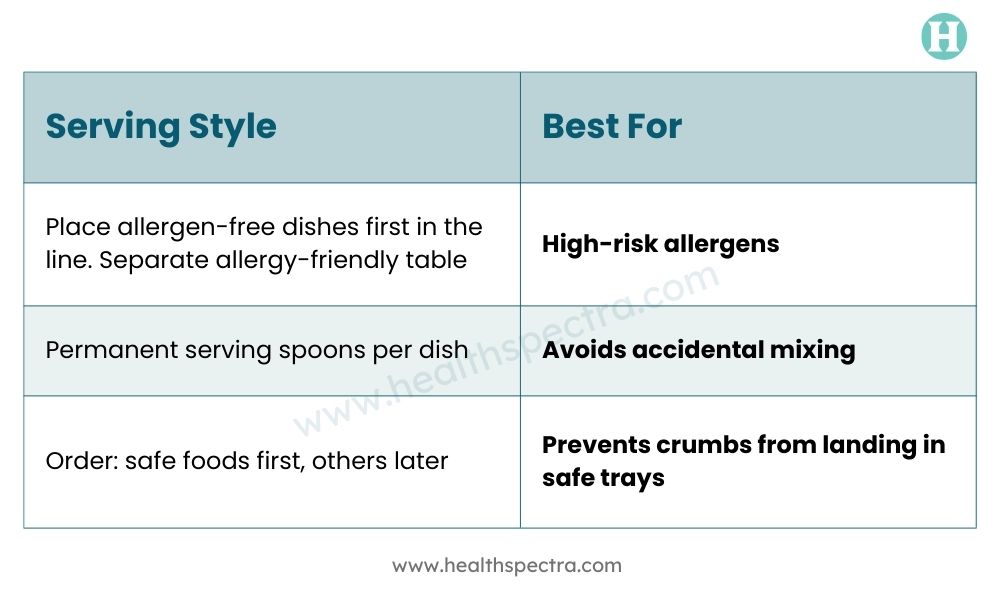
5. Smart Serving Setup
Even if cooking is perfect, serving can go wrong. One helpful practice is to let guests with allergies serve themselves first. Here’s a simple layout idea:
6. Have an Emergency Plan
You may never need it, but if needed, it matters. Hosts should never hesitate to act. Allergies escalate fast, and waiting “to see” is risky.
You should always know:
- Which guest has which allergy
- Where their medication is kept
- When to call emergency services
For symptoms that aren’t life-threatening, Dr. Wunschel says over-the-counter antihistamines can help in the moment. She also recommends avoiding that food until you can get your child to the allergist to be tested.
Read More: 6 Everyday Household Items That May Be Triggering Inflammation (and What to Do Instead)
Guest Guide: Attending a Party With Allergies

Living with food allergies requires constant alertness, especially in social settings. Many guests hesitate because they don’t want to inconvenience others. But inclusion goes both ways: hosts prepare thoughtfully, and guests communicate clearly.
1. Communicate Your Needs Clearly
Instead of vague statements: “I am sensitive to dairy.” Be precise: “I cannot consume dairy in any form, including butter or cheese. Even a small amount can cause a reaction.” Clarity helps prevent mistakes.
2. Consider Bringing a Safe Dish
Not because the host can’t accommodate you, but because it gives confidence and backup. Some people find this awkward, but it actually removes stress from both sides. Bring something you enjoy and label it clearly.
3. Keep Medication Easily Accessible
Carry:
- Epinephrine auto-injector (if prescribed)
- Antihistamines
- Any emergency instructions
Avoid storing medication in coat pockets or bags kept in another room.
And remember, doctors emphasise that hesitation can be more dangerous than the medicine itself. As Dr. Allison Hicks, MD, explains, “In general, it’s better to use the EpiPen when in doubt. It’s a very safe medicine, and it’s out of the body relatively quickly.”
4. Navigating the Food Table
Tips:
- Read labels
- When unsure, ask
- If still unsure, skip it
- Take food before others serve
- Avoid buffets with crumbs or dipping shared spoons
If someone insists you “just try a bite,” politely but firmly decline.
Read More: Supplements That Can Help Relieve Allergies Naturally
Simple Allergy-Friendly Menu Ideas
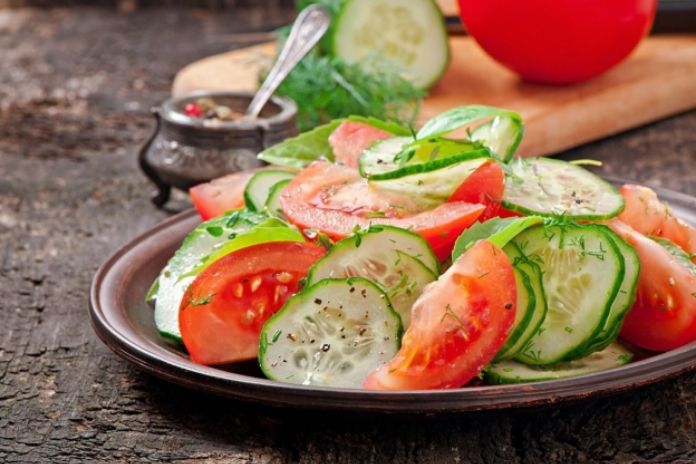
These are practical ideas, not perfect solutions. Every allergy is unique, so adapt thoughtfully.
Nut-Free Options
- Fresh fruit bowls or platters
- Vegetable sticks with olive oil and herbs
- Baked potato wedges
- Simple tomato-cucumber salad
Avoid pesto and processed snacks unless the label is checked.
Gluten-Free Options
- Rice-based dishes
- Lentils or beans with simple seasoning
- Grilled vegetables or chicken
Avoid using the same oil used for regular breaded items.
Dairy-Free or Egg-Free Options
- Salsa with nachos
- Coconut yogurt bowls
- Dairy-free cupcakes (store-bought or verified recipe)
Keep it practical. No need to reinvent the food universe.
Read More: How to Make Your Home Asthma-Friendly: Room-by-Room Tips for Every Space
Non-Food Party Ideas for Inclusivity

Food shouldn’t be the only highlight. For some guests, safe food means stress, but fun activities are universal:
- Games (board games, charades, puzzles, bubble toys)
- Themed music night
- DIY craft corner
- Movie screening
- Trivia or idea-sharing circle
- Sticker packs
This reduces pressure on food and increases connection.
Read More: Foods That May Trigger Hives and What to Eat Instead
Final Thoughts
An allergy-friendly party is not about removing ingredients; it’s about removing uncertainty. When people feel safe, they relax. When they feel considered, they participate. When they feel included, they remember, not the food, but the thoughtfulness behind it.
A little planning creates a big difference. Everyone enjoys. And hosting with awareness doesn’t just avoid risk, it builds trust, warmth, and true hospitality.
- Ask guests early about allergies
- Choose naturally safe dishes instead of modifying risky recipes
- Prevent cross-contact while preparing and serving
- Label foods clearly
- Guests should communicate clearly and carry their medication
- Focus on enjoyment, not only the food
FAQs
1. Is it rude to ask guests about allergies, considering allergen-free party ideas?
No, most people actually appreciate it. It shows care.
2. Do I need to make the whole menu allergen-free?
Not necessarily. Even having one or two safe options makes a difference.
3. Can packaged snacks be trusted if they say “may contain traces”?
For many with allergies, that warning means avoid because the cross-contact risk is high.
4. Are buffets risky for guests with allergies?
Yes! Shared utensils often cause contamination. If using buffet style, enforce separate serving tools.
5. Are allergy-friendly and vegan the same thing?
Not always. Vegan food is not always safe party food. It may exclude dairy or eggs but can still contain nuts, soy, wheat, etc.
In this Article