












Introduction — Why People Compare These Three Diets
In recent years, people have shown interest in food habits that emphasize eating plant-based foods.
Pescatarian, vegan, and vegetarian diets cut or avoid meat but in varying ways based on allowed food, flexibility, and ease of getting all nutritional requirements. Comparing these will help you identify which one is most suitable for your intentions and personal life.
The good news is that all three can be healthy if properly planned. Which diet to follow will depend on health considerations, nutritional requirements, and sustainability.
Read More: Debunking Myths by Unravelling Misconceptions About Vegan and Vegetarian Diets
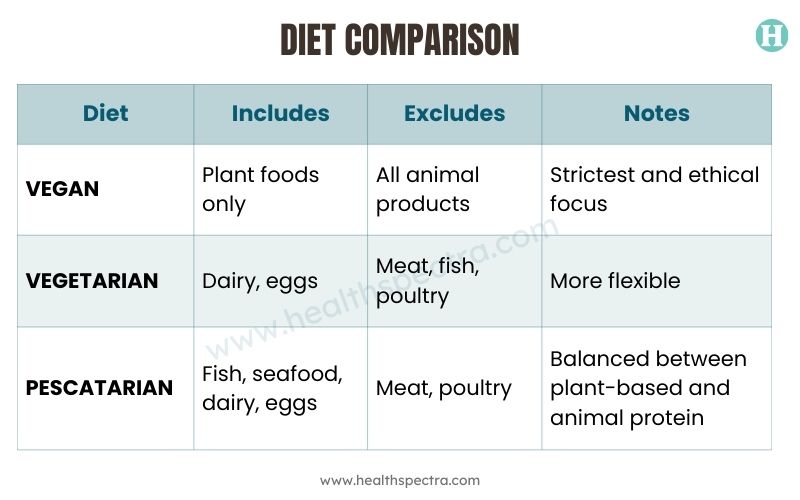
Quick Comparison for a Fast Overview
 What Is a Vegan Diet?
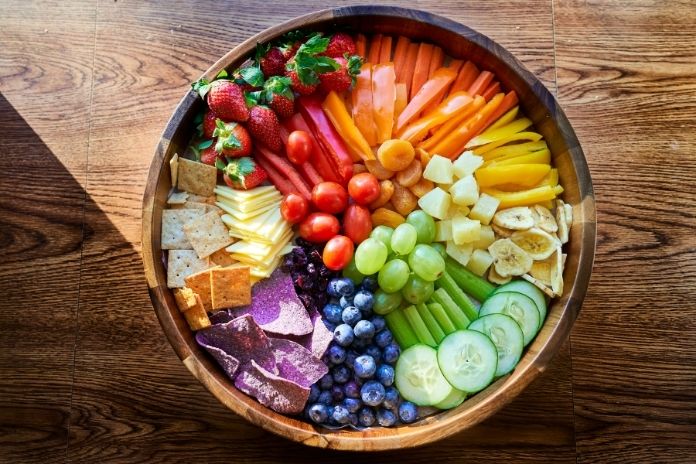
A vegan diet is a type of eating pattern that focuses entirely on plant foods and avoids all animal-derived products.
It is often discussed in plant-based diets comparison because it is the most restrictive among vegetarian, pescatarian, and flexitarian diets. People choose veganism for health benefits, concern for animals, or environmental reasons.
What Vegans Eat
- Fruits and vegetables
- Legumes (lentils, chickpeas, beans, peas)
- Whole grains (rice, oats, quinoa, wheat)
- Nuts and seeds
- Plant-based alternatives (soy milk, almond milk, tofu, tempeh, vegan cheese)
What Vegans Avoid
All animal products, including meat, poultry, fish, dairy, eggs, and honey. Many vegans also avoid leather, wool, and animal-tested products.
Benefits of a Vegan Diet
- Lower cholesterol
- Reduced risk of heart disease and type 2 diabetes
- Better weight management through high fiber intake
- Anti-inflammatory and antioxidant-rich foods
Potential Nutritional Gaps
Despite its benefits, a vegan diet requires planning to avoid deficiencies:
- Vitamin B12– usually needs fortified foods or supplements
- Iron– plant iron absorbs less efficiently
- Omega-3 fatty acids– found in flaxseeds, chia seeds, and walnuts
- Protein quality– best met by combining legumes, grains, nuts, and seeds
- Calcium– needs fortified plant milks or leafy greens
Read More: Flexitarian Diet: Balancing Plant-Based and Animal-Based Foods
What Is a Vegetarian Diet?

A vegetarian diet is an eating pattern that focuses mainly on plant-based foods while avoiding meat, poultry, and fish. In discussions around the vegan vs vegetarian vs pescatarian diet, vegetarian eating is often seen as the most balanced and flexible option.
It allows some animal-derived foods, making it easier for many people to follow a long-term diet. People choose vegetarian diets for health benefits, ethical reasons, cultural beliefs, or environmental concerns.
There are different types of vegetarian diets:
- Lacto-vegetarian– includes dairy but no eggs
- Ovo-vegetarian– includes eggs but no dairy
- Lacto-ovo vegetarian– includes both dairy and eggs
What Vegetarians Eat
Vegetarians enjoy a wide variety of nutritious foods, including:
- Fruits and vegetables
- Whole grains like rice, wheat, oats, and barley
- Legumes such as beans, lentils, peas, and chickpeas
- Nuts and seeds
- Dairy products like milk, yogurt, and cheese (for some vegetarians)
- Eggs (for some vegetarians)
What Vegetarians Avoid
Meat (beef, pork, lamb), poultry, fish, and seafood
Benefits of a Vegetarian Diet
- Easier protein intake compared to vegan diets due to eggs and dairy
- Supports heart health by being lower in saturated fat
- Helps manage cholesterol and blood pressure
- Works well as a diet for heart health, especially when rich in whole foods
- Offers a balanced approach that is easier to maintain long-term
Possible Nutritional Considerations
Even though vegetarian diets are healthy, some nutrients need attention:
- Iron absorption is lower from plant foods than from meat
- Omega-3 fatty acids may be low without fish
- Vitamin B12 depends on dairy, eggs, or fortified foods
When planned properly, a vegetarian diet can meet all nutritional needs and fits well into comparisons of the vegan vs vegetarian vs pescatarian diet, making it a practical and heart-friendly choice for many people.
Read More: Diet Vs. Exercise for Weight Loss
What Is a Pescatarian Diet?
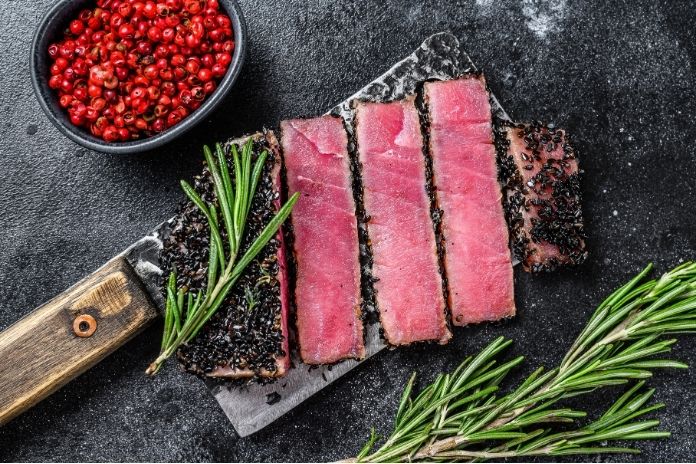
A pescatarian diet is a way of eating that is mostly plant-based but also includes fish and seafood. It avoids meat and poultry while allowing fruits, vegetables, grains, dairy, and eggs.
In discussions around sustainable diets, pescatarian eating is often seen as a balanced option that supports health while reducing reliance on red meat.
What Pescatarians Eat
Pescatarians eat a wide range of nutritious foods, such as:
- Fruits and vegetables
- Whole grains like oats, brown rice, quinoa, and whole wheat
- Legumes, including beans, lentils, and chickpeas
- Nuts and seeds
- Fish and seafood such as salmon, sardines, trout, tuna, shrimp, and shellfish
- Dairy products like milk, yogurt, and cheese
- Eggs
This mix provides fiber, vitamins, minerals, and high-quality protein.
What Pescatarians Avoid
Red meat (beef, pork, lamb) and poultry (chicken, turkey)
Benefits of a Pescatarian Diet
- High-quality protein from fish, eggs, and dairy
- Rich supply of omega-3 fatty acids (EPA and DHA) that support heart and brain health
- Lower risk of heart disease, inflammation, and stroke
- Easier nutrient balance compared to vegan or vegetarian diets
- Fits well into sustainability diets by reducing meat consumption while maintaining nutritional adequacy
Possible Nutritional Considerations
Even with its benefits, some points need attention:
- Mercury exposure– choose low-mercury fish like salmon, sardines, and trout
- Sustainability concerns– select responsibly sourced seafood to avoid overfishing
- Fiber intake– maintain a strong focus on plant foods for digestive health
With thoughtful planning, a pescatarian diet can be nutritious, flexible, and sustainable for long-term healthy living.
Read More: 6 Types of Fish that Naturally Boost Your Vitamin D Levels
Health Comparison: Which Diet Supports What Goal?
When comparing popular eating patterns, pescatarian vs vegan vs vegetarian diets are often discussed because they all emphasize whole foods and reduced meat intake.
Understanding the nutritional differences vegan, vegetarian, and pescatarian diets offer can help you choose the best option based on your personal health goals.
For Heart Health
- Vegan and pescatarian diets show the strongest evidence for heart health benefits.
- Vegan diets are low in saturated fat and high in fiber, which helps reduce cholesterol levels.
- Pescatarian diets have an advantage because fish provides omega-3 fatty acids, which support heart function and lower cardiovascular risk.
For Weight Loss
- Vegan diets often promote weight loss by reducing calorie density naturally.
- High fiber intake helps people feel full while eating fewer calories.
- Pescatarian diets support weight management by combining plant foods with protein-rich fish, which improves satiety.
For Muscle Building
- Protein quality is key for muscle growth.
- Pescatarian diets rank highest, as fish supplies complete, easily absorbed proteins.
- Vegetarian diets follow, supported by eggs and dairy.
- Vegan diets can build muscle but require careful planning and varied protein sources.
For Reducing Inflammation
- Pescatarian diets are most effective for lowering inflammation due to omega-3 fatty acids (EPA and DHA).
- Vegan and vegetarian diets also reduce inflammation through antioxidants, but may lack marine omega-3s.
For Blood Sugar Control
- High-fiber vegan diets perform very well in blood sugar control by improving insulin sensitivity.
- A balanced pescatarian diet is also effective when refined carbohydrates are limited.
Overall, the choice between pescatarian vs vegan vs vegetarian diets depends on your health priorities, lifestyle, and how easily you can maintain balanced nutrition.
“A pescatarian diet is “associated with lower risks of cardiovascular disease and cancer,” notes Deborah Ann Ballard, M.D., a practicing physician at Duke Integrative Medicine.
While some of this lowered risk is due to an eating plan that’s full of fruits, vegetables, whole grains, beans, and nuts, Michelle Loy, M.D., assistant professor of clinical medicine at Weill Cornell Medicine, notes that the omega-3 polyunsaturated fatty acids in fish aid in both cardiovascular and mental health.
Dr. Loy also highlights specific key nutrients provided by this eating style, explaining that “the greens and beans provide calcium, and following the pescatarian diet provides nutrients like magnesium, vitamin B12, zinc, iron, and fiber that are often lacking in the standard American diet.”
Read More: 8 Best Plant-Based Proteins for Muscle Building
Nutritional Differences You Should Know

When comparing pescatarian vs vegan vs vegetarian diets, the main differences lie in protein quality, omega-3 intake, and key vitamins and minerals.
Understanding the difference between vegetarian, vegan, and pescatarian eating patterns helps you choose a diet that fits your health goals and is easier to maintain long-term.
Protein Quality & Quantity
Proteins are made of amino acids that the body needs for muscle repair and overall health. Complete proteins contain all essential amino acids, while incomplete proteins do not.
- Fish and eggs, common in pescatarian and vegetarian diets, provide complete proteins.
- Vegan diets depend on plant sources like legumes, grains, nuts, and seeds, which need to be combined properly to meet protein needs.
Omega-3 Availability
- Vegans rely on ALA omega-3s from flaxseeds, chia seeds, and walnuts, which the body converts to EPA and DHA with limited efficiency.
- Pescatarians get EPA and DHA directly from fish.
Vitamin B12
Vitamin B12 is found almost exclusively in animal foods.
- Vegans must supplement or use fortified foods to avoid deficiency.
- Vegetarians and pescatarians may get enough B12 from eggs, dairy, and fish, though intake should still be monitored.
Iron & Zinc
- Plant-based iron is absorbed less efficiently than iron from animal foods. Vegans and vegetarians benefit from pairing iron-rich foods with vitamin C to improve absorption.
- Seafood provides well-absorbed iron and zinc, making pescatarian diets nutritionally easier in this area.
Calcium & Vitamin D
- Vegetarians and pescatarians who consume dairy can meet calcium needs more easily.
- Vegans rely on fortified plant milks, tofu, leafy greens, and supplements if needed.
- Vitamin D may require sunlight exposure or supplementation across all three diets.
Read More: 10 Foster Health Reasons to go Vegetarian
Environmental & Ethical Considerations

Environmental impact and ethical values play a major role in people’s choice of a vegan, vegetarian, or pescatarian diet. Understanding the differences helps clarify how each choice affects the planet, animals, and natural resources.
Vegan Diet: Lowest Environmental Footprint
A vegan diet has the lowest environmental footprint among these diets. Plant-based food production generally requires fewer resources than animal farming.
Avoiding all animal products significantly reduces greenhouse gas emissions, land use, and water consumption.
From an ethical perspective, veganism strongly supports animal welfare by eliminating animal exploitation entirely, making it the preferred choice for those driven by strong ethical and environmental values.
Pescatarian Diet: Impact Depends on Seafood Choices
The environmental impact of a pescatarian diet varies depending on your seafood selection. While it avoids red meat and poultry, both major contributors to carbon emissions, overfishing and harmful fishing methods can damage marine ecosystems.
Choosing responsibly sourced fish improves sustainability.
Ethically, pescatarians may avoid land-animal farming while still consuming fish for nutritional benefits, which places this diet in the middle of the difference between vegetarian and vegan and pescatarian approaches.
Vegetarian Diet: Moderate Impact
A vegetarian diet has a moderate environmental impact. Eliminating meat and fish lowers emissions, but dairy and egg production still contribute to greenhouse gases and animal welfare concerns.
Many vegetarians see this as a balanced compromise between ethics, nutrition, and practicality when comparing the vegan vs vegetarian vs pescatarian diet.
Read More: Foods to Eat and Avoid for Maximum Weight Loss
Which Diet Is Right for You?

Choosing between vegan, vegetarian, and pescatarian diets depends on your personal goals, values, and lifestyle. All three can support good health, but the best choice is the one you can follow consistently while meeting your nutritional needs.
Health Goals
- Weight Loss: vegan diets are high in fiber and lower in calorie density.
- Heart Health: pescatarian diets stand out due to omega-3 fatty acids from fish, which support heart and brain function.
- Muscle Building: pescatarian and vegetarian diets support muscle gain as they include complete proteins from fish, eggs, or dairy.
Ethical Values
- If avoiding animal harm is a top priority, a vegan diet aligns best.
- Vegetarian diets avoid meat but still include dairy and eggs, which some people see as a practical compromise.
- Pescatarian diets avoid land animals but include fish, balancing ethics with nutritional flexibility.
Nutritional Needs
Your age, activity level, and health status matter.
- Children, older adults, athletes, pregnant women, or people with medical conditions may need extra attention to protein, iron, calcium, or vitamin B12.
- Vegan diets usually require fortified foods or supplements, while vegetarian and pescatarian diets may meet needs more easily through food alone.
Meal Planning & Practicality
Think about how much time and effort you can dedicate.
- Vegan diets require careful planning and label reading.
- Vegetarian diets are generally easier to manage socially and culturally.
- Pescatarian diets are often considered the most flexible and accessible.
- Choose vegan – If ethics and maximum plant-based benefits are your top priorities.
- Choose vegetarian – If you want a balanced, flexible diet that’s easier to sustain long term.
- Choose pescatarian – If you want the easiest nutrient balance with strong heart-health benefits.
Read More: What is a Vegan Diet Deficiency?
Tips for Transitioning to Any of These Diets Successfully
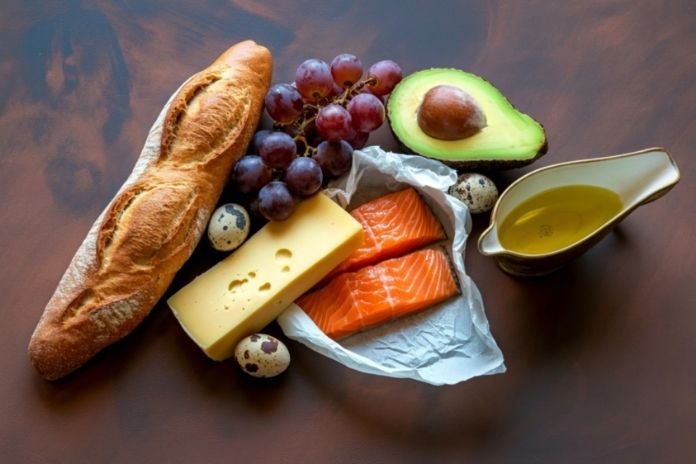
Shifting to a vegan, vegetarian, or pescatarian diet doesn’t have to be difficult. Making incremental, careful modifications might help your body acclimate and make the move easier to manage in the long run.
Start Slowly and Build Consistency
Start with 2-3 days a week of eating more plants instead of altering everything at once. You can attempt “Meatless Mondays” or replace one meal a day with a plant-based choice.
This progressive approach helps eliminate cravings, avoids nutrient gaps, and makes the new eating habit feel more normal rather than restrictive.
Plan Your Protein in Advance
One common mistake is not planning protein sources ahead of time. Make sure each meal includes a reliable protein source:
- Beans, lentils, chickpeas, tofu, or tempeh for vegan and vegetarian diets
- Eggs and dairy for vegetarians
- Fish or seafood for pescatarians
Planning protein keeps you full, supports muscle health, and prevents energy dips.
Focus on Whole Foods
Select whole foods with minimal processing over a diet of heavily processed substitutes. Fruits, vegetables, whole grains, legumes, nuts, seeds, and healthy fats provide fiber, vitamins, and minerals for a healthy digestive and bodily system. Processed substitutes can be useful occasionally, but they shouldn’t replace real food.
Balance Meals with Healthy Fats
Including healthy fats in your diet will help with nutrient absorption. Add healthy fats such as olive oil, avocado, nuts, seeds, nut butters, and chia or flaxseeds. These also support heart health and help meals feel more filling.
Watch Key Nutrients and Supplement When Needed
Some nutrients may require extra attention:
- Vitamin B12– especially important for vegans
- Omega-3 fatty acids– from flax, chia, walnuts, or fish
- Vitamin D– from sunlight, fortified foods, or supplements
Consulting a healthcare provider or dietitian can help you decide what supplements you need.
Keep It Practical and Enjoyable
Pick dishes according to your budget, time, and culinary skills. The ideal diet will be one you can follow and enjoy. With strategic planning and incremental modifications, shifting to any plant-focused diet may be both healthful and sustainable.
Read More: Did You Know that Diet Plays a Key Role in Anemia?
Conclusion — All Three Diets Can Be Healthy with Proper Planning
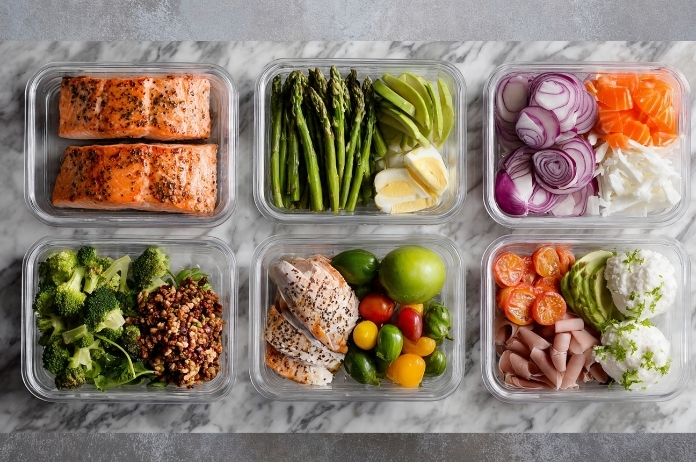
Vegan, vegetarian, and pescatarian diets can be healthy if properly planned. However, no single diet can be termed the ‘best diet option’, since each diet offers different advantages.
Vegan diets are plant-based, have a high fiber content, and a high level of antioxidants, but pose nutritional challenges in terms of vitamin B12, iron, and omega-3 fatty acids.
A vegetarian diet will include milk and/or eggs, making it simpler to get your protein, calcium, and vitamin B12 without relying heavily on vegetables. A pescetarian diet will include vegetables and fish, providing your body with quality protein and omega-3 fatty acids.
Knowing these variations will allow you to make an informed choice among a nutrient-dense, sustainable diet based on your personally relevant health aims, personal beliefs, and ethics. With careful planning, all of these diets may promote a lifetime of good health.
References
- Vegetarian diet: How to get the best nutrition. (n.d.). Mayo Clinic.
- Going Green: Vegan vs vegetarian vs pescatarian. (n.d.).
- Hendley, J. (2025, January 10). Thinking about becoming a pescatarian? What you should know about the pescatarian diet. Harvard Health.
- Watson, S. (2025, October 17). The vegan diet. WebMD.
- Website, N. (2025d, December 8). The vegan diet. nhs.uk.
- Website, N. (2025e, December 8). The vegetarian diet. nhs.uk.
- Vegetarian diet: MedlinePlus Medical Encyclopedia. (n.d.).
- What is a vegetarian diet? (2023, April 20). Dietitians Australia.
- Is the pescatarian diet right for you? Here’s what you need to know. (n.d.).
- What is a Pescatarian Diet? Pros & Cons. What to Eat. (n.d.). Chicken of the Sea.
- Pescatarian Diet: Pros, Cons & Tips from RDN. (n.d.).
- Rd, L. V., PhD, & Rd, L. V., PhD. (2025, October 3). Types of Diets: Evidence-Based Guide 2025. nutritioned.org – State Requirements for Nutrition and Dietians Fields.
- Kim, J. Y. (2020). Optimal Diet Strategies for weight loss and weight loss maintenance. Journal of Obesity & Metabolic Syndrome, 30(1), 20–31.
- Cena, H., & Calder, P. C. (2020). Defining a Healthy Diet: Evidence for the role of contemporary dietary patterns in Health and disease. Nutrients, 12(2), 334.
- BuzzRx. (2025a, April 4). Vegan vs Vegetarian: Key Differences & Benefits Explained. BuzzRx.
- Nutrition for vegetarian, vegan and plant-based diets. (n.d.). British Nutrition Foundation.
- Why a pescatarian diet is healthier than both vegetarian and carnivorous diets. (2022, July 30). Open Blue Cobia.
- Vamsi. (2023, October 14). Eco-Friendly Eating: Exploring vegan vs vegetarian vs pescetarian. 10 Feast.
- Vegetarian vs. Vegan vs. Pescatarian Plant Based Diets. (2024, May 4).
- Choręziak, A., & Rzymski, P. (2025). The Carbon Footprint of Diets with Different Exclusions of Animal-Derived Products: Exploratory Polish Study. Nutrients, 17(8), 1377.
- Vegan vs Pescatarian vs Vegetarian vs Flexitarian Diet | Maggi®. (n.d.).
- Department of Health & Human Services. (n.d.-a). Vegetarian and vegan eating. Better Health Channel.
- Transitioning to a plant-based diet – tips and tricks | Parkview Health. (n.d.). Parkview.
- Vegging Out: Tips on switching to a meatless diet. (n.d.).
In this Article