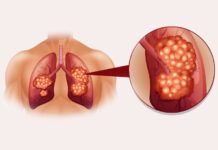














Most persistent coughs are benign, but coughs that last more than 3–8 weeks, especially with red flags like coughing up blood, weight loss, or risk factors such as heavy smoking, need prompt evaluation because they can indicate lung cancer or other serious diseases. Talk with your clinician about testing (chest CT/LDCT) when symptoms or risk profiles suggest it.
A cough is one of the most common reasons people see a doctor, and most chronic coughs turn out to be benign. Still, a small proportion represents something serious, including lung cancer. Clinically, we separate coughs by duration because that helps guide evaluation: acute coughs last less than 3 weeks, subacute coughs last 3–8 weeks, and chronic coughs last more than 8 weeks. That timeline matters because short coughs usually reflect infections or irritation that resolve, while persistent coughs invite investigation for underlying causes.
This article will help you tell when a cough is probably harmless and when it merits prompt workup for lung cancer: you’ll learn common non-cancer causes, the red flags that need urgent attention, the difference between screening and diagnostic testing, the usual diagnostic pathway if something is found, and practical steps you can take while you wait for care. This is educational, testing, and treatment choices are individualized and best discussed with your clinician.
What Counts as a Persistent Cough?
Medical practice divides coughs by duration because time helps separate self-limited causes from those that need investigation. Acute cough: under 3 weeks (usually viral infections or irritant exposures). Subacute: 3–8 weeks, often post-infectious cough or evolving conditions. Chronic cough: more than 8 weeks in adults and typically prompts systematic evaluation.
Duration is more informative than whether the cough is “dry” or “wet”; both dry and productive coughs can be benign or serious. A cough that slowly changes from your usual baseline (for example, a smoker whose habitual cough becomes worse or different) deserves attention even if it seems mild. Clinicians use duration plus pattern and risk factors to decide whether to order imaging or specialist tests.
Common Non-Cancer Causes of a Persistent Cough

Most chronic coughs are not cancer. The most frequent causes are upper airway cough syndrome (UACS/post-nasal drip), asthma (including cough-variant asthma), and gastroesophageal reflux disease (GERD); together, they account for the majority of cases in non-smokers who aren’t on ACE inhibitors. Other common contributors include post-viral airway hypersensitivity, smoking/COPD, and medication side effects (ACE inhibitors).
- Post-viral cough and airway hypersensitivity: After a cold or influenza, some people develop a prolonged cough as airway nerves stay sensitive. These post-infectious coughs often gradually improve but can last several weeks. Simple supportive care and time are the first steps.
- Upper airway cough syndrome (post-nasal drip): Allergies, chronic sinusitis, or non-allergic rhinitis cause mucus to drip into the throat, provoking nocturnal or positional coughing and throat clearing. Treating the nasal source with saline, nasal steroids, or antihistamines often stops the cough.
- Asthma/cough-variant asthma: Some patients mainly have a cough. Look for triggers (exercise, cold air), wheeze, or variability in symptoms; spirometry with bronchodilator testing helps confirm the diagnosis.
- GERD/laryngopharyngeal reflux (LPR): Silent reflux can cause throat clearing, chronic cough, hoarseness, or a sour taste. Lifestyle measures (avoiding late-night meals, head elevation) and trials of reflux therapy are often tried.
- Medications (ACE inhibitors): A dry, tickly cough is a well-known side effect of ACE inhibitors; switching classes usually resolves it. Review your medicine list with your clinician.
- Smoking, COPD and environmental irritants. Ongoing tobacco exposure or workplace inhalants cause chronic cough and sputum; smoking cessation and exposure control are critical. Additionally, recurrent pneumonias in the same lung region suggest localized structural disease and need imaging.
“When addressing a chronic cough, I always consider what is most common first. Is the patient on an ACE Inhibitor? Do they smoke? Do they have asthma? Do they have reflux? Do they complain of postnasal drip or sinusitis? Most of the time, a detailed medical history, review of symptoms, physical exam, and sometimes x-rays or lab tests can rule out a few of these, so that we can treat the cause that seems most likely.” – Dr. Scott Howard, MD.
Read More: 5 Natural Home Remedies To Prevent Cough
When to Worry – Red Flags that Need Prompt Evaluation

A persistent cough alone is common and usually benign, but certain symptoms and risk factors raise the chance of a serious diagnosis and justify prompt imaging and referral.
Symptom red flags:
- Cough lasting >3 weeks, and certainly >8 weeks in adults. Persistent change from baseline is important.
- Hemoptysis, even small blood streaks, should be evaluated; large or ongoing bleeding is an emergency. (Mayo Clinic: seek immediate help for significant hemoptysis.)
- Systemic symptoms such as unintentional weight loss, persistent fatigue, and loss of appetite raise concerns.
- New or worsening shortness of breath, chest pain, or persistent hoarseness without an obvious cause. Recurrent pneumonia in the same lung area is also worrisome.
Risk-profile red flags:
- Current or former smokers with substantial cumulative exposure (pack-years).
- Occupational/environmental exposures (radon, asbestos, silica, diesel exhaust).
- Prior chest radiation, COPD, or family history of lung cancer.
Symptoms plus these risk factors increase the urgency of imaging and specialist referral even when the cough seems mild. In short: trend + risk = action.
Read More: Morning Cough: When It’s Normal and When to See a Doctor
Screening vs. Diagnostic Testing: What’s the Difference?

Understanding the distinction helps prevent delay or unnecessary testing.
Screening is for people without symptoms who are at elevated risk. The only proven screening test to reduce lung-cancer deaths in high-risk, asymptomatic adults is annual low-dose CT (LDCT).
Large trials (NLST and subsequent studies) and guideline bodies such as the USPSTF and American Cancer Society recommend annual LDCT for eligible people (typically ages ~50–80 with a ≥20 pack-year history who currently smoke or quit within 15 years, check current local guidelines and individual factors).
Screening’s goal is early detection before symptoms arise and has been shown to lower lung-cancer mortality in appropriate populations. Diagnostic testing is what happens because you have symptoms or red flags.
Initial steps may include a chest X-ray, but X-rays miss small nodules; a diagnostic CT (non-LDCT) is the usual next step for persistent or worrisome symptoms. Diagnostic imaging aims to characterize abnormalities and guide whether biopsy, PET-CT, or specialist referral is needed. In symptomatic patients, imaging should be prompt rather than routine annual screening.
If Tests Find Something, What Happens Next?
When imaging identifies a nodule or suspicious area, care follows a stepwise pathway.
Imaging characterization: A diagnostic CT will measure size, density, and margins; radiologists use Lung-RADS or other protocols to estimate malignancy risk. PET-CT may be used to evaluate metabolic activity and look for spread when nodules are of concern.
Tissue diagnosis: Definitive diagnosis requires sampling: bronchoscopy for central lesions, CT-guided percutaneous needle biopsy for peripheral nodules, or surgical biopsy when needed. Biopsy provides histology and enables molecular testing.
Staging and multidisciplinary planning: After pathology, staging (I–IV) determines therapy; early stages can often be treated surgically or with stereotactic radiation (SBRT); advanced disease uses systemic therapy guided by biomarkers (EGFR, ALK, KRAS, PD-L1) when appropriate. A team of thoracic surgeons, oncologists, pulmonologists, and radiologists coordinates care to move from diagnosis to treatment safely and promptly.
What You Can Do Now While You Seek Care
If you have a persistent cough and are arranging care, there are practical steps that can help clarify symptoms and reduce risk.
- Track and reduce triggers: Keep a simple symptom diary: start date, frequency, time of day, sputum color, any blood, associated fever, and exposures (smoke, pets, workplace). Note if the cough follows meals (suggests reflux) or is worse at night (post-nasal drip). This record helps clinicians pinpoint causes.
- Reflux and allergy measures: Try reflux hygiene: avoid late meals, elevate the bed head, and reduce caffeine/alcohol. For suspected post-nasal drip, saline rinses and nasal steroid sprays can provide relief while you wait for evaluation.
- Medication and exposure review: Check if you take an ACE inhibitor and ask your clinician about alternatives. If you smoke, stop; cessation immediately reduces risk and improves outcomes. Test your home for radon if you have long-term exposure concerns.
- Vaccinations and general lung health: Stay up to date on influenza and pneumococcal vaccines, stay hydrated, use humidified air if dry, and avoid overusing OTC suppressants unless advised. If you develop red-flag symptoms (blood, high fever, sudden breathlessness), seek care urgently.
Read More: Exercises to Increase Lung Capacity and Strength
Treatment Depends on the Cause

Non-cancer coughs. Treatment targets the underlying cause: UACS responds to nasal steroids/antihistamines; asthma to inhaled bronchodilators and steroids; GERD to lifestyle change and acid-suppression when appropriate; ACE-inhibitor cough improves on stopping the drug. Post-viral coughs often resolve with time; symptomatic inhaled therapies or neuromodulators are options for refractory cases.
If cancer is diagnosed, management depends on the stage and tumor biology. Early localized lung cancer may be cured with surgery (lobectomy) or stereotactic body radiation therapy (SBRT) for those not surgical candidates.
Advanced disease is treated with systemic therapy, chemotherapy, targeted agents (EGFR/ALK/ROS1 inhibitors), and immunotherapy, based on molecular markers. Multidisciplinary care tailors treatment, aiming at control and quality of life. Discuss options and goals with your oncology team.
“A chronic hacking cough may be a side effect of some heart medications. If your medication’s name ends in ‘pril,’ you are taking an ACE inhibitor.” – Dr. Zac Cox, Pharmacist and Professor, Lipscomb University
When to See a Doctor, Practical Timelines
Urgent/now: cough with significant blood, severe breathlessness, chest pain, facial/neck swelling, or neurologic symptoms (weakness, severe headache). These require emergency care.
Soon (within 1–2 weeks): cough >3 weeks, new hoarseness, unexplained weight loss, recurring pneumonia in the same lung area, especially if you have a smoking history or other risk factors. Early primary-care evaluation usually triggers a chest X-ray or CT and specialist referral as needed.
Routine: if you have a persistent cough without red flags, book an appointment for evaluation, don’t wait months. Document patterns and triggers to make the visit productive.
FAQs
Is a chest X-ray enough to rule out cancer?
No. Chest X-rays are a quick first test, but they can miss small nodules. A CT scan is more sensitive and is the appropriate next step when red flags or risk factors exist.
Can non-smokers get lung cancer?
Yes. Risk factors include radon, occupational exposures, air pollution, prior chest radiation, and genetic predisposition; a meaningful minority of lung cancers occur in never-smokers. Discuss individual risk with your clinician.
How long should I wait before seeing a doctor for a cough?
If it lasts more than 3 weeks or is changing from your baseline, see a clinician; if it’s more than 8 weeks, it’s considered chronic and needs systematic evaluation.
Will antibiotics help a persistent cough?
Only if there’s a bacterial infection. Most chronic coughs are non-infectious (UACS, asthma, GERD) and won’t improve with antibiotics; indiscriminate use can be harmful.
Key Takeaways
Most persistent coughs aren’t caused by lung cancer, but it’s the pattern, duration, and your personal risk factors that tell the real story. A cough that lingers for more than three weeks, especially beyond eight weeks, or one that brings up blood, coincides with unexplained weight loss, chest pain, or repeated infections in the same lung area, and should always be checked. These are the kinds of red flags doctors use to decide when further evaluation is needed.
If you smoke, used to smoke, or have significant occupational or environmental exposures, don’t wait for more obvious symptoms. Talk to your clinician about a low-dose CT scan (LDCT), the standard screening tool for high-risk but asymptomatic adults. For those already showing symptoms, a diagnostic CT helps pinpoint the cause early. Acting on these warning signs can mean detecting lung cancer when it’s still curable.
Bottom line: don’t ignore a change in your baseline cough; early testing saves lives.
References
- https://www.mayoclinic.org/diseases-conditions/chronic-cough/symptoms-causes/syc-20351575
- https://my.clevelandclinic.org/health/symptoms/17755-cough
- https://www.siloamhospitals.com/en/informasi-siloam/artikel/causes-of-persistent-cough
- https://www.ncbi.nlm.nih.gov/books/NBK430791/
- https://www.benadryl.co.in/common-types-of-coughs-in-adults
- https://my.clevelandclinic.org/health/symptoms/15048-chronic-cough-overview
- https://www.carehospitals.com/diseases-conditions/chronic-cough
- https://www.health.harvard.edu/staying-healthy/that-nagging-cough
- https://www.ncbi.nlm.nih.gov/books/NBK493221/
- https://www.medparkhospital.com/en-US/disease-and-treatment/chronic-cough
- https://www.lung.org/lung-health-diseases/warning-signs-of-lung-disease/cough/learn-about-cough
- https://www.health.com/condition/copd/8-causes-of-chronic-cough-and-what-to-do-about-it
- https://www.healthdirect.gov.au/cough
In this Article