


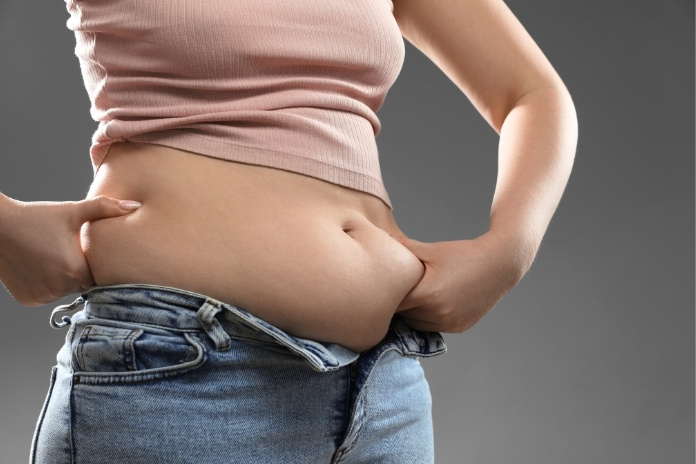


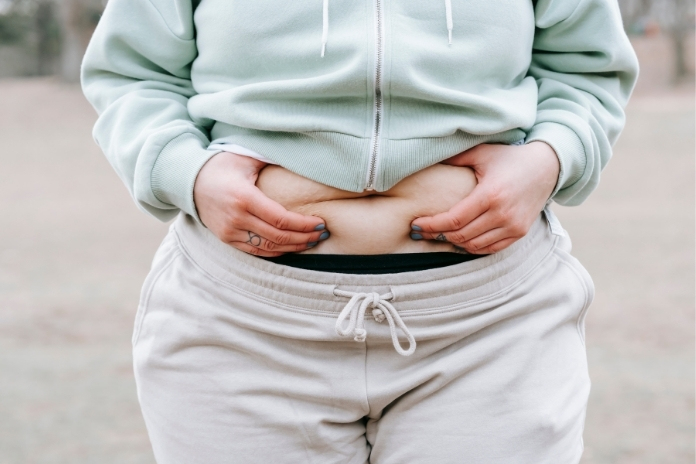
Polycystic Ovary Syndrome (PCOS) is perhaps the most prevalent hormonal disorder found in women of reproductive age. Between 6% to 13% of women globally live with PCOS, yet many are undiagnosed. Although PCOS is expressed in an array of symptoms ranging from irregular menstrual cycles, acne, and hair growth, one of its more frustrating and annoying symptoms is weight gain around the belly.
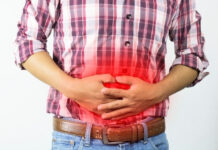
Women with PCOS may observe that they have extra fat around their abdominal area, or “hormonal belly fat PCOS.” It’s not merely a cosmetic issue; it’s linked to more profound metabolic and hormonal disturbances that complicate weight loss and raise the risk of long-term diseases. To control it it is essential to understand the link between belly fat and PCOS i.
In this article, we’re going to understand why PCOS belly fat occurs, the health hazards it poses, and effective, natural methods to minimize it in the long run.
Read More: Top PCOS-Friendly Protein Powders for Energy & Metabolism Support
Why PCOS Causes Belly Fat
Here are a few reasons why PCOS causes belly fat. They include:
1. Hormonal Imbalance:
The most significant feature of PCOS is hormonal imbalance. Women with PCOS usually secrete more androgens (male hormones such as testosterone). This imbalance can cause the normal fat distribution to be disrupted, promoting excessive fat storage in the abdominal area and not around the hips and thighs.
Furthermore, most women with PCOS have more estrogen. When estrogen is higher relative to progesterone, it can result in weight gain, particularly around the midsection.
In short, high androgens and their changing levels push fat toward the midsection, creating the PCOS belly.
2. Insulin Resistance:
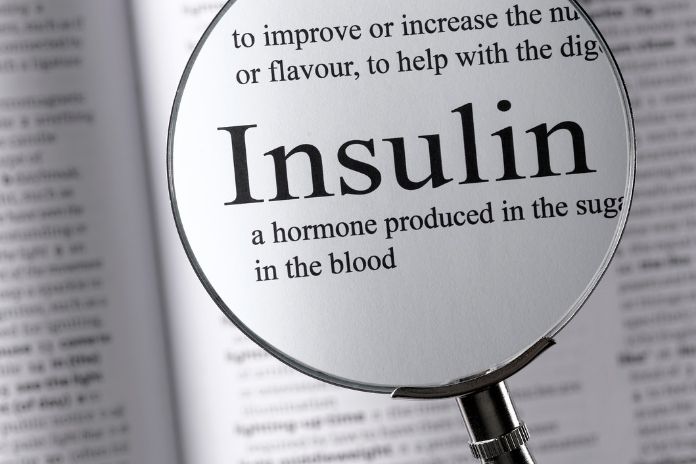
One of the most important causes of belly fat in PCOS is insulin resistance. Insulin is a hormone that regulates blood sugar by permitting glucose to be ushered inside the cells for energy. In PCOS women, cells tend to become resistant to insulin, such that the body must produce more insulin to keep the blood sugar level normal.
Higher insulin levels cause the body to store fat, especially visceral fat that settles around the abdominal organs. This sets up a cycle: belly fat worsens insulin resistance, and insulin resistance increases belly fat. That is why treating insulin resistance lies at the heart of cutting down the PCOS belly fat.
3. Chronic Inflammation:
PCOS is also associated with chronic low-grade inflammation. The inflammation causes abdominal weight gain, which makes losing fat around the belly more difficult. Inflammation also aggravates insulin resistance, which contributes to further fueling the vicious cycle of fat gain.
4. Slower Metabolism:
Lastly, women suffering from PCOS commonly complain of slow metabolism. Hormonal imbalance and insulin resistance are said to lower the metabolic rate, and thus, it becomes difficult to burn calories.
Therefore, even with diet control and exercise, weight reduction happens slowly. Hence, an individualized approach that encompasses diet, exercise, and lifestyle modification is required.
Read More: How to Lose Weight with PCOS? 15 Science-Backed Ways for Better Recovery
Health Risks of PCOS Belly Fat
Carrying PCOS belly fat is not only a matter of looks and appearance. It also significantly increases the risk of many severe health disorders:
- Greater risk for type 2 diabetes, as PCOS belly fat-induced insulin resistance is a leading risk factor for developing type 2 diabetes.
- Increased risk for heart disease and high blood pressure. Abdominal fat comes with higher cholesterol and blood pressure, increasing the risk for cardiovascular disease.
- Sleep apnea and metabolic syndrome are other health hazards of PCOS. Stomach fat can lead to obstructive sleep apnea, a condition in which breathing may stop repeatedly during sleep. It also increases the risk of metabolic syndrome, a group of conditions that includes high blood pressure, high blood sugar, and abnormal cholesterol levels.
Treating PCOS stomach fat naturally may promote both appearance and long-term health results.
Natural Ways to Reduce PCOS Belly Fat
If you’re looking for natural ways to reduce the belly fat caused by PCOS, here are a few tips:
1. Balance Blood Sugar with Diet:
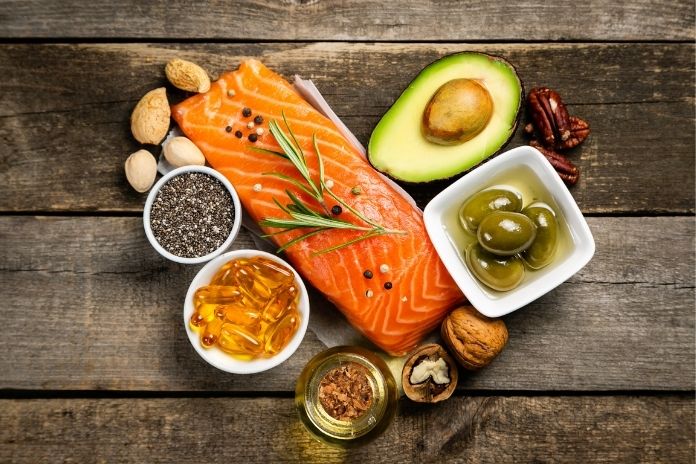
One of the greatest weapons in combating PCOS belly fat is balancing blood sugar. The best diet plan includes:
- Low-GI Foods: Eat whole grains, legumes, and non-starchy vegetables that slowly release sugar into the bloodstream.
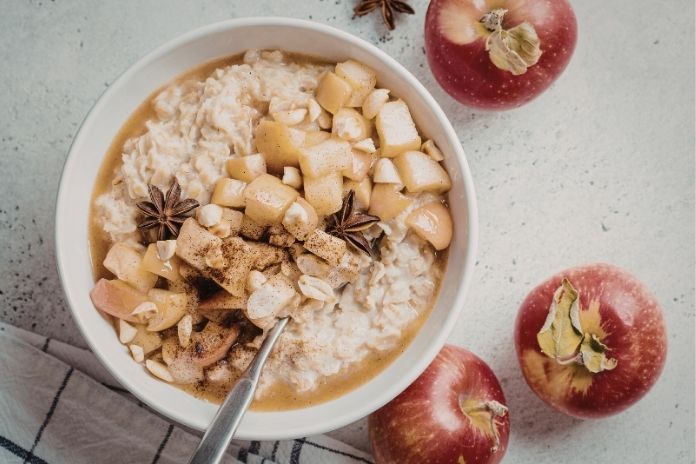
- High Fiber: Fiber delays digestion and stabilizes blood sugar. Include leafy greens, chia seeds, oats, and beans.
- Lean Proteins: Protein makes you feel fuller longer and regulates blood sugar. Opt for fish, chicken, eggs, and vegetable proteins such as lentils.
- Healthy Fats: Add omega-3 fatty acids from salmon, flaxseeds, walnuts, and avocados to dampen inflammation.
A diet for PCOS belly fat that is based on these points can promote insulin sensitivity and slowly decrease abdominal fat.
2. Add Strength Training and Cardio:

Exercise is essential for women who have PCOS. An ideal workout plan for PCOS must include both cardio and strength training:
- Strength Training: Increased muscle tone enhances insulin sensitivity and raises metabolism. Emphasize compound exercises such as squats, deadlifts, push-ups, and resistance band exercises.
- Cardio: Moderate cardio exercise, such as brisk walking, cycling, or swimming, burns calories and promotes cardiovascular health.
Try for a minimum of 150 minutes of physical activity per week, with a mix of cardio and strength training.
3. Enhance Quality of Sleep:

Insufficient sleep interferes with hormone balance and impacts appetite, causing weight gain. PCOS patients are especially sensitive to sleep disturbances. Focus on having 7–9 hours of good sleep by:
- Maintaining a regular bedtime.
- Avoiding screens at least one hour before bedtime.
- Developing a relaxing bedtime routine (e.g., reading, herbal tea, meditation).
Read More: Understanding Insulin Resistance in the Context of PCOS (Polycystic Ovary Syndrome)
4. Regulate Stress Levels:

Stress raises cortisol, the primary stress hormone of the body, which is associated with greater belly fat storage. Management of stress is thus very important. Methods to regulate stress include:
- Daily meditation or yoga.
- Journaling or mindfulness exercises.
- Deep breathing techniques.
- Spending time outside in nature.
5. Add Anti-Inflammatory Foods:
As inflammation is linked with belly fat in PCOS, following an anti-inflammatory diet may be very beneficial. Add:
- Omega-3-rich foods such as salmon, chia seeds, and flaxseeds.
- Spices like turmeric and ginger.
- Drinks that are better than sodas, and include green tea and matcha.
- Leafy greens, including spinach, kale, and arugula.
These promote hormonal balance, decrease inflammation, and enhance overall metabolic well-being.
Foods to Avoid For Faster Progress
To lose PCOS belly fat naturally, avoiding the following foods will help speed progress:
- Refined carbohydrates and sweets such as white bread, pastries, soda, and candy raise insulin and exacerbate belly fat.
- Trans fats and processed snacks, including fried foods, chips, and baked goods using hydrogenated oils, trigger inflammation.
- Increased dairy or red meat must be avoided by a few people. Although not all women with PCOS respond to dairy or red meat, others find their symptoms better when they cut back.
Read More: 16 Home Remedies For PCOS – Know What You Can Do!
When to Get Medical Consultation
Although lifestyle modifications benefit the majority of women, sometimes medical consultation is necessary:
- Belly fat grows quickly despite lifestyle changes and constant efforts.
- When weight loss attempts have no impact after a couple of months.
- If you also have other PCOS signs like bad acne, irregular menses, or hair growth that increases over time.
Your doctor can prescribe individualized treatment, such as medication for insulin resistance or hormonal imbalance.
Conclusion
PCOS belly fat can feel discouraging, but it’s important to remember that it’s not a personal failure. It’s a symptom of deeper hormonal and metabolic issues. With the right approach focusing on diet, exercise, stress management, sleep, and anti-inflammatory foods, it is possible to reduce belly fat naturally.
Consistency is important. Change might be gradual, but every step you take gradually enhances not just your waistline but also your overall health. By treating PCOS belly fat as a whole, you’ll help your body achieve balance, strength, and energy.
References
- https://www.pharmacyscijournal.com/articles/apps-aid1050.php
- https://www.thehindu.com/sci-tech/health/sleep-loss-rewires-the-brain-for-cravings-and-weight-gain-a-neurologist-explains-the-science-behind-the-cycle/article69724345.ece
- https://www.apollo247.com/health-topics/weight-loss/reducing-pcos-belly
- https://www.ncbi.nlm.nih.gov/books/NBK459251/
- https://www.who.int/news-room/fact-sheets/detail/polycystic-ovary-syndrome
In this Article