











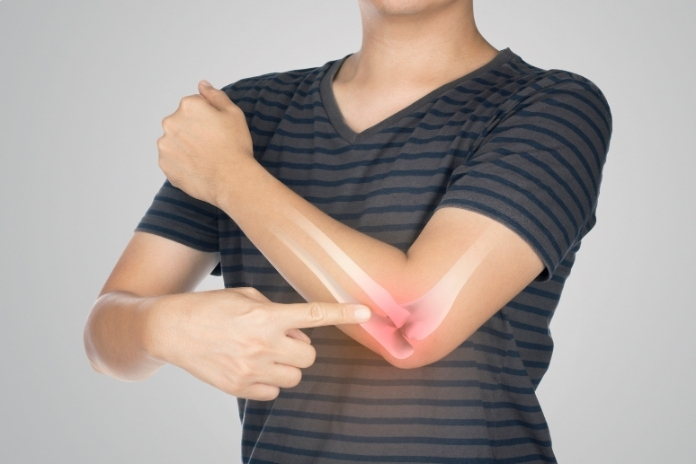
Mobility, general well-being, and quality of life all depend on having strong, healthy bones. Although bones naturally renew themselves over time, this process slows down as we age, so it’s critical to develop bone-strengthening behaviors early in life.
Every year, around 7 million Americans suffer from bone fractures. Although you can’t avoid every mishap, you can lower your chance of fractures and other severe injuries by strengthening your bones. Your bones are less able to sustain the force of bumps and falls if they are thin or brittle. As a result, impacts frequently crush, shatter, or fracture bones.
It is very easy to devalue bones when they are doing their work behind the scenes. However, breaking a bone can be a big deal. Bone healing is not a fast process — even in children.
Thankfully, there are numerous methods for developing strong bones and strengthening your skeletal system. In the article, we will look into the most effective natural methods for building and maintaining strong bones at any age.
Read More: Yoga Positions to Strengthen Bones and Support Osteoporosis Management
Why Strong Bones Matter at Every Age
People often neglect bone health until complications arise, yet it plays a vital role in overall well-being. The skeleton gives rigidity to the body, protects the vital organs, and stores essential minerals from early life to maturity. Therefore, it’s important to focus on bone health at every age.
Our bones require calcium for proper function, and the skeletal system serves as a storehouse for this crucial mineral. Bones rely on calcium as an essential component.
In childhood and youth, the body lays the groundwork for strong, healthy bones. It builds maximum bone mass in the late teens or early twenties through significant bone formation and development.
Enough calcium and vitamin D must be supplied in the diet during these years of bone growth, as they are necessary for the proper mineralization of bones. Encourage children to eat a variety of calcium-rich foods, including milk products, leafy green vegetables, and fortified cereals.
Adulthood: The preservation of existing bone density and the prevention of age-related bone loss are essential elements of bone health during adulthood. Regular weight-bearing and muscle-strengthening exercises are necessary for maintaining bone density and strength.
Your program should include weight lifting, dancing, running, and walking. A diet that is rich in calcium, vitamin D, and other vitamins is also essential. If the diet is inadequate, consider supplementation, but consult with your physician first.
Pregnancy and Lactation: The growing fetus requires calcium for its bones to develop. Pregnancy and lactation impose an additional burden on the skeletal system of women. Pregnant and lactating women should ensure they get enough calcium. This can come from food or supplements. Adequate calcium helps support the development of their unborn child’s bones.
Menopause and Beyond: The hormonal changes related to menopause can cause a significant loss of bone and mark an important crisis in a woman’s life. Because estrogen is essential for preserving bone density, a decrease in it during menopause may result in more fragile bones.
A woman’s body can significantly reduce this danger by taking care of her health, practicing exercise, eating foods rich in calcium, and receiving hormone treatment under the proper care of her obstetrician or other physician.
Preventing fractures becomes increasingly important with age, as both men and women experience a gradual loss of bone density. In addition to diet and exercise, avoiding risk factors like smoking and excessive alcohol consumption while maintaining bone health with age is crucial.
“We continue to build bone mass until age 30,” says Tina Dreger, M.D., an orthopedic surgeon at Mayo Clinic Health System in Eau Claire, Wisconsin. “After age 30, we break down more bones than we rebuild.”
Nutrients That Build and Protect Bone Strength Naturally
Calcium: One of the primary components of bone, calcium is necessary for the proper operation of cells, muscles, the heart, and nerves. The body can’t produce calcium, so food or supplements are needed, with food being the safest and best source. If the bloodstream doesn’t get enough calcium, the body takes it from the bones, as a result weakening them.
“The parathyroid gland sends a message commanding cells called osteoclasts to chew up bone and spit out calcium. If that’s how calcium levels are sustained, it takes a toll on your bones. It’s like going to the bank and taking out $100; if you do it every day, you’ll run out of money. So think of dietary calcium not as building bone, but as preventing calcium from being sucked out of bone,” explains Dr. Harold Rosen, an endocrinologist and director of the Osteoporosis Prevention and Treatment Center at Harvard-affiliated Beth Israel Deaconess Medical Center.
Vitamin D: Vital for many bodily systems, particularly the bones, is vitamin D. In addition to helping our bodies absorb calcium in the gut, which then transports it to the bloodstream, vitamin D also helps control blood levels of phosphorus and calcium, both of which are necessary for bone formation.
Sunlight converts molecules in the skin into vitamin D3, which the body then converts into an active form of vitamin D. This process is how our bodies create vitamin D. However, use sunscreen to lower the risk of skin cancer if you spend more than a few minutes in the sun.
Protein: The building blocks of life are proteins. In addition to building and repairing bones, muscles, and skin, they also provide cells with shape and drive chemical reactions throughout the body. Protein makes up a large portion of bone’s mass and volume, forming a network of fibers that serve as the building blocks for future growth. “Protein is like scaffolding. Calcium and phosphorus form on it and stiffen up,” Dr. Rosen explains.
Read More: Yoga Positions to Strengthen Bones and Support Osteoporosis Management
Lifestyle Habits That Naturally Strengthen Bones
Over time, bones gradually lose density, which can lead to diseases like osteoporosis, a condition that weakens bones and increases their propensity to fracture. Diet is one of the most effective methods for maintaining bone density and strengthening bones, but lifestyle and other genetics also play a significant role.
You can provide your body with the nutrients it needs to maintain and strengthen your bones by consuming a balanced diet. Among the most fantastic meals to help boost bone density and reduce the risk of osteoporosis are the following:
Eat a Lot of Vegetables: The best approach to maintaining your health, including your bones, is through a balanced diet. Because it is an excellent source of vitamin C, which helps preserve bones from injury, vegetables in particular are one of the most critical components of a diet that promotes bone health. Additionally, consuming a variety of yellow and green veggies promotes bone density.
Dark Chocolate: Do you need an excuse to enjoy a delicious treat? Apparently, dark chocolate contains magnesium that helps regulate the absorption of calcium into the bones, along with phosphorus. But eat dark chocolate in moderation while keeping your total sugar intake to a minimum.
Fatty Fish: You can get vitamin D from sunlight. However, obtaining vitamin D from the sun can be difficult in colder climates. To get your vitamin D, eat fatty fish like mackerel or salmon. Tuna and sardines also contain calcium.
Almonds: Eating almonds regularly is beneficial for your bones because they include calcium, magnesium, and protein—nutrients that are vital for bone health. Additionally, they are helpful for your heart health!
Dairy Products: Calcium, the primary mineral in bones, is found in milk, cheese, and yogurt. Additionally, they include phosphorus, vitamin D, and protein, all of which aid in the body’s better absorption of calcium.
Whole Grains: Whole-grain breads, pastas, and brown rice are not only high in fiber but also rich in phosphorus and magnesium. Whole grains will improve bone health in addition to helping you maintain a healthy weight and feel full.
Keep Your Weight Under Control: Along with strength training and a diet rich in nutrients, the next thing you must do to keep your bones healthy is to maintain your weight. If you are overweight or underweight, you run the risk of developing osteoporosis or osteopenia. The weight that is correct for your body type and age is also critical to the health of your bones.
“Vitamin D, magnesium, and phosphorus are also key nutrients that help stabilize our bones and protect them from injury and damage,” says Allegra Picano, RDN, a registered dietitian in the Center for Health Promotion and Disease Prevention at Henry Ford Health. “You can get these nutrients through the foods you eat, supporting your bone health at every age.”
Common Bone Health Mistakes to Avoid

Avoid these typical activities that are simply harmful to your bones if you want to maintain the healthiest possible bones.
Sedentary Behavior: Our bodies are designed to move! Spending too much time sitting, lying down, or simply not moving about is definitely detrimental to the health of your bones. Increased bone density and better bone health are known outcomes of exercise. But when it comes to strengthening bones and avoiding osteoporosis (bone mineral loss), not all workouts are created equal. Weight-bearing activities are essential for lowering your risk of osteoporosis.
Sugar: Studies show that a high-sugar diet raises insulin and inflammation, reduces calcium intake, and increases calcium and magnesium loss through urine. Steer clear of sugar-sweetened drinks, especially soda that contains phosphoric acid, as this can lead to an imbalance between calcium and phosphorus. Researchers have linked drinking soda to a higher risk of bone fractures.
Smoking: Experts have long recognized that smoking cigarettes harms health, increasing the risk of lung cancer and heart disease. Additionally, studies have demonstrated that smoking cigarettes significantly alters the bones that comprise your skeleton. Smoking hinders the body’s ability to produce new, healthy bone tissue. Additionally, smoking gets worse the longer you do it.
Caffeine: Consuming a lot of caffeine, which is present in coffee, tea, energy drinks, and some sodas, may cause your body to release calcium more quickly, which may have an impact on bone density (particularly if you don’t actually ingest a lot of calcium). Although moderate caffeine consumption is generally considered healthy, it is advisable to avoid excessive intake.
Too Much Alcohol: Studies have indicated that heavy and prolonged alcohol use lead to a reduction in bone production, an increase in fractures, and a delay in the healing of existing fractures. For several reasons, alcohol is bad for bone health. First of all, too much alcohol disrupts the calcium balance, which is a necessary vitamin for strong bones. Alcohol’s ability to inhibit the synthesis of vitamin D, a nutrient essential for calcium absorption, may further disrupt calcium homeostasis.
Too Much Salt: A high-salt diet unquestionably decreases bone density, and increasing your sodium intake reduces your calcium reserves. The ideal daily salt intake range is 1,500–2,300 mg.
Read More: Bone Density Testing: Who Needs It and What to Expect
Prevention and Early Screening
Detecting early osteoporosis is crucial in preventing fractures and other complications. Several screening techniques are available. The most popular and accurate way of screening is with a bone density test using DEXA scanning techniques. DEXA, the gold standard, measures bone mineral density (BMD) and can diagnose osteoporosis. Other methods, although not as popular, can still yield valuable information and help those at risk.
Blood tests can detect deficiencies of Vitamin D or calcium, which can lead to osteoporosis. X-ray investigations, although they can reveal fractures, are not diagnostic procedures and cannot reveal early bone loss.
AutoBMD is a new osteoporosis screening method. AutoBMD determines bone density using advanced technology that combines sound waves with computerized algorithms. It is faster and non-invasive as compared to DEXA scans, which usually require trips to specialized clinics or hospitals.
Studies show that AutoBMD correlates well with DEXA scans (with 92% accuracy), making it a legitimate alternative for osteoporosis screening. It is more useful for people with disabilities, as it is more convenient and affordable. It enables the screening of affected individuals, allowing for the early detection of bone loss.
When to See a Doctor
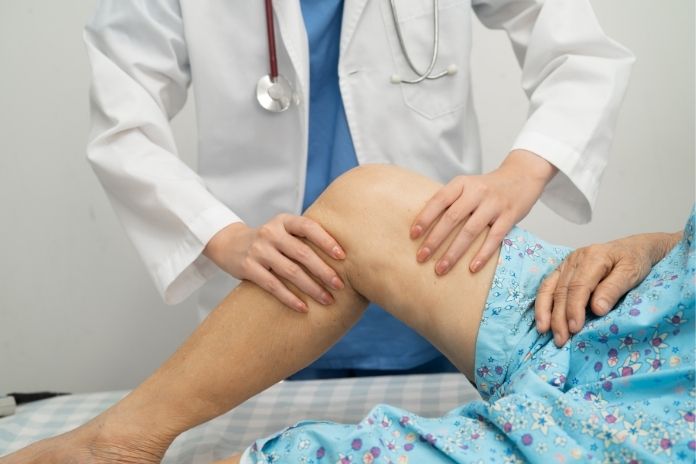
Knowing when to ask for medical help from your doctor is crucial for keeping bones strong and preventing major problems. Recurrent breaks or chronic bone discomfort are significant indicators that your bones may not be as strong as they should be. Evaluation is essential, even for minor fractures caused by falls or bumps.
Since, for the most part, the bone density is inherited, having a family history of osteoporosis increases the risk. It is advisable to consult your doctor about screening and preventive therapies if any close relatives have a history of osteoporosis or fractures.
In such cases, it is advisable to consult a physician promptly for diagnosis, tests, and personalized treatment to maintain bone strength and promote lifelong health.
Conclusion
It takes a lifetime of care to build and maintain strong bones. It’s never too late to adopt healthy habits. Starting early helps build strong bones and reach peak bone mass. By regularly and thoughtfully adopting good habits, even men and women in middle and later life can improve their bone density, halt bone loss, and reduce the risk of fractures.
Strong bones are a result of a well-balanced diet high in calcium, vitamin D, protein, and other essential nutrients. Combined with regular weight-bearing exercises, weight training, and activities that promote balance, these good habits encourage building bone and prevent bone loss. Other good habits that help maintain good bones include avoiding smoking, moderate alcohol consumption, reducing stress, and getting enough sleep.
Read More: 5 Essential Nutrients for Women’s Bone Health After 40
FAQs
Can I naturally improve my bone density after the age of 40?
Yes, combining resistance training with high-impact weight-bearing activities, sufficient amount of calcium and vitamin D intake, and a healthy lifestyle can help increase bone density after the age of forty.
Are dairy alternatives effective for bone strength?
Milk, yogurt, and cheese are high in calcium and protein — two critical factors needed for
proper bone structure and strength — enhance bone density.
Does caffeine affect bone health?
Your intake of calcium and loss of calcium are only slightly out of harmony on account of the caffeine.
What is the best exercise for osteoporosis prevention?
Engaging in weight-bearing activities such as dancing, running, and walking, along with muscle-strengthening exercises like resistance training or using resistance bands, can help reduce the risk of osteoporosis.
How long does it take to see results from natural methods?
Usually, with the strengthening of the bones, significant developments can occur within months or sometimes a year through exercise and dietary adjustments, as well as other lifestyle precautions.
References
- https://u.osu.edu/productdesigngroup3/sample-page/
- https://kidshealth.org/en/parents/strong-bones.html
- https://www.mayoclinichealthsystem.org/hometown-health/speaking-of-health/5-ways-to-build-strong-bones-as-you-age
- https://www.mayoclinic.org/healthy-lifestyle/adult-health/in-depth/bone-health/art-20045060
- https://orthoinfo.aaos.org/en/staying-healthy/healthy-bones-at-every-age/
- https://www.huntingtonorthopedics.com/bone-health-at-every-age-the-importance-of-bone-health-from-childhood-to-adulthood/
- https://www.mayoclinichealthsystem.org/providers/tina-dreger-md
- https://ufhealth.org/conditions-and-treatments/aging-changes-in-the-bones-muscles-joints
- https://medlineplus.gov/ency/article/004015.htm
- https://www.health.harvard.edu/staying-healthy/essential-nutrients-your-body-needs-for-building-bone
- https://osgpc.com/natural-ways-to-build-strong-bones/
- https://findadoc.bidmc.org/details/1308/harold-rosen-endocrinology_diabetes__metabolism-boston
- https://www.linkedin.com/in/allegra-picano-ms-rdn-122476108
- https://health.clevelandclinic.org/osteoporosis-diet
- https://venturaortho.com/top-6-lifestyle-choices-that-are-bad-for-your-bones/
- https://www.acog.org/clinical/clinical-guidance/clinical-practice-guideline/articles/2021/09/osteoporosis-prevention-screening-and-diagnosis
- https://pmc.ncbi.nlm.nih.gov/articles/PMC4089021/
- https://www.aafp.org/pubs/afp/issues/2022/1100/practice-guidelines-osteoporosis.html
In this Article