









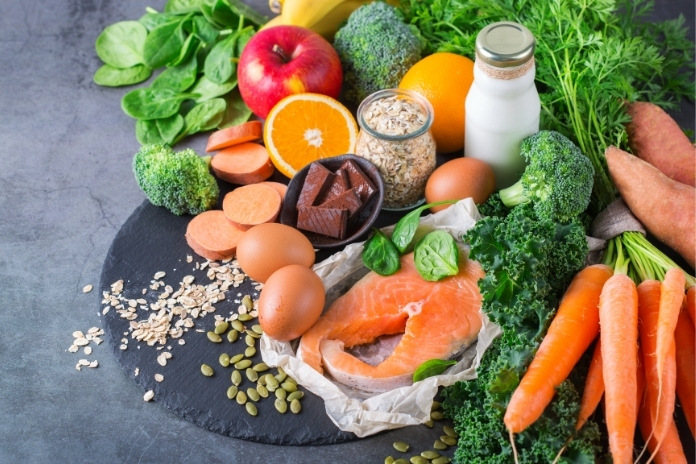
If you’ve been experiencing severe pelvic pain during your menstrual periods that interferes with daily activities, you may be dealing with endometriosis. While medical treatment remains essential, certain natural remedies may help complement conventional therapy and provide relief from symptoms. This article explores evidence-based natural approaches that may help manage endometriosis symptoms.
Understanding Endometriosis
Endometriosis is a condition where tissue similar to the lining of the uterus (endometrium) grows outside the uterus. This misplaced tissue commonly affects the ovaries, fallopian tubes, and pelvic organs, causing inflammation, scarring, and severe pain.
During each menstrual cycle, this tissue responds to hormonal changes by thickening, breaking down, and bleeding. However, unlike the normal endometrial tissue that can exit the body during menstruation, this displaced tissue becomes trapped, leading to inflammation, scar tissue formation, and potentially cysts called endometriomas.
What Causes Endometriosis?
While the exact cause remains unknown, several theories explain how endometriosis develops:
- Retrograde menstruation: Menstrual blood containing endometrial cells flows backward through the fallopian tubes into the pelvic cavity instead of leaving the body.
- Hormonal factors: Estrogen appears to promote endometriosis development and progression.
- Immune system dysfunction: Problems with the immune system may prevent the body from recognizing and destroying endometrial tissue growing outside the uterus.
- Surgical complications: Following procedures like cesarean sections, endometrial cells may attach to surgical incisions.
- Genetic predisposition: Family history increases the risk of developing endometriosis.
Recognizing the Symptoms
The primary symptom of endometriosis is pelvic pain, particularly during menstruation that goes beyond normal cramping. Additional symptoms include:
- Severe menstrual cramps that interfere with daily activities
- Pain during or after sexual intercourse
- Pain during bowel movements or urination, especially during periods
- Heavy or irregular menstrual bleeding
- Infertility challenges
- Fatigue, nausea, bloating, and constipation, particularly during menstrual periods
Read More: Endometriosis vs. PCOS: What’s the Difference?
Evidence-Based Natural Remedies
While these natural approaches may help manage symptoms, they should complement, not replace, medical treatment. Always consult with healthcare providers before trying new treatments.
1. Heat Therapy
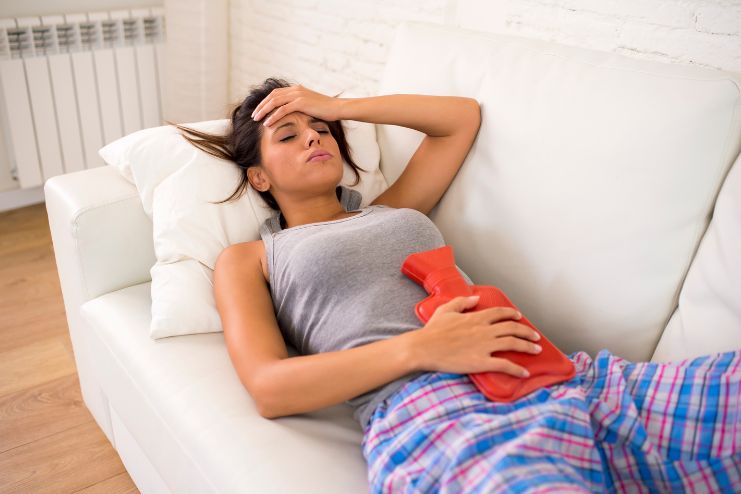
Applying heat to the pelvic area can help relax muscles and reduce cramping. Research supports the use of heat therapy for menstrual pain relief. Use heating pads, warm baths, or heat wraps for 15-20 minutes at a time.
2. Anti-Inflammatory Diet
Jamal Mourad, DO, an OBGYN and a former director of minimally invasive surgery at Banner Health, shares his thoughts on dietary impact. “Nutrition has always played an important role in the maintenance and prevention of certain diseases, but often we neglect that inflammatory foods will affect inflammatory diseases like endometriosis,” he said, adding, “While diet alone may not eliminate symptoms, it’s an important tool we consider when discussing treatment options with patients. The more we can do to lower the impact, the better.”
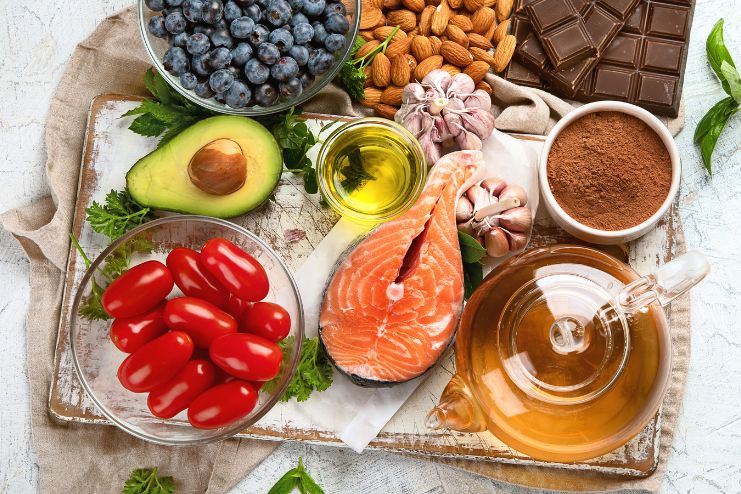
Research indicates that nutrition plays a significant role in both the prevention and treatment of endometriosis. Studies suggest that dietary modifications can help manage inflammation and symptoms associated with this condition. Focus on foods that reduce inflammation:
Beneficial Foods:
- Omega-3-rich fish like salmon and mackerel
- Leafy green vegetables and cruciferous vegetables
- Berries and antioxidant-rich fruits
- Nuts and seeds, particularly those high in vitamin E
- Whole grains and fiber-rich foods
Foods to Limit:
- Processed and red meats
- Refined sugars and high-glycemic foods
- Trans fats and highly processed foods
- Excessive caffeine and alcohol
The evidence suggests that a diet rich in antioxidants, omega-3 fatty acids, and fiber, while low in inflammatory foods, may help reduce endometriosis-related pain and inflammation.
Read More: Diet for Endometriosis: Foods That Help and Foods to Avoid
3. Omega-3 Fatty Acids
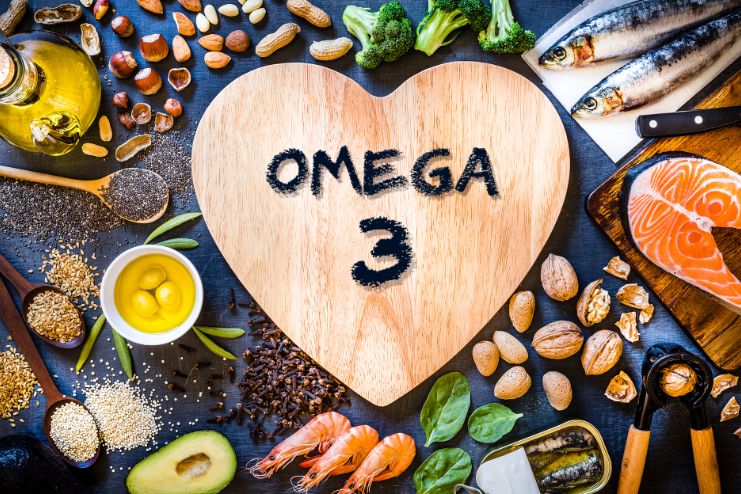
Studies suggest omega-3 fatty acids may help reduce inflammation associated with endometriosis. These essential fats, found in fish oil, flaxseeds, and walnuts, may help decrease inflammatory markers and potentially slow tissue growth.
4. Turmeric (Curcumin)
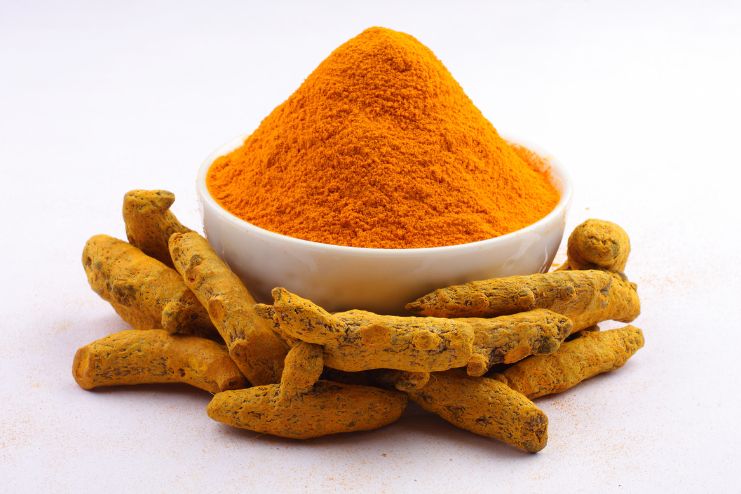
The active compound in turmeric, curcumin, has anti-inflammatory properties. Research indicates curcumin may help inhibit endometrial tissue growth and reduce inflammation. Consider turmeric tea or supplements after consulting with a healthcare provider.
5. Green Tea
Green tea contains epigallocatechin gallate (EGCG), which may have beneficial effects against endometriosis. Some studies suggest EGCG may help inhibit the growth and spread of endometrial tissue.
6. Regular Exercise
Light to moderate exercise can help reduce estrogen levels and boost endorphins, which may help manage pain naturally. Activities like walking, yoga, and swimming are particularly beneficial.
7. Stress Management

Chronic stress can worsen endometriosis symptoms. Stress-reduction techniques such as meditation, yoga, and deep breathing exercises may help manage symptoms and improve overall well-being.
Read More: What Endometriosis Pain Feels Like (And Why It’s Often Misdiagnosed)
8. Ginger Tea
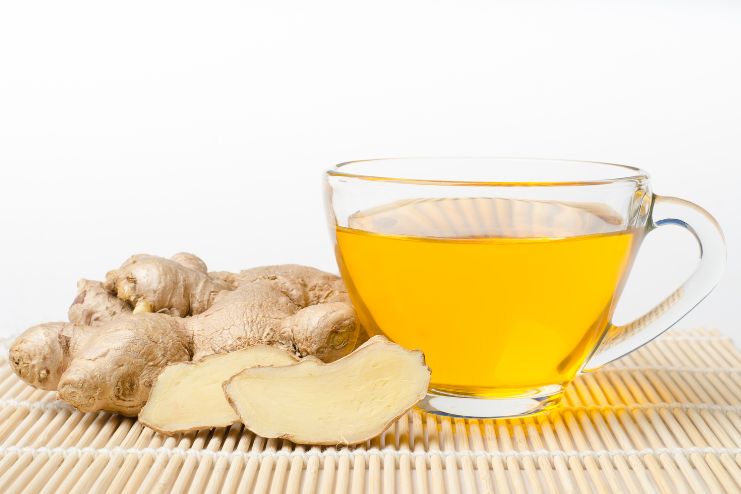
Ginger has anti-inflammatory properties and may help with nausea, a common symptom associated with endometriosis. Ginger tea can be particularly helpful during menstrual periods.
9. Adequate Sleep and Rest

Prioritizing 7-9 hours of quality sleep can help the body recover and manage pain more effectively. Consider creating a sleep routine that includes relaxation techniques.
10. Pine Bark Extract (Pycnogenol)
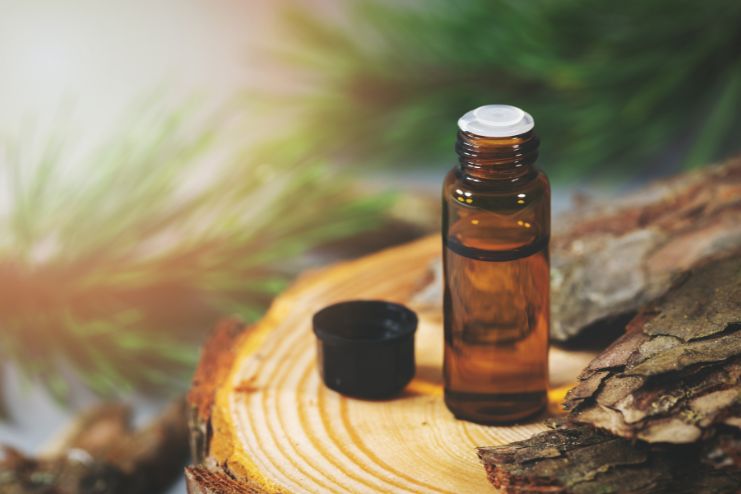
Limited research suggests pine bark extract may help reduce endometriosis pain. However, more studies are needed, and it should only be used under medical supervision.
11. Pelvic Floor Physical Therapy
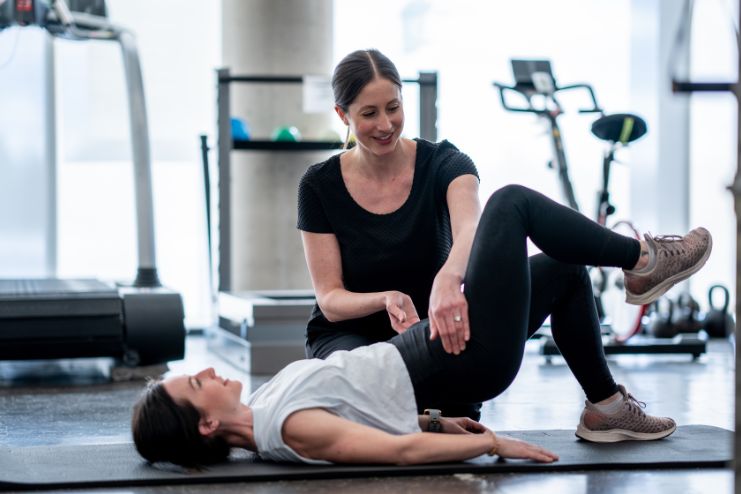
Physical therapy targeting the pelvic floor muscles may help reduce pain and improve function in some women with endometriosis.
12. Acupuncture
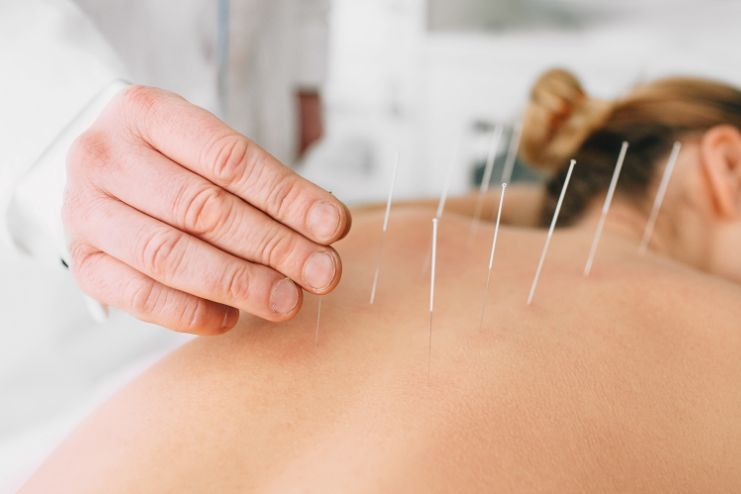
Some studies suggest acupuncture may provide pain relief for endometriosis symptoms, though more research is needed to establish its effectiveness.
Read More: Can Heavy Periods Be a Sign of Something Serious?
Important Considerations
Avoid Unproven Claims
Many remedies lack sufficient scientific evidence. Be cautious of treatments that promise miraculous results or complete cures.
Dietary Changes
While reducing caffeine and alcohol may help some women, complete elimination isn’t necessary for everyone. Focus on moderation and individual tolerance.
Professional Guidance
Always work with healthcare providers to develop a comprehensive treatment plan. Natural remedies should complement, not replace, medical care.
When to Seek Medical Care
Consult a healthcare provider if you experience:
- Severe pelvic pain that interferes with daily activities
- Heavy menstrual bleeding
- Pain during intercourse
- Difficulty conceiving
- Persistent gastrointestinal symptoms during menstruation
Early diagnosis and treatment are crucial for managing endometriosis effectively.
Prevention Strategies

While endometriosis cannot always be prevented, certain factors may reduce risk:
- Maintaining a healthy weight
- Regular exercise
- Limiting alcohol consumption
- Managing stress effectively
- Starting family planning earlier if desired, as pregnancy may slow endometriosis progression
Conclusion
Natural remedies can be valuable complements to medical treatment for endometriosis, potentially helping to manage pain, reduce inflammation, and improve quality of life. However, they work best when integrated into a comprehensive treatment plan developed with healthcare professionals. The key is finding the right combination of approaches that work for your individual situation.
Remember that endometriosis affects each person differently, and what works for one individual may not work for another. Stay informed, work closely with your healthcare team, and be patient as you explore different management strategies.
References
- https://www.mayoclinic.org/diseases-conditions/endometriosis/symptoms-causes/syc-20354656
- https://www.sciencedirect.com/science/article/abs/pii/S1083318813003355
- https://pmc.ncbi.nlm.nih.gov/articles/PMC9983692/
- https://my.clevelandclinic.org/health/diseases/10857-endometriosis
- https://pmc.ncbi.nlm.nih.gov/articles/PMC8972862/
- https://pmc.ncbi.nlm.nih.gov/articles/PMC6637095/
- https://pmc.ncbi.nlm.nih.gov/articles/PMC11527925/
- https://pmc.ncbi.nlm.nih.gov/articles/PMC3950373/
- https://www.webmd.com/women/endometriosis/herbs-for-endometriosis
- https://www.healthline.com/health/home-remedies-for-endometriosis
- https://www.webmd.com/women/news/20010326/researchers-test-heating-pads-as-home-remedy-for-menstrual-pain
In this Article