













Did you know that the average American spends over $400 annually on vision correction, yet many of our grandparents maintained sharp eyesight well into their golden years without ever setting foot in an optometrist’s office? The secret wasn’t superior genetics—it was nature’s pharmacy.
While modern life bombards our eyes with digital screens, artificial lighting, and environmental toxins. You can even maintain your vision with a few easy exercises.
Christopher E. Starr, M.D. FACS, an ophthalmologist at Weill Cornell Medicine Ophthalmology, states that the 20-20-20 rule is the most crucial and straightforward practice to remember. “In every 20 mins, rest eyes by looking at something around 20 feet away for around 20 seconds while working on computer.”
But ancient wisdom also offers us powerful allies in the fight for better vision. From the spice markets of India to the medicine cabinets of Ayurvedic practitioners, certain natural remedies have been quietly protecting and restoring eyesight for thousands of years.
What if you could tap into this ancient knowledge to support your vision naturally? Before your next eye exam reveals further deterioration—and before the costs of stronger prescriptions pile up—discover how simple, affordable ingredients from your kitchen could become your eyes’ best friends.
Read More: Home Remedies for Healthy Eyes: 6 Tips to Support Vision Naturally
Home Remedies for Better Eyesight
1. Fennel

Fennel, commonly known as saunf in Indian culture, contains a compound called trans-anethole, which helps prevent excess sugar in the blood from converting into glucitol (sorbitol). This substance can accumulate in the retina and lead to conditions like cataracts, diabetic retinopathy, or even vision loss. Fennel is also rich in antioxidants and nutrients that support overall eye health.
How to Use: Grind together about 12 almonds, four tablespoons of fennel seeds, and a small amount of crystallized sugar (also called misri in India). Take one tablespoon of this mixture daily with a glass of warm milk before bedtime. Avoid drinking water for at least two hours afterward for best results.
2. Indian Gooseberry (Amla)

Amla, or Indian gooseberry, is a powerhouse of nutrients, especially vitamin C, which is essential for maintaining the health of the retina and strengthening the tiny blood vessels (capillaries) in the eyes. Amla contains up to 20 times more vitamin C than oranges.
How to Use: You can consume amla as a sweet preserve (called murabba) or as juice. For a potent daily tonic, mix equal parts of fresh amla juice and carrot juice. Drink it first thing in the morning on an empty stomach to support vision health.
Read More: 10 Best Blue Light Blocking Glasses
3. Clarified Butter (Ghee)

Ghee, or clarified butter, has been used for centuries in Ayurvedic medicine for its many health benefits, including eye care. It nourishes the extraocular muscles and tear glands, promoting healthy eyelid function and overall eye strength.
How to Use: Some Ayurvedic practitioners recommend placing one drop of lukewarm ghee in each eye before bedtime. While it may cause a mild burning sensation initially, this practice is believed to soothe and strengthen the eyes over time. Always consult a healthcare provider before trying this method.
4. Triphala Powder
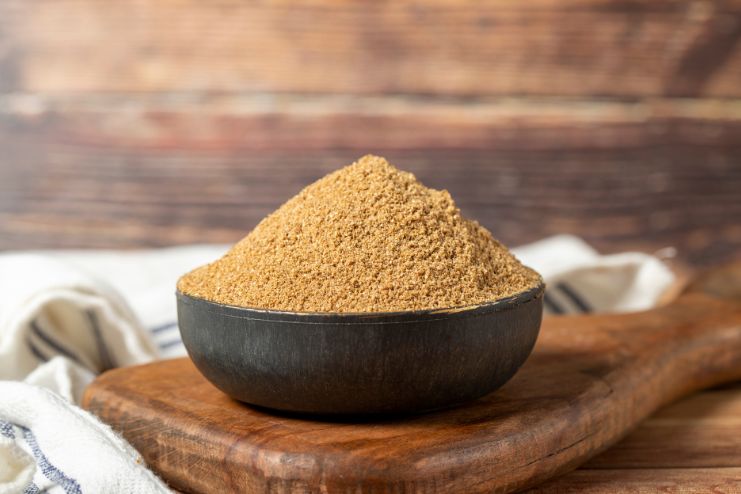
Triphala is a traditional Ayurvedic blend made from three dried fruits: Amalaki (Emblica officinalis), Bibhitaki (Terminalia bellirica), and Haritaki (Terminalia chebula). This mixture is known to strengthen the eye muscles and improve vision. It’s also used to treat conditions like cataracts, glaucoma, conjunctivitis, and progressive myopia.
How to Use: Soak one teaspoon of Triphala powder in a glass of distilled water overnight. In the morning, strain the mixture through a fine sieve and use it to rinse your eyes. This can help with minor infections and vision issues.
Alternatively, you can boil two teaspoons of Triphala powder in a glass of water until it reduces to one-fourth of its original volume. Once cooled and strained, drink it daily with a spoonful of honey to support your vision from within.
Read More: 8 Innovative Products for Maintaining Eye Health
5. Blueberries and Dark Leafy Greens
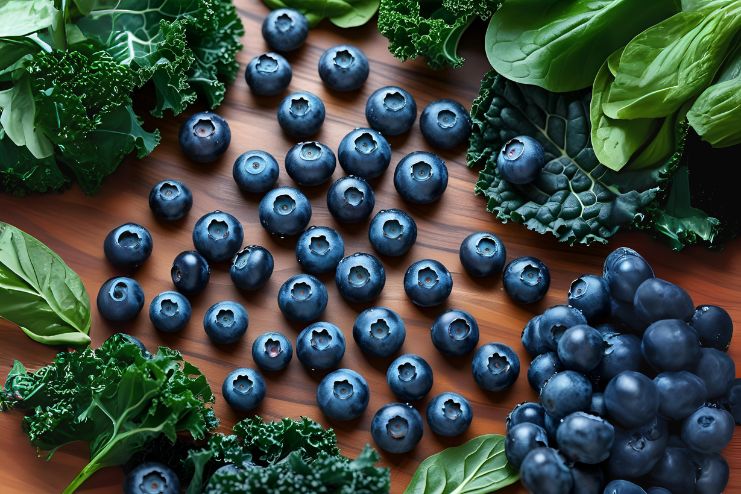
Blueberries are packed with anthocyanins, powerful antioxidants that help protect the retina from damage and may improve night vision. Dark leafy greens like spinach and kale are rich in lutein and zeaxanthin, carotenoids that act as natural sunglasses, filtering harmful blue light and protecting against macular degeneration.
How to Use: Add a handful of fresh blueberries to your morning cereal or smoothie. For greens, aim for at least one serving daily—whether in salads, smoothies, or lightly sautéed with garlic. A simple green smoothie with spinach, blueberries, and banana provides a powerful vision-boosting combination.
6. Carrots and Sweet Potatoes

The classic “carrots are good for your eyes” isn’t just folklore—it’s science. Carrots contain beta-carotene, which your body converts to vitamin A, a nutrient essential for healthy vision and particularly important for night vision. Sweet potatoes provide similar benefits with even higher beta-carotene content.
How to Use: Enjoy raw carrots as snacks, juice them fresh, or roast them with olive oil and herbs. Sweet potatoes can be baked, mashed, or added to soups. Aim for orange-colored vegetables several times per week to maintain adequate vitamin A levels.
Read More: 5 Effects of Hurting Your Eyes After Swimming
7. Bilberry Extract

Bilberry, a European cousin of the blueberry, has been shown to support eye health and may be particularly beneficial for reducing eye strain and supporting night vision. Rich in anthocyanins, bilberry has been used traditionally to support vision, especially in low-light conditions.
How to Use: Bilberry is most commonly taken as a supplement, typically 80-160mg of standardized extract daily. Look for supplements that contain 25% anthocyanins. You can also find fresh or dried bilberries at health food stores, though the supplement form provides more concentrated benefits.
Note: These natural remedies are not a replacement for professional medical advice or treatment, but can be a helpful addition to your eye care routine. Always consult your doctor before starting any new health regimen, especially if you have existing eye conditions.
Conclusion
Taking care of your vision naturally doesn’t have to be complicated or expensive. These time-tested remedies—fennel, amla, ghee, and Triphala—offer accessible ways to support your eye health using ingredients that have been trusted for centuries. While modern medicine plays a crucial role in treating serious eye conditions, incorporating these natural approaches may help maintain and potentially improve your vision over time.
Remember, consistency is key when it comes to natural remedies. The benefits often build gradually, so patience and regular use are essential. Most importantly, these remedies work best as part of a comprehensive approach to eye health that includes proper nutrition, adequate sleep, regular eye exercises, and limiting screen time.
Ready to Start Your Natural Eye Care Journey?
Take action today: Choose one remedy from this article that resonates with you and commit to trying it for the next 30 days. Whether it’s starting your morning with amla juice or incorporating fennel into your evening routine, small, consistent steps can lead to meaningful improvements in your vision health.
Share your experience: Have you tried any of these natural remedies? We’d love to hear about your results! Share your story in the comments below and help others on their journey to better vision.
Stay informed: Bookmark this article and consult with your healthcare provider about which natural remedies might be most suitable for your specific needs. Your eyes deserve the best care, both traditional and modern.
Read More: Best Weighted Eye Masks – Do They Improve Deep Sleep?
References
- https://pubmed.ncbi.nlm.nih.gov/25708856/
- https://bnrc.springeropen.com/articles/10.1186/s42269-020-00304-0
- https://pmc.ncbi.nlm.nih.gov/articles/PMC10747567/
- https://my.klarity.health/nourishing-vision-naturally-amla-for-eye-health/
- https://www.webmd.com/diet/health-benefits-amla
- https://www.ncbi.nlm.nih.gov/pmc/articles/PMC5567597/
- https://www.researchgate.net/publication/315410033_Triphala_in_Eye_Diseases_A_Critical_Review
- https://www.ncbi.nlm.nih.gov/pmc/articles/PMC3215371/
- https://www.newnordic.ca/blogs/news/lutein-and-blueberries-benefits-explained-how-it-supports-eye-health
- https://www.aarp.org/health/healthy-living/superfoods-for-eyes/
- https://healthinkwell.com/lutein-and-zeaxanthin/
- https://www.scientificamerican.com/article/fact-or-fiction-carrots-improve-your-vision/
- https://health.mil/News/Articles/2022/03/04/Its-True-Carrots-and-Other-Vegetables-Can-Help-You-See-in-the-Dark
- https://pmc.ncbi.nlm.nih.gov/articles/PMC3693724/
- https://www.webmd.com/eye-health/features/bilberry-extract-and-vision
- https://www.gemclinic.ca/about-eye-supplements
- https://weillcornell.org/news/how-to-improve-vision-and-maintain-eye-health