













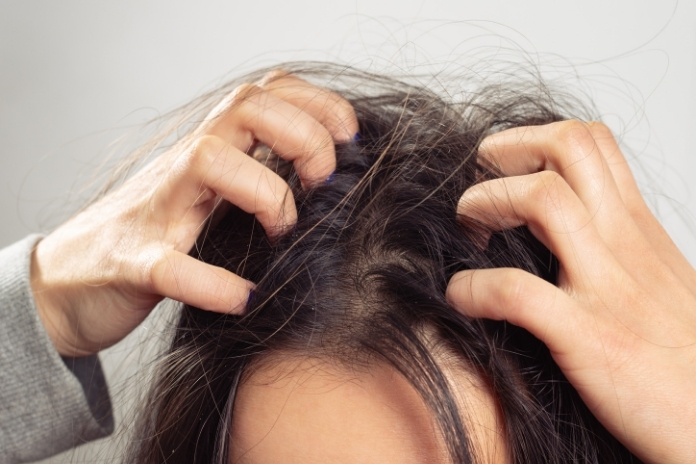
It might be even more annoying to cope with an itchy scalp when there isn’t always noticeable dandruff or flakes.
An itch is a sensation on the skin that creates the urge to scratch, often affecting the scalp. Anywhere on your body, including your scalp, you may experience itchy skin. Pruritus is the medical name for itching.
The itching of the scalp is a typical issue for people. Dandruff or lice on the scalp are frequently the source of this condition. Even when they don’t have lice or dandruff, some people may nevertheless experience itching under certain circumstances. In fact, how can the scalp feel itchy without those two things? And what actions can we take to address it?
An itchy scalp can make it difficult to concentrate on anything else. Even though you might think the itching would never go away, there is hope for relief. Understanding the cause of your scalp’s itching is the first step towards eliminating it.
We’ll look more closely at the lesser-known reasons for scalp itching in this article, going beyond the typical suspects. Additionally, you’ll learn specific treatments and helpful advice to calm your scalp and bring comfort back.
Read More: Itchy Scalp Treatment | Best Natural Remedies to Treat Itchy Scalp
Understanding the Difference: Dry Scalp vs. Dandruff
Traditional thinking makes you assume that flakes in your hair indicate dandruff caused by a dry scalp. For a pleasant massage, you may open that bottle of oil and apply it to the scalp. But if you don’t know the difference between dandruff and a dry scalp, your misdiagnosis can wind up costing you even more.
Several vital distinctions between dandruff and dry scalp will aid you in treating both conditions.
Since both dry scalp and dandruff induce flakiness and irritation, they may initially appear to be the same problem. But the underlying causes are quite different, and selecting the best scalp therapy depends on identifying which one you’re dealing with.
- Dandruff
A fungal infection coupled with excessive sebum production results in dandruff. This combination can cause skin cells to shed more quickly, leading to large, greasy, white, or yellow flakes. Along with any redness or scaly patches on the skin, you may also notice that your scalp is itchy. Because the flakes are bigger and can adhere to your hair and scalp, dandruff is usually more apparent.
- Dry Scalp
Conversely, a lack of moisture in the scalp results in a dry scalp. Your scalp begins to peel when the skin gets too dry, forming tiny, dry flakes that are typically white. In contrast to dandruff, a dry scalp does not cause oiliness, yet it frequently feels tight or itchy. Dehydration, cold, dry weather, and the use of hair care products that deplete the scalp’s natural oils are some of the things that can cause dry scalp.
It’s conceivable that neither dry scalp nor dandruff is the cause of your itchy scalp if there are no obvious flakes present.
Visual inspection is the key. Dandruff and dry scalp flakes are distinct, but it’s essential to note that dry hair often accompanies a dry scalp. Because dandruff is caused by excessive oil production, greasy or oily hair can result from a dandruff-filled scalp.
Possible Causes of an Itchy Scalp Without Dandruff
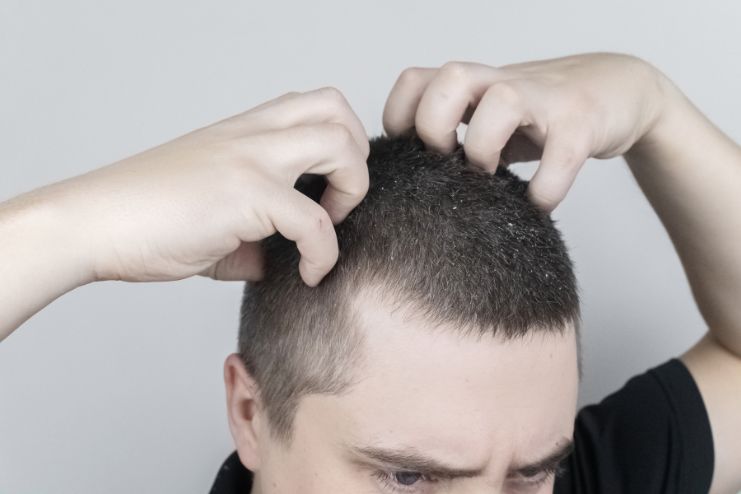
Researchers haven’t done enough studies on the causes of an itchy scalp to conclude that it can be permanently avoided. However, it is the result of numerous other issues and is a sign of that specific issue. Some typical problems are listed below:
Contact Dermatitis: Contact dermatitis, a condition characterized by red rashes and itchiness on the scalp due to direct contact with specific items or substances, is a potential cause of an itchy scalp without lice and dandruff. Using inappropriate hair products can cause this ailment, and itching commonly accompanies it.
Chemicals like hair colors, scents, and preservatives that are frequently found in shampoos, conditioners, and other hair care products may cause sensitivities in certain people. The scalp may become unpleasant and itchy as a result.
Para-phenylenediamine (PPDA) is one of the chemical substances present in hair products that frequently result in an itchy scalp. This substance is present in textile colors, cosmetics, and hair coloring.
Psoriasis: Psoriasis is a chronic skin condition characterized by the rapid overproduction of skin cells. These cells accumulate to create thick, scaly areas that can be painful and itchy. Psoriasis can affect many parts of your body, including your scalp. Additionally, it may result in flaking that resembles dandruff.
“To treat scalp psoriasis, your provider may prescribe a topical agent, often a topical corticosteroid, to reduce inflammation, itching, and flaking,” Dr. Trevor Thompson, MD, Banner Health dermatologist, said. “Additionally, antidandruff shampoos and over-the-counter (OTC) or prescription shampoos may help. Other treatments may be used for more severe cases.”
Atopic dermatitis: Your scalp may be affected if you have atopic dermatitis (AD), a kind of eczema. Your scalp may get red and scaly as a result of this. The scalp is frequently itchy, and some people claim that it burns.
Taking care of the AD can help. It is best to consult a board-certified dermatologist for a treatment plan because the skin on your scalp is different from the skin on other parts of your body.
For sensitive skin, mild, fragrance-free shampoos might be beneficial, but some people might need prescription shampoos with corticosteroids or other anti-inflammatory chemicals. Additionally, your dermatologist might suggest scalp-moisturizing creams.
Read More: The Ultimate Guide to Scalp Detoxing: Why and How to Do It
Scabies: Scabies is another cause of dandruff and an itchy scalp without lice. Scabies is generally a skin disease brought on by the Sarcoptes scabiei mite. Symptoms of this illness include red skin rashes and severe itching, particularly at night.
Furthermore, people frequently observe symptoms like finger itching and the development of mite tunnels—thin lines on the skin that resemble scratches or bumps—in other areas of the body. Infected individuals primarily spread scabies through direct contact or by sharing clothing, personal items, and a bed.
Acne: When acne appears on the scalp, it can also cause itching, particularly if the acne is irritated and infectious. The accumulation of oil, debris, dead skin cells, and perspiration in the pores is the exact cause of acne on the scalp, as they are in other areas of the skin. The use of incorrect beauty products can also trigger acne.
Tinea capitis (Scalp Ringworm): Fungal infections are the cause of this skin condition. This illness may cause noticeable red rashes. Hair loss may also result from scalp ringworm if it damages hair follicles.
Scaly patches, peeling of the scalp, and bald spots with black specks are the hallmark signs of tinea capitis in people. Additionally, direct skin contact or exchanging head-related objects like hats, towels, and combs used by the affected individual might spread tinea capitis.
Hives: Hives, also known as urticaria, are the skin reactions marked by the appearance of red, itchy bumps or welts. However, noticeable, itchy red welts are not usually the result of hives on the scalp.
The scalp’s structure differs from that of the other areas of the skin. Usually, hives on the scalp cause burning, numbness, and itching. Hives typically result from specific allergic reactions and go away on their own in a few hours.
Systemic Disorders: The scalp is frequently affected by systemic disorders that can cause itching, including renal failure, diabetes mellitus, liver disease (hepatitis, cirrhosis, and pancreatitis), and cancers that damage blood cells. Itchy scalp complaints are also common in several autoimmune illnesses, including scleroderma, dermatomyositis, systemic lupus erythematosus, and Sjögren syndrome.
Stress: “Believe it or not, even stress can also contribute to scalp itch,” Dr. Trevor Thompson, MD, said. Your skin, including the skin on your scalp, may become more sensitive under stress. Additionally, stress can also exacerbate pre-existing skin issues.
The impulse to scratch can be lessened by using stress management techniques such as yoga, meditation, or frequent exercise. If stress is a significant problem in your life, therapy and counseling may be beneficial in certain situations.
Read More: 16 Natural Remedies To Say Goodbye To Scabs on Scalp (Without any Pain)
Effective Fixes for Itchy Scalp (No Flakes)
Restoring moisture and shielding the scalp from further dehydration are the main goals of dry scalp treatment. Restoring the moisture without depriving the scalp of its natural oils—which could make dryness even worse—is very crucial. You can effectively treat dry scalp using the following options:
Hydrating Shampoos and Treatments: Use a shampoo that is appropriate for the demands of your scalp. Use an anti-dandruff shampoo regularly if you have dandruff. There are many over-the-counter shampoos designed to target specific causes of an itchy scalp. You should use a mild, hypoallergenic shampoo if your scalp is sensitive. Make use of a mild, hydrating shampoo free of harsh chemicals and sulfates.
Don’t Wash Too Much or Too Little: Strike a balance when it comes to your shampoo regimen. While not washing enough might result in product and oil buildup that irritates your scalp, washing too frequently will dry it out.
Be Attentive when using Hair Products: Take note of how colors, gels, and sprays affect your scalp. Discontinue use of any product that causes itching after application. An ingredient may cause allergies or sensitivities in you.
Scalp Oil or Leave-in Hair Treatments: Leave-in treatments can provide long-lasting hydration for your hair. Oils like jojoba or coconut oil help seal in moisture for your scalp. These are particularly helpful when the weather is harsh and dry throughout winter.
Refrain from Scratching: Although scratching your scalp may feel wonderful at the time, it can make the itching worse. “While scratching may be a reflexive response, it can irritate the skin and nerve fibers, contributing to more itch,” Dr. Thompson said.
Protect your Scalp from the Weather: Wear a scarf or hat to shield your scalp from the elements in cold or dry weather.
Read More: How To Treat A Dry Scalp: Home Remedies, Prevention Tips, and Treatments
When to See a Dermatologist
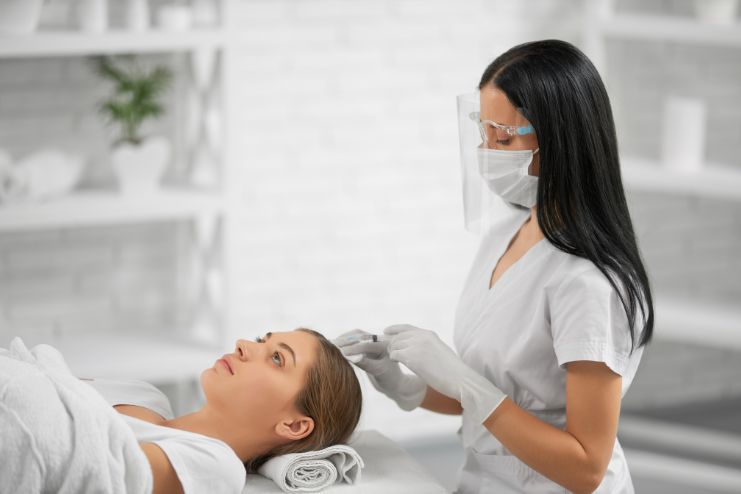
It may be time to consult a dermatologist if over-the-counter remedies aren’t improving your scalp condition. A skin disorder such as psoriasis or seborrheic dermatitis may be the cause of persistent symptoms such as extreme itching, redness, or scaly patches that don’t go away with a standard dandruff or dry scalp remedy.
A professional evaluation may help identify the cause and provide more effective, prescription-based therapies if you’re unsure whether you have a dry scalp or dandruff, or if your condition worsens. Patchy hair loss is another warning sign that may point to a severe condition, such as alopecia areata, psoriasis of the scalp, or a fungal infection that is harming hair follicles.
To help alleviate the symptoms, a dermatologist can also provide customized advice, such as medicated shampoos, lotions, or other hair care treatments. Because your scalp is part of your skin, it deserves proper care and attention.
Therefore, don’t disregard the symptoms just because they aren’t apparent. Early treatment can more successfully restore comfort and scalp health while halting the condition’s further progression.
Read More: 7 Natural Remedies to Treat an Oily Scalp Effectively
Final Thoughts
Discovering the proper treatment and a happy, healthy scalp starts by understanding the difference between dandruff and dry scalp.
A lot of the time, it’s not even flakes, but dryness, product buildup, sensitivity, or yes, even stress. When you don’t adequately address less prominent factors, they can cause chronic pain.
The good news? With a thoughtful scalp care routine, you can banish itching and restore balance.
Being consistent is essential. Treat your scalp the same way you would your facial skin: use gentle products, not harsh ones, and provide the hydration and care needed to keep it vibrant. However, if your symptoms continue or become more severe, be sure to consult your healthcare provider.
References
- https://www.aad.org/public/everyday-care/itchy-skin/itch-relief/relieve-scalp-itch
- https://www.arlingtondermatology.net/2021/05/27/10-reasons-your-scalp-itches-and-how-to-get-relief/
- https://www.siloamhospitals.com/en/informasi-siloam/artikel/itchy-scalp-with-no-lice-and-dandruff-why-is-that
- https://www.healthdirect.gov.au/itchy-scalp
- https://www.headandshoulders.co.in/en-in/healthy-hair-and-scalp/scalp/dry-scalp-remedy-and-treatment/dry-scalp-vs-dandruff
- https://www.lorealprofessionnel.co.uk/hair-care-advice/dry-scalp-vs-dandruff
- https://doctors.bannerhealth.com/provider/trevor-thompson/452550
- https://forefrontdermatology.com/6-common-causes-of-itchy-scalp-and-what-to-do-about-them/
- https://health.clevelandclinic.org/itchy-scalp-common-problems-and-fixes
- https://www.bannerhealth.com/healthcareblog/better-me/why-your-scalp-itches-and-how-to-stop-it
- https://aventusclinic.com/reasons-your-scalp-itches-a-day-after-washing/
In this Article