














You wake up, shuffle to the kitchen, and turn on the kettle for a glass of warm water. Maybe you’ve heard it kickstarts digestion. Maybe social media calls it a detox ritual. Or maybe cold water just feels aggressive before your brain is fully online.
Drinking warm water first thing in the morning has turned into a quiet wellness rule. It feels gentle, intentional, almost responsible. That alone makes it easy to assume it must be doing something profound inside your body. Here’s where the gap usually is. Feeling soothing and being physiologically meaningful are not the same thing.
Warm water does affect the body, but not in the dramatic ways it’s often advertised. It doesn’t flush toxins. It doesn’t cleanse your organs. It doesn’t magically reset digestion. At the same time, it isn’t useless or fake. There are real, measurable effects, just smaller and more practical than most claims suggest.
This article breaks down what actually happens when you drink warm water on an empty stomach, how it interacts with digestion, hydration, and circulation, where the science is solid, where the claims are overstated, and what matters far more than temperature alone. No myths. No extremes. Just clear biology and realistic takeaways you can actually use.
Why Drinking Warm Water in the Morning Became Popular

Warm water didn’t become a morning ritual because of one study or a single health breakthrough. It spread because it sits at the intersection of tradition, simplicity, and routine. It’s easy to do, costs nothing, and feels intentional, which makes it an ideal habit for wellness culture to adopt and amplify.
To understand why it stuck, you have to look at where the idea came from and why it resonates so strongly today.
Cultural and Traditional Health Practices
Warm water rituals didn’t start on social media. They’ve been part of traditional medicine systems for centuries, particularly in Ayurveda and Traditional Chinese Medicine. In these frameworks, digestion is viewed as something that needs to be gently activated rather than shocked into action.
Warm water is believed to “wake up” the digestive system, support energy flow, and encourage elimination by creating internal warmth. These systems rely heavily on observational and experiential wisdom rather than controlled clinical trials, but they’ve shaped how people think about digestion, balance, and daily health rituals.
Even without modern evidence, these ideas carry weight because they’ve been passed down through generations and integrated into daily life, not treated as short-term interventions.
“Warm or room-temperature liquids can relax the smooth muscles of the gastrointestinal tract, which may ease digestion and promote comfort. Many clinicians suggest starting the day with a warm beverage because it gently stimulates the digestive system without the shock that very cold drinks can sometimes cause,” says Dr. Supriya Rao, a gastroenterologist.
Wellness Trends and Social Media Claims
Modern wellness culture took the traditional idea and added exaggeration. Warm water became associated with detoxification, fat loss, hormone balance, and clearer skin, often presented as guaranteed outcomes rather than possibilities.
Most of these claims aren’t supported by evidence. The body’s detox systems rely on the liver, kidneys, lungs, and gut, not water temperature. Fat loss and hormone regulation depend on overall energy balance, metabolic health, and sleep, not a morning drink.
That doesn’t mean the habit itself is useless. It means the claims layered onto it deserve skepticism. Warm water didn’t change. The marketing around it did.
Why Morning Routines Feel Impactful Even Without Strong Evidence
Morning habits feel powerful because they happen at a moment when the brain is highly receptive to routine. Behavioral psychology shows that actions tied to identity and consistency feel more meaningful than isolated behaviors later in the day.
Drinking warm water first thing in the morning often works not because of the temperature, but because it establishes a routine to incorporate hydration early in the day. Many people spend hours dehydrated after waking, and this ritual corrects that without effort.
In other words, the benefit comes from repetition and timing, not from warmth alone. The ritual sticks because it’s simple, calming, and easy to repeat, which makes it effective even when the science behind the temperature itself is modest.
What Happens in Your Body When You Drink Water After Waking Up

Drinking water in the morning doesn’t activate a detox mode, but it does address a real physiological state after sleep. You’re coming off hours of fasting, low fluid intake, and reduced circulation. Water helps the body transition out of that state more smoothly. The benefit comes from basic hydration, not timing tricks or water temperature.
During sleep, you continue losing water through breathing, sweating, and concentrated urine. After six to eight hours without fluids, most people wake up mildly dehydrated, even without obvious thirst.
“After hours without fluid intake during sleep, many people wake up mildly dehydrated. Rehydration first thing in the morning helps restore plasma volume, supports circulation, and may improve alertness, digestion, and cognitive performance by helping the body resume normal physiological functions,” says Dr. Dana Cohen, author of the book Quench.
This can affect alertness, mood, and physical performance and make circulation work harder than necessary. Drinking water after waking restores plasma volume and supports circulation, regardless of whether the water is warm or cold.
Adequate hydration improves blood flow and nutrient delivery after a prolonged rest period. It also supports digestion by promoting gastric secretions and intestinal movement, helping the gut shift out of a fasted, low-activity state.
This is why morning hydration often aligns with better bowel regularity later in the day. The effect comes from fluid intake itself, not water temperature.
There’s no special metabolic window in the morning. Hydration at any time contributes to overall fluid balance.
Morning water works for many people because it’s reliable. It’s easy to remember and repeat, which improves total daily intake. The body responds to patterns, not the clock. Consistent hydration across the day is what actually supports energy, circulation, and digestion.
Does Warm Water Improve Digestion?
Warm water often feels soothing on the stomach, especially in the morning. That comfort has led many people to assume it actively improves digestion. The reality is more limited. Some effects exist, but they’re subtle, and many popular claims go beyond what physiology supports.
Effect of Warm Liquids on Gastric Motility
Warm liquids can temporarily relax smooth muscle in the gastrointestinal tract, slightly reducing resistance in the esophagus and stomach. This can make swallowing and early gastric filling feel easier.
Small studies suggest warm water may modestly increase gastric emptying compared to cold water, particularly in people with digestive sensitivity. Research published in Neurogastroenterology & Motility indicates warm liquids can reduce esophageal and gastric resistance, improving subjective comfort.
These effects are short-lived and sensory. They affect how digestion feels, not how efficiently nutrients are processed or absorbed.
What Studies Suggest vs. What Is Commonly Assumed
While warm water can feel soothing, there’s no strong evidence that it significantly improves digestion in healthy individuals. The digestive system functions efficiently across a wide temperature range, and fluids quickly reach body temperature once in the stomach.
Claims that warm water “activates” digestion or boosts metabolic processes are largely experiential, not physiological. Digestion is driven by enzymes, hormones, nerve signaling, and mechanical movement, not water temperature.
Feeling better does not automatically mean digestion is working better.
Why Individual Response Varies
Response depends on sensitivity and context. People with functional digestive disorders, reflux, heightened visceral sensitivity, or those recovering from illness or surgery may feel more comfortable with warm fluids.
For most healthy people, there’s no measurable digestive advantage. Cold, room-temperature, and warm water all support digestion equally once inside the body. Comfort can improve adherence, but it shouldn’t be mistaken for universal digestive optimization.
Warm water may help some people feel better. It doesn’t improve digestion across the board.
Warm Water vs. Cold Water in the Morning
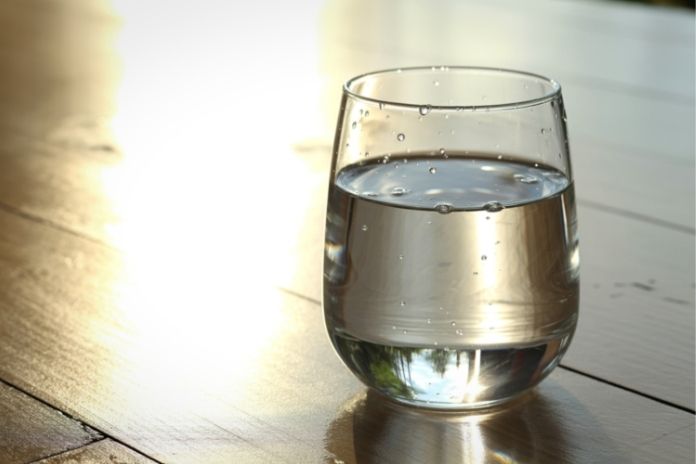
Once hydration enters the conversation, temperature becomes the next debate. Warm water is often framed as gentler or more effective, while cold water gets labeled as harsh or counterproductive in the morning. From a physiological standpoint, the truth is far less dramatic.
From a hydration perspective, water is water. Fluid absorption in the gut is not meaningfully altered by temperature under normal conditions. At rest, the body absorbs warm, room-temperature, and cold water with essentially the same efficiency.
Some studies show cold water may empty from the stomach slightly faster during intense exercise, but this difference disappears in everyday, non-exercise settings. Experts consistently agree that hydration status depends on total fluid volume and regular intake, not temperature.
In short, your cells care that you drank water, not how warm it was.
Where temperature does matter is comfort. Cold water can cause transient stomach discomfort in some people, especially those with acid reflux, sensitive digestion, or early-morning nausea. Warm water tends to feel gentler and may be easier to tolerate immediately after waking.
Preference plays a larger role than physiology here. If warm water helps you drink more without discomfort, that increases total hydration. That alone makes it the better choice for that individual.
There is no biological rule that says one temperature is superior in the morning. The best option is the one you will consistently drink without resistance or discomfort. Hydration works through repetition, not optimization. Consistency beats temperature debates every time.
Read More: Can Drinking Cold Water Slow Down Digestion? What Science Actually Says
Claims Often Made About Warm Water: What’s Supported and What’s Not
Warm water is often paired with bold promises that sound scientific but rarely are. Separating what’s biologically plausible from what’s overstated helps prevent confusion and misplaced expectations.
“Warm Water Detoxifies the Body”
Your liver, kidneys, lungs, and gastrointestinal tract handle detoxification. These organs continuously filter waste products, regulate toxins, and eliminate byproducts of metabolism.
Water supports kidney function by maintaining blood volume and urine flow. Temperature does not enhance these pathways. According to major medical institutions, including the Cleveland Clinic, there is no evidence that warm water improves detoxification beyond normal hydration.
“Warm Water Boosts Metabolism”
Metabolic rate is driven by muscle mass, hormonal balance, activity level, sleep quality, and genetics. Drinking water can cause a very small increase in energy expenditure through thermogenesis, but the effect is minimal.
Cold water may technically increase thermogenesis slightly more than warm water because the body expends energy warming it up. In practice, the difference is too small to influence weight loss or metabolic health in any meaningful way.
“Warm Water Helps With Constipation”
Warm beverages can stimulate the gastrocolic reflex, a normal response that increases colon activity after eating or drinking. This reflex is naturally stronger in the morning, which is why hydration often correlates with bowel movement timing.
Warmth may enhance comfort and reflex sensitivity for some people, but it’s not the primary driver.
Why Hydration Matters More Than Temperature
Low fluid intake is a well-established contributor to constipation. Adequate hydration improves stool consistency and frequency regardless of whether the water is warm or cold.
Potential Benefits of Drinking Warm Water in the Morning
Warm water doesn’t unlock hidden health mechanisms, but it does offer practical advantages for certain people, especially when comfort and habit formation are considered.
- Improved Comfort for Sensitive Stomachs: People with acid sensitivity, bloating, or early-morning nausea often tolerate warm water better than cold. Reduced gastric irritation can make hydration feel easier and less jarring after waking. This doesn’t change digestion itself, but it can reduce avoidance and discomfort.
- Easier Intake for People Who Dislike Cold Water: Many people unconsciously drink less water when it’s ice-cold, especially in the morning. Warm water can feel easier to sip in larger amounts, improving total daily intake without effort. More intake equals better hydration. That’s the real benefit.
- Habit-Building and Routine Consistency: Warm water often becomes a mindful ritual. Rituals stick because they’re predictable and calming. That consistency reinforces hydration as a daily behavior rather than a task to remember later. In behavioral terms, adherence beats optimization.
Who Might Benefit More From Warm Water
While most healthy adults can hydrate effectively with any water temperature, some groups may find warm water noticeably more comfortable.
- People With Digestive Sensitivity: Individuals with irritable bowel syndrome, functional dyspepsia, or reflux may experience less discomfort with warm fluids due to reduced smooth muscle resistance and gentler gastric sensation.
- Those Prone to Morning Bloating: Warm fluids may help relax intestinal muscles and reduce the sensation of gas or tightness early in the day. The effect is subtle but meaningful for sensitive systems.
- Individuals Recovering From Illness: After illness or surgery, warm fluids are often better tolerated and encourage hydration during recovery. Comfort increases compliance, which supports healing indirectly.
The Real Takeaway
Warm water isn’t superior because of physiology. It’s useful because of comfort, preference, and consistency. If it helps you hydrate early and regularly, it’s doing its job. If cold or room-temperature water works better for you, that’s equally effective.
Your body responds to patterns, not temperature myths.
Read More: 9 Benefits of Drinking Hot Water
When Warm Water May Not Make a Difference

Warm water can be useful for comfort and routine, but there are many situations where it doesn’t change outcomes in any meaningful way. Knowing when it matters and when it doesn’t helps keep expectations realistic.
If you already hydrate well throughout the day, the temperature of your morning water won’t alter your hydration status. Your body maintains fluid balance over hours, not minutes. As long as total daily intake is adequate and consistent, hydration markers remain stable regardless of whether your first drink is warm, cold, or room temperature.
There’s no evidence that warm water promotes fat loss. It doesn’t increase metabolic rate in a meaningful way, and it doesn’t influence fat oxidation. Weight change depends on energy balance, muscle activity, sleep, and hormonal regulation. Water supports these processes indirectly by preventing dehydration, not by altering body fat on its own.
If your fluid intake is already sufficient, adding warm water in the morning won’t move the needle much. It won’t harm you, but it won’t create noticeable physiological change either.
At that point, it’s simply a preference, not an intervention.
Is Adding Lemon or Other Ingredients Necessary?
Once plain warm water becomes routine, many people feel the urge to enhance it. That’s where confusion often creeps in. Lemon adds flavor, which can encourage people to drink more. It also provides a small amount of vitamin C, but not enough to significantly affect immunity, inflammation, or detox pathways.
From a hydration standpoint, lemon water and plain water work the same. The benefit is taste, not transformation. Ingredients like lemon, ginger, or herbs don’t activate metabolism or cleanse organs. Those processes are handled by your liver, kidneys, and digestive system.
Additions are helpful when they improve adherence. They become misleading when they’re framed as doing more than they actually do. Acidic drinks can weaken tooth enamel when consumed frequently. If you use lemon regularly, drinking through a straw and rinsing your mouth with plain water afterward can reduce enamel exposure.
This isn’t a reason to avoid lemon entirely, just a reason to use it thoughtfully.
Read More: 10 Promising Benefits of Drinking Lemon Water in the Morning for a Better Well-Being
How Much Water Should You Drink in the Morning?
Hydration advice often gets reduced to rigid numbers. Biology doesn’t work that way. There’s no universal rule like “two glasses immediately after waking.” Fluid needs vary based on body size, climate, physical activity, and diet. Forcing a set amount can cause discomfort without adding benefit.
Thirst is a reliable signal for most healthy adults. Drinking until you feel comfortably hydrated is usually sufficient. Urine color, energy levels, and dryness are also practical indicators of hydration status.
Morning water can help you start hydrated, but hydration is cumulative. What you drink over the next 12 to 16 hours matters far more than what you drink in the first 10 minutes of the day. Consistency across the day is what supports circulation, digestion, and overall health.
Final Takeaway
Drinking warm water first thing in the morning is safe, gentle, and perfectly fine if it feels good to you. It can ease hydration for sensitive stomachs, make mornings feel calmer, and help some people drink more water early in the day. Those are real, practical benefits.
What it isn’t is a health requirement. It doesn’t detox your body, boost metabolism, burn fat, or fix digestion on its own. Your liver, kidneys, gut, and hormones handle those jobs continuously, with or without warm water.
What actually matters is consistency. Hydration works over hours and days, not minutes after waking. If warm water helps you hydrate regularly and comfortably, it’s useful. If cold or room-temperature water fits your routine better, that works just as well. The best choice isn’t about temperature. It’s about the habit you’ll repeat every day without effort.
References
- Apollo Diagnostics. (n.d.). 5 health benefits of hot water.
- Borosil. (n.d.). Benefits of drinking hot water.
- Brita. (n.d.). Drinking hot water.
- Cleveland Clinic. (n.d.). Cold water vs. warm water: Which is better?
- Economic Times. (2024). Warm water vs cold water: Which morning drink actually boosts your digestion?
- EatingWell. (2024). The first thing gastroenterologists drink in the morning.
- Fortis Healthcare. (n.d.). The science behind drinking hot water: What happens in your body.
- Gleneagles Hospitals. (n.d.). What are the benefits of drinking hot water?
- Medanta. (n.d.). 20 health benefits of drinking hot water.
- Nanavati Max Hospital. (n.d.). Benefits of drinking hot water.
- National Center for Biotechnology Information. (2014). Effects of water temperature on gastric emptying and digestion.
- Real Simple. (2025). Winter brain fog fix.
- 1mg. (n.d.). Drinking warm water: Your gut will thank you for it.
- University of Virginia Health. (n.d.). Is warm water healthier? Myths and facts.
- U.S. National Library of Medicine. (2014). Effect of beverage temperature on gastric motility (PubMed ID: 25259541).
In this Article