










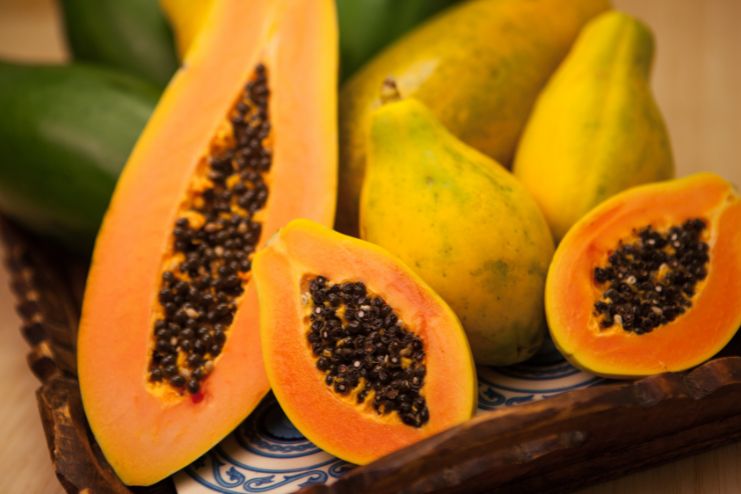
Carica papaya, commonly known as papaya, papaw, or pawpaw, is a tropical fruit treasured for its sweet flesh and impressive nutritional profile. This vibrant superfruit is packed with essential nutrients, including fiber, folate, vitamins C and A, as well as beneficial enzymes like papain, which aid digestion.
Thanks to its delightful taste and health benefits, papaya has become a popular ingredient worldwide in smoothies, salads, and nutritious meal plans.
Regular consumption of this golden fruit has been linked to a reduced risk of various health conditions, including diabetes, cardiovascular disease, and certain types of cancer. A medium-sized papaya provides an impressive 300% of your daily vitamin C requirements while remaining low in calories and fat. The fruit is also rich in dietary fiber and is traditionally used to alleviate heartburn and menstrual irregularities.
However, despite being a natural fruit, papaya consumption isn’t without potential risks. This comprehensive article explores necessary precautions, proper consumption guidelines, and common side effects to be aware of.
Read More: Can Eating Papaya Before Bed Help You Lose Weight?
9 Common Side Effects of Papaya
1. Could Lead to Abortion
Studies conducted on rodents suggest that consuming raw or unripe papaya during pregnancy could be potentially dangerous. The papaya latex in uncooked papaya, particularly when unripe or semi-ripe, has been shown to trigger uterine contractions that may lead to pregnancy termination.
While ripe papayas are generally considered safer, pregnant women should exercise caution.
Research indicates that fertility complications may arise since raw papaya latex was found to induce powerful contractions in the uterus, similar to those caused by natural hormones like oxytocin and prostaglandins.
The research concludes that while consuming ripe papaya poses no risk during pregnancy, unripe or semi-ripe papaya, which contain high latex content, could potentially be harmful.
2. Blood thinning
Papaya contains natural blood-thinning properties that, while beneficial for some individuals, may pose risks for those taking anticoagulant medications such as warfarin. Consuming large quantities could potentially increase the risk of bleeding episodes or bruising. Healthcare providers strongly advise patients on blood-thinning medications to seek professional medical guidance before incorporating papaya into their regular diet.
Read More: 10 Incredible Health Benefits Of Papaya Leaf Extract
3. May make Kidney Stones more likely
A single serving of papaya (157 grams) contains approximately 96 milligrams of vitamin C.
Research has shown that high vitamin C intake, particularly from supplements, may increase the risk of kidney stones in males. However, there’s currently no scientific evidence suggesting that consuming large quantities of papaya alone can trigger this effect.
While vitamin C is a powerful antioxidant that enhances immune function and potentially guards against various conditions, including cancer, hypertension, cardiovascular diseases, and premature aging, its role in stone formation, specifically through papaya consumption, remains unclear.
4. It might not be safe when Nursing
In Asian cultures, green papaya-rich salads are often recommended to nursing mothers to enhance lactation. However, conflicting recommendations exist.
In certain global regions, healthcare practitioners advise nursing mothers to avoid consuming both ripe and unripe papayas.
Currently, there is limited scientific evidence regarding the safety and effectiveness of papaya consumption for nursing mothers and infants. Some healthcare professionals express concern that the fruit’s enzymatic properties could potentially affect infant health. Therefore, it’s essential to seek medical advice before including papaya in your diet while breastfeeding.
5. Skin Irritation
The presence of enzymatic compounds, particularly papain, in unripe papayas can trigger allergic responses in susceptible individuals. Individuals with latex sensitivities or allergies may experience heightened skin reactions, including inflammation, pruritus, erythema, and various dermatological manifestations.
The risk of developing adverse skin reactions increases significantly when handling or processing unripe papaya, especially if direct skin contact occurs during peeling or cutting. To minimize these risks, protective measures such as wearing appropriate gloves and thoroughly hand washing after handling the fruit are strongly recommended.
Read More: 10 Side Effects of Pineapple
6. May Be Unsafe For Infants Under One Year Old
Healthcare professionals often caution against introducing papaya to infants below twelve months of age. This recommendation primarily stems from the fruit’s high fiber content, which can lead to two significant digestive concerns.
Excessive fiber intake may cause diarrhea in infants. Conversely, if adequate hydration isn’t maintained, the same fiber content could lead to constipation. Therefore, consulting with a pediatrician before introducing either raw or ripe papaya into an infant’s diet is crucial.
7. Possible Cause of Constipation
While papaya is traditionally recognized as a natural remedy for constipation, excessive consumption can potentially lead to adverse effects. Interestingly, consuming excessive fiber from papaya may actually lead to constipation.
To prevent this, maintaining adequate hydration with 10-12 glasses of water daily is crucial. When increasing fiber intake through papaya consumption, it becomes essential to increase water intake proportionally. Without proper hydration, the excess fiber can lead to stool hardening and subsequent constipation.
Additional clinical studies are needed to fully understand the relationship between papaya consumption and constipation.
Consuming moderate amounts of ripe papaya is generally considered safe for most individuals. However, excessive intake may trigger digestive discomfort, including diarrhea and gastrointestinal disturbances, primarily due to its concentrated fiber and latex components.
8. Drug Interactions
Research indicates that chemical compounds present in unripe papaya can significantly impact the body’s ability to process and metabolize various medications.
This interaction is particularly concerning for individuals taking prescription medications for conditions such as diabetes or hypertension. The interference can potentially alter the therapeutic efficacy of these medications, leading to either enhanced side effects or reduced treatment benefits.
Specifically, the enzyme papain plays a crucial role in this drug interaction mechanism.
However, because of its high fiber and vitamin C content, eating too much ripe papaya might still cause minor problems, such as diarrhea or stomach pain. Even with ripe papaya, those on medication should consult their doctor before making significant dietary changes, especially if they are treating chronic diseases such as diabetes, heart disease, or high blood pressure.
9. Carotenemia
Carotenemia is a harmless condition characterized by a yellow-orange discoloration of the skin, particularly on the palms and soles. It results from the excessive intake of carotene-rich foods, especially those high in beta-carotene, a pigment that the body converts to vitamin A.
Papaya is a good source of beta-carotene, and consuming large amounts over time may contribute to this discoloration. Unlike jaundice, carotenemia does not affect the whites of the eyes and typically resolves once carotene intake is reduced.
Read More: The Hidden Dangers of Neem: Side Effects & How to Use It Safely
How Much Papaya Is Too Much?
While papaya is rich in essential nutrients, excessive consumption can lead to adverse effects.
To prepare, halve the fruit and remove its seeds before chopping into cubes or slices.
A single bowl serving is typically considered an appropriate portion size.
This serving provides essential nutrients without overwhelming the system with excess sugar, fiber, or enzymatic compounds.
Particular attention should be paid to unripe papaya consumption. Its high latex content may cause gastrointestinal issues, especially in pregnant women.
While refreshing, papaya juice should be limited to small servings due to its concentrated enzyme and carbohydrate content.
Papaya supplements and extracts, often used for digestive support, should only be taken under medical supervision to prevent excessive papain intake.
How to Safely Enjoy Papaya Without Side Effects
To minimize potential adverse effects while enjoying papaya, follow these simple precautionary steps.
- Thoroughly wash the fruit before cutting or peeling, particularly when using unripe papaya, to remove any latex residue from the surface. This practice significantly reduces the risk of allergic reactions and skin irritation.
- For a delightful culinary experience, try pairing fresh papaya with a sprinkle of salt and a squeeze of lime juice—a refreshing and straightforward combination.
- Those seeking additional texture can enhance their papaya dish with a handful of toasted nuts or incorporate it into beverages garnished with coconut flakes.
Monitor your consumption carefully. The recommended daily intake for most individuals is approximately one cup of papaya. Exceeding this amount may result in various complications, including skin pigmentation changes, digestive issues, or potential interference with medication effectiveness.
If you’re currently taking prescription medications, particularly for conditions like diabetes or blood pressure management, it’s advisable to consult your healthcare provider before making papaya a significant part of your daily diet, even though adverse interactions are relatively uncommon.
Read More: 11 Side Effects of Consuming Too Much Milk
Conclusion
While papaya is an exceptionally nutritious fruit offering numerous health advantages, understanding its potential side effects and impacts on certain medical conditions is crucial for safe consumption.
Raw papaya consumption poses particular risks during pregnancy, potentially inducing miscarriage. Additionally, the fruit’s high beta-carotene content may lead to carotenemia, resulting in skin discoloration.
The key takeaway remains clear: Papaya is beneficial when consumed in moderation. Select ripe fruits, ensure proper washing, and adhere to recommended serving sizes, especially during pregnancy. Exercise additional caution with green papaya, papaya juice, and supplements, as these forms may have more pronounced effects.
Individuals with specific medical conditions should consult a doctor before incorporating papaya into their diet. However, obtaining papaya’s nutritional benefits can be achieved safely through mindful consumption. Include it as part of a balanced diet to maximize its advantages while minimizing risks. Careful consideration ensures both enjoyable and safe nutritional benefits.
References
- https://www.rxlist.com/supplements/papaya.htm
- https://www.medicalnewstoday.com/articles/275517#risks
- https://www.stylecraze.com/articles/severe-side-effects-of-papaya
- https://pubmed.ncbi.nlm.nih.gov/10837984
- https://www.marthastewart.com/how-to-eat-papaya-8671777
- https://www.webmd.com/diet/what-to-know-yellow-palms
- https://www.webmd.com/vitamins/ai/ingredientmono-488/papaya
- https://www.healthshots.com/healthy-eating/nutrition/here-are-some-side-effects-of-papaya-if-youre-eating-it-a-lot
In this Article