














Confused about whether intermittent fasting or a calorie deficit is better for fat loss? In reality, these strategies are not rivals at all; they work at different levels.
A calorie deficit is the core mechanism behind fat loss: when you consume fewer calories than your body uses, it taps into stored fat for energy.
Intermittent fasting, on the other hand, is simply one method that can help you reach that deficit by limiting the hours in which you eat.
This is why some people lose weight with fasting without counting calories, while others succeed by tracking calories without fasting.
Research and expert insights suggest that neither approach is “magic” on its own; results depend on consistency, food quality, and lifestyle fit. Some people find fasting easier because it reduces snacking, while others prefer steady meals and portion control.
In this article, you’ll discover how both approaches really work, their pros and limitations, and how to decide which suits your body and routine best. By the end, you’ll know how to use these strategies wisely for sustainable, long-term fat loss.
Read More: What to Eat After Intermittent Fasting for Energy, Muscle, and Fat Loss
What a Calorie Deficit Actually Means

A calorie deficit simply means your body is using more energy than it takes in from food. Every day, your body burns calories to keep you alive and active through breathing, digestion, movement, and exercise.
When you consume fewer calories than you expend, your body fills the energy gap by utilizing stored fat, resulting in calorie-deficient weight loss over time. This basic energy balance is the foundation of all weight loss, regardless of the diet or routine you follow.
Think of it like a fuel budget: eating more than you use leads to weight gain, eating less leads to weight loss. You can create a calorie deficit by eating smaller portions, choosing lower-calorie foods, increasing physical activity, or combining both. This is why different approaches can work for different people.
Without an actual calorie deficit, however, no diet style, fasting, low-carb, or “clean eating” will result in fat loss.
Sustainable weight loss comes from maintaining a realistic calorie deficit that supports your energy, health, and long-term consistency rather than extreme restriction.
Read More: The Best Supplements to Take While Fasting And What to Avoid
What Is Intermittent Fasting?

Intermittent fasting is an eating pattern that focuses on when you eat rather than what you eat. Instead of following food rules or calorie targets, it involves cycling between periods of eating and fasting on a regular schedule.
Common, high-level approaches include time-restricted eating, where meals are eaten within a limited daily window, and weekly patterns that include one or two lower-intake or fasting days. Importantly, intermittent fasting does not prescribe specific foods or meal plans; it mainly changes meal timing.
What intermittent fasting changes is the structure of eating hours. People can eat their usual foods during the eating window, which is why it’s often compared in discussions around intermittent fasting vs calorie deficit.
Intermittent fasting gained popularity because it feels simple and flexible compared to traditional diets. Many people find it easier to skip meals than to constantly track calories. Research interest, social media exposure, and its alignment with natural eating rhythms have also fueled its rise.
As a result, intermittent fasting for weight loss and fat loss has become widely discussed, especially among those seeking a structured yet adaptable approach to managing weight and health.
Read More: Is Intermittent Fasting Safe for Women? What Experts Recommend
Intermittent Fasting vs Calorie Deficit: The Core Difference

People often debate fasting and calorie control, but understanding how they actually cause fat loss clears up most confusion today.
Calorie Deficit: The Real Mechanism Behind Fat Loss
A calorie deficit is the biological process that drives fat loss. When your body uses more energy than it receives from food, it must rely on stored fat for fuel. This is why weight and fat loss only occur when a calorie deficit exists.
Regardless of diet style, exercise routine, or eating schedule, fat loss cannot happen without this energy imbalance. This also answers a common question: Does intermittent fasting work without a calorie deficit? The short answer is no, fasting alone does not override basic energy balance.
Intermittent Fasting: A Tool, Not the Cause
Intermittent fasting is a structured eating pattern that controls your food intake, not how much fat you burn directly. By shortening the eating window, many people naturally consume fewer calories, making it easier to stay in a deficit. Some studies suggest metabolic and hormonal benefits, but these effects still support fat loss only when calorie intake is reduced.
Why They Are Not Mutually Exclusive
Comparing calorie deficit vs fasting often misses the point. Intermittent fasting and calorie control are not competitors; fasting is simply one method to achieve a calorie deficit. The most effective approach is the one you can follow consistently and sustain long-term.
Weight loss comes down to a calorie deficit, points out Mir Ali, M.D., medical director of MemorialCare Surgical Weight Loss Center at Orange Coast Medical Center in Fountain Valley, CA. “You can do that intermittently, but everybody is different,” Dr. Ali says. “For some people, being in a calorie deficit every day is the most beneficial way to lose weight. For others, it’s intermittent fasting.”
Read More: OMAD vs. 16:8: Which Intermittent Fasting Method Is Right for You?
Does Intermittent Fasting Cause Fat Loss Without a Calorie Deficit?

Intermittent fasting is often promoted as a shortcut to fat loss, but research shows results depend more on calories than timing alone.
What Studies Show When Calories Are Matched
Studies comparing intermittent fasting with traditional calorie restriction consistently show that when total calories are equal, fat loss results are very similar.
Some fasting studies report better outcomes, but this usually happens because participants unintentionally eat fewer calories overall. When calorie intake is carefully matched, fasting does not outperform regular dieting in terms of fat loss vs weight loss.
Why Fat Loss Outcomes Are Similar
The reason outcomes align is simple: fat loss depends on energy balance. Intermittent fasting often reduces mindless eating and late-night snacking, which helps people create a calorie deficit without tracking food.
This makes fasting a helpful structure for some, but not a unique fat-burning mechanism. Whether weight loss comes from fasting or portion control, the underlying driver remains the same.
Common Misunderstandings About Insulin and Fasting
Fasting does improve insulin sensitivity, allowing the body to use stored energy more efficiently. However, lower insulin alone does not guarantee fat loss.
Without reduced calorie intake, these hormonal changes don’t lead to meaningful fat reduction. For sustainable weight loss, the focus should be on a consistent, manageable calorie deficit, achieved through fasting, traditional dieting, or a combination that fits your lifestyle.
Read More: Cheat Days While Intermittent Fasting: Should You or Shouldn’t You?
Potential Benefits of Intermittent Fasting (Beyond Calories)

Intermittent fasting may support appetite control, simplify eating habits, and offer possible metabolic benefits, but it should be used in a balanced way that supports long-term health and sustainability.
Appetite Regulation
Intermittent fasting can help some people naturally eat less by limiting the hours food is available.
This structure often reduces mindless snacking and late-night eating, making appetite easier to manage. While hunger responses vary, many people report feeling more in control of cravings over time.
Simpler Meal Planning and Adherence
Because intermittent fasting focuses on when you eat rather than strict food rules, it can simplify daily routines.
Fewer meals mean less planning, cooking, and tracking, which can improve consistency. For many, this simplicity makes fasting easier to follow than traditional diets that require constant monitoring.
Victoria Catenacci, MD, Associate Professor of Medicine & Co-Lead Author of 4:3 IF Weight-Loss Study, says, “It was surprising and exciting to me that it was better… This is a dietary strategy that is an evidence-based alternative, especially for people who have tried daily calorie restriction and found it difficult.”
Dr. Catenacci highlights that certain intermittent fasting formats may outperform daily calorie restriction because they help people stay in a deficit more easily, not because fasting intrinsically burns more fat.
Possible Metabolic Benefits
Research suggests intermittent fasting may influence metabolic health beyond calorie reduction. Some studies show improvements in insulin sensitivity and short-term regulation of metabolic rate, while fasting periods may activate cellular repair processes like autophagy.
However, evidence is still evolving, and results differ between individuals. It’s also important to note that prolonged or aggressive fasting can trigger metabolic adaptation, where the body conserves energy in response to sustained restriction. These metabolic effects are not guaranteed and depend on overall nutrition, lifestyle, and consistency.
Read More: How Intermittent Fasting Can Improve Your Skin and Slow Aging
Potential Downsides of Intermittent Fasting
Intermittent fasting, while beneficial for some in managing energy, isn’t without its challenges. Let us get into the details here.
Increased Hunger or Overeating During Eating Windows
Hunger can intensify, particularly at the outset. Some individuals might compensate for fasting by overeating during their eating windows, potentially throwing off their overall energy balance and diminishing the method’s impact. This pattern could also foster poor food selections or binge-eating behaviors.
Energy Dips, Irritability, or Sleep Disruption
Prolonged fasting periods can trigger low energy, headaches, dizziness, or irritability, especially if calorie intake becomes too restricted.
Skipping meals can definitely mess with your sleep, particularly if you’re dealing with hunger pangs or blood sugar swings during the night. Mood swings and a lack of focus are also frequent issues for those trying to fast for extended periods.
Who May Struggle with Fasting-Based Approaches
Intermittent fasting isn’t a one-size-fits-all solution. Those with diabetes, heart problems, or those on medications that control blood sugar levels could be at risk of hypoglycemia.
Some women might find their hormones thrown out of whack, or their stress levels spiking. People with a history of eating disorders, those with demanding physical routines, or anyone with an erratic schedule might also struggle to keep fasting going, making more balanced eating plans a better choice.
Read More: The Do’s and Don’ts of Intermittent Fasting: Common Mistakes to Avoid
Benefits of a Traditional Calorie Deficit (Without Fasting)

A traditional calorie deficit focuses on eating fewer calories than your body burns while allowing you to spread meals throughout the day. One major advantage is flexibility in meal timing.
You can eat breakfast, lunch, dinner, and snacks without being constrained by fixed eating windows, which makes this approach easier to fit into work schedules, family life, and social commitments. This flexibility often reduces stress and feelings of deprivation.
This method is also a better fit for high training volumes. People who exercise frequently, lift weights, or follow intense workout routines usually benefit from regular meals.
Consistent fueling before and after training supports energy levels, performance, and recovery, something that can be more difficult when long fasting periods limit nutrient timing.
Another important benefit is that it’s easier to maintain sufficient protein intake, which helps preserve muscle mass during weight loss. Distributing protein evenly across meals supports muscle repair and reduces muscle loss while dieting, especially for active individuals and older adults.
Overall, a traditional calorie deficit provides a balanced, sustainable way to lose fat without strict time-based rules, making it a practical option for long-term consistency and healthy body composition changes.
Read More: The 5:2 Diet Explained: Can Fasting Two Days a Week Help You Lose Weight?
Which Approach Is More Sustainable Long Term?

Choosing between intermittent fasting and calorie control isn’t about which works faster, but which approach you can realistically maintain without burnout or rebound weight gain.
Why Adherence Matters More Than Method
When it comes to long-term weight loss, consistency matters more than whether you choose intermittent fasting or a calorie deficit. Both approaches can work, but only if you can stick to them over time.
Research and expert guidance repeatedly show that the “best” method is the one you can follow without feeling constantly restricted, exhausted, or frustrated. A perfectly designed plan is useless if it’s abandoned after a few weeks.
Psychological and Lifestyle Compatibility
Sustainability depends heavily on how well an approach fits your daily life, mindset, and relationship with food. Some people enjoy the structure of intermittent fasting and find it mentally freeing not to think about meals all day.
Others feel anxious, irritable, or socially limited by strict eating windows and do better with flexible meal timing. Personal preferences, work schedules, family routines, and cultural eating habits all influence which approach feels manageable.
Risk of Rebound Weight Gain with Rigid Approaches
Highly rigid plans, whether extreme fasting or aggressive calorie cutting, can increase the risk of rebound weight gain. When rules feel too strict, people are more likely to overeat once the diet ends.
Sustainable weight loss usually comes from moderate changes that support balance, nourishment, and long-term habits rather than short-term extremes.
Read More: Top 15 Myths Around Fasting: Busted
Intermittent Fasting vs Calorie Deficit for Different Goals

Intermittent fasting and calorie deficit can support different health goals, but their effectiveness depends on how well each approach aligns with your body, lifestyle, and priorities.
For Fat Loss
- Both approaches work for fat loss if total calories are controlled.
- Fat loss depends on energy balance, not meal timing alone.
- Intermittent fasting may reduce snacking and mindless eating for some people.
- A calorie deficit with regular meals may suit those who feel intense hunger when fasting.
- Choosing based on personal hunger levels and daily routine improves consistency.
For Muscle Preservation
- Adequate protein intake is essential to protect muscle during weight loss.
- Spreading protein across multiple meals supports better muscle repair.
- A traditional calorie deficit often makes protein distribution easier.
- Intermittent fasting can work, but requires careful planning within shorter eating windows.
- Training performance may suffer if workouts are done under-fueled.
For Metabolic Health
- Intermittent fasting may improve insulin sensitivity and metabolic flexibility in some people.
- A calorie deficit alone can also improve metabolic health through fat loss.
- Evidence for additional fasting benefits is still emerging.
- Individual responses vary based on genetics, lifestyle, and health status.
- Long-term consistency matters more than the specific method chosen.
Read More: Fasting And Its Impacts On Age-Related Diseases
Who Should Be Cautious with Intermittent Fasting

Intermittent fasting isn’t a one-size-fits-all solution. Some people find it beneficial, but others should be careful.
People With a History of Disordered Eating
Those with a history of disordered eating might want to think twice. The rigid eating schedules associated with intermittent fasting can exacerbate anxiety, guilt, and control issues related to food.
Missing meals could potentially lead to binge-restrict cycles. A more flexible and consistent eating pattern is frequently a safer and more sustainable choice for overall health.
Pregnancy, Breastfeeding, or Medical Conditions
Pregnant or breastfeeding individuals, as well as those with certain medical conditions, should also proceed with caution. Fasting isn’t usually advisable for pregnant or breastfeeding women. The body requires a constant supply of energy and nutrients to fuel development and lactation.
Furthermore, individuals with diabetes, low blood pressure, digestive issues, or those taking medications that impact blood sugar levels should proceed with caution. Unsupervised fasting can lead to dizziness, nutrient shortages, or dangerously low blood sugar levels.
High-Stress or Sleep-Deprived Individuals
High-stress individuals or those lacking adequate sleep might find fasting challenging. Chronic stress, insufficient sleep, and demanding lifestyles already disrupt hunger and energy hormones.
Fasting can exacerbate fatigue, irritability, and cravings. For these individuals, consistent meals and a steady intake of energy are more conducive to recovery, mood stabilization, and overall well-being.
Read More: Fasting Is Beneficial For Our Metabolism, New Study Suggests
How to Decide Between Intermittent Fasting and a Calorie Deficit

Choosing between intermittent fasting and a traditional calorie deficit depends on your habits, lifestyle, and goals. Understanding your hunger patterns, energy needs, and daily routine helps you make the right choice.
Key Self-Assessment Questions
Before choosing an approach, it’s important to ask yourself a few questions. How do you handle hunger and cravings? Can you comfortably skip meals, or do you need regular fuel throughout the day? What is your daily schedule like, and how flexible are your meal times?
Understanding your habits, energy levels, and lifestyle helps determine whether intermittent fasting or a traditional calorie deficit is easier to follow consistently.
Signs One Approach May Suit You Better
Intermittent fasting may work well if you naturally feel less hungry in the morning or prefer fewer meals, enjoy structure, and want a simpler approach to tracking intake.
On the other hand, a calorie deficit with regular meals may be better if you train intensely, need frequent energy, or feel stressed or distracted when skipping meals. Your ability to maintain consistency without feeling overly restricted is the clearest sign of which approach will suit you long-term.
When Combining Both Makes Sense
Some people benefit from combining strategies; for example, using shorter eating windows while also monitoring calories.
This can help create a manageable calorie deficit while providing structure, improving adherence, and supporting sustainable weight loss without unnecessary stress.
Read More: Fasting: 10 Significant Benefits And 5 Possible Risks
The Practical Takeaway on Intermittent Fasting vs Calorie Deficit

Fat loss ultimately depends on a calorie deficit, but intermittent fasting can help some people achieve it more easily.
Deficit Drives Fat Loss, Fasting Helps Some People Create It
The main factor behind fat loss is a calorie deficit, burning more energy than you consume. Intermittent fasting does not inherently burn more fat; instead, it can make it easier for some people to naturally reduce calories.
By shortening eating windows or skipping meals, many individuals unintentionally consume less, which helps create the necessary deficit for weight loss. Both fasting and traditional calorie counting can work, as long as energy intake stays below expenditure.
Why Personalization Beats Ideology
There is no one-size-fits-all approach. Some people thrive on intermittent fasting because it suits their schedule, appetite patterns, and lifestyle. Others feel stressed, fatigued, or restricted when skipping meals and do better with flexible meal timing and portion control.
Choosing a method based on personal preference, energy needs, and consistency is far more effective than adhering strictly to an ideology about which approach is “better.”
Focus on Habits You Can Sustain
Long-term success depends on creating habits you can maintain. Whether you prefer fasting or a traditional calorie deficit, the key is making changes that fit your life without causing excessive hunger, stress, or fatigue.
Sustainable routines, balanced nutrition, and gradual adjustments are more important for lasting fat loss and overall health than following a temporary trend.
Read More: How 4:3 Intermittent Fasting Can Help You Burn Fat Without Burnout
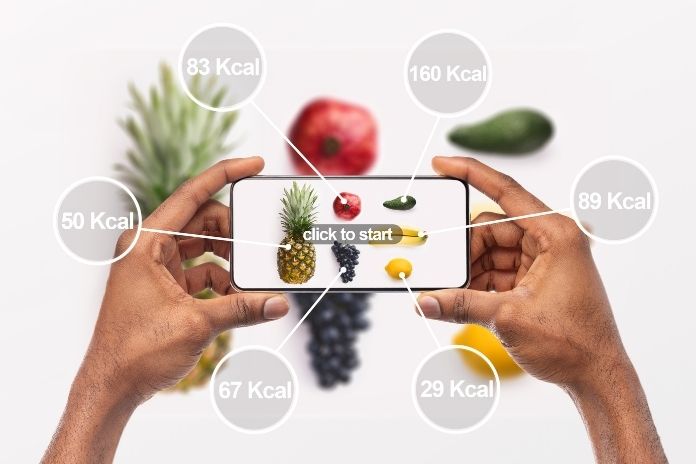
Intermittent fasting doesn’t replace a calorie deficit; it’s simply one of several ways people may achieve it. At the core of fat loss is energy balance: when your body uses more energy than it gets from food, it turns to stored fat.
Intermittent fasting can help some people reach this state more easily by limiting eating hours and reducing mindless snacking, but it doesn’t work automatically or independently of calories.
Others may find a traditional calorie deficit with regular meals more comfortable, especially if they prefer consistent energy levels or train frequently. Neither approach is superior on its own; what matters most is consistency, nutrition quality, and how well the method fits your lifestyle.
A plan that feels overly restrictive or stressful is unlikely to last, and lasting results come from habits you can maintain long term without harming your health or relationship with food.
Instead of chasing trends, focus on understanding your body, hunger cues, and daily routine. Choose the approach you can follow sustainably, adjust it as needed, and commit to progress, not perfection.
References
- Desk, D. (2025, May 20). Calorie deficit explained: The key to effective weight loss. Clinikally.
- Clinic, C. (2022, December 21). Calorie deficit: What to know. Cleveland Clinic.
- What is a calorie deficit? (2024, July 15). WebMD.
- Van Thomme, G. (n.d.). What’s a calorie deficit? MD Anderson Cancer Center.
- Mahajan, T. (2025, August 30). Intermittent fasting for fat loss: Does it really work? Protyze.
- To fast or not to fast. (2024, August 22). NIH News in Health.
- Intermittent fasting. (2024, September 18). WebMD.
- Narayana Health. (n.d.). Narayana Health.
- Harvard Health. (2023, April 23). 4 intermittent fasting side effects to watch out for.
- Dorling, J. L., Martin, C. K., & Redman, L. M. (2020). Calorie restriction for enhanced longevity: The role of novel dietary strategies in the present obesogenic environment. Ageing Research Reviews, 64, 101038.
- What is a calorie deficit? (2024b, July 15). WebMD.
- Calorie deficit – How? | Health and Wellbeing. (n.d.). Health and Wellbeing.
- Reshape. (n.d.). How to build a sustainable calorie deficit.
- Desk, T. L. (2025, April 4). Intermittent fasting or calorie deficit diet, which is better for weight loss? The Times of India.
- Harvard Health. (2023b, April 23). 4 intermittent fasting side effects to watch out for.
- Phifer, A., & Phifer, A. (2023, February 15). Is intermittent fasting right for you? Baylor College of Medicine Blog Network.
- Coates, H. (2023a, July 4). 3 reasons why intermittent fasting is better than cutting calories, according to an expert. Vogue.
- Pharmacy, A. (2025, September 19). Weight Loss: Intermittent Fasting vs Calorie Restriction. Apollo Pharmacy.
In this Article