











If you’ve been diagnosed with high cholesterol, you’re not alone—and you may be wondering if there’s a natural way to bring those numbers down. The good news? Yes, there are proven, natural methods to reduce cholesterol and support heart health without relying solely on medication.
However, don’t fall for quick fixes. Managing high cholesterol is more about sustainable lifestyle changes and dietary habits than magic pills or trendy diets. Backed by science and simple to follow, this guide explores evidence-based methods to help you reduce cholesterol naturally and improve your overall well-being.
Before making any adjustments, speak with your healthcare professional so these recommendations can be adapted to meet your individual needs.
Read More: Daily Supplements for Heart Health: Vitamins and Minerals to Manage Cholesterol
What Is Cholesterol, and How Does It Affect Heart Health?
Cholesterol is a waxy, fatty substance present in all the cells of your body. Although it tends to receive an unfavorable reputation, cholesterol itself is necessary for your well-being. Your body uses it to build cell membranes, produce hormones such as estrogen and testosterone, and create vitamin D. It also plays a critical role in producing bile acids, which help your body digest fats.
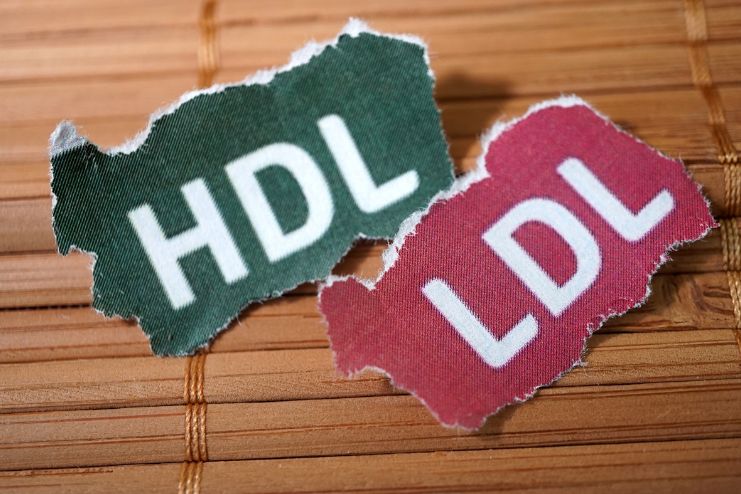
Here’s the key point: your body produces all the cholesterol it needs, primarily in the liver. When there’s excess cholesterol from your diet—particularly from saturated and trans fats—it can disrupt this balance and potentially harm your heart.There are two primary types of cholesterol transported in the bloodstream by particles known as lipoproteins:
LDL: The “Bad” Cholesterol
Low-Density Lipoprotein (LDL) is called “bad” cholesterol because it transports cholesterol from the liver to the arteries. Too much LDL causes cholesterol to begin depositing on arterial walls. Over time, these deposits—called plaque—narrow the arteries and make them less elastic. This condition is atherosclerosis, a leading cause of heart attacks and strokes.
The real danger is that these plaques may rupture, creating blood clots that can block blood flow to the heart or brain.
HDL: The “Good” Cholesterol
High-Density Lipoprotein (HDL) is considered “good” cholesterol. It works to transport excess cholesterol from the bloodstream back to the liver, where it can be processed and eliminated from the body. Higher levels of HDL are associated with a reduced risk of heart disease.
Read More: Cooking for Heart Health: Delicious Recipes to Lower Cholesterol
The Connection Between Cholesterol and Heart Health
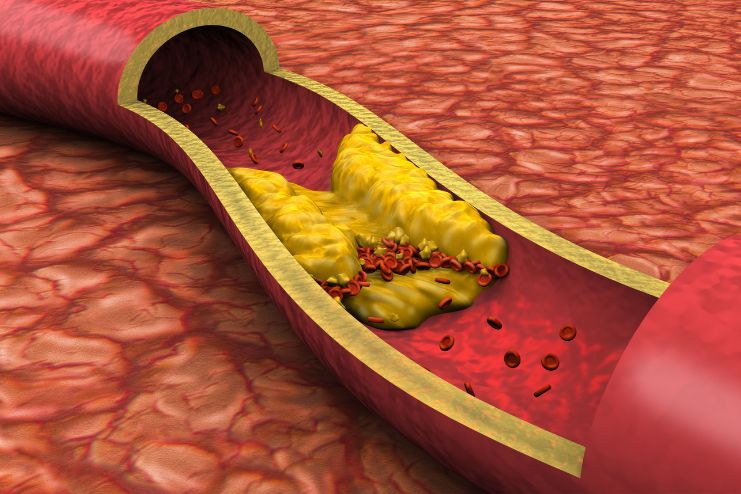
When your cholesterol levels are too high—especially LDL—it harms your cardiovascular system. You may experience no symptoms for years, but cholesterol plaque quietly builds up within your arteries. This increases your risk of:
- Coronary artery disease (narrowed heart arteries)
- Heart attacks
- Strokes
- Peripheral artery disease
The key to heart health is achieving the right balance: keeping LDL low and HDL high. This balance isn’t determined solely by genetics but by your diet, activity level, and lifestyle choices.
If you’re looking to protect your heart naturally, managing cholesterol is one of the best places to start.
How to Lower Your High Cholesterol Naturally
Reducing high cholesterol naturally involves making strategic dietary choices and implementing certain lifestyle changes. Here’s a comprehensive approach:
Dietary Strategies for Cholesterol Management
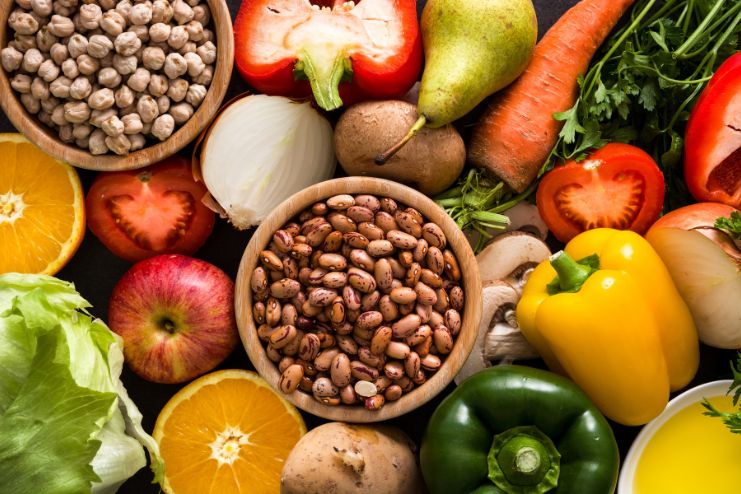
Food can either fuel the problem or be part of the solution. Several studies confirm that a heart-healthy diet can substantially reduce cholesterol levels. The American Heart Association and other experts recommend replacing saturated and trans fats with healthier fats and increasing intake of fiber-rich plant foods.
Here are evidence-supported dietary changes that promote cholesterol reduction:
- Replace Red and Processed Meat: Substitute plant-based protein sources (lentils, beans), whole grains, and fatty fish. According to a 2020 JAMA Internal Medicine study, replacing red meat with plant-based protein sources reduced LDL cholesterol and promoted better heart health.
- Increase Fruits and Vegetables: Aim for at least 5 servings daily. They contain soluble fiber, which binds cholesterol in the digestive tract and helps eliminate it from the body. Research published in Nutrients shows that soluble fiber can lower LDL cholesterolby up to 10%.
- Choose Healthy Fats: Instead of butter, use oils such as olive, sunflower, or canola oil. These contain high levels of monounsaturated and polyunsaturated fats that can increase HDL (“good” cholesterol) while decreasing LDL.
- Avoid Processed and Fried Foods: Choose grilled, steamed, or baked preparations instead.
- Make Smart Snack Choices: Replace cookies or chips with unsalted nuts such as almonds, walnuts, or pistachios. A 2022 Circulation meta-analysis confirmed that nut consumption is linked to lower LDL levels and better heart outcomes.
Top Foods That Help Lower Cholesterol
- Avocado: Avocados are rich in monounsaturated fatty acids, which have been shown to decrease LDL and increase HDL. A 2019 clinical trial in the Journal of Nutrition found that daily consumption of one avocado significantly lowered LDL cholesterol among overweight adults. They’re also high in potassium and magnesium, which help regulate blood pressure and reduce cardiovascular disease risk.
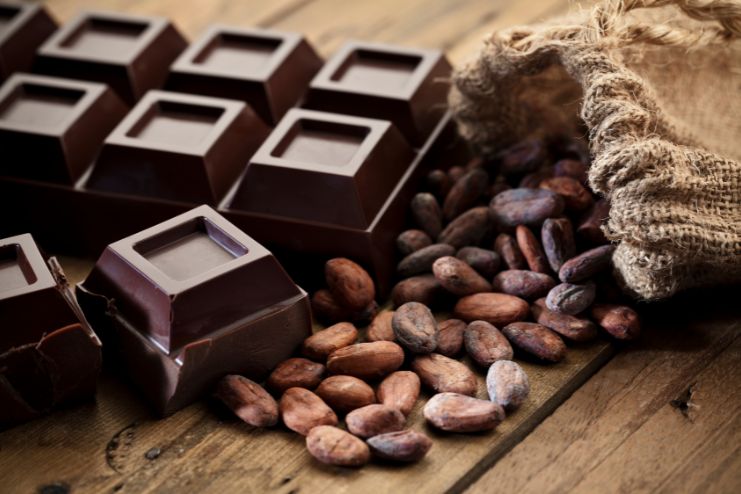
- Dark Chocolate: Yes, you can enjoy chocolate, but choose the right type. Dark chocolate with 70% or higher cocoa content contains antioxidants called flavonoids. These compounds lower LDL cholesterol and have anti-inflammatory effects, according to a 2021 review in Antioxidants. Limit consumption to 1–2 small pieces, 2–3 times per week.
- Nuts: Nuts such as walnuts, almonds, and hazelnuts contain high amounts of unsaturated fats, fiber, and plant sterols—all proven to reduce LDL and improve blood lipid profiles. Studies show that consuming 30–60 grams of nuts per day significantly reduces total cholesterol, LDL, and triglycerides without affecting weight.
Read More: Cholesterol Testing: What to Expect and When to Get Checked
Lifestyle Changes for Natural Cholesterol Management

Diet is only half the equation. Your daily habits and activity levels also play a major role in managing cholesterol and protecting your heart.
1. Quit Smoking
Smoking lowers HDL cholesterol and damages arteries, making it easier for LDL cholesterol to stick to arterial walls. According to the American Heart Association, quitting smoking can improve HDL cholesterol within 20 minutes and reduce your long-term risk of heart disease.
2. Maintain a Healthy Weight
Obesity and abdominal fat are closely associated with high cholesterol. Research shows that losing as little as 5–10% of body weight can significantly lower LDL and triglycerides while boosting HDL.
Start with small, sustainable steps—monitor your portions, reduce sweetened beverages, and focus on portion control.
3. Exercise Regularly
Regular physical activity increases HDL cholesterol and aids in weight management. The CDC recommends at least 150 minutes of moderate-intensity aerobic activity each week, such as brisk walking, cycling, or swimming. Even short periods of activity (like 10-minute walks after meals) can be beneficial.
4. Limit Saturated Fat Intake
The American Heart Association recommends keeping saturated fat consumption under 6% of your daily total calories. Replace butter, lard, and full-fat dairy products with healthier alternatives such as:
- Olive oil or canola oil
- Avocado
- Fatty fish such as salmon or sardines
This simple substitution can lower LDL without eliminating the healthy fats your body needs.
Final Thoughts
Cholesterol isn’t the enemy—it’s all about balance. The goal isn’t to completely eliminate cholesterol but to maintain healthy LDL levels while supporting your body’s natural processes.
Through proper diet, regular exercise, and smart lifestyle modifications, you can manage cholesterol naturally and effectively. Let this be your starting point, but always combine these strategies with regular checkups and guidance from your healthcare provider. Your heart—and your future—deserve this investment in your health.
References
- https://www.heart.org/en/healthy-living/healthy-eating/eat-smart/fats/saturated-fats
- https://www.cdc.gov/physical-activity-basics/adding-adults/what-counts.html
- https://pmc.ncbi.nlm.nih.gov/articles/PMC3120182/
- https://pmc.ncbi.nlm.nih.gov/articles/PMC9654660/
- https://www.sciencedirect.com/science/article/pii/S0022316622020326
- https://www.heart.org/en/healthy-living/healthy-eating/eat-smart/fats/saturated-fats
- https://www.bmj.com/content/371/bmj.m4141
- https://pubmed.ncbi.nlm.nih.gov/9925120/
In this Article