









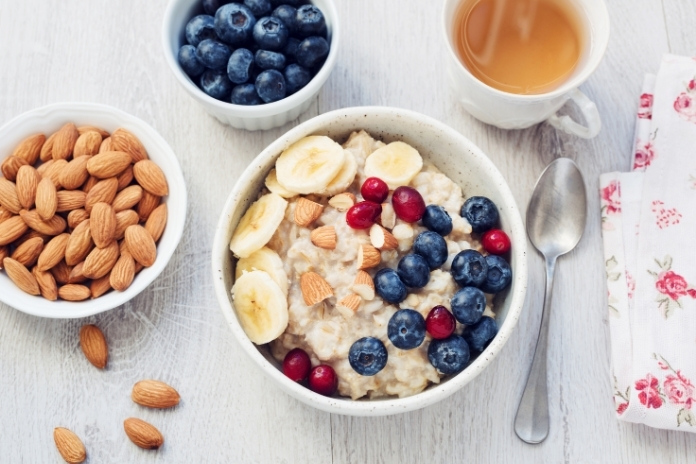
Oatmeal has long been celebrated as a wholesome, heart-healthy breakfast, and for good reason.
It’s rich in soluble fiber, particularly beta-glucan, which supports digestion, helps lower cholesterol, and provides a steady source of energy.
For people living with diabetes, these qualities can be especially valuable, as slow-digesting carbohydrates help stabilize blood sugar levels and reduce sharp spikes after meals.
But here’s the thing: not every bowl of oatmeal is equally beneficial.
In this guide, we’ll walk through the best oats to choose, smart topping ideas, and the common mistakes to avoid so you can enjoy oatmeal in a way that’s both delicious and supportive of your health.
Is Oatmeal Good for Diabetes?
Yes, oatmeal can be beneficial for individuals with diabetes, primarily because it contains beta-glucan, a type of soluble fiber. Beta-glucan has been shown to slow glucose absorption, leading to improved blood sugar control.
A study published in the Journal of the American College of Nutrition found that consuming oats and oat beta-glucan resulted in small improvements in fasting glucose levels and postprandial glucose levels in adults with type 2 diabetes.
Beyond blood sugar control, the soluble fiber in oats helps lower LDL cholesterol, supporting heart health, a critical consideration for individuals with diabetes. Additionally, high-fiber foods promote satiety, making it easier to manage overall caloric intake. Oats also support gut health by feeding beneficial gut bacteria.
However, there are potential risks. Instant oats often have a higher glycemic index (GI) than steel-cut or rolled oats, meaning they can cause quicker blood sugar spikes. Adding sugar-laden toppings, honey, or large portions of dried fruit can also undermine the benefits.
Choosing the Right Base: Types of Oats
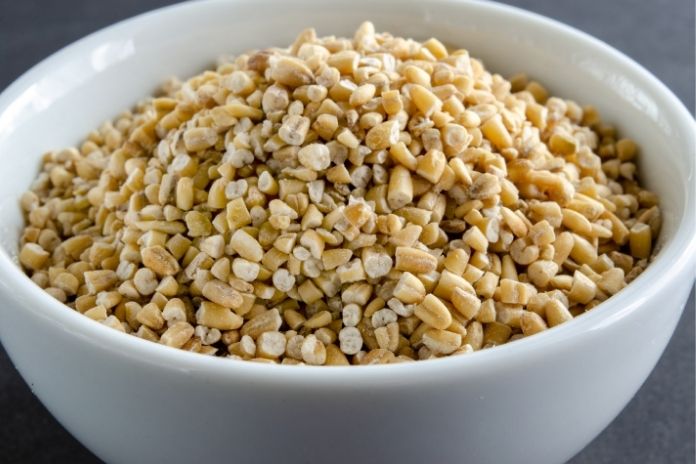
The kind of oats you choose makes a big difference. Steel-cut and old-fashioned rolled oats, for example, tend to have a lower glycemic impact compared to quick oats or instant flavored packets, which are often heavily processed and loaded with added sugars.
- Steel-cut oats: These are whole oat groats that have been chopped into small pieces. They take longer to digest, resulting in a low glycemic index of approximately 42, which makes them ideal for blood sugar control. Their firm texture also provides a satisfying chew.
- Rolled oats, also known as old-fashioned oats, are steamed and flattened oat groats. They have a moderate GI (~55) and are still suitable for diabetes-friendly meals. They cook faster than steel-cut oats, making them convenient without sacrificing too much nutritional value.
- Instant oats: Pre-cooked and often finely processed, instant oats have a higher GI (~79), which means they can elevate blood sugar quickly. They are best avoided or consumed in very controlled portions, preferably plain and paired with fiber and protein.
Read More: Steel-Cut vs. Rolled Oats: Which One Is Healthier and Better for You?
Toppings That Make Oatmeal Diabetes-Friendly

Choosing the right toppings transforms oatmeal from a basic carbohydrate dish into a balanced, blood sugar-friendly meal. Here’s how to enhance your bowl:
A. Add Protein
Adding protein to oatmeal slows digestion and improves satiety. High-protein options include Greek yogurt, cottage cheese, nut butters, and protein powders.
Participants in a study were given whey protein before or with a high-carbohydrate meal in diet-controlled type 2 diabetic patients. The result: a substantial reduction in postprandial blood sugar spikes. The mechanism involved slowing gastric emptying and stimulating gut hormones.
A tablespoon of almond butter or a scoop of whey protein in your oats can stabilize blood sugar and keep you full until your next meal. Protein also supports muscle maintenance, which is especially important for diabetics, as muscle tissue helps utilize glucose more efficiently.
B. Add Healthy Fats
Healthy fats further slow carbohydrate absorption and provide essential nutrients. Chia seeds, flaxseeds, walnuts, and almonds are excellent choices. They supply omega-3 fatty acids, which support heart health, and fiber, which contributes to gut and glucose management.
For example, sprinkling one tablespoon of chia seeds into oatmeal provides about 5 grams of fiber and 2 grams of protein. A handful of walnuts not only adds texture but also supplies heart-protective fats that research has linked to improved glycemic control.
“Incorporating healthy fats such as chia, flax, walnuts, or almonds with carbohydrates helps slow the rate of glucose absorption, which can blunt post-prandial blood sugar spikes. This is a simple but powerful tool in glycemic management.” – Dr. Dariush Mozaffarian, cardiologist and nutrition researcher
C. Choose Low-GI Fruits
Fruits are nutritious but can vary in their effect on blood sugar. Stick to low-GI options like berries, apples, and pears. These fruits are high in fiber and antioxidants, supporting both glucose regulation and overall health.
Conversely, large portions of bananas, mangoes, or dried fruits can cause spikes due to higher sugar content. Pairing low-GI fruits with protein and healthy fats further mitigates glucose fluctuations.
D. Sweeten Smartly
Instead of sugar or honey, enhance flavor with cinnamon, vanilla, or stevia. Cinnamon, in particular, has been studied for its potential to improve insulin sensitivity. A 2003 study in Diabetes Care suggested that cinnamon can modestly lower fasting blood glucose in people with type 2 diabetes.
Diabetes-Friendly Oatmeal Recipes
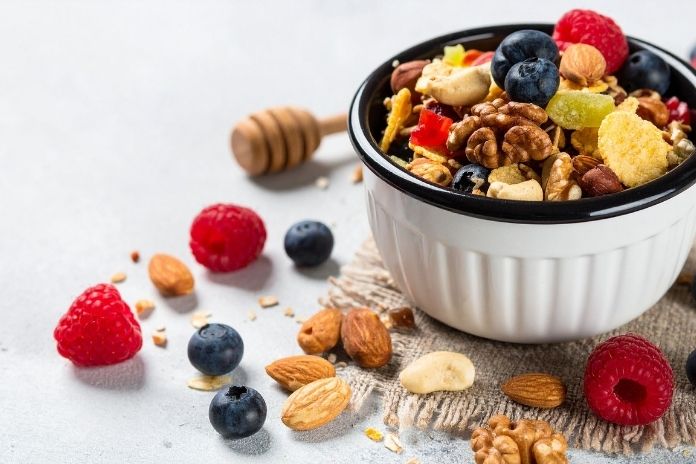
Here are a few recipes to make oatmeal both nutritious and diabetes-friendly:
A. Berry Nut Power Bowl
- Base: Steel-cut oats
- Toppings: ½ cup blueberries, 10 walnut halves, 1 tablespoon chia seeds.
- Instructions: Cook steel-cut oats in water or unsweetened almond milk. Stir in chia seeds, top with berries and walnuts.
This recipe combines low-GI oats, protein, fiber, and healthy fats to stabilize blood sugar and provide long-lasting energy.
B. Savory Spinach & Egg Oatmeal
- Base: Rolled oats
- Toppings: Sautéed spinach, one poached egg, ¼ avocado.
- Instructions: Cook oats in water. Sauté spinach lightly in olive oil, place on top of oats, add a poached egg, and avocado slices. Season with pepper.
Savory oatmeal is a great way to increase protein and healthy fat intake while keeping carbohydrate load moderate. This approach is particularly useful for those who want a filling, low-sugar breakfast alternative.
C. Cinnamon Protein Overnight Oats
- Base: Rolled oats
- Toppings: Unsweetened almond milk, 1 scoop protein powder, ¼ teaspoon cinnamon
- Instructions: Combine all ingredients in a jar, refrigerate overnight. Stir before serving.
This make-ahead option is convenient for busy mornings and balances carbs with protein and fiber to prevent blood sugar spikes.
Read More: Gut-Friendly Overnight Oats with Berries: A Probiotic Breakfast
Common Mistakes to Avoid
Even when you choose healthy oats, certain mistakes can undermine their benefits:
- Using instant oats with added sugar – quick-digesting carbs can spike glucose.
- Adding too much dried fruit or honey increases the sugar load.
- Skipping protein or fat reduces satiety and allows rapid glucose absorption.
- Oversized portions – even healthy oats can overwhelm blood sugar if eaten in large quantities.
“The truth is that the size of the portion is what makes a big difference … Large portions of anything, even fruit, can potentially increase blood sugar levels.” – Kelly O’Connor, RD, LDN, CDE, Diabetes & Nutrition Center at Northwest Hospital.
Conclusion
Oatmeal can absolutely be a diabetes-friendly breakfast, but the secret lies in how you prepare it.
Choosing less processed options like steel-cut or rolled oats provides a slower energy release, while pairing them with protein, healthy fats, and fiber-rich toppings helps keep blood sugar levels steady. Swapping sugar for natural flavor enhancers, like cinnamon, nutmeg, vanilla, or fresh berries, lets you enjoy sweetness without the spike.
The beauty of oatmeal is its versatility. It doesn’t always have to be sweet; savory bowls with spinach, eggs, or avocado can be just as satisfying and even more nutrient-dense.
Overnight oats are another great option if you’re short on time, offering both convenience and consistency in your routine. No matter which variation you choose, keeping portions reasonable and aiming for balance on your plate will make the biggest difference.
At the end of the day, oatmeal isn’t just about managing diabetes; it’s about creating a breakfast that fuels your body, keeps you full, and supports your long-term health.
With the right choices, every bowl can be a step toward better energy, improved blood sugar control, and a more enjoyable morning ritual. And if you’re unsure what works best for your needs, working with a registered dietitian or diabetes educator can help tailor it to you.
Frequently Asked Questions (FAQs)
How often can a diabetic eat oatmeal?
People with diabetes can include oatmeal several times a week, sometimes even daily, depending on their overall meal plan and blood sugar response. The key is portion control, usually about half a cup of dry oats per serving. What matters more than frequency is balancing it with protein and healthy fats, and being mindful of toppings that could add excess sugar or carbs.
Are overnight oats safe for diabetes?
Overnight oats can be a safe and convenient option for diabetes when prepared the right way. Use steel-cut or rolled oats instead of instant, and mix them with unsweetened milk or Greek yogurt for protein. Adding chia seeds, nuts, or berries helps improve the fiber and fat content, which slows down digestion and stabilizes blood sugar. The main thing to avoid is sweetened yogurts, flavored milks, or large amounts of honey or syrup.
What’s better: oatmeal or cereal for diabetes?
Between oatmeal and most boxed cereals, oatmeal is usually the better choice for people with diabetes. Steel-cut and rolled oats have a lower glycemic index and provide steady energy without sharp glucose spikes. Many ready-to-eat cereals, even those labeled “healthy,” are often processed and loaded with added sugars, making them less ideal for blood sugar control. Oatmeal also gives you more flexibility to add nutrient-dense toppings that support balanced nutrition.
References
- https://www.medicalnewstoday.com/articles/311409
- https://www.everydayhealth.com/type-2-diabetes/best-oatmeal-type-2-diabetes
- https://pmc.ncbi.nlm.nih.gov/articles/PMC8625765
- https://www.sciencedirect.com/science/article/pii/S1756464622002262
- https://m.youtube.com/watch?v=2zrGFFTbhEc&pp=ygUJI3N1Z2VycmVk
- https://www.webmd.com/diet/health-benefits-steel-cut-oats
- https://www.milkandhoneynutrition.com/is-oatmeal-good-for-diabetes
- https://www.goodrx.com/conditions/diabetes/is-oatmeal-good-for-diabetics
- https://www.milkandhoneynutrition.com/is-oatmeal-good-for-diabetes
- https://resources.healthgrades.com/right-care/diabetes/is-oatmeal-good-for-diabetics
- https://www.apollo247.com/blog/article/oats-and-diabetes-a-nutritious-path-to-better-blood-sugar-control
- https://www.sugarfit.com/blog/are-oats-good-for-diabetes
- https://www.facebook.com/HangryWoman/videos/can-people-with-diabetes-eat-oatmeal/216169893405673
- https://www.withpower.com/guides/the-science-behind-is-oatmeal-good-for-diabetics
- https://www.tasteofhome.com/article/is-oatmeal-good-for-diabetics
- http://www.fnbnews.com/Top-News/oatmeal–diabetes-dos–donts-to-ensure-correct-consumption-65612
- https://www.lybrate.com/topic/oats-for-diabetes/50de7552c87a5fbe15e1fdc03e3c8e67
- https://share.upmc.com/2023/04/health-benefits-of-oatmeal
In this Article