










Your eyes are among the most delicate and vital organs in your body, making their health a top priority. Even minor eye problems can cause significant discomfort, and some conditions can impair vision. A stye is a common but painful condition that affects many people.
While a stye typically resolves on its own, it can be bothersome and sometimes quite painful. Fortunately, various home remedies and treatments are available to help reduce healing time and provide relief. This article will guide you through the causes, symptoms, treatment, and prevention of styes to keep your eyes healthy and comfortable.
What is a Stye on the Eye?
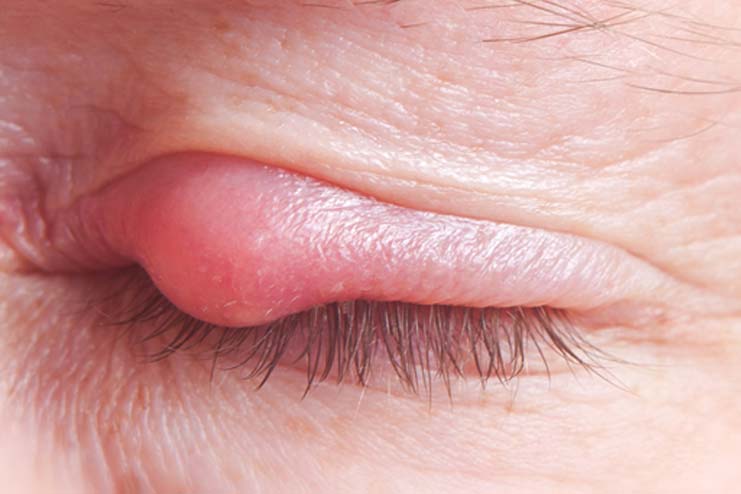
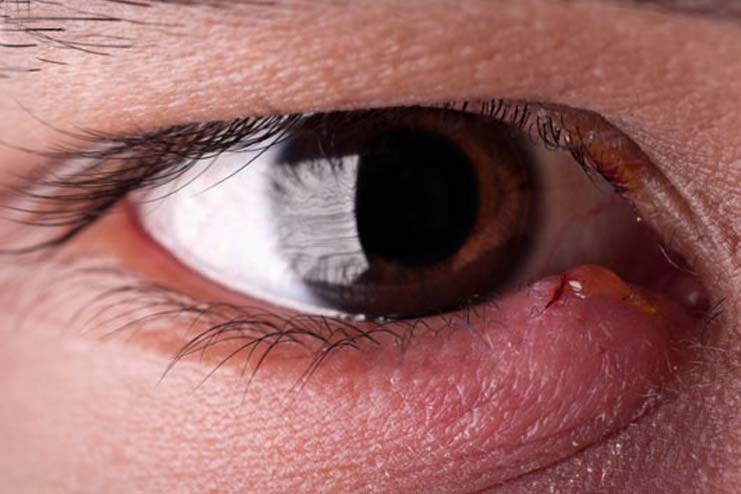
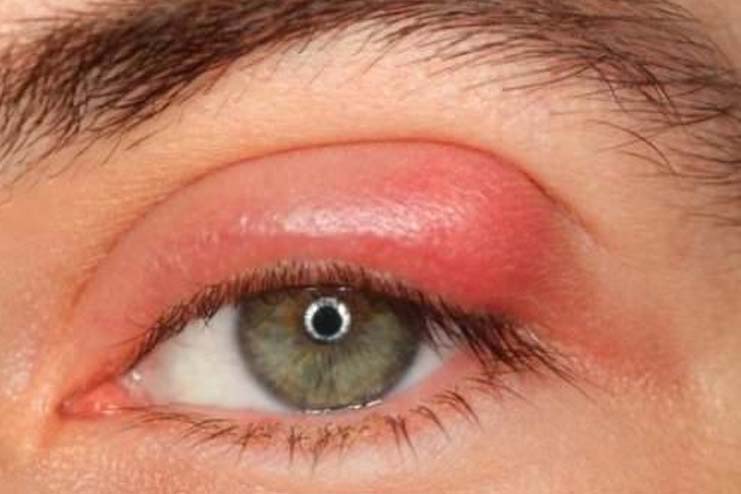
A stye is a red, painful bump that appears along the eyelid margin, often resembling a small pimple. It’s caused by a bacterial infection, typically from Staphylococcus bacteria, which leads to inflammation of the oil glands in the eyelid. While generally harmless, styes can be uncomfortable, swollen, and tender to the touch.
Sometimes a stye is confused with a chalazion, which also appears as a lump on the eyelid due to blocked oil glands. However, unlike styes, chalazions are usually painless and may take longer to resolve. Both conditions can be managed with similar approaches, including warm compresses and proper eyelid hygiene.
Also, Read: Dry Eyes: 10 Best Eye Drops; Causes, Symptoms, Treatment
What Causes a Stye on the Eyelids?
Several factors can contribute to the development of styes:
Primary Causes:
- Bacterial infection: Staphylococcus bacteria commonly infect the oil glands of the eyelid
- Blocked oil glands: Small glands beneath the eyelashes become clogged with dead skin cells, dirt, and excess oil
Contributing Factors:
- Poor eyelid hygiene: Allows bacteria and debris to accumulate
- Touching eyes with dirty hands: Transfers bacteria to the eyelids
- Contaminated eye makeup: Old or shared cosmetics can harbor harmful bacteria
- Poor contact lens hygiene: Improperly cleaned or stored lenses can trigger infections
- Chronic blepharitis: This eyelid inflammation increases the risk of stye formation
- Underlying health conditions: Diabetes or high stress levels can weaken immunity and make infections more likely
Symptoms of a Stye
A stye typically affects one eye and can cause varying degrees of discomfort. Common symptoms include:
- Pain and tenderness: The affected area becomes sensitive to touch
- Swelling and redness: The eyelid appears inflamed and puffy around the stye
- Excessive tearing: The eye produces more tears to flush out irritation
- Crusting: Yellow discharge may form, especially noticeable in the morning
- Itching or burning sensation: General discomfort and irritation of the eyelid
- Visible bump: A small, pus-filled lump appears near the lash line or inside the eyelid
Symptoms can range from mild discomfort to more severe pain, depending on the size and location of the stye.
What to Do About a Stye?
 Most styes heal naturally within a few days to a week. Here’s how to manage them properly:
Immediate Care:
- Take over-the-counter pain relievers: Ibuprofen or acetaminophen can help reduce discomfort and inflammation
- Never squeeze or pop the stye: This can spread the infection and worsen inflammation
When to Seek Medical Attention: Consult a doctor if the stye is:
- Persistent (lasting more than a week)
- Severely painful
- Affecting your vision
- Accompanied by fever or spreading redness
Medical Treatment: If necessary, a doctor may prescribe:
- Antibiotic ointments or eye drops for bacterial infections
- Oral antibiotics for severe cases
- Professional drainage in rare instances
Avoid self-treating with unprescribed medications, as some can irritate the eye or cause complications.
How to Treat a Stye at Home
 A few treatments may hasten the healing process of styes and lessen some discomfort. Here are some of the methods on how to treat a stye:
1. Warm Compress
This is the most effective home treatment for styes.
Method:
- Soak a clean washcloth in warm (not hot) water
- Wring out excess water
- Gently press against the affected eye for 5-10 minutes
- Repeat 3-4 times daily
- The warmth helps dissolve pus and oil, promoting natural drainage
2. Maintain Proper Eyelid Hygiene
Good hygiene removes irritants and prevents further infection.
Method:
- Use tear-free baby shampoo diluted with warm water or a saline solution
- Dip a cotton swab in the solution
- Gently clean the eyelid and lash line
- Continue this routine until the stye heals completely
3. Gentle Eyelid Massage
Light massage can encourage natural drainage.
Method:
- Wash your hands thoroughly
- Using clean fingertips, very gently massage the area around the stye
- Stop immediately if pain increases or irritation worsens
- Avoid touching the eye directly
4. Avoid Irritants
Certain items can worsen styes and delay healing.
What to Avoid:
- Contact lenses (use glasses until healed)
- Eye makeup and cosmetics
- Touching or rubbing the affected eye
Before Resuming Use:
- Thoroughly clean and disinfect contact lenses
- Replace old eye makeup to prevent reinfection
Home Remedies for Stye on the Eye
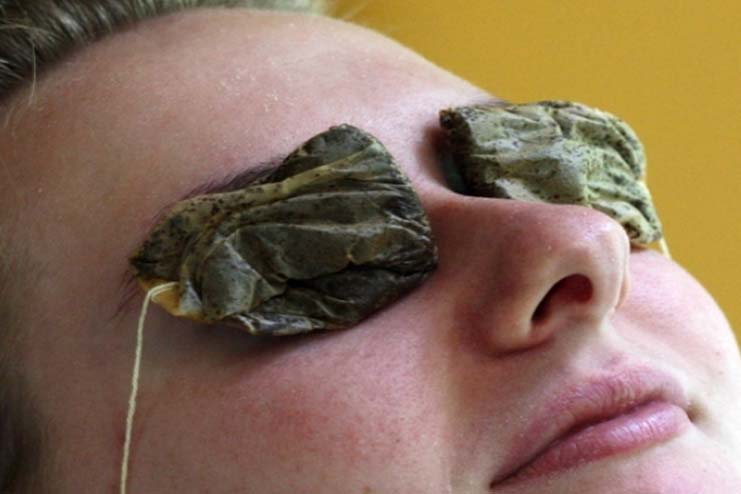 Several natural remedies may help reduce pain, swelling, and infection:
1. Turmeric
Turmeric is a strong anti-inflammatory and antibacterial herb used to treat most infections effective against styes (R), too.
Method:
- Add 2 teaspoons turmeric powder to 1 cup boiling water
- Simmer until liquid reduces by half
- Strain multiple times to remove all particles
- Use as eye drops 2-3 times daily (ensure solution is completely particle-free)
Also, Read: How to Treat Skin Boils with Turmeric
2. Mint Leaves
Mint leaves have calming and antibacterial properties (R) which help in reducing swelling and pains.
- Crush a few fresh mint leaves to release juice.
- Apply the crushed leaves as a poultice on the stye.
- Leave it for 5 minutes and wash it off with water.
3. Calendula
Calendula has natural antiseptic properties (R) that help calm inflammation and combat infection.
- Mix a tablespoon of dried calendula petals with warm water.
- Strain and discard the petals. Use this liquid as an eye rinse.
- This should be done 3 times daily for best results.
4. Acacia Leaves
Acacia leaves help ease pain and inflammation of the stye (R).
- Put a handful of acacia leaves in a cup of boiling water.
- Cover and allow to cool.
- Once cool, dip a clean cloth in the solution and apply it as a warm compress to the affected eye for about 10 minutes.
5. Coriander Leaves
Being rich in antibacterial properties, coriander leaves can help curb infections (R).
- Boil a few fresh coriander leaves in ½ cup water for 3–5 minutes.
- Cover and allow to cool.
- Strain and use the water to wash your eyes.
6. Parsley
Parsley helps draw out impurities and calms irritation (R).
- Pour boiling water over fresh parsley leaves and let steep for 10 minutes.
- Dip a clean cloth in this solution and place it over the affected eye for 10 to 15 minutes.
- You can repeat this application before bed for relief.
Also, Read: 20 Health Benefits of Parsley – Lead A Healthier Life!
7. Cucumber
Cucumber has cooling and anti-inflammatory properties (R) that help relieve pain and swelling.
Method:
- Place thin cucumber slices on the affected eyelid
- Leave for 10-15 minutes
- Tomato slices can be used as an alternative
Important Note: While these remedies may provide relief, consult a healthcare provider if symptoms persist or worsen.
Such home remedies can aid in the natural treatment of the stye. If the stye does occur, you should consult a physician for medical intervention if it lasts or begins to worsen.
Is Stye Contagious?
Generally speaking, styes are not contagious and cannot be transferred from person to person under normal circumstances. You don’t have to avoid people if you have a stye.
However, since the condition is bacterial, there is a possibility that it could spread if someone else uses your pillowcase, especially if there is discharge on it. Therefore, make sure to wash any contaminated bed linens and avoid sharing pillows. Additionally, wash your hands thoroughly, especially after cleaning your eyes or touching your face.
How to Prevent a Stye on the Eye?
Prevention is key to avoiding recurrent styes. Follow these guidelines:
Personal Hygiene
- Wash hands frequently: Always clean hands before touching your face or eyes
- Clean eyelids regularly: Use warm water and mild soap to remove debris and excess oil
- Remove makeup nightly: Thoroughly cleanse all eye makeup before bed to prevent clogged pores
Avoid Contamination
- Don’t share personal items: Keep towels, pillowcases, and eye makeup separate from others
- Replace makeup regularly: Discard old cosmetics, especially mascara and eyeliner
- Maintain contact lens hygiene: Follow proper cleaning and storage procedures
General Eye Care
- Avoid rubbing your eyes: This can introduce bacteria and cause irritation
- Manage underlying conditions: Treat blepharitis or other eye conditions promptly
- Maintain overall health: Good nutrition and stress management support immune function
Conclusion
A stye, while uncomfortable, is typically a minor condition that resolves within 7-10 days with proper care. The key to successful treatment lies in gentle, consistent care using warm compresses and maintaining excellent hygiene. Most styes can be effectively managed at home, but don’t hesitate to seek medical attention if symptoms persist, worsen, or affect your vision.
Recurrent styes may indicate underlying conditions such as blepharitis or other eyelid disorders that require professional evaluation. By following proper prevention strategies and treating styes promptly when they occur, you can minimize discomfort and reduce the likelihood of future occurrences, keeping your eyes healthy and comfortable.
References
- https://my.clevelandclinic.org/health/diseases/17658-stye
- https://drmcdevitteyecare.com/articles/default/614229-what-is-a-stye-and-how-do-you-treat-them
- https://www.mayoclinic.org/diseases-conditions/sty/diagnosis-treatment/drc-20378022
- https://stanfordhealthcare.org/medical-conditions/eyes-and-vision/chalazion-stye/treatments.html
- https://www.westbocaeyecenter.com/post/how-contagious-are-styes
- https://www.optometrists.org/general-practice-optometry/guide-to-eye-conditions/dry-eye/eyelid-conditions/what-is-a-stye/
In this Article