











You don’t have to live in smoke to breathe its harms. If someone in your household smokes, you can take concrete, evidence-backed steps to cut exposure, protect kids and vulnerable people, and limit the residue that sticks to surfaces and clothing. Below is a practical plan, what works, what doesn’t, and how to have the conversation without starting a war.
Secondhand smoke causes real disease. It’s linked to heart attacks, stroke, lung cancer, and repeated respiratory infections in children. Even brief exposure affects the heart and blood vessels; there’s no safe level. That sounds stark because it is, but it also gives us a clear priority: stop indoor smoking and reduce contact with contaminated air and surfaces.
This guide lays out physician-and public-health-backed steps you can use immediately: rules for the home, air-quality fixes that actually move the needle, clothing and cleaning actions to lower residue, practical protection when you can’t avoid exposure, and how to ask a loved one to smoke less or quit.
Why Secondhand Smoke Is So Dangerous
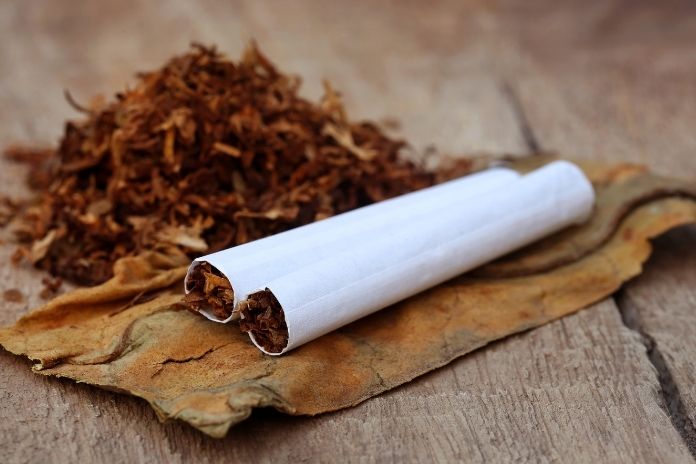
Tobacco smoke isn’t just unpleasant; it’s biologically active and toxic. Each puff releases a mix of over 7,000 chemicals, including formaldehyde, benzene, arsenic, and heavy metals, with at least 70 confirmed carcinogens. These compounds exist in both gaseous form and ultrafine particles small enough to penetrate deep into the lungs and bloodstream.
For non-smokers, even brief exposure can damage the lining of blood vessels, trigger inflammation, and make the blood stickier, all of which raise the risk of heart attack and stroke. Long-term exposure increases the odds of lung cancer by up to 20–30% and coronary heart disease by roughly 25%.
Children are particularly vulnerable. Their lungs and immune systems are still developing, and they breathe faster than adults, taking in more toxins per body weight. Secondhand smoke exposure in kids has been linked to more frequent asthma attacks, respiratory infections, middle-ear inflammation, and, in infants, a higher risk of sudden infant death syndrome (SIDS).
Health authorities, including the CDC, WHO, and American Heart Association, agree on one simple fact: there’s no safe level of exposure. Ventilation, air purifiers, or separating smoking areas don’t eliminate risk; only 100% smoke-free environments can protect non-smokers.
Read More: Passive Smoking And Hypertension – What Study Suggests?
Understand the Three Types of Exposure
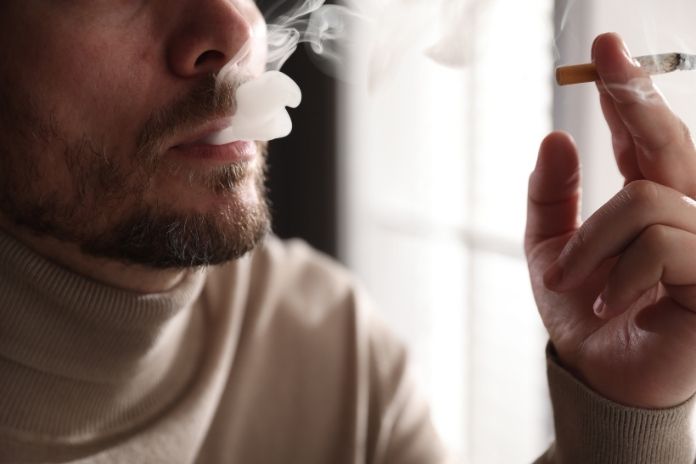
When people talk about “secondhand smoke,” they often mean any exposure to tobacco fumes, but scientists now distinguish three different types, each with unique risks and pathways. Knowing the difference helps explain why smoke lingers, how it harms even non-smokers, and why good ventilation or air fresheners don’t solve the problem. From the air you breathe to the surfaces you touch, smoke’s toxic footprint is broader and longer-lasting than most realize.
- Firsthand Smoke
This is the smoke a person inhales directly while smoking. It contains the full concentration of harmful chemicals produced by tobacco combustion, including nicotine, tar, carbon monoxide, and numerous carcinogens. The health effects are well known: lung cancer, chronic bronchitis, emphysema, and cardiovascular disease, but understanding this category helps set the baseline for how exposure harms the body.
- Secondhand Smoke
This is the type most concerning for non-smokers sharing indoor spaces. Secondhand smoke is a mix of two sources:
- Sidestream smoke from the burning tip of a cigarette, cigar, or pipe.
- Mainstream smoke is exhaled by the smoker.
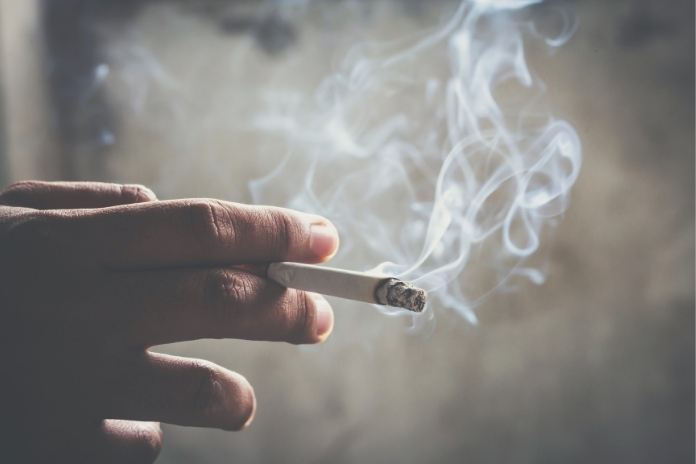
Together, these form a cloud containing fine particles and toxic gases that linger in the air long after visible smoke fades. Breathing it in, even for a short period, can irritate the airways, constrict blood vessels, and increase the risk of heart disease, stroke, and lung cancer. In children, secondhand exposure is linked to asthma attacks, ear infections, and impaired lung growth.
“From even the first cigarette, the chemicals in secondhand smoke begin damaging organs, especially the lungs, and those effects can compound over time.” – Dr. Roselyn Dean, MD.
- Thirdhand Smoke
This lesser-known but persistent threat refers to the residual contamination that settles onto walls, carpets, furniture, clothing, and hair. Even after a cigarette is extinguished, these residues stick around, combining with indoor pollutants (like nitrous acid) to form new toxic compounds over time. When touched, they can be absorbed through the skin or re-enter the air as dust particles, meaning someone who never smoked or breathed visible smoke can still be exposed.
Thirdhand smoke explains why smoke “follows” people from a smoky room into cars, classrooms, or even a baby’s nursery. That faint odor on clothing is more than just a smell; it’s a chemical trace that continues to pose health risks, especially for infants and people with respiratory issues.
Create a Smoke-Free Zone at Home (The Priority)
Make one rule: no smoking indoors, ever. This isn’t about judging smokers; it’s about protecting everyone who shares the air. Secondhand smoke lingers in walls, fabrics, and ventilation systems long after the cigarette is out. The only real protection is to keep smoking completely outside.
Practical Steps to Set and Keep the Rule
- Establish a designated outdoor area. Ask smokers to go outside, on the balcony, in the yard, or to a spot several meters from doors and windows. Explain that this boundary is meant to protect children, pregnant family members, and anyone with heart or lung conditions.
- Be consistent, no exceptions. Don’t allow “just this once” moments or make room-specific rules like “not in the bedroom.” Smoke travels easily through vents, cracks, and shared air systems. Total consistency keeps the home’s air genuinely clean.
- Make it easy to comply. Set up the outdoor spot thoughtfully: place an ashtray, a chair, a small mat, and a sealed container for cigarette butts. If the area is comfortable and practical, people are more likely to respect the rule instead of smoking near the doorway.
If You Live in Multiunit Housing
Encourage building-wide smoke-free policies; these are both legal and effective. For instance, the U.S. Department of Housing and Urban Development (HUD) requires smoke-free environments in all public housing. If your building doesn’t have a rule, maintain your household’s smoke-free zone consistently and communicate with neighbors or management to reduce smoke drift between units.
Improve Indoor Air Quality

(What Helps, and What Won’t Replace the No-Smoking Rule)
The cleanest air starts by removing the source of smoke. If that’s not possible yet, these steps can reduce, but not eliminate, exposure.
- Use a HEPA + Carbon Air Cleaner
Invest in a high-quality portable air purifier suited to the room size.
- HEPA filters trap fine particulate matter from smoke.
- Activated carbon filters absorb odors and many gases, including volatile organic compounds.
Run the unit continuously in the most-used rooms and replace filters as the manufacturer recommends. Even the best purifiers can’t remove every toxin, but they can significantly lower particle levels.
- Ventilate, But with Caution
Opening windows or using exhaust fans can help when smoking happens outside and your windows are on the opposite side of the building. However, ventilation does not remove toxic residue and can actually move smoke into other units in multiunit housing. Mechanical ventilation systems with high-efficiency filters (MERV 13 or higher) reduce particle spread, but they can’t make up for indoor smoking.
- Clean to Reduce Thirdhand Smoke Residue
Smoke chemicals cling to surfaces and fabrics, forming what’s known as thirdhand smoke.
To limit buildup:
- Vacuum often using a HEPA-equipped vacuum.
- Wet-mop hard floors.
- Wash curtains, bedding, and clothes exposed to smoke.
For older contamination, like yellowed walls or smoky carpets, professional steam cleaning or replacing soft furnishings may be needed. Carpets are notorious reservoirs for tobacco toxins. Still, cleaning only helps temporarily if smoking continues.
- Plants and Room Sprays: Don’t Rely on Them
Plants can freshen the air’s feel, and sprays might mask the smell, but neither removes harmful smoke particles or gases. They’re decorative, not protective. Real air quality improvement comes from source control and filtration.
Protect Yourself Physically
(Short-Term Measures When Exposure Is Unavoidable)
Sometimes you can’t control every environment, a shared apartment, a relative’s home, or a public space where someone still smokes. In those moments, the goal shifts from eliminating exposure to minimizing harm. Here’s how to protect yourself and those around you as best as possible.
- Create Distance: Avoid sharing indoor air while someone smokes. If smoking is happening nearby, step outside or move to a separate room and close the door. Even a few meters of distance and a solid barrier can significantly reduce how much smoke you inhale.
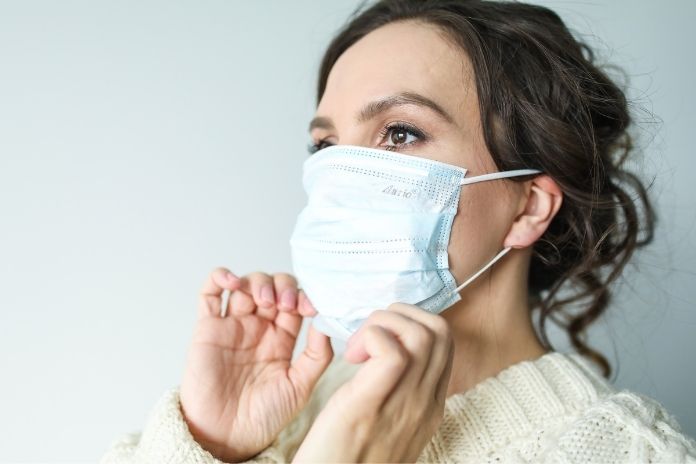
- Use Proper Respiratory Protection: For brief, unavoidable exposure, consider wearing an N95 or equivalent respirator. These masks filter smoke particles but do not block gases or volatile compounds, and only work if they fit well. Cloth or surgical masks, by comparison, offer little protection from smoke.
- Limit Thirdhand Transfer: Ask smokers to change smoky clothing and wash their hands and face before close contact with infants, elderly family members, or anyone with asthma or heart disease. Smoke residues cling to fabric, hair, and skin, and can be carried into otherwise clean spaces, so this small step really matters.
- Support Lung Health: Keep your body’s defenses strong: stay hydrated, get regular exercise, and eat plenty of fruits and vegetables. These habits won’t block toxins, but they support overall lung health and resilience.
Quick Safety Tips (snippet box)
- Make your home 100% smoke-free inside.
- If smoking occurs, insist it be done well outside and downwind of doors/windows.
- Run a HEPA air purifier with a carbon filter in living spaces.
- Seal gaps (door sweeps, weatherstripping) and clean soft furnishings weekly.
- If you experience coughing, chest pain, or repeated infections, see a clinician.
How to Talk to a Loved One Who Smokes
You’ll get farther with empathy than with blame. Try this structure: state the problem, say why it matters to you, propose quitting smoking, and offer help.
Examples: “I want to be direct. When smoking happens inside, I get headaches, and our baby coughs. Will you smoke outside from now on and use the ashtray on the balcony?” “I know quitting is hard. If you want to try, I can help find the quitline or pick up nicotine patches.”
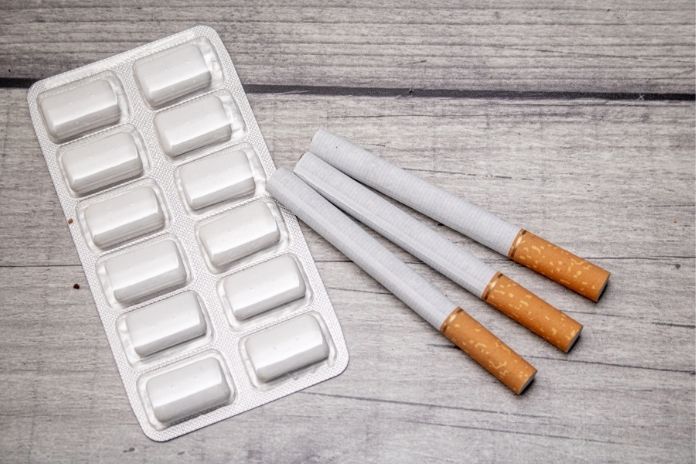
Offer Options: free quitlines, local cessation programs, nicotine replacement or medication (if they want it), and praise small wins. Evidence consistently shows that counseling plus medication raises quit success; being supportive raises the odds that someone will try. Avoid ultimatums unless you must protect health (for example, if a pregnant person or child is at immediate risk).
Read More: Want to Quit Smoking? Follow These Tips
When You Can’t Control the Environment (Apartments, Shared Housing)
Sometimes smoke seeps in even when you don’t allow it indoors, through vents, walls, or shared air systems. In multiunit housing, you can’t always control what neighbors do, but you can reduce how much secondhand smoke enters your space and push for healthier building policies. Here’s how:
- Seal Gaps: Install door sweeps, weatherstrip windows, and caulk cracks around pipes or outlets. These steps limit, but don’t fully block, smoke infiltration.
- Talk to Property Management: Request clear building-wide smoking policies or designated outdoor smoking zones away from air intakes and doorways. Many housing authorities already support smoke-free initiatives.
- Run Air Purifiers: Use HEPA + carbon air cleaners in bedrooms or main living areas, and keep doors closed to create low-exposure “clean rooms.”
- If Exposure Persists: When smoke continues to affect vulnerable individuals, infants, pregnant people, or anyone with heart or lung disease, document the issue, file a formal complaint, and reach out to tenant-rights or housing support organizations for help.
“When secondhand smoke penetrates your home through vents or cracks, it’s not just an annoyance; it begins to influence your cardiovascular and respiratory systems before you even see it.”, Dr. Brent Brown, Pulmonologist.
FAQs
Can air purifiers completely remove cigarette smoke?
No. HEPA filters remove tiny particles very effectively; activated carbon reduces many odors and some gases. But purifiers can’t remove all gases, and they won’t stop the chemical residues that settle on surfaces. Source control, no indoor smoking, is the only full solution.
What’s the difference between secondhand and thirdhand smoke?
Secondhand smoke is the airborne smoke you inhale when another person smokes. Thirdhand smoke is the sticky residue left on surfaces and fabrics that can later release harmful chemicals or be ingested/absorbed. Both matter; thirdhand smoke explains why contamination persists long after smoking stops.
How long does smoke stay in indoor air?
It depends on room size and ventilation. Real-world studies show peak fine-particle levels from smoking can take an hour or more to fall by half and several hours to return to low background levels, longer if ventilation is poor. That’s why a single cigarette inside can affect air quality for hours.
Can vaping cause secondhand exposure?
Yes, e-cigarette aerosol contains nicotine and other chemicals that expose bystanders. It’s different from tobacco smoke but not harmless; smoke-free rules often include vaping for that reason.
Closing: What to Prioritize Today
If you can’t tackle everything at once, focus on the steps that make the biggest difference. First, make your home completely smoke-free indoors, no exceptions. Even a single “smoking room” allows toxins to spread through vents, cracks, and shared air.
Second, set clear boundaries for smokers: they should go outside to smoke and change clothes or wash up before holding infants or getting close to anyone vulnerable. This simple routine drastically reduces secondhand and thirdhand exposure.
Third, improve your indoor environment, use a HEPA + carbon air purifier, and seal obvious gaps around doors and windows with weatherstripping or door sweeps. These actions together lower smoke particle levels and slow the buildup of toxic residue.
If the person who smokes is ready to quit, encourage them to connect with a quitline, clinician, or local support group. Research shows that combining medication with counseling nearly doubles success rates.
Finally, stay alert to warning signs. Persistent cough, chest pain, wheezing, or frequent infections in anyone at home deserve medical attention. When you visit a doctor, mention the smoke exposure; this context can guide a more accurate diagnosis and care.
Protecting your home air isn’t about policing habits; it’s about creating a space where everyone can breathe safely.
References
- https://my.clevelandclinic.org/health/articles/10644-secondhand-smoke-dangers
- https://www.cdc.gov/tobacco/secondhand-smoke/health.html
- https://www.ncbi.nlm.nih.gov/books/NBK44321
- https://www.nhsinform.scot/healthy-living/stopping-smoking/reasons-to-stop/dangers-of-second-hand-smoke
- https://en.wikipedia.org/wiki/Passive_smoking
- https://mgmcancerinstitute.in/blog/the-dangers-of-secondhand-smoke-and-how-to-avoid-them
- https://www.lung.org/quit-smoking/smoking-facts/health-effects/secondhand-smoke
- https://www.nature.com/articles/s41591-023-02743-4
- https://www.cancer.org/cancer/risk-prevention/tobacco/secondhand-smoke.html
- https://kidshealth.org/en/parents/secondhand-smoke.html
- https://www.emro.who.int/tfi/quit-now/secondhand-smoke-impacts-health.html
- https://www.healthychildren.org/English/health-issues/conditions/tobacco/Pages/Dangers-of-Secondhand-Smoke.aspx
- https://www.maxhealthcare.in/blogs/secondhand-smoke-risks-and-prevention
- https://www.healthcareradius.in/awareness-and-promotion/second-hand-smoke
- https://breatheclinicguwahati.com/blog-post?title=the-hidden-danger-of-second-hand-smoke-protect-your-loved-ones-today
- https://www.cancer.gov/about-cancer/causes-prevention/risk/substances/secondhand-smoke
- https://www.canada.ca/en/health-canada/services/smoking-tobacco/health-effects-smoking-second-hand-smoke/dangers-second-hand-smoke.html
- https://www.cdc.gov/tobacco/secondhand-smoke/index.html
In this Article