














Most people who get their first B12 injection do it for one of two reasons: they’re dealing with real deficiency symptoms like fatigue, numbness, or low mood, or they’ve heard that B12 shots can help with energy and overall wellness.
Either way, the same question always pops up the moment the initial boost wears off: How long does a B12 shot last?
The answer isn’t as simple as “a week” or “a month.” How long B12 stays in your system depends on the type of injection you get, the severity of your deficiency, your natural absorption capacity, your liver stores, and your overall health. Some people feel better for a few days, while others feel stable for several weeks.
Meanwhile, biologically, B12 remains in your body far longer than most people realize. This guide breaks down exactly how long a B12 shot lasts, in your bloodstream, in your liver, and in the benefits you feel, backed by research and explained in a way that actually makes sense.
Quick Answer: How Long Does a B12 Shot Last?
If you need the short version first, here it is:
- B12 stays in your bloodstream for 3–5 days.
- Your liver can store B12 for months to years.
- Symptom relief usually lasts anywhere from 1–2 weeks to several months, depending on deficiency severity, injection frequency, and your body’s ability to absorb and use B12.
A B12 shot’s biological duration isn’t the same as its symptom duration. The vitamin remains inside you far longer than the noticeable “effect.”
This article explains both in detail, because the search intent behind how long does a B12 shot last is really about both timelines.
Read More: Top 3 At-Home Vitamin Deficiency Tests for Better Wellness
How B12 Shots Work in Your Body
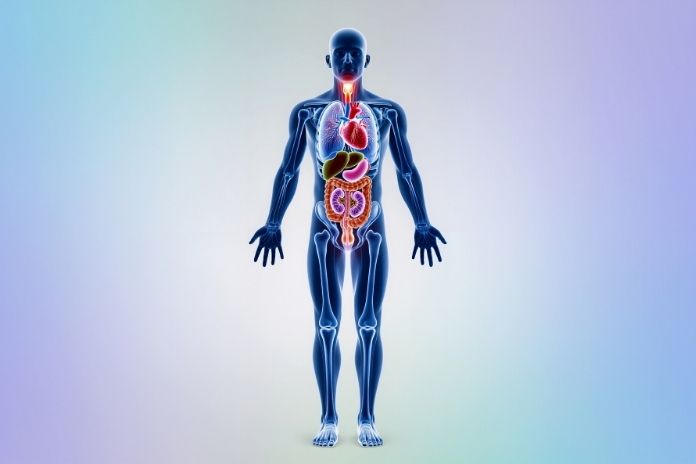
Vitamin B12 injections provide a fast and direct way to boost your B12 levels, bypassing the digestive system entirely. Normally, your body absorbs B12 through a complex process that relies on intrinsic factor, a protein produced in the stomach.
Without sufficient intrinsic factors, or if the digestive tract is compromised, dietary B12 from food or supplements may not be absorbed efficiently. B12 injections skip this barrier, delivering the vitamin straight into your bloodstream.
Here’s how they work, step by step:
- Direct bloodstream entry. Once injected, B12 bypasses the gut and enters the blood immediately, allowing rapid availability for the body’s cells.
- Cellular utilization. B12 travels to tissues where it supports essential functions:
- Energy production through the metabolism of fats and carbohydrates.
- Red blood cell formation helps prevent anemia.
- Nerve repair and maintenance, supporting proper neurological function.
- Storage in the liver. Excess B12 is stored in the liver for future use. The body can draw on these reserves during periods of low intake, ensuring a steady supply over time.
- Excretion of surplus. Because B12 is water-soluble, any amount the body doesn’t immediately need is eliminated through urine. This reduces the risk of toxicity, even at higher doses.
How Long B12 Stays in Your Bloodstream

Vitamin B12 injections cause a rapid rise in blood levels, peaking within about 24 hours and making the vitamin immediately available for energy production, red blood cell formation, and nerve support.
Research shows that after this quick spike, blood levels stay elevated for a couple of days before dropping. This decline doesn’t mean the vitamin is gone—it simply reflects what your body is doing with it: tissues absorb what they need, and the excess moves into long-term liver storage. Your body continues drawing on these reserves even as serum levels fall.
What this means in practice:
- Blood tests taken right after an injection can appear falsely high.
- Doctors usually wait at least a week to check B12 levels for an accurate reading.
- Liver storage extends the benefits well beyond the initial surge.
- Cellular processes like red blood cell production and nerve repair continue using the vitamin over time.
In short, B12 injections create a fast spike, but their effects last much longer thanks to tissue uptake and liver storage.
How Long B12 Is Stored in the Body
Vitamin B12 is unique among vitamins because your body can store it in large amounts, primarily in the liver.
Unlike water-soluble vitamins that are quickly excreted, B12 can remain in storage for years, providing a reserve that the body draws on as needed. For someone with normal B12 levels and adequate dietary intake, the liver can hold enough B12 to last 3–5 years.
However, storage capacity isn’t the same for everyone. Several factors can affect how quickly B12 is used or depleted:
- Pernicious anemia: People with this condition lack intrinsic factor, which is necessary for absorption, so they burn through stored B12 rapidly.
- Digestive disorders: Conditions like celiac disease, Crohn’s disease, or chronic gastritis interfere with absorption, reducing effective storage.
- Dietary restrictions: Long-term vegans who don’t supplement gradually deplete B12 reserves over several years.
- Aging: As intrinsic factor production declines with age, storage capacity and absorption efficiency decrease.
This is why B12 supplementation schedules vary. Some people may need injections only every few months, while others with absorption issues may require weekly or even more frequent doses. Understanding your personal risk factors can help determine the most effective dosing strategy.
How Long Do the Effects of a B12 Shot Last
This is the question most people care about: how long do you actually feel the benefits of a B12 injection? The answer varies depending on the type of symptom being addressed and your individual deficiency status.
Energy and Fatigue Relief
For those who were deficient, the energy boost from a B12 shot can be noticeable within hours to a day. The duration depends on the severity of the deficiency:
- Mild deficiency: Benefits can last several days.
- Moderate deficiency: Effects may persist for 1–2 weeks.
- Once stores rebuild: Energy improvements can last longer.
Some reviews (particularly on B-vitamins including B12) suggest that insufficient B12 levels may contribute to fatigue, because B-vitamins participate in key metabolic processes tied to energy production and neural function.
Mood and Cognitive Function
B12 supports neurotransmitter synthesis and overall brain function. Mood stabilization, cognitive clarity, and mental focus may last:
- 1–3 weeks, depending on deficiency severity.
- Longer with ongoing injections or adequate dietary intake.
Patients experiencing depression or cognitive symptoms linked to deficiency often require regular maintenance doses to sustain benefits.
Nerve Symptoms (Numbness, Tingling, Neuropathy)
Nerve repair is a slower process, so the timeline differs from energy or mood benefits:
- Gradual improvement may occur over weeks to months.
- Benefits are typically maintained only with consistent injections.
- Some symptoms may require long-term treatment for lasting relief.
A 2021 trial treating diabetic neuropathy with Methylcobalamin (a form of B12) for 12 months found significant improvements in neurophysiological measures, pain scores, quality of life, nerve conduction velocity, and sudomotor function.
Read More: Relationship Between Vitamin Deficiency and Diabetes
Severe Deficiency Treatment
In cases of severe deficiency, recovery takes longer:
- Blood levels: 6–12 weeks to normalize.
- Nerve repair: Several months, depending on symptom severity.
- Maintenance: Ongoing monthly injections may be required to prevent relapse.
The more depleted your body is, the shorter the perceived benefit of each individual injection, making a structured supplementation plan essential for long-term recovery.
Factors That Influence How Long a B12 Shot Lasts

Vitamin B12 shots can often undo symptoms of a low vitamin B12 level, but the issue is that you might not have any idea that your B12 levels are low to begin with.
“Because B12 levels aren’t checked during routine blood work, a deficiency can go undetected for years,” family physician Kenneth I. Goodman, MD, notes. Plus, the symptoms of low B12 can be very subtle, or they may be confused with symptoms of other conditions.
The duration of B12’s effects varies widely depending on individual factors. Understanding these variables can help tailor supplementation schedules for maximum benefit.
Severity of Deficiency
How depleted your B12 stores are plays a key role in how long a shot lasts:
- Mild deficiency: The body can utilize injected B12 more gradually, so effects may last longer.
- Severe deficiency: Low stores mean your body “spends” the B12 quickly, leading to a shorter perceived benefit.
Metabolism and Age
Age and metabolic rate influence B12 activity:
- Younger individuals may metabolize B12 faster, so effects might fade sooner.
- Older adults often absorb and store B12 less efficiently, requiring more frequent injections to maintain optimal levels.
Underlying Health Conditions
Certain medical conditions affect B12 absorption and utilization, shortening the duration of injected B12:
- Pernicious anemia
- Crohn’s disease
- Celiac disease
- Chronic gastritis
- History of gastric bypass surgery.
- Long-term use of medications like metformin or acid-reducing drugs.
These conditions reduce natural absorption, meaning your body relies more on injected or supplemented B12 for daily needs.
Type of B12 Shot: Methylcobalamin vs. Cyanocobalamin
The chemical form of B12 also impacts how long it lasts in the body:
- Methylcobalamin:
- Active form of B12.
- Stays longer in nervous system tissues.
- Often preferred for neuropathy or neurological symptoms.
- Cyanocobalamin:
- Most commonly used form.
- Shorter duration in tissues but effective for most patients.
Both forms raise blood levels effectively, but methylcobalamin may feel longer-lasting for nerve-related benefits, while cyanocobalamin efficiently corrects general deficiency.
How Often You Need a B12 Shot
Vitamin B shots are injected into your muscle or deeply under your skin, usually in an area like your upper arm or thigh. To start, you may need them every day or every other day. But as your B12 level rises, you’ll be able to get them more infrequently.
“Depending on what’s causing your low B12 level, you may only need vitamin B injections until your level gets back to normal,” Dr. Kenneth I. Goodman says, “though some people require them for the long term.” Your healthcare provider will make recommendations based on your B12 level, age, diet, and overall health.
For individuals dealing with B12 deficiency, determining the right injection schedule is critical. Guidelines from Mayo Clinic, NHS, and NIH generally follow a staged approach depending on severity and underlying causes.
Severe Deficiency: Loading Phase
- Frequency: Daily or every other day for 1–2 weeks.
- Purpose: Rapidly build liver stores and restore circulating B12 levels.
Stabilization Phase
- Frequency: Weekly injections for 1–2 months.
- Purpose: Maintain rising B12 levels until symptoms and blood markers stabilize.
Maintenance Phase
- Frequency: Typically monthly, though some patients may require injections every 2–3 months.
- Purpose: Sustain adequate B12 stores long-term and prevent recurrence of deficiency symptoms.
Lifelong Treatment
Certain conditions make B12 supplementation permanent:
- Pernicious anemia.
- Post-gastric bypass patients.
- Severe malabsorption disorders.
- Chronic metformin use with low B12.
Once natural absorption is impaired, injections are not a temporary fix but a lifelong necessity, as confirmed by hematologists.
Signs Your B12 Shot May Be Wearing Off
Monitoring symptoms can help you anticipate when your next dose may be needed:
- Returning fatigue
- Brain fog or cognitive dullness
- Tingling, numbness, or “pins and needles” in hands or feet
- Difficulty concentrating
- Mood swings or irritability
- Pale skin
- Reduced physical stamina
These signs don’t always indicate a full-blown deficiency, but they suggest reassessment or scheduling your next injection.
Side Effects and Safety Considerations
B12 injections are generally very safe because excess vitamin is water-soluble and excreted naturally. Common minor side effects include:
- Mild pain, redness, or swelling at the injection site
- Headache
- Light nausea
- Temporary dizziness
Rare but important complications to note, especially under medical supervision:
- Allergic reactions
- Hypokalemia (low potassium) occurs during rapid correction of severe deficiency.
Medical oversight ensures both safe dosing and monitoring for these rare events, particularly in patients with significant deficiencies or underlying health conditions.
When to See a Doctor
Seek medical evaluation if:
- Symptoms don’t improve after a few weeks.
- Nerve symptoms worsen.
- You have signs of severe deficiency (balance issues, memory problems).
- You suspect pernicious anemia.
- You have GI disorders or absorption problems.
- You are pregnant and unsure of the correct dosing.
- You rely on B12 shots long-term.
Blood tests are the only reliable way to know if your levels are stable.
Final Summary
Vitamin B12 injections quickly raise blood levels by bypassing the digestive system, allowing the vitamin to enter the bloodstream directly. While circulating B12 peaks within a day or two, excess is stored in the liver, where it can last for months or even years, depending on your health, age, and dietary intake.
The effects of a B12 shot vary by symptom. Energy and fatigue improvements may last several days to a couple of weeks, cognitive or mood benefits can persist a bit longer, and nerve-related improvements often require repeated injections over weeks to months. How long the effects last depends on deficiency severity, metabolism, underlying health conditions, and the type of B12 used.
Most people follow a maintenance schedule of monthly injections, though some may need more frequent dosing if absorption is impaired or deficiency is severe. Tracking symptoms, monitoring blood levels, and consulting a healthcare provider ensures you maintain optimal B12 status safely and effectively.
FAQs
How long does a B12 shot last for energy?
Most people notice an energy boost within 24–48 hours of the injection. The effects typically last 1–2 weeks, depending on deficiency severity. If your deficiency was mild, you might feel the benefits for even longer. Severe deficiencies can shorten the duration because your body uses B12 faster.
How long does B12 stay in your system?
After a shot, B12 levels in the bloodstream peak quickly and remain elevated for 3–5 days. Any excess is stored in the liver for months or even years. Individuals with absorption issues or certain medical conditions may deplete these stores more rapidly. Regular monitoring ensures optimal levels.
How often should I get B12 shots?
For maintenance, most people receive injections monthly. Severe deficiencies often require daily or every-other-day doses initially to rebuild stores quickly. Some conditions, like pernicious anemia or post-gastric bypass, may require lifelong or more frequent shots. Your doctor tailors the schedule based on blood tests and symptoms.
How long before I feel better after a B12 shot?
Energy improvements can appear within a day or two. Mood, focus, and cognitive clarity may take several days. Nerve-related symptoms, such as tingling or numbness, often require weeks of repeated injections to improve. The more severe the deficiency, the longer it takes to experience full benefits.
Do B12 injections work better than oral supplements?
Injections bypass the digestive system, making them ideal for people with absorption issues or pernicious anemia. Oral supplements work well for individuals with normal digestion. Both raise blood levels effectively, but injections may offer faster symptom relief. The best option depends on your health and your doctor’s advice.
References
- Cleveland Clinic. (n.d.). Can B12 shots boost energy, help lose weight?
- Mayo Clinic. (n.d.). Vitamin B12 injections: Expert answers
- Newington Pharmacy. (n.d.). Benefits of vitamin B12 injections
- Office of Dietary Supplements, National Institutes of Health. (n.d.). Vitamin B12 fact sheet for health professionals
- Drugs.com. (n.d.). Vitamin B12
- WebMD. (n.d.). Vitamin B12 (cobalamin): Uses, side effects, interactions, dosage, and warnings
- NHS. (n.d.). Vitamin B12 or folate deficiency anemia: Treatment
- Live Vibrant Med. (n.d.). How quickly does a B12 shot work?
- Radiant Functional. (n.d.). Vitamin B12 injections and their benefits
- El Camino Health. (n.d.). What’s all the buzz about vitamin B12 shots?
- Hertford Cosmetics. (n.d.). The complete guide to B12 shots
- MedlinePlus. (n.d.). Vitamin B12
- Beauty By Laser. (2020, March)
In this Article