









Did you know that the average person uses over 20 gallons of toothpaste in their lifetime, potentially exposing themselves to harmful chemicals twice daily for decades?
What if there was a safer, more natural alternative that costs pennies to make and actually works better than store-bought options?
Read More: Fluoride vs. Hydroxyapatite – Which Toothpaste Is Better?
Why Homemade Toothpaste Matters
Many commercial toothpastes today contain chemicals that can cause oral health problems. According to experts, a large number of people choose toothpaste containing ingredients that aren’t beneficial for natural oral health care. Making your own homemade toothpaste provides natural benefits to your teeth without major side effects.
This comprehensive guide provides all the essential information about creating your own toothpaste using amazing natural ingredients. You can use our DIY toothpaste recipe to make your own and keep yourself free from oral problems.
Why You Should Make Your Own Toothpaste
There’s a compelling need to create your own homemade organic toothpaste because many mainstream toothpaste brands contain harmful and toxic ingredients. Here are the main culprits to avoid:
1. Triclosan
This main toothpaste component is both a pesticide and a hormone disruptor, making it unsuitable for daily oral care.
2. Sodium Lauryl Sulfate (SLS)
This harsh surfactant can cause canker sores in many people and irritate sensitive mouth tissues. Research shows that SLS-free toothpaste significantly reduces the number of ulcers, duration, and pain compared to SLS-containing products.
3. Artificial Colors
Adding artificial colors to toothpaste may cause ADHD and hyperactivity in children. Colored toothpaste isn’t necessary for proper oral health care.
4. Fluoride
This controversial ingredient doesn’t help with oral health as much as claimed and can actually be toxic in certain amounts.
Dentist’s Perspective: The ADA only certifies toothpaste brands as effective if they contain fluoride, and dentists recommend choosing a toothpaste made with fluoride for cavity prevention. Fluoride has been found to be helpful in reducing the number of cavities in teeth, though excessive fluoride can cause problems with permanent teeth, particularly in children.
Read More: Naturally Fresh: The Top 7 Fluoride-Free Toothpastes for a Healthy Smile
5. Titanium Dioxide
Used to make toothpaste white, this ingredient has been flagged by experts as unnecessary, though there are no confirmed records of harm to the body.
6. Glycerin
While not toxic, glycerin leaves a film on teeth after brushing. This coating can interfere with the teeth’s natural protective layer and affect the body’s natural cavity-fighting mechanisms.
7. Abrasive Ingredients
Highly abrasive ingredients in commercial toothpaste can damage tooth enamel, leading to sensitivity, gum problems, and cavities. While some abrasiveness is beneficial, too much causes serious dental issues.
Important Medical Disclaimer
This article is for informational purposes only and does not constitute medical advice. The American Dental Association (ADA) only certifies toothpaste brands as effective if they contain fluoride, and dentists recommend choosing a toothpaste made with fluoride for cavity prevention.
While homemade toothpaste can be part of your oral care routine, always consult with your dentist before making significant changes to your dental hygiene regimen, especially if you have existing oral health issues.
Best Homemade Toothpaste Ingredients
Always use the best organic ingredients to create healthy toothpaste that prevents harmful bacteria formation. Here are the top ingredients for homemade toothpaste:
1. Coconut Oil
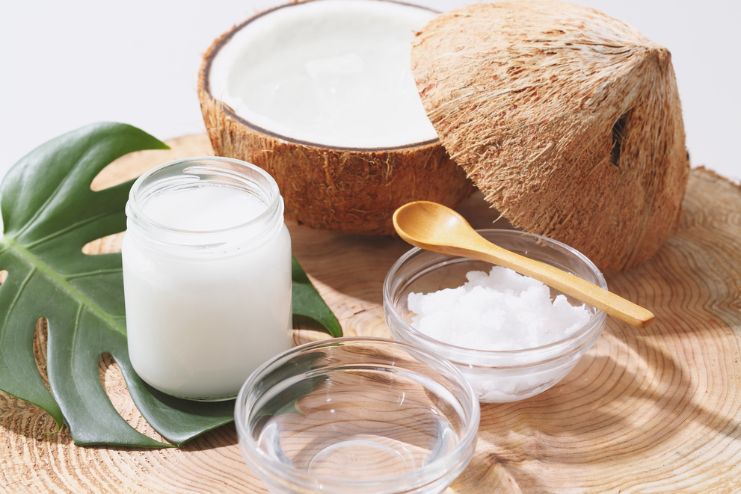
Coconut oil helps prevent candida formation in the mouth while promoting a healthy gut microbiome. Research demonstrates that coconut oil pulling significantly reduces pathogenic bacteria and inflammatory markers in patients with periodontal issues. Use it for oil pulling, brushing, and tongue scraping.
According to Lawrence Fung, DDS, a dentist at Silicon Beach Dental in Los Angeles, a clinical instructor at the Center for Esthetic Dentistry at UCLA, and the current team dentist for USC Athletics, coconut oil and baking soda can be used safely as a DIY toothpaste, but activated charcoal should be avoided.
The base of Fung’s DIY toothpaste formula is coconut oil, which he favors for its antibacterial properties. He notes that, at high enough concentrations and contact time with the mouth, coconut oil can help reduce cavity-causing bacteria. Ditto for baking soda, which Fung likes for “its buffering properties that can help keep the effects of acidity down.”
Read More: Does Toothpaste For Acne Really Work? How Effectively Does It Remove Acne?
2. Xylitol
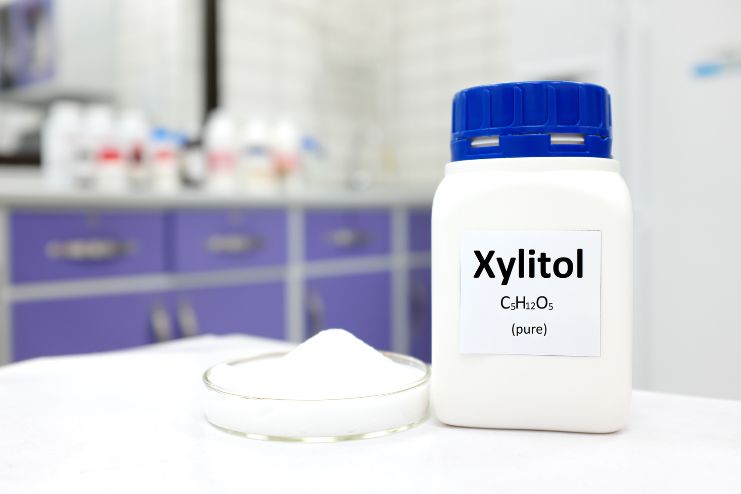
This natural sweetener significantly reduces cavity-causing bacteria in the mouth and has been proven effective in preventing dental caries across multiple studies. Use it in limited amounts since it can affect taste buds and potentially increase sugar cravings.
3. Cacao Nibs
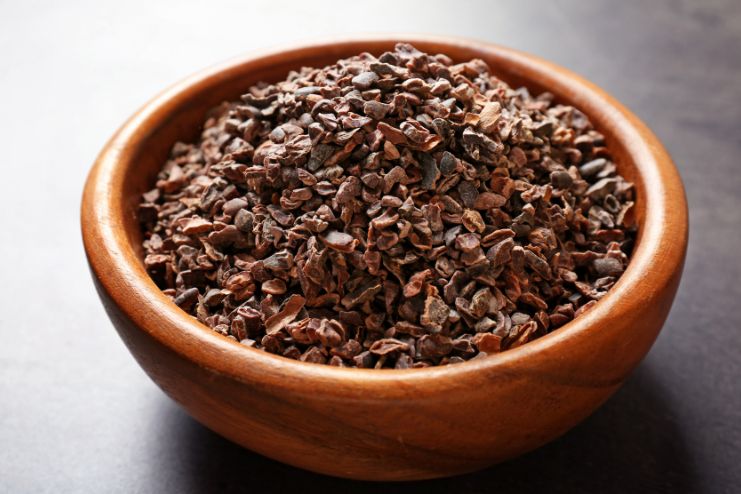
According to experts, chocolate makes an ideal toothpaste ingredient. Cacao helps remineralize teeth far better and more safely than fluoride while acting as an excellent natural abrasive to remove impurities.
4. Bentonite Clay
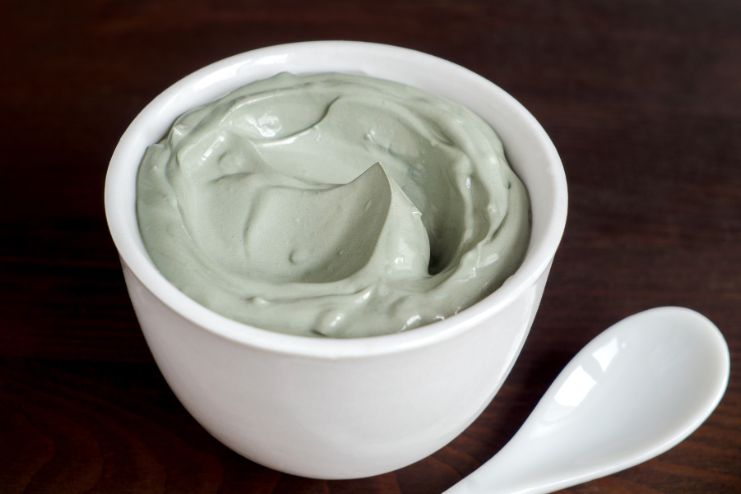
This alkaline clay reduces mouth acidity while serving as an effective abrasive agent. It helps balance the bacterial ecosystem in your mouth, protecting against illness and promoting remineralization.
5. Baking Soda
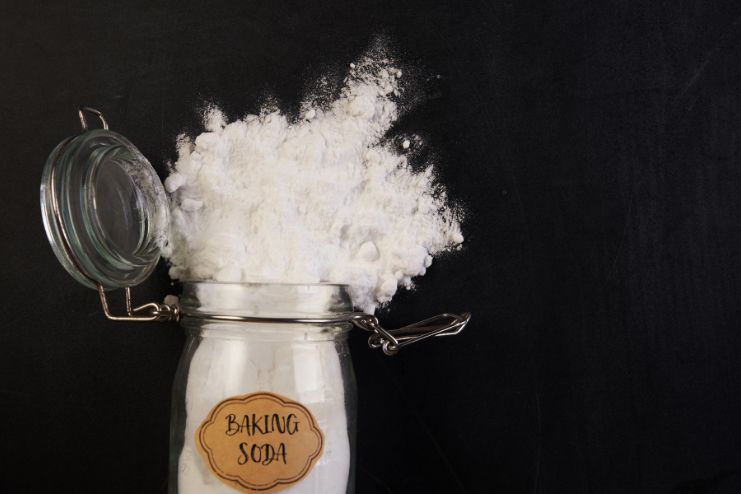
Maintaining proper mouth pH is crucial since acids from food constantly attack our teeth. Proper pH levels encourage beneficial bacteria and prevent enamel decay. Baking soda, a natural alkaline product, neutralizes acids while acting gently on teeth.
Ingredients to Avoid
Never use these ingredients when making homemade toothpaste:
Acidic Products
Since teeth are constantly under acid attack, adding acidic ingredients to toothpaste disrupts your mouth’s pH balance. Always measure the acidity of ingredients before using them in homemade toothpaste.
Essential Oils
While essential oils have strong antibacterial properties, they shouldn’t be used in mouth products. Killing all mouth bacteria can result in poor oral health, bad breath, and various imbalances. Maintaining bacterial balance is more important than complete elimination.
Read More: How Long Until a Tooth Infection Kills You? Understanding the Risks, Timeline, and When to Seek Help
Hydrogen Peroxide
Although hydrogen peroxide whitens teeth, it needs extended contact time to be effective—you can’t achieve whitening just by brushing with it. Additionally, hydrogen peroxide should never contact gums, tongue, or soft mouth tissues, as it creates free radicals that accelerate aging.
What Do Dentists Recommend?
The American Dental Association (ADA) only certifies toothpaste brands as effective if they contain fluoride, and dentists recommend choosing a toothpaste made with fluoride for cavity prevention.
Fluoride has been found to be helpful in reducing the number of cavities in the teeth and is backed by decades of research.
However, many dental professionals acknowledge that some patients prefer fluoride-free alternatives due to personal preferences or sensitivities. If you choose to use homemade toothpaste:
- Maintain regular dental checkups (every 6 months minimum)
- Monitor your oral health closely for any signs of increased cavities or gum issues
- Consider using a fluoride mouthwash if recommended by your dentist
- Ensure proper brushing technique and duration (2 minutes, twice daily)
- Don’t rely solely on homemade toothpaste if you have existing dental problems
Is Homemade Toothpaste Really Effective?
Absolutely. Natural homemade toothpaste reduces plaque formation and makes teeth smoother. However, consistency is key—regular use over extended periods provides better oral care and prevents cavity formation.
DIY Homemade Toothpaste Recipe
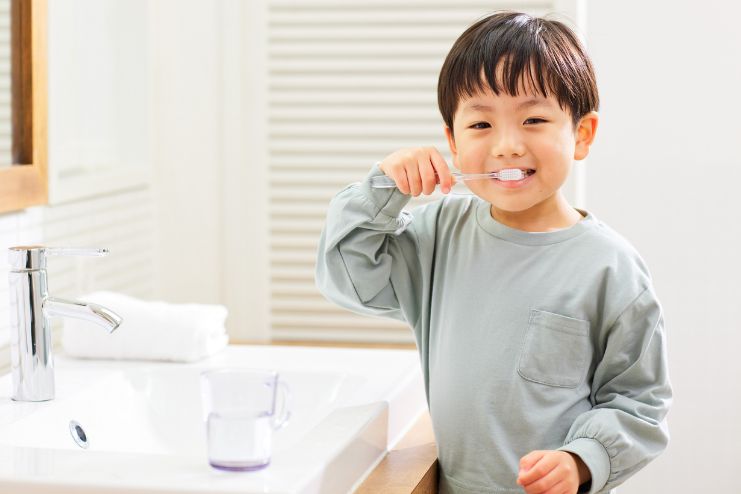
Create your own remineralizing toothpaste with this simple recipe:
Ingredients
- Calcium powder: 5 tablespoons
- Diatomaceous earth: 1 tablespoon
- Baking soda: 2 tablespoons
- Xylitol powder: 3 tablespoons
- Coconut oil: 2-3 tablespoons
- Myrrh and trace minerals (optional)
Instructions
- In a bowl, thoroughly mix the calcium powder, diatomaceous earth, baking soda, and xylitol powder.
- Gradually add coconut oil while mixing until you achieve the proper consistency.
- Add optional ingredients like myrrh and trace minerals if desired.
- Store the mixture in a glass jar. To use, simply dip your toothbrush into the mixture or transfer to a squeeze bottle for easier dispensing.
This homemade toothpaste increases saliva production, which helps balance healthy pH levels and prevents tooth decay and gum disease.
Read More: Are You Overbrushing? Signs You Might Be Damaging Your Teeth
Final Thoughts
Making your own toothpaste puts you in control of what goes into your mouth daily. By avoiding harmful chemicals and using beneficial natural ingredients, you’re investing in long-term oral health while saving money and reducing exposure to unnecessary additives.
Ready to transform your oral health naturally? Start with our simple DIY recipe today and experience the difference that chemical-free dental care can make. Your teeth—and your wallet—will thank you!
Important Safety Warnings
⚠️ Before using homemade toothpaste, be aware of these important safety considerations:
- Not ADA Approved: Homemade toothpastes do not carry the ADA Seal of Acceptance and have not been tested for safety and efficacy like commercial products
- Abrasiveness Concerns: Some ingredients (like baking soda) can be abrasive and may damage tooth enamel if used incorrectly or too frequently
- No Fluoride Protection: Most homemade recipes lack fluoride, which dentists consider essential for cavity prevention
- Individual Reactions: Natural ingredients can still cause allergic reactions or sensitivities in some people
- Children’s Safety: Exercise extra caution with children, as they’re more likely to swallow toothpaste and are more sensitive to certain ingredients
- Existing Dental Issues: If you have cavities, gum disease, or other oral health problems, consult your dentist before switching to homemade alternatives
Frequently Asked Questions
How long does homemade toothpaste last?
Homemade toothpaste typically lasts 3-6 months when stored in a clean, airtight glass jar. Since it contains no preservatives, always use clean utensils when scooping it out to prevent bacterial contamination.
Will homemade toothpaste clean as well as commercial brands?
Yes, when made with proper abrasive ingredients like bentonite clay and baking soda, homemade toothpaste effectively removes plaque and bacteria. The natural ingredients often work better than harsh chemicals found in commercial products.
Can children use homemade toothpaste?
Yes, but be cautious with xylitol amounts as children are more sensitive to sweeteners. You can reduce xylitol by half in the recipe for children under 12. Always supervise young children to ensure they don’t swallow large amounts.
Is homemade toothpaste safe for sensitive teeth?
Homemade toothpaste can actually be gentler on sensitive teeth since you control the abrasiveness level. Start with less baking soda and more coconut oil if you have sensitivity, and gradually adjust the recipe to your comfort level.
How do I know if the consistency is right?
The finished toothpaste should be thick enough to stay on your toothbrush but not so thick that it’s difficult to spread. It should have a paste-like consistency similar to natural peanut butter. Add more coconut oil if too dry, or more dry ingredients if too wet.
Can I add essential oils for flavor?
While essential oils provide antibacterial properties, they can disrupt your mouth’s natural bacterial balance. Instead, try adding a small amount of organic vanilla extract or natural mint extract for flavor without the intense antimicrobial effects.
Will this recipe whiten my teeth?
The baking soda and bentonite clay in this recipe provide gentle whitening effects by removing surface stains. However, for significant whitening, you’ll need professional treatments or longer-term use of natural whitening methods.
What do dentists say about homemade toothpaste?
Most dentists prefer patients to use ADA-approved fluoride toothpastes for proven cavity protection. However, some acknowledge that homemade alternatives may be suitable for patients who cannot tolerate commercial products, provided they maintain excellent oral hygiene and regular dental checkups.
How much money will I save making my own toothpaste?
This recipe costs approximately $0.50-$1.00 per batch and lasts 1-2 months for one person, compared to $3-$6 for commercial natural toothpastes. You’ll save 60-80% annually while getting a superior product.
References
- https://pubmed.ncbi.nlm.nih.gov/30839136/
- https://pmc.ncbi.nlm.nih.gov/articles/PMC10506142/
- https://pmc.ncbi.nlm.nih.gov/articles/PMC8796787/
- https://pmc.ncbi.nlm.nih.gov/articles/PMC11909057/
- https://pmc.ncbi.nlm.nih.gov/articles/PMC5320817/
- https://pmc.ncbi.nlm.nih.gov/articles/PMC9022379/
- https://aestudyclub.com/lawrence-fung-dds
- https://www.byrdie.com/diy-toothpaste-5095803
In this Article