













Whether triggered by seasonal changes, exposure to air conditioning, or simply being around someone who’s sick, the common cold doesn’t need much invitation to disrupt your daily life. The aftermath includes a stuffy nose, sore throat, and an overall feeling of discomfort as your immune system fights off the viral infection.
While people often dismiss it as “just a cold,” the symptoms can cause significant discomfort and impact your quality of life. The good news is that several effective home remedies can help manage these symptoms and provide relief while your body recovers naturally.
This article explores evidence-based home remedies that you can easily prepare at home to help alleviate common cold symptoms. While these remedies won’t cure your cold instantly, they can provide significant relief and support your body’s natural healing process.
Read More: Sneezing and Sniffling? How to Know If It’s a Cold or Allergies
Understanding the Common Cold
The common cold is primarily caused by viral infections, with rhinoviruses being the most common culprits. Other viruses that can cause cold symptoms include:
- Human Parainfluenza Virus
- Enteroviruses
- Coronaviruses
- Adenovirus
- Human Metapneumovirus
- Human Respiratory Syncytial Virus
The cold spreads through airborne droplets when an infected person coughs or sneezes, or through direct contact with contaminated surfaces. Seasonal changes and weakened immunity can also make you more susceptible to catching a cold.
Common Cold Symptoms
There are noticeable symptoms that your body is battling a cold. Common cold symptoms include mucus production and nasal discharge, according to Dr. Shanna Elliott, DO, of UnityPoint Health. Mucus that is green or yellow is typical and indicative of an upper respiratory infection. However, it does not rule out the possibility of a bacterial infection.
Additionally, if you have a lot of nasal congestion and inflammation that prevents your eustachian tubes from draining, your ears may feel full, along with blocked ears and a runny nose.
Recognizing cold symptoms early can help you start treatment promptly. Common symptoms include:
- Dry and sore throat
- Runny or stuffy nose
- Difficulty breathing through the nose
- Cough (dry or productive)
- Low grade fever
- Headache
- Sneezing
- Muscle aches
- Fatigue and weakness
- Loss of appetite
- Nausea (in severe cases)
Most cold symptoms last 7-10 days, although some symptoms, such as cough, may persist longer. The severity and duration depend on the strength of your immune system and the specific virus causing the infection.
Read More: The Top 7 Cold Therapy Machines for Effective Cryotherapy Relief
Effective Home Remedies for Cold Relief
1. Warm Water with Honey

Warm water is one of the most fundamental remedies for cold symptoms. It helps soothe throat irritation, reduces scratchiness, and provides the essential hydration needed for recovery. Adding honey enhances its effectiveness due to honey’s natural antimicrobial properties and throat-soothing qualities.
How to prepare:
- Boil water and let it cool to a comfortable drinking temperature
- Add 1 teaspoon of honey to a glass of warm water
- Stir well and drink while warm
Frequency: 3-4 times daily throughout the cold duration
2. Turmeric Milk
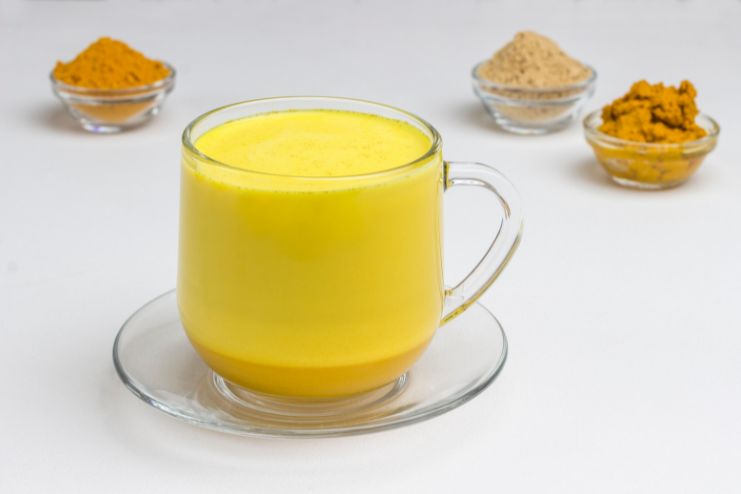
Turmeric contains curcumin, a compound with potent antioxidant and anti-inflammatory properties. This traditional remedy helps boost immunity while fighting infection-causing pathogens. The warm milk provides comfort and additional nutrients for recovery.
How to prepare:
- Heat one cup of milk in a pan
- Add ½ teaspoon of turmeric powder
- Mix thoroughly and drink warm
Frequency: Once daily, preferably before bedtime
3. Ginger Tea
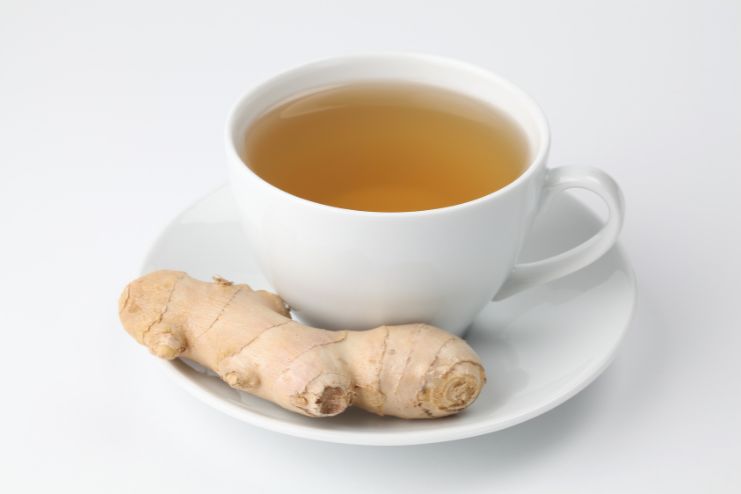
Ginger is renowned for its warming properties and ability to alleviate cold symptoms. It helps reduce inflammation, clears chest congestion, and provides relief from chills. The pungent compounds in ginger can help break down mucus buildup and improve breathing.
How to prepare:
- Boil water in a pot
- Add freshly crushed ginger (1-2 inches) to the boiling water
- Simmer for 5-10 minutes
- Strain and add honey for taste
- Drink while warm
Frequency: 2-3 times daily until symptoms improve
Read More: 15 Easy Yet Effective Cold and Flu Remedies
4. Lemon and Honey Water

This classic combination provides vitamin C to support immune function while honey soothes throat irritation. Lemon’s mild antimicrobial properties and honey’s throat-coating effect make this remedy particularly effective for sore throats.
How to prepare:
- Squeeze fresh lemon juice into a cup of warm water
- Add 1 teaspoon of honey
- Stir well and drink immediately
Frequency: 2-3 times daily
5. Salt Water Gargle
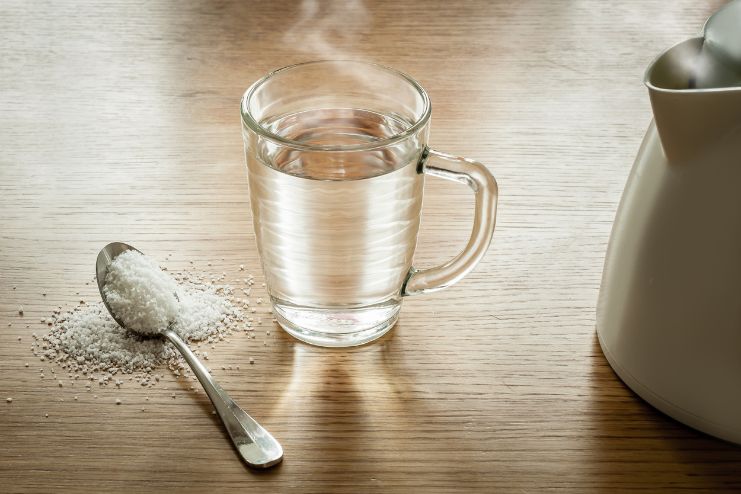
Saltwater gargling is a simple yet effective remedy for sore throats and throat infections. The saline solution helps reduce inflammation, draws out excess fluids from swollen tissues, and may help eliminate harmful bacteria.
How to prepare:
- Mix ½ teaspoon of salt in a glass of warm water
- Stir until salt dissolves completely
- Gargle for 30 seconds and spit out
- Repeat until the glass is empty
Frequency: 1-2 times daily
Caution: Avoid swallowing the salt water, especially if you have high blood pressure.
6. Garlic

Garlic contains allicin, a compound with powerful antimicrobial properties that can help fight viral and bacterial infections. Although the taste may be strong, garlic can be an effective aid in supporting immune function.
How to prepare:
- Crush 1-2 fresh garlic cloves
- Mix with ½ teaspoon of honey to make it more palatable
- Consume raw, followed by water
Frequency: 1-2 times daily
Read More: Summer Cold – Causes, Symptoms and Treatment
7. Green Tea
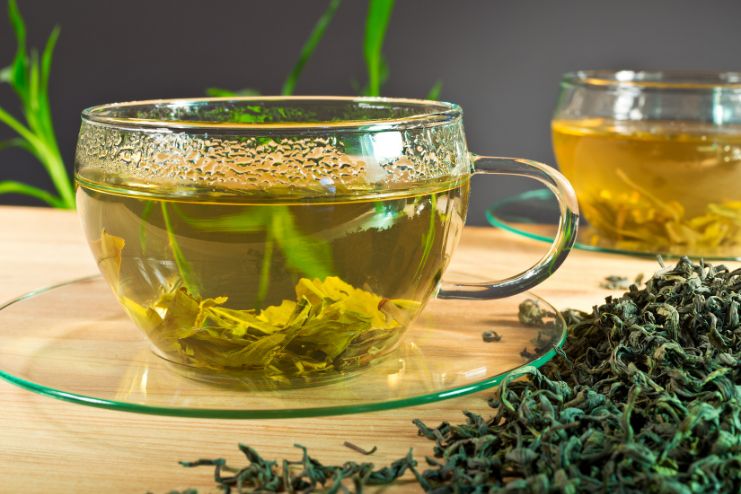
Green tea is rich in antioxidants, particularly catechins, which support immune function and help fight free radicals. The warm liquid provides hydration and throat comfort while the antioxidants support your body’s natural defenses.
How to prepare:
- Steep a green tea bag in hot water for 3-5 minutes
- Add honey if desired
- Drink while warm
Frequency: 2-3 times daily
8. Herbal Kadha

Kadha is a traditional Indian herbal tea made with immune-boosting spices. This potent combination provides antimicrobial and anti-inflammatory benefits while warming the body and clearing congestion.
How to prepare:
- Boil 2 cups of water
- Add crushed ginger (1 inch), 4-5 black peppercorns, 2-3 cloves, and a few holy basil leaves
- Simmer for 10-15 minutes
- Strain and add honey to taste
- Store leftover kadha in the refrigerator
Frequency: 2-3 times daily
9. Chamomile Tea
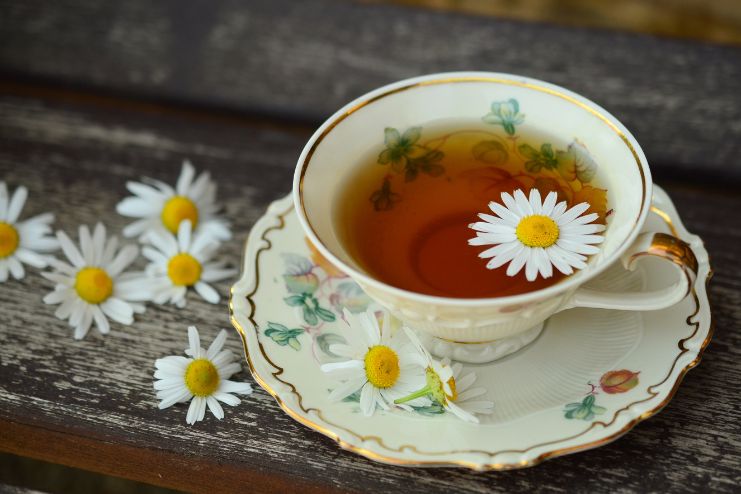
Chamomile has gentle anti-inflammatory and antimicrobial properties that can help soothe irritated tissues and promote relaxation. It’s particularly beneficial for evening consumption as it may help improve sleep quality during illness.
How to prepare:
- Steep a chamomile tea bag in hot water for 5 minutes
- Add honey if desired
- Drink warm
Frequency: 1-2 times daily, especially before bedtime
Read More: What are the Differences between Cold and Flu
10. Steam Inhalation

While not mentioned in the original article, steam inhalation is a highly effective remedy for nasal congestion and should be included as a current, evidence-based treatment.
How to prepare:
- Boil water in a large bowl
- Lean over the bowl with a towel covering your head
- Inhale the steam for 5-10 minutes
- Add a few drops of eucalyptus oil for enhanced effect (optional)
Frequency: 2-3 times daily
11. Chicken Soup
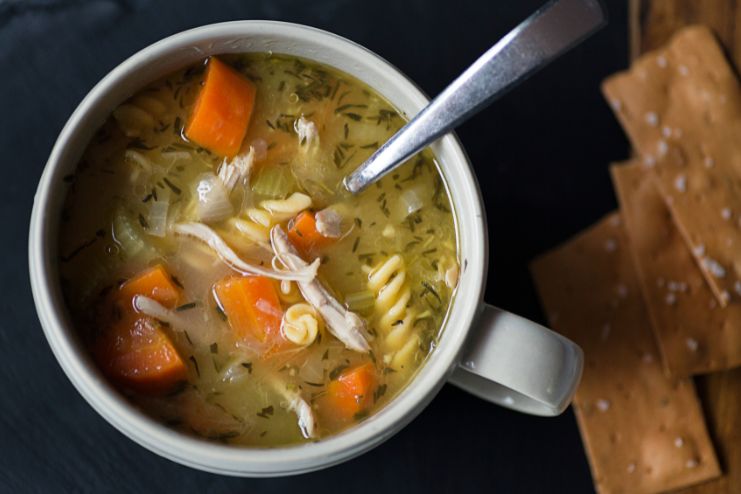
Chicken soup provides multiple benefits: the warm broth helps with hydration and soothes the throat, while the nutrients support recovery. Studies suggest that chicken soup may help reduce the activity of neutrophils, which can contribute to cold symptoms.
How to prepare:
- Simmer chicken pieces with vegetables in water
- Add salt and preferred spices
- Cook until tender
- Serve hot
Frequency: As needed, especially when appetite is poor
12. Apple Cider Vinegar

Apple cider vinegar has antimicrobial properties and may help balance pH levels in the body, creating an environment less favorable for harmful microorganisms.
How to prepare:
- Mix 1 tablespoon of apple cider vinegar in a glass of water
- Drink on an empty stomach
Frequency: Once daily
Caution: Always dilute apple cider vinegar and avoid if you have acid reflux or stomach ulcers.
Read More: Home Remedies to cure a Baby Cold
Additional Supportive Measures
Rest and Sleep
Adequate sleep is crucial for immune function. Aim for 7-9 hours of quality sleep to support your body’s healing process.
Hydration
Drink plenty of fluids throughout the day. Water, herbal teas, and warm broths help maintain hydration and thin mucus secretions.
Humidification
Use a humidifier or breathe steam from a hot shower to add moisture to the air, which can help ease congestion.
Nutrition
Eat nutrient-rich foods when possible, focusing on fruits and vegetables high in vitamin C and other immune-supporting nutrients.
When to Seek Medical Care
While home remedies can effectively manage most cold symptoms, consult a healthcare provider if you experience:
- High fever (over 101.3°F/38.5°C)
- Severe headache or sinus pain
- Difficulty breathing or persistent cough
- Symptoms lasting more than 10 days
- Ear pain or discharge
- Persistent sore throat with white patches
Important Considerations
- Individual Responses: People may respond differently to various remedies. What works for one person may not work for another.
- Allergies: Be aware of potential allergic reactions to any ingredients mentioned.
- Medication Interactions: If you’re taking medications, consult your healthcare provider before trying herbal remedies.
- Children: Some remedies may not be suitable for young children. Honey should not be given to infants under 12 months.
Conclusion
While there’s no cure for the common cold, these home remedies can significantly help manage symptoms and support your body’s natural healing process. The key is to start treatment early, stay hydrated, get adequate rest, and be patient as your immune system works to clear the infection.
Remember that most colds resolve on their own within 7-10 days. These remedies are meant to provide comfort and support during recovery, not to replace medical treatment when necessary. If symptoms worsen or persist, don’t hesitate to seek professional medical advice.
References
- https://www.mayoclinic.org/diseases-conditions/common-cold/in-depth/cold-remedies/art-20046403
- https://www.mayoclinic.org/diseases-conditions/common-cold/diagnosis-treatment/drc-20351611
- https://medlineplus.gov/ency/patientinstructions/000466.htm
- https://www.cdc.gov/common-cold/treatment/index.html
- https://www.webmd.com/cold-and-flu/14-tips-prevent-colds-flu-1
- https://www.medicalnewstoday.com/articles/322394
- https://www.mountsinai.org/health-library/selfcare-instructions/common-cold-how-to-treat-at-home
- https://www.maxhealthcare.in/blogs/common-cold-virus-symptoms-and-home-remedies
- https://www.unitypoint.org/news-and-articles/why-wont-my-cold-symptoms-go-away
- https://www.massgeneralbrigham.org/en/about/newsroom/articles/common-cold-treatment
In this Article