













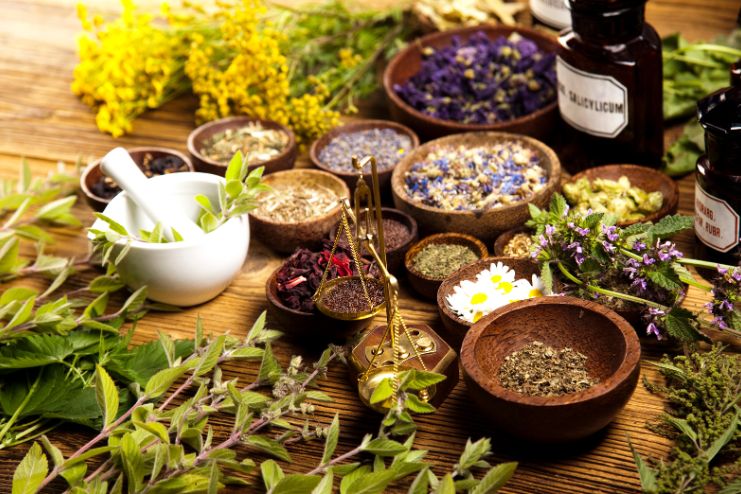
In a fast-paced world where modern medicine often takes center stage, a quiet revolution is happening — one that’s rooted in the wisdom of nature. As more people seek healthier, more sustainable lifestyles, natural treatments are stepping back into the spotlight. This renewed interest isn’t just a trend; it’s a return to time-tested traditions that recognize the deep healing power of the earth.
Of all the wonders of nature, herbal remedies are one of the best for their phenomenal capacity to heal joints and reduce pain. Growing awareness of their powerful healing properties is sparking new confidence in these time-honored remedies.
Today, we would like you to come with us into the world of medicinal herbs — to discover their secret healing power and rediscover how they can heal and rejuvenate your well-being. Let’s explore the secrets nature has been quietly keeping from us for so long.
Understanding Herbal Medicine
Herbal medicine is a natural method of employing plants to cure health issues. It has been practiced for centuries, handed down through generations, and continues to be practiced today. Across cultures, people have long relied on herbal remedies to support their health, creating a rich legacy that continues to shape modern practices.
Herbal medicine harmonizes with the body’s healing powers. Plant active ingredients act on the body to restore equilibrium and correct underlying problems that could cause illness. In contrast to some traditional medications, which tend to treat symptoms, herbal medicines seek to resolve the underlying causes of health issues, providing a more holistic way of being well.
By combining the wisdom of traditions and the advice of modern medicine, we can be confident that herbal remedies are used to their full potential. Such collaboration is the stepping stone to discovering long-term health, all in a safe and individual context.
Here, we’ll explore some of the most recognized herbal remedies for common conditions, often praised for promoting long-term health, though sometimes raising concerns about safety and individual well-being.
In this article, we will check out a few popular herbal remedies for everyday modern ailments and ways to safely incorporate them into your daily health routine.
Read More: Healing Herbs in Your Backyard: 7 Home Remedies Using Fresh Garden Herbs
Common Herbal Remedies
These time-tested plant-based remedies offer a holistic approach to wellness, helping with everything from digestive discomfort and stress to immune system support. Whether used for relief or prevention, herbs provide a gentle yet effective way to enhance overall well-being.
Peppermint for Digestive Issues
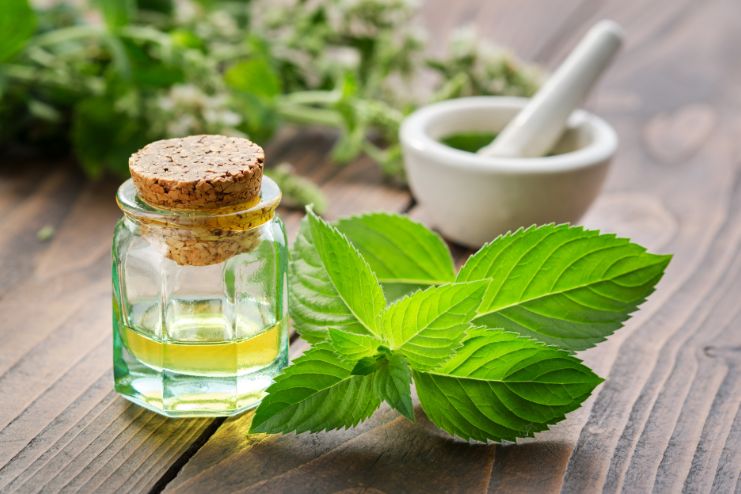
Celebrated for its stimulating flavor and perfume, peppermint is a botanical miracle that offers significant benefits for digestive health. Peppermint is a great herb and trusted friend when it comes to soothing the usual digestive discomforts like gas, bloating, and nausea. Its sedative effect works to deal with these concerns naturally and efficiently. It can be enjoyed either as a relaxing tea or used as an essential oil, peppermint presents a two-way approach towards good digestive health.
The soothing, warming properties of peppermint tea ease tension within the digestive tract, and the cooling, soothing action of its essential oil provides instant relief when used topically or in a diffuser. This popular herb not only enhances digestion but also brings a refreshing and calming factor to overall health.
Benefits of Pepperment:
- Reduces gas, bloating, and nausea
- Relaxes the digestive tract when taken as tea
- Offers quick relief when used topically or diffused as an essential oil
- Helps in proper digestion and minimizes discomfort
- Provides a soothing and invigorating experience for body and mind
Read More: 15 Amazing Herbs For Weight Loss
Lavender for Stress and Anxiety
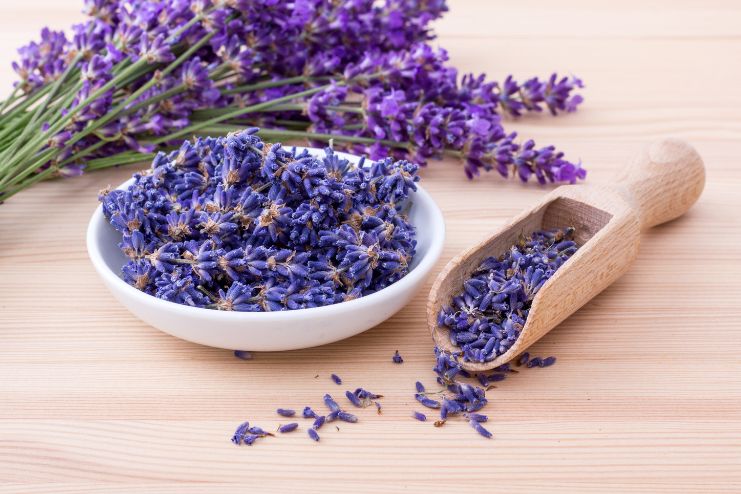
Lavender, with its dainty flowers and captivating scent, is a potent solution to the ongoing woes of stress and anxiety. This plant powerhouse provides natural calming properties that ease the mind and soul, making it a perfect solution for inducing relaxation in different situations.
The scented aroma of lavender can be used in several ways, helping people to select the therapeutic method that best suits their requirements. Whether aromatherapy or herbal baths, lavender provides effective means to eliminate stress and create a soothing ambience.
Benefits of Lavender:
- Reduces anxiety and stress, maintaining mental and emotional stability.
- Diffuses a sense of relaxation with aromatherapy, applying its calming aroma.
- Improves self-care rituals when incorporated into daily practices.
- Aids in inducing deeper relaxation when applied in herbal baths.
- Turns mundane moments into a therapeutic, aromatic experience.
Echinacea for Immune Support

Echinacea is the leading player in increasing immunological resilience because of its remarkable immune-boosting properties. Echinacea takes center stage as a powerful ally in the fight against the common cold and flu. Being called the defender of the immune system, the herb serves to fortify the body’s inherent defenses. Immune system activation makes it the best option for both prophylactic care and treatment. Convenient to fit into wellness regimes, echinacea is provided in multiple formats, such as tinctures and capsules, making it flexible and convenient to suit different tastes.
Benefits of Echinacea:
- Boosts the immune system, protecting against colds and flu.
- It may be taken preventively as well as used as a therapeutic aid when ill.
- May be found in various forms, such as tinctures and capsules for convenience.
- Supports general well-being by actively enhancing immune function.
- A useful herb for staying healthy and resilient.
Chamomile for Sleep and Relaxation
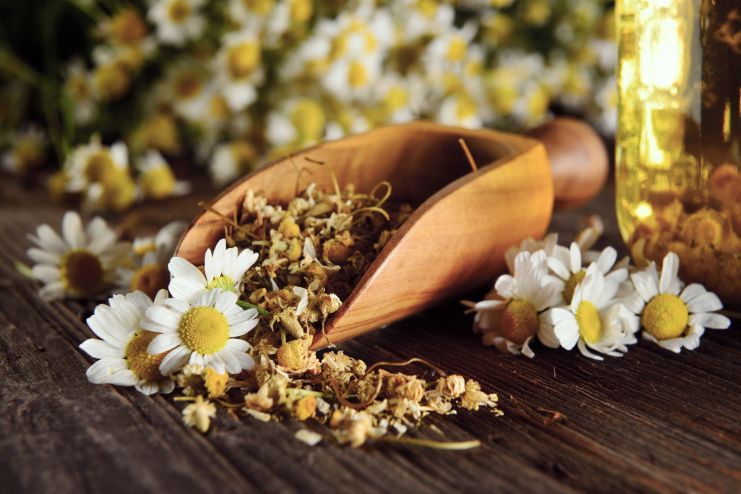
Renowned for its soft and soothing properties, chamomile is a reliable ally in the never-ending pursuit of peaceful sleep and relaxation. Chamomile, with its calming natural properties, offers a soothing hand to those who require peace and relaxation. Renowned for improving the quality of sleep and reducing anxiety, chamomile allows individuals to relax and enjoy a good night’s sleep. Whether consumed as tea or used in other forms, this calming herb induces relaxation and peace, which is an invaluable tool for well-being.
Benefits of Chamomile:
- Enhances the quality of sleep through the relief of anxiety and relaxation.
- Offers a soothing, reassuring experience when used as a tea.
- It can also be used topically in aromatherapy or infused oils for full application.
- Supports a peaceful evening ritual for enhanced sleep and relaxation.
- Provides a natural, gentle way of infusing calm into daily life.
Read More: Best Chamomile Tea Benefits
As we explore the various uses of these popular herbs, it’s important to recognize their versatility in enhancing different aspects of our health. It’s also a good idea to consult with healthcare professionals before adding them to your routine to ensure a safe and personalized approach.
Incorporating Herbal Remedies into Daily Life
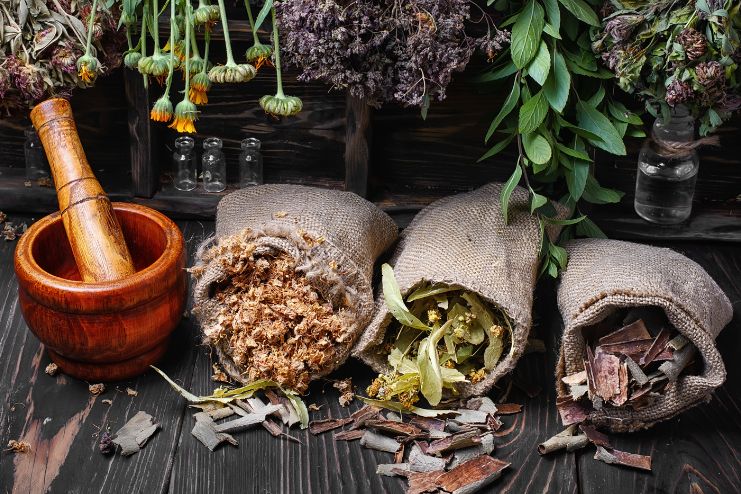
Taking the plunge and learning to use herbal therapies is a game-changer for overall well-being. Read through the given advice and suggestions to make the most of these natural gems that guarantee a smooth transition into everyday life.
Purchasing Advice for Superior Herbs and Herbal Products:
Begin your herbal journey with quality as number one. Choose brands and suppliers that have an established reputation for procuring quality herbs. Choose products with certifications and open-sourcing policies so that the herbal products you choose are pure and effective.
Advice Regarding Appropriate Dosage and Use Directions:
Herbal remedies are a natural way to be healthy, but they must be used in the right quantities. Always consult healthcare practitioners or herbalists to determine the proper dosage for your situation. Consider your tolerance levels and any possible interactions with other drugs to ensure your herbal regimen is safe as well as effective.
Some Ideas for Including Herbal Remedies in Everyday Activities:
Adding herbal remedies to your daily regimen offers long-term health advantages. Start the day with a calming chamomile tea or have peppermint after meals to support digestion. Use herbal baths or lavender-scented aromatherapy to create calming bedtime routines. By adding these herbs to your daily routine, you foster balance and overall wellness.
- Begin the day with chamomile tea to calm and facilitate a peaceful morning.
- Sip peppermint tea after meals to aid digestion and soothe stomach upset.
- Establish soothing bedtime rituals with lavender-scented aromatherapy or herbal baths.
- Employ turmeric to lower inflammation and promote joint health.
- Eat ginger to keep your digestive system healthy and calm nausea.
Conclusion
Discovering the world of herbal medicines reveals a diverse tapestry of natural remedies with potent benefits for a variety of health issues, from stress relief to digestive support.
Herbs such as lavender offer soothing relief from stress and anxiety, while peppermint relaxes digestive problems such as bloating and gas. Echinacea boosts the immune system and is a popular choice for fighting off colds and flu. Chamomile ensures sound sleep, calming anxiety, and allows the body to relax after work. Ginger relieves nausea and aids digestion, and turmeric, with its anti-inflammatory properties, reduces joint pain and inflammation
With the advice of healthcare practitioners, you can take a safe and customized herbal path, ensuring that every remedy is specifically suited to your needs. By doing so, you establish a balanced and holistic health system that combines contemporary care with nature’s ancient riches. Let nature’s wisdom guide the way, unleashing the full potential of herbal remedies to enhance your life and improve your well-being.
References
- https://bloominstitute.ca/how-to-choose-high-quality-herbs/
- https://www.webmd.com/cold-and-flu/echinacea-common-cold
- https://www.betterhealth.vic.gov.au/health/conditionsandtreatments/herbal-medicine
- https://www.webmd.com/a-to-z-guides/peppermint-oil-uses-benefits-effects
- https://www.herbalclinic-swansea.co.uk/herbal-medicine/a-brief-history-of-herbal-medicine/
- https://www.mountsinai.org/health-library/treatment/herbal-medicine
- https://www.nhs.uk/conditions/herbal-medicines/
- https://www.everydayhealth.com/digestive-health/the-power-of-peppermint.aspx
- https://www.nhs.uk/medicines/peppermint-oil/
- https://www.healthline.com/health/anxiety/lavender-for-anxiety
- https://www.sciencedirect.com/science/article/pii/S0965229922000346
- https://www.verywellmind.com/lavender-for-less-anxiety-3571767
- https://www.ncbi.nlm.nih.gov/pmc/articles/PMC6007527/
- https://www.ncbi.nlm.nih.gov/pmc/articles/PMC4068831/
- https://health.clevelandclinic.org/echinacea
- https://www.nccih.nih.gov/health/echinacea
- https://www.businessinsider.com/guides/health/diet-nutrition/chamomile-tea-benefits
- https://www.medicalnewstoday.com/articles/320031
- https://www.webmd.com/diet/supplement-guide-chamomile
- https://sleepopolis.com/education/chamomile-tea-and-sleep/
- https://cancerchoices.org/resources/reviews-of-complementary-therapies/sourcing-quality-herbs-supplements/
- https://experiencelife.lifetime.life/article/6-tips-for-buying-herbal-remedies/
- https://thehappyherbalhome.com/find-high-quality-herbs/
In this Article