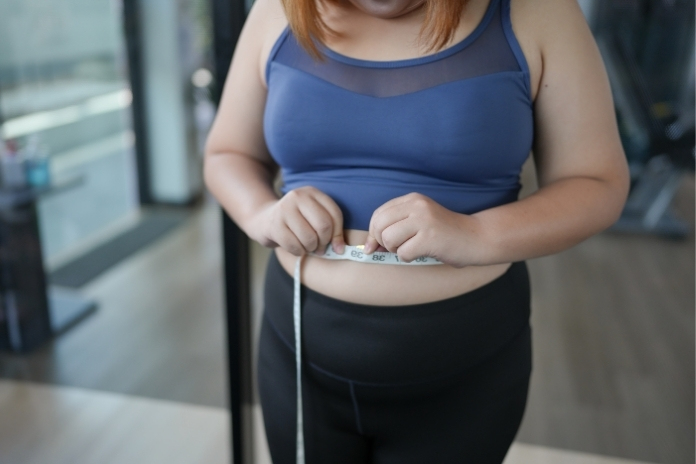


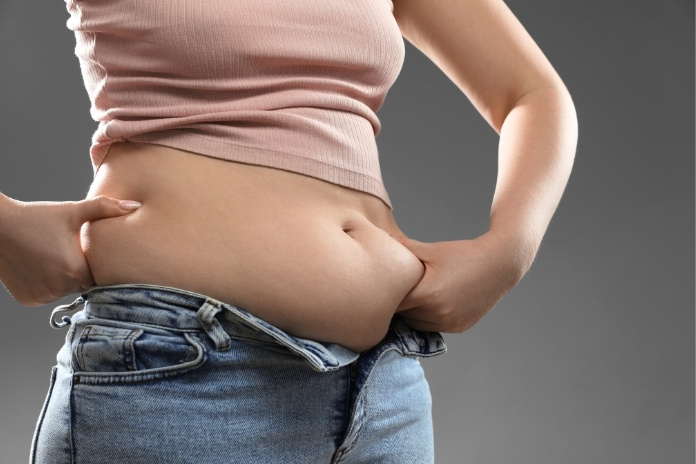



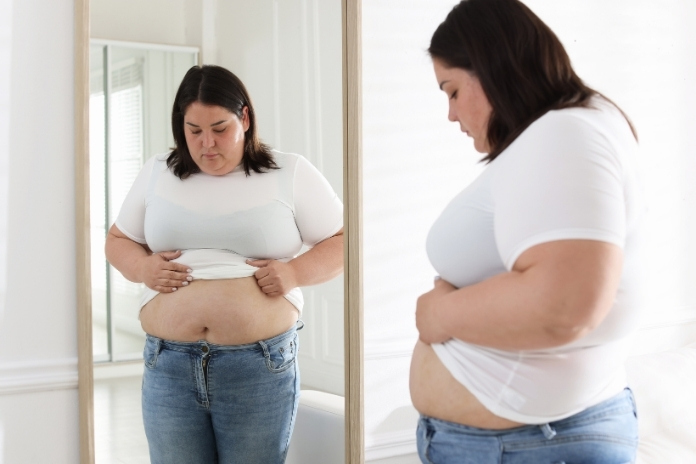
If you’re in your 40s or 50s, you may notice a softer waistline, tighter jeans, or weight settling around your middle, even when you’ve already made changes to your routine. This shift is extremely common during perimenopause and menopause.
A naturally slower metabolism means your body burns fewer calories than it used to. At the same time, stress and rising cortisol, both frequent during perimenopause, encourage fat to accumulate specifically around the midsection.
During this stage of life, diet becomes one of the biggest factors in whether belly fat increases or finally starts to calm down.
This article breaks down the foods scientifically linked to worsening menopause-related belly fat and explains why your body responds to them differently now. You’ll also learn what to eat instead so you can feel lighter, more energized, and more in control of your midsection.
Read More: Sleep Problems After Menopause: Why They Happen and How to Fix Them
Understanding “Menopause Belly Fat” — The Science
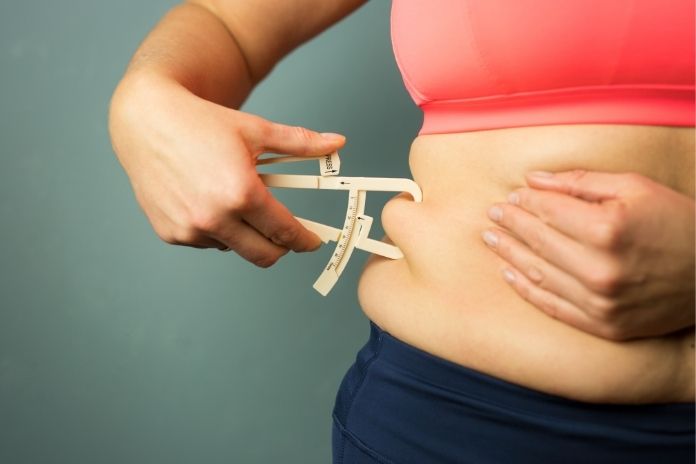
‘Menopause belly fat’ isn’t just an extra layer of weight. It is a shift in where the fat gets deposited. This may happen due to changes in hormones and metabolism.
Here’s what’s happening in your body during menopause:
Estrogen Decline Changes Where Fat Sits
Before menopause, estrogen tends to push fat toward the hips and the thighs. When estrogen falls, fat storage shifts toward the abdomen, especially visceral fat around internal organs.
Insulin Resistance Becomes More Common
Midlife brings less responsive cells to insulin. That means:
- Sugary and starchy foods raise blood sugar levels rapidly.
- Your body pumps out more insulin to handle it.
- Additional insulin pushes fat into the midsection.
So the foods that previously were well tolerated might fuel stubborn fat now.
Cortisol and Stress Weight
Sleep disturbances, stress, and mood swings of menopause raise cortisol levels. Higher cortisol signals your body to store fat, usually around the belly.
Chronic Inflammation Triggers Weight Gain
Inflammation increases with age, and certain foods can further promote the same, even during menopause. When inflammation goes up:
- Your metabolism slows.
- Fat-burning hormones become less effective.
This prevents the body from focusing on breaking down fat and instead shifts the focus to storing it. This impacts the food choices compared to earlier.
Foods to Avoid for Menopause Belly Fat That Are Scientifically Backed
Here is a list of foods to be avoided for menopause belly fat:
1. Food and Drinks High in Sugar
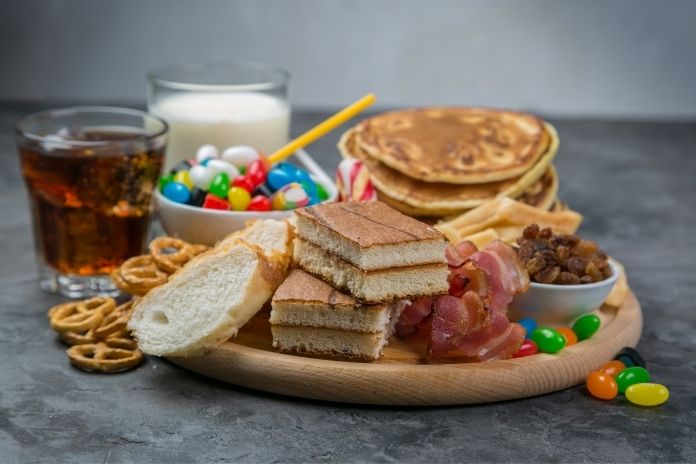
Sugar can be considered the most rapid trigger for menopausal belly fat since:
- It spikes blood glucose immediately.
- Your body sends off an insulin spurt.
- Insulin sends fat directly to your belly, particularly when estrogen levels are low.
- During menopause, sugar cravings increase, leading to an even harder cycle to break.
As Dr. Jennifer Davis, a board-certified gynecologist and a certified menopause practitioner (CMP) from the North American Menopause Society (NAMS), says, “Managing blood sugar is paramount during menopause.”
Dr. Davis, also a Registered Dietitian, emphasizes, “These foods create an internal roller coaster that destabilizes both your energy and your mood, making symptoms feel much more intense. Prioritizing whole, unprocessed foods is a cornerstone of menopausal well-being.”
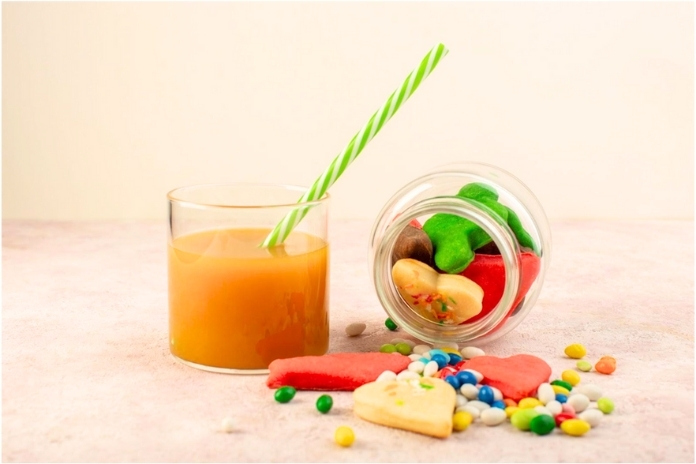
Liquid sugars enter the bloodstream in minutes and result in the most dramatic deposit of belly fat. To avoid menopause belly fat, avoid consuming soda, pastry, chocolate, syrup, sweetened yogurt, flavored coffee drinks, and packaged desserts.
2. Refined Carbohydrates
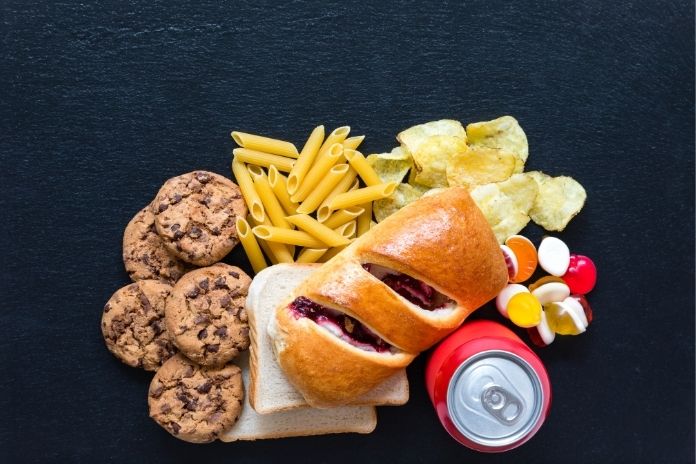
Refined carbs act almost like sugar because they:
- They have no fiber, leading to quick digestion.
- These foods lead to a sharp rise in blood sugar.
- They worsen insulin resistance, already more common in midlife.
These foods stimulate appetite and are likely to be over-consumed. So, when your body struggles with insulin, refined carbs become a significant source of menopausal belly fat.
Foods you should avoid include white bread, pasta, white rice, crackers, muffins, naan, and pastries.
3. Alcohol, Wine, and Cocktails
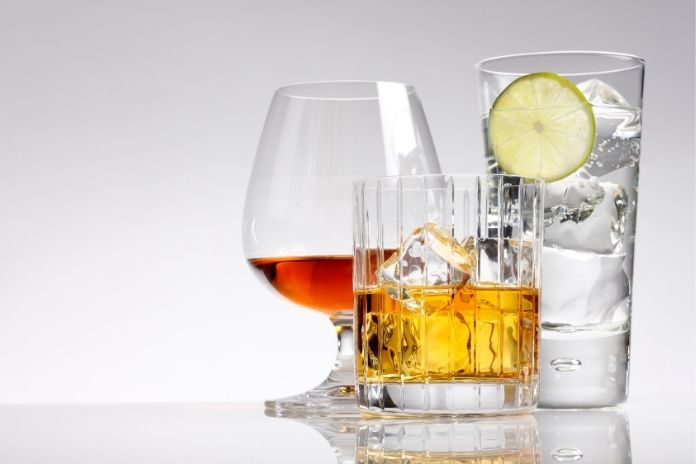
Many women find that their belly bloats up, their cravings become stronger, and they start to gain more weight after just a small amount of alcohol is taken.
Why?
- Your body stops burning fat for hours to metabolize the alcohol first.
- Alcohol might increase estrogen dominance in some women and promote abdominal fat.
- Midlife metabolism slows, so more of it gets stored as fat.
Cocktails and wine contain sugar, thereby increasing this effect even further. Alcohol disrupts sleep, raises cortisol, and makes losing fat around the belly harder.
4. Processed Snacks
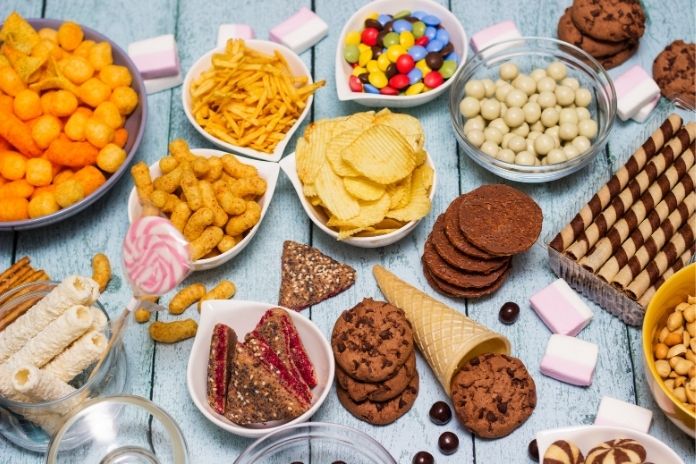
Processed snack foods cause menopause belly fat because they’re:
- High in sodium, which leads to bloating and water retention.
- Made from inflammatory refined oils, which worsen midsection fat storage.
- Low in fiber -causes overeating and glucose spikes.
Even “healthy” options, such as granola bars and baked chips, lead to inflammation and set off cravings.
Examples of foods to avoid include chips, cookies, crackers, granola bars, and packaged snacks.
5. Fried Foods & Fast Food
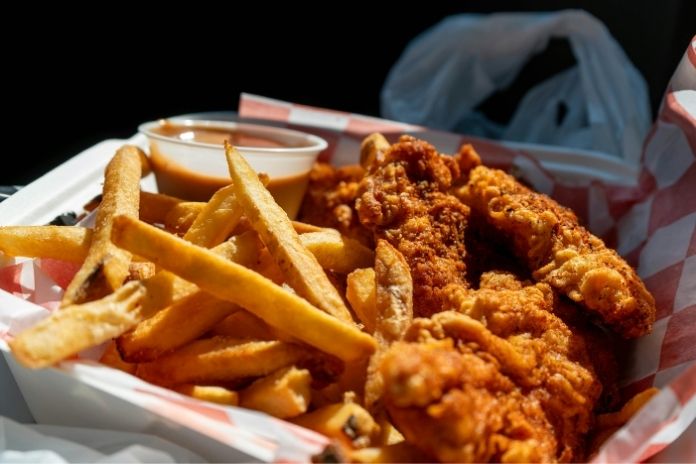
Generally fried with recycled oils containing high levels of trans fats and oxidized fat. They:
- Increase inflammation associated with abdominal weight gain.
- Slow digestion may lead to bloated feelings and discomfort.
- Provide calories while lacking nutrients, hence making fat storage easier.
Menopausal women are particularly sensitive to inflammatory fats, and these foods contain significant amounts of them.
6. Foods High in Saturated Fat (Certain Meats & Full-Fat Dairy)
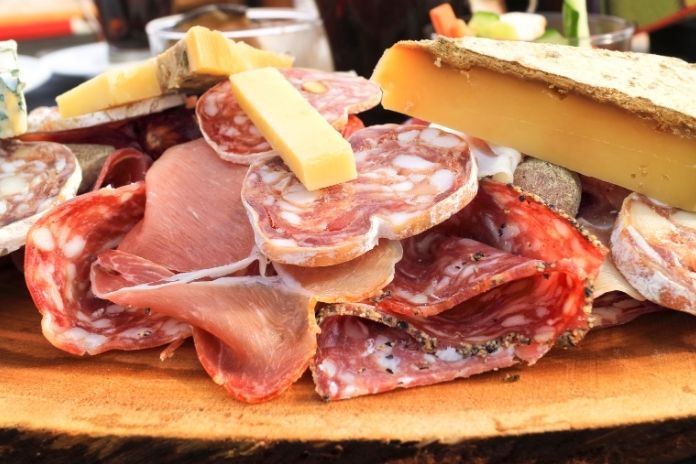
Not all saturated fat is bad. But midlife metabolism changes how your body handles it. Excessive saturated fat can:
- Increase visceral fat accumulation.
- Worsens inflammation in women who already have lower estrogen levels.
- Act with insulin resistance and drive fat deposition to the belly.
Moderation is what matters, not elimination. Examples include bacon, sausage, fatty red meat, heavy butter dishes, and full-fat cheese.
7. Highly Processed Carbohydrates at Night
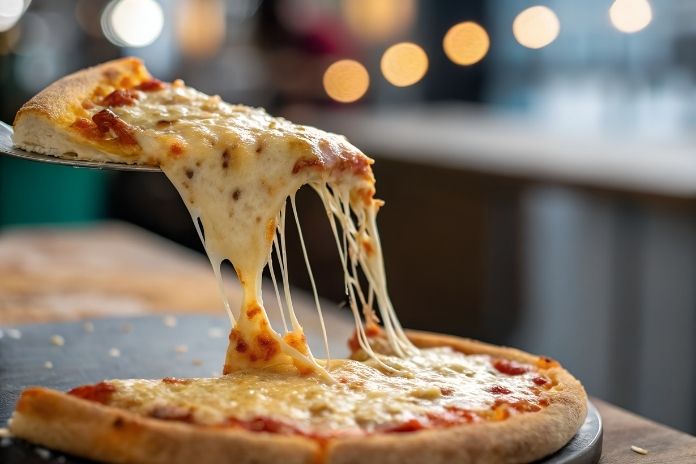
This is one of the most common menopause diet mistakes that many women don’t realize they are making. Avoid processed carbs at night because:
- Insulin sensitivity is naturally at its lowest.
- Menopausal insulin resistance is an added layer.
- Late-night refined carbs cause bigger blood sugar spikes.
- Calories in the evening are generally stored as fat.
Examples include noodles, pizza, white rice bowls, desserts, and heavy bread meals.
8. Artificial Sweeteners
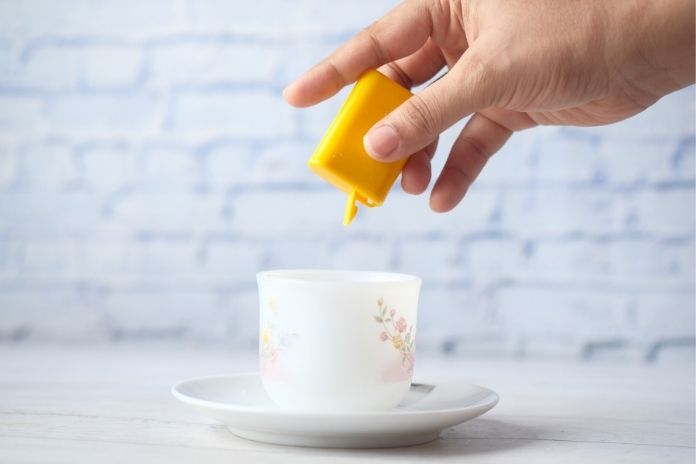
Artificial sweeteners can indirectly contribute to belly fat by:
- Greater cravings since the brain will be anticipating actual sugar.
- Disrupting gut bacteria may affect metabolism and weight control.
- This leads to overeating later because of a “calorie mismatch.”
Some studies also suggest that they may worsen belly fat despite zero calories. Examples include diet soda, sugar-free desserts, sugar-free gum, and low-calorie sweeteners.
9. Foods High in Sodium
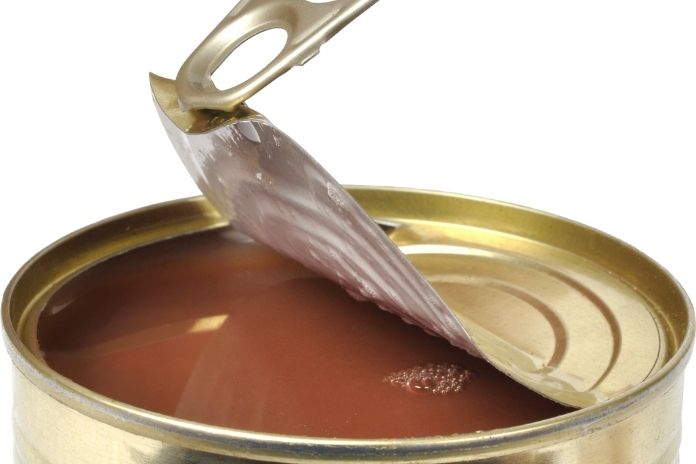
High-sodium foods worsen menopause belly fat by:
- Holding extra water around the midsection.
- High blood pressure, which usually rises after age 40.
- Contributing to inflammation and bloating.
These foods don’t just add fat. They make existing belly fat look more pronounced. Examples include canned soups, instant noodles, frozen meals, deli meats, and packaged gravies.
Read More: Does Soy Really Help With Menopause Symptoms? Here’s What Doctors Say
Foods That Seem Healthy But Worsen Menopause Belly Fat
Menopausal metabolism becomes super sensitive to hidden sugars, refined ingredients, and processed additives. Many foods advertised as “healthy,” “light,” or “natural” quietly increase abdominal fat by triggering spikes in blood sugar, cravings, bloating, and inflammation.
The following might appear healthy, but worsen menopausal belly fat:
1. Low-Fat But High-Sugar Products

Examples include low-fat yogurts, dressings, and granola bars. Why do they backfire?
- Removing fat often means adding sugar, starches, and artificial thickeners.
- They digest rapidly and cause sharp glucose spikes, to which menopausal women are more vulnerable due to rising insulin resistance.
You may experience stronger hunger, less satisfaction, causing more belly fat.
2. “Healthy” Cereals or Granola
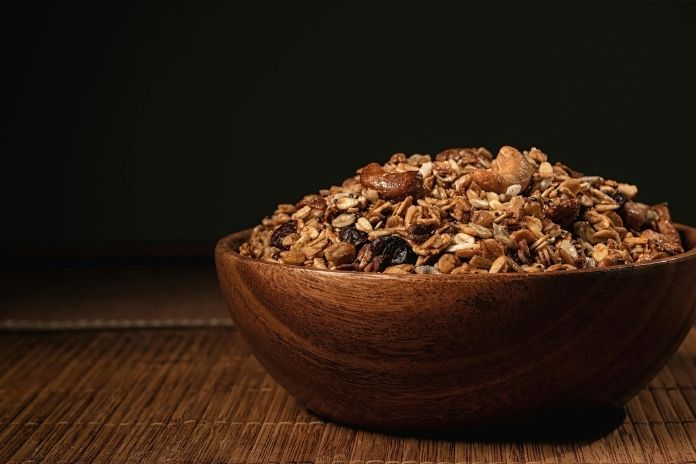
Healthy cereals or granolas are often branded as “natural,” “protein-packed,” or “whole grain,” but still loaded with syrups, added sugars, and refined grains.
Why they backfire:
- They cause a morning spike in glucose levels, followed by a crash.
- During menopause, this pattern leads to cravings and belly fat.
Most granolas contain significant amounts of oils and sweeteners, drawing them closer to dessert than an actual breakfast.
3. Plant-based Meat Alternatives
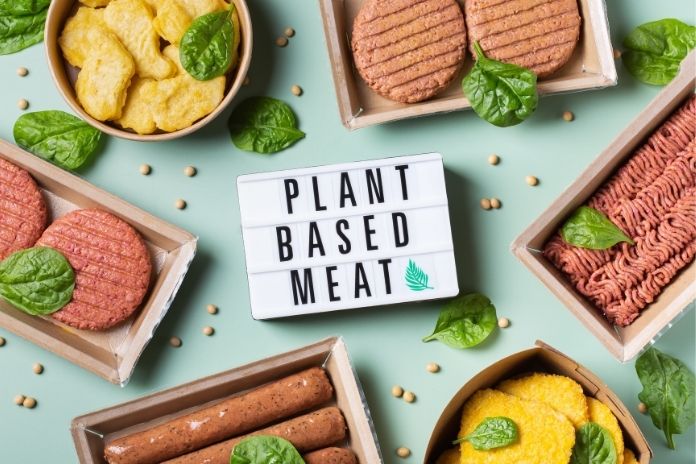
Plant-based options help in losing weight. Why they backfire:
- The packaged substitutes are often ultra-processed, contain starches, sodium, gums, and inflammatory oils.
- This adds bloating and water retention.
Protein quality is often lower, so they don’t satisfy hunger well. This may lead to snacking and consuming higher overall calories when insulin sensitivity is already down.
4. Fruit Smoothies That Are Too Fruity
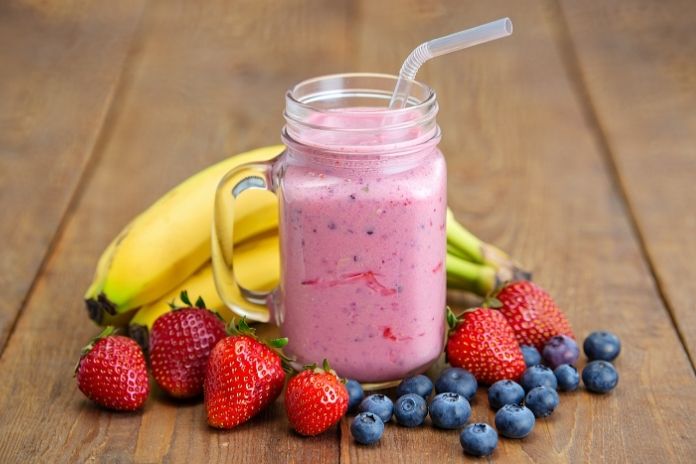
Fruit-heavy blends feel healthy but deliver a concentrated dose of fructose.
Why they backfire:
- High fructose levels are hard for the menopausal metabolism to process.
- Blending breaks down fiber, leading to rapid spikes in blood sugar.
- Excess fructose is then broken down into fat in the liver, especially visceral belly fat.
Various add-ins, such as juice, honey, dates, or sweetened plant milk, increase sugar even more.
Read More: Ease Menopause Symptoms: 6 Cooling Gel Pads for Hot Flash Relief
Conclusion: Manage Menopause Belly Fat by Making Smart Food Choices
Menopause belly fat is not unavoidable, but it is reversible. Yes, hormonal changes make your body more sensitive to sugar, stress, and processed foods, but the right eating habits can reverse much of the midsection weight gain.
You can stabilize your blood sugar, reduce bloating, and support a healthier metabolism by cutting back on hidden sugars, avoiding misleading “healthy” products, and opting for whole, more satisfying foods.
Small, consistent changes make for a big difference. And with the right approach to nutrition, you can feel lighter, stronger, and more in control of your body again.
References
- Menopause Centre. (n.d.). How menopause affects your waistline. Menopause Centre
- Zing Wellbeing. (n.d.). Menopausal belly fat: 10 foods to avoid and 10 foods to eat. Zing Wellbeing
- Gajulapalli, A., & Reddy, B. (2023). Metabolic dysfunction during the menopausal transition. Nutrients, 15(2), 444
- OnlyMyHealth. (n.d.). Foods to avoid to get rid of belly fat during menopause
- Journal of Applied Science & Social Science. (2025). The menopausal transition and dietary considerations. International Journal of Applied and Social Science, 12(5–6), 278–283.
In this Article