









Let’s be real – when it comes to feminine hygiene, most of us grew up hearing “just stay clean” or “don’t talk about such things.” And that’s it.
But the truth? Hygiene “down there” isn’t only about soap and water. It’s about balance. Comfort, skin health, pH, and even mental ease.
Now, essential oils – yes, the same ones we use in diffusers and hair masks – are quietly finding a place in women’s hygiene routines. Not because they smell fancy, but because some of them actually have antibacterial and soothing properties.
Used right, essential oils can help reduce irritation, manage odor, and keep things feeling fresh – without burning your skin off (we’ve all made that mistake once).
So, this article isn’t about fancy spa vibes. It’s about real women, real hygiene, and a few drops of nature that actually make sense.
The Basics of Feminine Hygiene
First things first – feminine hygiene is not some separate, mysterious science. It’s just body care for a part of your body that’s a bit more sensitive and misunderstood.
The vagina? It’s self-cleaning. Yes. It’s got its own microbiome that handles business just fine – no “deep cleaning” or “deodorizing” needed.
The outer area, the vulva, is where you focus on – sweat, bacteria, irritation – that’s what you clean to stay comfortable.
Common myths?
- “A strong smell means dirty.” Nope. Mild odor is normal. Strong smell withitching or discharge? That’s when you check with a doctor.
- “Using perfume or scented wash keeps it fresh.” It usually does the opposite. Harsh products ruin the natural pH.
- “Everyone’s supposed to smell like rose petals.” Definitely not. Real bodies have real scents.
And honestly, the basics still win – wearing cotton underwear, drinking enough water, washing gently, and keeping the area dry. Essential oils are just a bonus layer.
Some, like tea tree or lavender, naturally fight bacteria or calm irritation. But that doesn’t mean you start pouring them on. Essential oils are concentrated. You need to use them correctly and dilute them properly.
So let’s begin by uncovering a few of these oils that can help enhance your hygiene routine.
Essential Oils for Feminine Hygiene
Let’s get to the real list. Safe-ish (because nothing is 100% safe for everyone) oils you can use for outer feminine care – if you dilute properly and patch test.
1. Lavender Oil (Lavandula angustifolia)
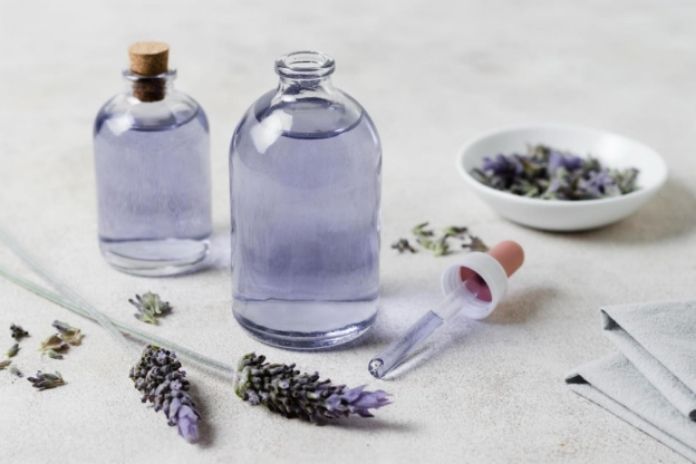
Soothing, calming, and really good when the outer intimate skin feels irritated, dry, or sensitive. Some studies show it can even help with yeast issues when used properly.
Lavender is often preferred by people with sensitive skin because it is gentler than stronger antimicrobial oils and less likely to cause irritation when properly diluted.
How to use (external care only): Mix one drop of lavender oil in 10 ml of a carrier oil (such as coconut, almond, or jojoba oil). Apply a small amount to the outer vulvar area once daily to soothe irritation, post-shaving sensitivity, or general discomfort. If you want something even gentler than essential oils, a simple herbal tea rinse or sitz bath can be very comforting.
Additionally, try chamomile tea or plain lavender tea (using the dried herb or tea bag, not the essential oil). Brew it, let it cool completely, and use it as a mild external rinse or sitz bath for the intimate area. This method is mild, soothing, and generally well tolerated by most people.
2. Tea Tree Oil (Melaleuca alternifolia)
The classic antibacterial and antimicrobial champ. Tea tree essential oil has shown antifungal activity against Candida in laboratory and early clinical studies when used in properly diluted forms.
Use: 1 drop of tea tree oil in 10 ml carrier oil (like jojoba or sweet almond oil). Apply externally, not inside, and do so just once a day. Great for mild odor or irritation.
At the very first sign of mild itching or discomfort, another gentle option is to add 1 drop of diluted tea tree oil to a panty liner. This allows the vapours to reach the area without direct skin contact, reducing the risk of irritation while still offering antimicrobial support.
3. Ylang‑Ylang Oil (Cananga odorata)
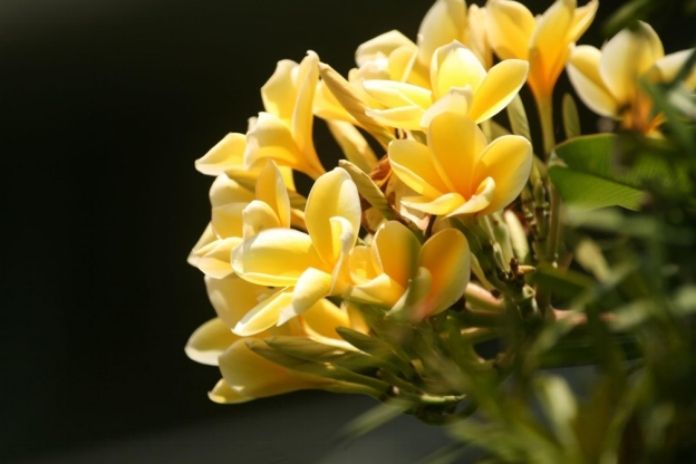
Smells beautiful and helps balance oil production on the skin. Some say it supports hormone balance, too.
Use: 2 drops + 10 ml carrier oil, apply after bath for that soft, clean feel.
4. Geranium Oil (Pelargonium graveolens)
This one is a mood lifter. It calms the mind and skin, and even a single drop mixed into your balm or body oil gives a soft, relaxing aroma.
Geranium oil is often recommended for water retention, and many women use it during pre-menopause as well. When it’s blended with a bit of peppermint and clary sage, it can help ease hot flushes and that heavy, uncomfortable feeling.
5. Lemongrass Oil (Cymbopogon spp.)
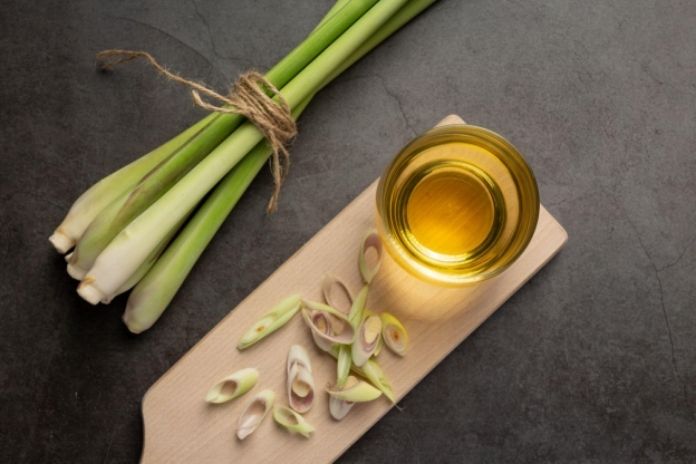
Great for odor control and vaginal infection. It’s strong, so go easy – 1 drop per 15 ml carrier oil. Once in a while, not daily.
Choosing high-quality oils:
- Only buy pure, safe essential oils (not “fragrance oils”).
- Avoid plastic bottles and cheap fakes – they oxidize fast.
- Store them away from sunlight or air.
- And yes, always dilute. Essential oils are strong enough to burn skin if used raw.
Read More: Boost Your Mood Naturally: 7 Essential Oil Diffusers for Stress Relief
Addressing Common Feminine Hygiene Concerns
Let’s talk about those awkward feminine hygiene concerns people usually only whisper about.
Odor
Most of the time, a mild smell is just… normal. But if it’s strong or fishy, get checked for infection.
For regular freshness, a light external spray (lavender + witch hazel) can help. Oils like tea tree or lemongrass reduce bacteria that cause odor – but again, use externally only.
Irritation / Dryness
Usually happens from over-washing or wearing tight synthetics. A drop of lavender or geranium (in coconut or almond oil) helps calm it down. Coconut oil alone also works fine.
Infections (yeast/bacterial)
There’s research showing lavender and tea tree oils fight yeast. But these are lab studies, not guaranteed cures. Another study found a herbal vaginal product effective in vaginal infection.
If you’re itchy or uncomfortable for more than a couple of days, go see a gynecologist. Please don’t self-treat serious issues with “homemade remedies”.
Read More: Essential Oils for Allergies: Natural Relief Guide
Safe Usage of Essential Oils and Precautions
“Natural” doesn’t always mean “safe in any way you like”. When using essential oils for feminine hygiene, you must be cautious. So, consider these precautions in using essential oils:
- Always dilute. 1–2 drops of essential oil in 10 ml of carrier oil.
- Never use it inside the vagina. That’s like pouring perfume in your eye.
- Patch test first. Try on your inner arm. Essential oils contain many chemicals that can cause skin issues.
- Store oils properly. Old oils oxidize and can cause burns or rashes.
- Pregnancy alert. Some oils are a no-go. Always ask your doctor first. Essential oils are not regulated as medicines.
Remember: cleanliness doesn’t mean sterilizing. Overdoing oils, douching, or constant “freshness” rituals actually cause more problems.
Essential oils can support comfort when used correctly, but restraint matters more than quantity. Overuse or internal application can easily disturb sensitive, intimate skin rather than improve hygiene.
“In intimate care, essential oils should be diluted, used externally, and kept to a minimum. The vaginal environment already regulates itself, and internal use can disrupt its natural balance rather than support hygiene,” explains Daniela Niculet, an essential oil specialist, reinforcing why gentle, external use is always the safest approach.
Read More: 14 Beneficial Essential Oils For High Blood Pressure (2 Which Are Not)
DIY Feminine Hygiene Products
Let’s make it simple and affordable. These DIYs are cheap, chemical-free, and you actually know what’s in them. But again, external use only.
1. Quick Refresh Spray
- 100 ml boiled and cooled water
- 2 tbsp witch hazel
- 1 drop lavender + 1 drop geranium
- 1 tsp jojoba oil
Mix and shake in a dark-glass spray bottle. Use after a bath or workout, but shake it before each use. Refrigerate for up to 1 week.
2. Calm Balm
- 1 Tbsp shea butter
- 1 Tbsp coconut oil
- 2 drops of tea tree oil
Melt, mix, let cool, and apply a tiny bit to the outer area. Use at most once daily. Helps with chafing or dryness.
3. Sitz Bath Soak
- Warm water basin
- ½ tsp baking soda
- 2 drops lavender oil
Fill a basin with warm water and stir. Add essential oils. Sit for 10 mins, pat dry. Great after your period or when irritated.
Read More: 6 Invigorating Orange Essential Oils to Uplift Your Mood
Professional Insights
Doctors aren’t against essential oils – they just hate when people use them wrong.
Dr. Rinky Kapoor, Consultant Dermatologist, says that diluted oils are good to use for external hygiene, especially when chemical washes irritate.
But sexual health nurses, like a Clinical Nurse Specialist, are clear about the “never apply oil inside” thing. And the fact that the vagina already maintains its own naturally protective environment.
So, use essential oils only as a support practice, not as your go-to solution. Combine with breathable underwear, clean water rinse, and see a gynecologist when things feel off. Holistic health isn’t about throwing oils at every problem – it’s about balance.
Read More: Breathe Better: 8 Essential Oils to Soothe Asthma Symptoms
Real Talk Wrap-Up
Honestly, most women never learned how to care for their intimate health properly. It’s either “don’t talk about it” or “buy this fancy pink wash”. Somewhere in between lies the real care – gentle, natural, and sensible.
Essential oils fit beautifully when used correctly. Not to replace hygiene, but to support comfort and confidence.
So, take it easy. Use only what your skin likes. Don’t aim for “smelling like flowers.” Aim for feeling clean, calm, and comfortable in your own skin.
Because real wellness is not about masking scent – it’s about understanding your body. It just needs respect.
Read More: Essential Oils vs. Synthetic Fragrances: Which One Is Actually Safer?
Key Takeaways
- Feminine hygiene is about comfort and balance, not strong perfumes.
- A few essential oils (tea tree, lavender, geranium) can help – only when diluted and used externally.
- Never put oils inside the vagina.
- DIY products can be safe, cheap, and chemical-free if made properly.
- True freshness = water, cotton, rest, and self-respect.
FAQs
1. Why does my vagina smell different sometimes?
Hormones, diet, or sweat. Mild odor is normal. Only worry if it’s fishy or sour with discharge.
2. How do I stop irritation after shaving?
Apply a mix of aloe vera + 1 drop lavender oil in 10 ml carrier oil. Works like a charm.
3. Can I use my regular perfume down there?
Never. Fragrance molecules + intimate skin = disaster.
4. What’s the best daily hygiene habit?
Wash with warm water, wear cotton underwear, change pads/tampons on time, and stay hydrated. Simple stuff works.
5. Can I use coconut oil as it is?
Yes, plain coconut oil is gentle for external use and helps with dryness.

References
- Alam, P., Imran, M., Ali, A., & Majid, H. (2024). Cananga odorata (Ylang-Ylang) Essential Oil Containing Nanoemulgel for the Topical Treatment of Scalp Psoriasis and Dandruff. Gels, 10(5), 303.
- Chen, X., Lu, Y., Chen, T., & Li, R. (2021). The Female Vaginal Microbiome in Health and Bacterial Vaginosis. Frontiers in Cellular and Infection Microbiology, 11(631972).
- Dosoky, N. S., & Setzer, W. N. (2021). Maternal Reproductive Toxicity of Some Essential Oils and Their Constituents. International Journal of Molecular Sciences, 22(5), 2380.
- Esmaili, M., Sarhadynejad, Z., Salari, Z., Dehesh, T., Lashkarizadeh, M., Tajadini, H., & Kamali, M. (2024). Effect of Cymbopogon olivieri-based herbal vaginal product on bacterial vaginosis. Revista Da Associação Médica Brasileira, 70(6).
- Hou, G., & Huang, T. (2024). Essential oils as promising treatments for treating Candida albicans infections: research progress, mechanisms, and clinical applications. Frontiers in Pharmacology, 15.
- Lee, H., & Lee, S. (2024). Development of essential oil-containing antimicrobial and deodorizing nanofibrous membranes for sanitary napkin applications. Journal of Industrial Textiles, 54.
- Nascimento, T., Gomes, D., Simões, R., & Miguel, M. G. (2023). Tea Tree Oil: Properties and the Therapeutic Approach to Acne—A Review. Antioxidants (Basel), 12(6), 1264–1264.
- Sabzghabaee, A. M., Shirdare, Z., Ebadian, B., Aslani, A., & Ghannadi, A. (2011). Clinical evaluation of the essential oil of Pelargonium graveolens for the treatment of denture stomatitis. Dental Research Journal, 8(Suppl1), S105.
- Sindle, A., & Martin, K. (2020). Essential oils – Natural products not necessarily safe. International Journal of Women’s Dermatology, 7(3).
- Tomás, M., Sousa, V., Oliveira, A. S., Gomes, C. P., Palmeira-de-Oliveira, A., Cavaleiro, C., Salgueiro, L., Nuno Cerca, José Martinez-de-Oliveira, & Palmeira-de-Oliveira, R. (2023). Vaginal Sheets with Thymbra capitata Essential Oil for the Treatment of Bacterial Vaginosis: Design, Characterization and In Vitro Evaluation of Efficacy and Safety. Gels, 9(4), 293–293.
- Vito, M. D., Fracchiolla, G., Mattarelli, P., Modesto, M., Tamburro, A., Padula, F., Agatensi, L., Giorlandino, F. R., Girolamo, A., Carbonara, G. G., Carrieri, A., Corbo, F., & Mondello, F. (2016). Probiotic and Tea Tree Oil Treatments Improve Therapy of Vaginal Candidiasis: A Preliminary Clinical Study. Medical Journal of Obstetrics and Gynecology, -.
In this Article