












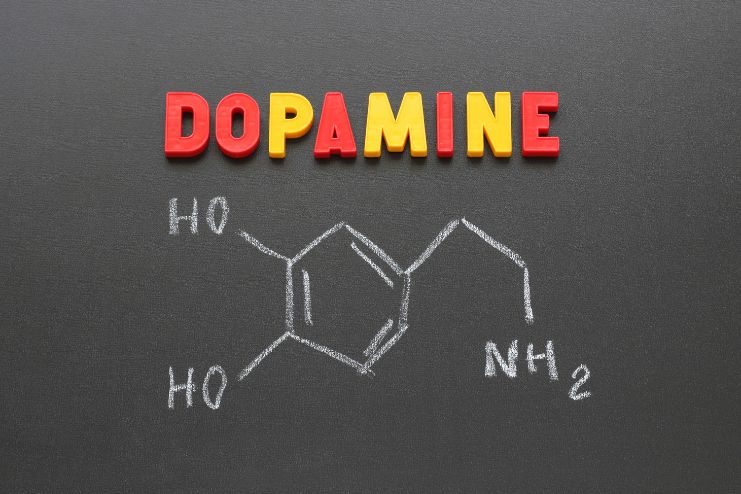
Dopamine is one of those powerhouse chemicals in the brain that does way more than we often give it credit for. Often referred to as the “feel-good” neurotransmitter, dopamine plays a crucial role in shaping our experience of pleasure, motivation, and the drive to pursue goals.
It’s basically the brain’s way of rewarding us for doing things that are beneficial, whether that’s eating a good meal, achieving something at work, or even just hearing your favorite song. When dopamine is released, we experience a sense of satisfaction or excitement that motivates us to seek more.
But dopamine’s influence doesn’t stop at good vibes; it’s deeply tied to how we make decisions and form habits. It’s like the brain’s internal compass, nudging us toward actions that are likely to bring positive outcomes.
Low levels of dopamine, on the other hand, can make everything feel like a chore, leading to issues like low motivation, fatigue, or even symptoms of depression. That’s why understanding how dopamine works isn’t just interesting, it’s vital to mental and emotional well-being.
As we dive deeper into the fascinating world of neuroscience, dopamine stands out as a key player in the complex network that shapes our behaviors, moods, and even our sense of purpose. It’s not just about feeling good, it’s about what drives us, what keeps us moving forward, and how we respond to life’s challenges and rewards. So, the more we understand this chemical messenger, the better equipped we are to nurture healthier minds and lead more fulfilling lives.
Understanding Dopamine
The Science Behind Dopamine
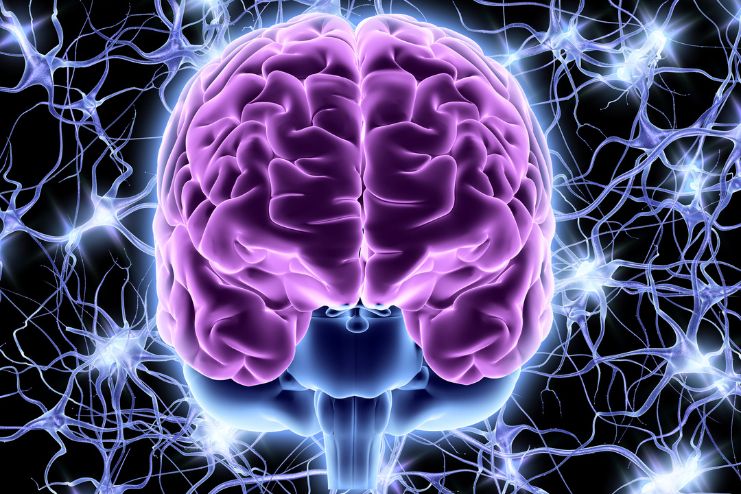
Dopamine is one of the brain’s most fascinating chemicals—an essential neurotransmitter that helps keep our mental and emotional lives balanced. At its core, dopamine acts as a chemical messenger, helping neurons (nerve cells) communicate with one another. But its role goes far beyond basic signaling.
What Makes Dopamine So Important?
Dopamine touches nearly every part of our mental functioning. It plays a vital role in:
- Mood regulation – Helping us feel emotionally balanced.
- Pleasure and satisfaction – Creating those “feel-good” sensations.
- Motivation – Driving us to pursue goals and rewarding activities.
- Cognitive functioning – Influencing attention, learning, and decision-making.
Rather than being just a background player in the brain’s inner workings, dopamine is a powerful force in shaping how we think, feel, and behave. It’s central to our emotional well-being and goal-directed behavior, making it a key player in both neuroscience research and everyday mental health.
The Dopamine Reward Pathway
Ever wonder why we feel good after achieving something or enjoying our favorite activity? That’s the dopamine reward pathway at work. This brain circuit encourages us to repeat behaviors that lead to positive outcomes by creating a sense of pleasure or satisfaction.
How the Reward System Works
Dopamine is the engine behind the brain’s reward system. Here’s how it operates:
- Triggering release – When we do something rewarding, like eating, exercising, or socializing, dopamine is released.
- Reinforcing behavior – The brain links the activity to the pleasant feeling, making us more likely to repeat it.
- Survival and habit formation – Many of these dopamine-triggering activities are essential for survival, which is why this system evolved in the first place.
Beyond Rewards: Understanding Behavior
This reward mechanism explains much more than just simple pleasures. It also offers insight into:
- Addiction – Repeated artificial stimulation of the reward pathway (e.g., through drugs or certain behaviors) can lead to dependency.
- Motivation – People with balanced dopamine levels often feel more energized and driven.
- Mental health – Imbalances in dopamine are linked to conditions like depression, ADHD, and Parkinson’s disease.
Read More: 13 Ways To Wake Up With Motivation – Tackle What The Day Throws At You!
Dopamine-Boosting Lifestyle Changes

Boosting Dopamine Naturally: Lifestyle Habits for a More Joyful Life
Dopamine plays a powerful role in how we feel, act, and think. As a key neurotransmitter in the brain’s reward system, it’s responsible for feelings of pleasure, motivation, and satisfaction. The great news? You don’t need a lab or a prescription to keep your dopamine levels balanced; simple lifestyle changes can make a big impact.
Here’s a practical guide to everyday habits that naturally enhance dopamine production, helping you lead a happier, more energized life.
1. Exercise for the Win
When it comes to mood-boosting habits, exercise tops the list. Physical activity is not only great for cardiovascular health, but it’s also a reliable trigger for dopamine release in the brain.
Why it works:
- Aerobic workouts like running, cycling, or swimming stimulate the brain’s reward system.
- Regular movement reduces stress, improves sleep, and increases emotional resilience.
- Even low-intensity activities like walking or yoga can support steady dopamine levels over time.
You don’t need a grueling routine. Just moving your body consistently is enough to feel the benefits, mentally and physically.
2. Healthy Diet, Healthy Dopamine
What you eat directly affects your brain chemistry. Certain nutrients are essential for producing dopamine, especially tyrosine, an amino acid found in many protein-rich foods.
Dopamine-supporting foods include:
- Lean meats like chicken, turkey, and fish.
- Dairy products such as cheese and yogurt.
- Tyrosine-rich fruits and vegetables like bananas, avocados, and leafy greens.
Eating a well-rounded, nutrient-dense diet gives your brain the raw materials it needs to function at its best and helps stabilize your mood and focus.
3. Adequate Sleep for Dopamine Restoration
Sleep isn’t just for rest—it’s when your brain resets and restores essential neurotransmitters, including dopamine. Poor sleep habits can disrupt dopamine balance, leading to fatigue and a lack of motivation.
Tips for dopamine-friendly sleep:
- Stick to a consistent bedtime and wake-up schedule.
- Create a calming nighttime environment: cool, dark, and quiet.
- Avoid screens at least an hour before bed to help your brain wind down.
By prioritizing high-quality sleep, you give your body and brain a much-needed reset, supporting emotional stability and daytime focus.
4. Sunlight Exposure and Vitamin D
Natural sunlight plays a major role in mood regulation, largely due to its effect on dopamine and vitamin D levels. Just a bit of time outside can boost mental clarity and well-being.
Benefits of sunlight exposure:
- Encourages dopamine activity, improving mood and energy.
- Helps the body produce vitamin D, which supports healthy brain function.
- Promotes outdoor movement, which adds a second layer of dopamine boost.
Aim for at least 15–30 minutes of sunlight daily, especially in the early morning, for the best effect.
5. Mindfulness and Stress Reduction
Mindfulness practices do more than just help you relax—they actually support the brain’s reward system. Reducing chronic stress is one of the most effective ways to maintain steady dopamine levels.
Simple mindfulness techniques to try:
Meditation: Even 10 minutes a day can increase dopamine and promote calm.
Deep breathing: Activates the parasympathetic nervous system and supports neurotransmitter balance.
Gratitude journaling: Fosters positive thinking and dopamine release through reflection.
Incorporating mindfulness into your daily routine doesn’t need to be complicated. Start small and stay consistent.
6. Goal Setting and Achievement
Your brain thrives on progress. Each time you accomplish something—big or small—it triggers a dopamine release. This is why goal setting is such a powerful motivator.
Ways to use goals to fuel dopamine:
- Break large goals into manageable steps to stay focused and motivated.
- Celebrate small victories to keep the dopamine flowing.
- Set realistic, meaningful goals that align with your values and interests.
Whether you’re learning a skill or simply checking off a to-do list, every step forward keeps your brain engaged and motivated.
7. Novelty and Dopamine: Embrace New Experiences
Dopamine loves novelty. Trying something new—no matter how small—can reawaken curiosity and drive by activating the brain’s reward centers.
Easy ways to add novelty to your life:
- Explore a new hobby, activity, or creative project.
- Try different cuisines or visit unfamiliar places in your city.
- Read books from new genres or listen to podcasts outside your usual interests.
New experiences help you break routine, stimulate your brain, and invite more joy into everyday life.
Read More: Dopamine Dressing: Can the Right Colors Improve Your Mood?
The Takeaway: A Lifestyle That Supports Dopamine
Building habits that naturally boost dopamine is one of the most effective ways to support your mental and emotional well-being. From getting regular exercise and eating dopamine-rich foods to prioritizing rest, mindfulness, and novelty, these lifestyle shifts are rooted in real neuroscience—and they work.
Start small, stay consistent, and over time, you’ll find yourself more focused, energized, and connected to what truly makes life meaningful.
Tech Detox: Limiting Screen Time

In today’s digital world, screens are nearly impossible to avoid. From work and school to entertainment and social interaction, much of our daily life revolves around them. While technology offers undeniable benefits, excessive screen time can take a serious toll, particularly on the brain’s delicate balance of dopamine, the neurotransmitter responsible for motivation, pleasure, and focus.
Let’s explore how too much screen exposure can affect your mental health and dopamine levels—and more importantly, what you can do to restore balance.
The Dopamine Impact of Excessive Screen Time
Our brains are wired to respond to rewards, and dopamine is at the center of that system. But when screens flood us with constant stimuli—think notifications, social media likes, endless videos—it can lead to overstimulation and what researchers refer to as digital dopamine overload.
Here’s what happens with chronic screen exposure:
- Dopamine desensitization: Constant digital stimulation may dull the brain’s dopamine receptors, making everyday pleasures feel less rewarding.
- Decreased motivation: The brain starts craving high-stimulation content, making regular tasks feel boring or unappealing.
- Weakened focus: A fast-paced digital environment trains the brain for distraction, not sustained attention.
- Increased addictive tendencies: Overuse of digital media can mirror addictive behavior, making it harder to step away from screens.
The good news is, with conscious effort, you can reverse these effects and give your brain the reset it needs.
Why a Digital Detox Matters
A digital detox doesn’t mean giving up screens altogether—it’s about using them more intentionally. Creating space away from digital input gives the brain a chance to recover and helps recalibrate the dopamine system.
Here are practical strategies to help you reduce screen time and protect your mental clarity.
1. Set Boundaries Around Screen Use
Creating clear limits on screen time is the first step in restoring balance.
Try these boundary-setting ideas:
- Define specific hours for work and digital entertainment.
- Establish screen-free zones, such as bedrooms or dining areas.
- Schedule regular short breaks from screens during the day.
Boundaries help bring awareness to unconscious habits and foster a healthier tech routine.
2. Establish Tech-Free Time in Your Day
Designate moments in your routine where screens are intentionally set aside. These moments of calm are essential for mental restoration.
Activities to fill your screen-free time:
- Read a physical book or journal.
- Go for a walk or try a hands-on hobby like painting or gardening.
- Practice mindfulness or simple breathing exercises.
These breaks reduce sensory overload and give your dopamine system a chance to reset.
3. Prioritize Face-to-Face Connection
Digital communication is convenient, but nothing replaces the value of real, in-person interaction.
Why this matters:
- Strengthens emotional bonds and social well-being.
- Reduces reliance on digital feedback loops (likes, messages, etc.).
- Provides natural dopamine boosts through eye contact, laughter, and shared experiences.
Make an effort to choose face-to-face connections whenever possible—it’s good for the brain and the heart.
4. Use Screen Time Tracking Apps
Ironically, one of the best ways to manage your screen use is with the help of technology itself. Screen tracking apps offer insights that bring unconscious habits to light.
Benefits of using screen tracking tools:
- Monitor daily and weekly usage trends.
- Set app limits or timed breaks.
- Encourage mindful decision-making about when and why you pick up your device.
Awareness is the first step to making meaningful changes.
5. Create a Digital Sabbath
A “digital Sabbath” is a full day, usually once a week, set aside to unplug from all screens. It’s a powerful way to give your brain a complete reset.
How to make it work:
- Choose one consistent day (e.g., Sunday) and commit to avoiding all devices.
- Plan offline activities ahead of time to reduce temptation.
- Use the time to reflect, rest, and reconnect with yourself or loved ones.
This intentional break allows your mind to clear and your dopamine system to rebalance.
6. Get Outdoors and Be Active
Nature and movement are natural mood enhancers, and they offer a healthy alternative to screen-based stimulation.
Ways to reduce screen time with outdoor activity:
- Go for a run, hike, or bike ride.
- Spend time in a park, garden, or by the water.
- Organize outdoor games or group fitness activities.
Sunlight, fresh air, and physical movement all support dopamine production and improve mental clarity.
Conclusion
We’ve explored seven powerful techniques that can truly transform the way we understand and manage motivation, all rooted in how dopamine functions in our brain. From nourishing your body with the right foods to moving regularly, sleeping well, and getting out into the sunlight, each habit plays a role in keeping your brain’s reward system balanced and responsive. These aren’t just feel-good tips; they’re science-backed strategies that support emotional resilience, focus, and overall well-being.
But here’s the key—it’s not about doing everything perfectly or overhauling your life overnight. It’s about weaving these habits naturally into your daily rhythm. Choosing movement that energizes you, preparing meals that fuel both body and brain, setting goals that feel meaningful, and making space for rest and mindfulness—all of it contributes to a more stable and satisfying mental state. Small, intentional changes over time can lead to real, lasting improvements.
So instead of treating these techniques like temporary fixes, try viewing them as core parts of a lifestyle that supports you in the long run. By being mindful about how you eat, move, sleep, connect, and challenge yourself, you’re not just chasing short-term motivation—you’re building a foundation for sustained energy, joy, and fulfillment. The more consistently you show up for your well-being, the more your brain will reward you for it.
References
- https://my.clevelandclinic.org/health/articles/22581-dopamine
- https://www.healthdirect.gov.au/dopamine
- https://www.webmd.com/mental-health/what-is-dopamine
- https://www.ncbi.nlm.nih.gov/pmc/articles/PMC3032992
- https://neuroscience.mssm.edu/nestler/nidappg/brain_reward_pathways.html
- https://www.health.harvard.edu/mind-and-mood/dopamine-the-pathway-to-pleasure
- https://med.nyu.edu/departments-institutes/neuroscience/research/journal-club/journal-club-2022-articles/exercise-boosts-dopamine-release-this-requires-bdnf
- https://mydoctor.kaiserpermanente.org/mas/news/regular-exercise-benefits-both-mind-and-body-a-psychiatrist-explains-1903986
- https://www.bbcgoodfood.com/howto/guide/what-dopamine-diet
- https://www.ncbi.nlm.nih.gov/pmc/articles/PMC4684895/
- https://www.healthline.com/nutrition/how-to-increase-dopamine
- https://www.intechopen.com/chapters/62697
- https://www.eurekalert.org/news-releases/773506
- https://www.nature.com/articles/s41386-020-00903-5
- https://www.ncbi.nlm.nih.gov/pmc/articles/PMC3897598
- https://www.tandfonline.com/doi/full/10.1080/07315724.2015.1039866
- https://www.ncbi.nlm.nih.gov/pmc/articles/PMC2290997/
- https://pubmed.ncbi.nlm.nih.gov/11958969
- https://www.apa.org/topics/mindfulness/meditation
- https://www.healthdirect.gov.au/dopamine
- https://www.bmcofny.com/9-fast-easy-ways-to-boost-dopamine-the-doing-motivation-hormone
- https://www.ncbi.nlm.nih.gov/pmc/articles/PMC7057242
- https://flypaper.soundfly.com/discover/the-brain-needs-novelty-what-dopamine-and-newness-have-to-do-with-learning-music
- https://www.potsdam.edu/studentlife/wellness/counseling-center/what-does-screen-time-do-my-brain
- https://www.crossway.org/articles/6-keys-to-a-rewarding-digital-detox
- https://www.health.com/what-is-a-dopamine-detox-7504587
In this Article