











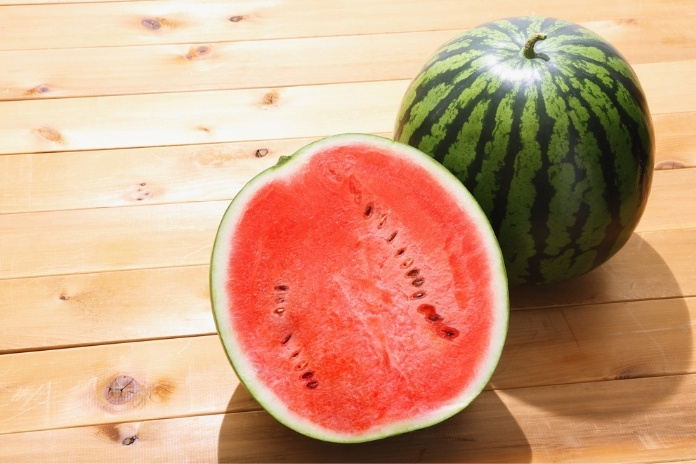
Watermelon is a refreshing fruit that is naturally sweet and high in water, making it more than just a summertime favorite. Beyond just keeping you cool on a hot day, many people are curious about whether watermelon actually causes bowel movements.
Similar to the previous fuss around yellow dragon fruit, the latest claim is that eating watermelon can also help with your “go.”
TikTok is becoming a popular platform, with influencers, regular users, and medical professionals all claiming that watermelon helps them stay regular. “Can watermelon help you poop? Trust me. It can,” Susan Wong, a nurse and the creator behind “Butt Talks TV” on TikTok and Instagram, captioned a video.
What’s the deal? According to Wong, watermelon has a ton of water (hence the name). H2O does more than keep us hydrated—Wong says it acts as an essential laxative for “keeping your colon goin’ and flowin’.”
This article will discuss the effects of watermelon on digestion, the reasons it might help you maintain regularity, and the situations in which it makes you feel uncomfortable.
Read More: Do You Need to Poop After Coffee? Here’s What It Means
Watermelon Nutrition Basics
At any time of year, watermelon is a tasty and nutritious treat. For some enjoyable occasions, watermelon seeds and watermelon rinds go hand in hand. Regularly eating fruit and vegetables may reduce the chance of developing certain diseases in people.
At any age, fruits give the body the nutrition it needs to stay healthy. Watermelon can be considered a very good source of vitamin C and is free of fat, saturated fat, cholesterol, and salt.
In addition to water, watermelon has a trace amount of fiber, which is essential for a healthy digestive system.
A serving of watermelon has 92 calories, making it a low-calorie and nutrient-dense fruit. It contains the potent antioxidant lycopene. Potassium, vitamin C, and vitamin A are also abundant in watermelon.
The ideal, delightful, and nutritious sweet treat is watermelon.
- 46 kcal
- Twelve grams of carbs
- .26 milligrams, or 865 international units (IU) of vitamin A
- Twelve milligrams of vitamin C
- 170 potassium milligrams
- Vitamin B6 0.1 milligrams
- No salt, fat, or cholesterol
Vitamin A is essential for our healthy skin and eyes. Vitamin B6 is necessary for neurological and immune system function and aids in the breakdown of protein in food. Vitamin C facilitates iron absorption and boosts the immune system. Potassium is essential for nerve function and can help reduce blood pressure.
How Watermelon Affects Digestion
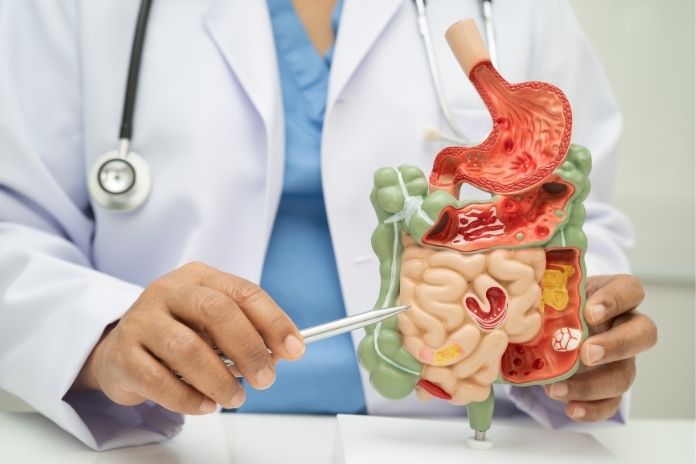
Eating watermelon promotes regular and simpler bowel motions. Because the fruit contains almost 93% water by weight, it supports proper hydration in your body and digestive system. Stools (poop) may become softer and easier to pass with sufficient water intake.
In addition to water, sugar may also be the reason for the bathroom visit. Ripe watermelon is sweet, supplying about nine grams of naturally present fruit sugar per one cup diced. Most of us don’t have any trouble digesting that fruit sugar (aka fructose), but others with IBS or other digestive disorders might not have it so easy, says Chrissy Carrol, MPH, RD.
According to research, 95% of Americans may not be getting enough fiber each day. Another excellent source of fiber is watermelon. 1.14 grams (g) of fiber are found in one wedge, or around one-sixteenth, of a watermelon. A small amount of fiber can help your stool move through your intestines by adding volume.
A well-balanced diet that includes watermelon may help enhance gut health and avoid constipation.
For those individuals, certain foods, such as watermelon, can cause bloating, diarrhea, gas, or other gastrointestinal symptoms, says Manju Karkare, RD, a private practice dietitian specializing in gut health.
Read More: 6 Causes of White Poops in Toddlers
Is Watermelon Good for Constipation?
Typically, it can be answered “yes” to the question of whether watermelon can ease constipation. It’s a pleasing natural remedy due to watermelon’s gentle fiber kick and hydrating properties. The small amount of fiber provides enough actual bulk to stimulate a bowel movement, but not by placing excessive demands on the digestive tract. At the same time, the watermelon is over 90% water, which helps keep stools soft and easy to pass.
Watermelon is a more wholesome and safer option than the strong stimulant laxatives that can aggravate the stomach or cause dependency. It’s an enjoyable option for people seeking to alleviate mild constipation, as it provides hydration and supports digestion simultaneously.
Watermelon works best when incorporated into a healthy, balanced diet and paired with fiber-rich foods like whole grains, leafy greens, beans, or other fruits to support long-term gut health.
Can Overeating Watermelon Cause Diarrhea?

You’re not the only person who has ever pondered if watermelon can help with diarrhea. Many people reach for watermelon when they’re feeling ill or dehydrated because it’s a popular and pleasant fruit. But is it healthy to eat watermelon when you have diarrhea? This subject comes up frequently, particularly when people are seeking natural ways to calm their stomach and alleviate loose motions.
Since watermelon is primarily composed of water and staying hydrated is crucial when experiencing diarrhea, it is a brilliant idea to use it to alleviate the condition. But there is more to the association between watermelon and diarrhea than meets the eye. While some people find that watermelon helps with diarrhea, others find that it exacerbates the condition.
When you have diarrhea, one of your primary concerns is determining which foods may help alleviate your symptoms and which ones could exacerbate your condition. Watermelon is naturally hydrating because it contains 92 percent water. Watermelon is a wise choice because drinking adequate fluids is essential to replenishing lost water and electrolytes during diarrhea.
However, the natural sugars in watermelon, such as fructose, can occasionally cause problems for those with sensitive stomachs. Eating watermelon during diarrhea can help some individuals stay hydrated and feel better. Others may have more lax mobility as a result. Therefore, your body’s reaction determines your level of safety.
Read More: Do Blueberries Make You Poop? Benefits And Causes
Tips for Healthy Digestion With Watermelon

Like all fruits, watermelon can be a significant incorporation into your diet, but the way you consume this fruit does impact its absorption.
- First rule is moderation; to gain the benefits without stressing your belly, keep each serving size to about 1-2 cups.
- Also, hydration is essential. Your body needs a consistent daily intake of water to maintain a well-functioning digestive system and avoid constipation, even when consuming watermelon, which is hydrating. Watermelon can be viewed as an additive to your daily water intake, rather than relying solely on fruit to stay hydrated.
- For added digestive support, try to pair watermelon with other gut-friendly foods. A bowl of oats, topped with fresh watermelon cubes, or a watermelon-yogurt smoothie, combines natural sugars, fiber, and probiotics to positively impact overall gut health.
- Lastly, try not to overindulge in watermelon late at night. Your digestive system slows down while you sleep, and consuming a large meal right before bed may lead to bloating or discomfort.
Who Should Be Cautious?
While most individuals can safely enjoy watermelon, some may wish to exercise caution. The following individuals may want to consider being cautious when consuming watermelon:
Those with IBS: For those with previous IBS diagnoses, watermelon can cause internal distress.
Those with IBD: Watermelon’s fiber content can worsen intestinal bowel disorders such as Crohn’s disease or ulcerative colitis during a flare-up.
Those who have fructose intolerance: Watermelon is a fruit containing fructose sugar, which may lead individuals who may not tolerate it well to experience bloating, moderate loose stool, and other possible internal distress.
Individuals who require a low fluid diet: Watermelon is 93% water, and when consumed, it will increase its liquid content. Some individuals may need to be cautious if they cannot drink a lot of fluids.
People with diabetes: Watermelon contains a lot of sugar and can also raise blood sugar levels if consumed in excess.
Those with Kidney Disease: Persons who previously had end-stage renal disease or chronic kidney disease may want to be cautious while eating watermelon.
Persons with a watermelon allergy or sensitivity: Individuals who are allergic to watermelon, or may be sensitive to watermelon, should not eat watermelon.
Read More: What Does It Mean When Your Poop Floats? 8 Possible Causes
Conclusion
Watermelon is not just a refreshing activity for the summer; it can also aid in maintaining digestive health. It provides electrolytes naturally, mild fiber content, and is mostly water. Thus, it can be a safe way to enhance bowel movements and slightly reduce constipation. Many people believe that consuming fruit, such as watermelon, is sufficient to keep them hydrated, with a mild enhancement of digestion. There is no need for heavy treatments to accomplish these two goals.
However, moderation is essential. If watermelon is consumed in excess (especially for those with IBS, or those who are fructose malabsorbers or have sensitive stomachs), it could lead to bloat, cramping, or even diarrhea. So, moderation can gain the benefits while avoiding discomfort.
FAQs
Does watermelon make you poop instantly?
Depending on your individual digestive system, watermelon, with its high-water and lower-fiber content, can cause softer stools and ease transit time in a few hours (not immediately).
Can watermelon replace laxatives?
No, you cannot substitute a medical laxative for watermelon. Use it as part of a balanced, high-fiber, gut-friendly diet, as relying on it alone would not provide significant benefits against mild constipation.
Is watermelon good for IBS?
No, people with irritable bowel syndrome (IBS) are generally not considered to gain any benefits from watermelon.
Does seedless vs seeded watermelon make a difference?
Nutritionally, they are similar. Some might find the seedless varieties mildly easier to digest; however, there will not be a noticeable difference in the effect on the bowels or digestion with or without seeds.
References
- https://www.yahoo.com/lifestyle/does-watermelon-poop-asked-experts-180000398.html
- https://parade.com/health/does-watermelon-make-you-poop
- https://www.allrecipes.com/watermelon-make-you-poop-we-asked-experts-8653641
- https://www.youtube.com/c/ButtTalksTV
- https://www.mayoclinichealthsystem.org/hometown-health/speaking-of-health/the-wonders-of-watermelon
- https://www.healthprofs.com/us/nutritionists-dietitians/manju-karkare-wake-forest-nc/542884
- https://www.health.com/does-watermelon-help-you-poop-11808609
- https://www.nwhealth.edu/news/11-top-watermelon-health-benefits/
- https://pmc.ncbi.nlm.nih.gov/articles/PMC6124841/pdf/10.1177_1559827615588079.pdf
- https://www.medicinenet.com/why_is_too_much_watermelon_not_good_for_you/article.htm
- https://ask-ayurveda.com/articles/1333-is-watermelon-good-for-diarrhea-or-should-you-avoid-it
- https://www.linkedin.com/in/chrissytherd
- https://ask-ayurveda.com/articles/1333-is-watermelon-good-for-diarrhea-or-should-you-avoid-it
In this Article