













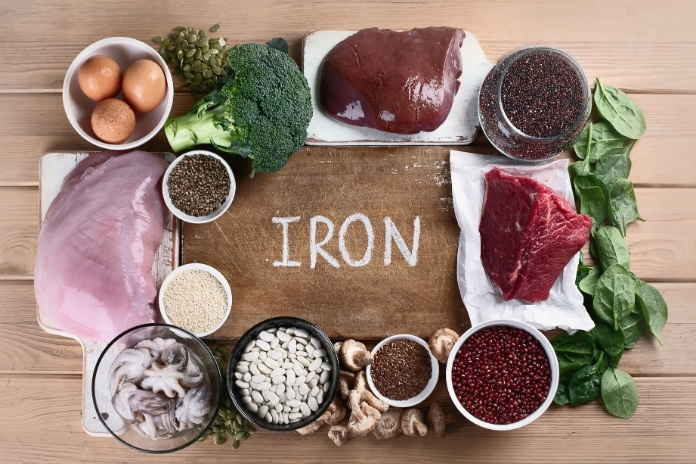
- Can’t stop chewing ice or noticing nails that bend or split? Your body might be waving a low-iron warning flag.
- Iron shortages usually sneak in through blood loss, poor absorption, or higher body demands.
- Symptoms like fatigue and pale skin usually appear later; early detection is key.
Have you ever been annoyed that your nails break so quickly or found yourself obsessively chewing ice? These odd physical symptoms, which range from brittle nails to craving ice, could be your body’s way of alerting you to an underlying nutritional imbalance, especially the iron deficiency anemia symptoms.
In this article, we’ll discuss these symptoms, their relationship to your body’s iron levels, and what to do if you notice them.

Read More: Pediatric Anemia Solutions: 5 Child-Friendly Supplements for Iron Deficiency
What Craving Ice and Brittle Nails Reveal About Iron Levels
Most people associate iron deficiency anemia symptoms with feeling tired, but iron’s role goes far beyond just supporting your energy levels. Your entire body needs iron; it’s essential for transporting oxygen via hemoglobin and ensuring your tissues function properly.
Reduced oxygen supply and red blood cell production due to iron depletion cause adaptive changes, some of which manifest as odd desires or physical changes.
Ice cravings, particularly frequent ice chewing, go beyond personal taste. It may be a sign of pagophagia associated with iron-deficiency anemia, a form of pica. The persistent desire and ingestion of non-nutritive materials such as ice, paper, or dirt is known as pica.
Iron deficiency anemia symptoms occur when the body lacks enough iron to produce healthy red blood cells. An interesting fact is that people with this type of anemia often crave ice. It isn’t just a random habit; it is common among individuals with low ferritin levels. And here’s the surprising part: once their iron levels return to normal, that unusual craving for ice usually goes away.
The structural integrity of proteins like keratin, which depend on a sufficient oxygen and nutrition supply to grow normally, may also be damaged by persistent brittle nail iron deficiency.
“Iron is an essential mineral that helps your body carry out a number of important processes,” explains Dr. Zuleikha Tyebjee, a primary-care physician at Houston Methodist. “One of the most essential roles iron plays is helping make and maintain healthy blood,” he adds.
Craving Ice (Pagophagia): Why It Happens
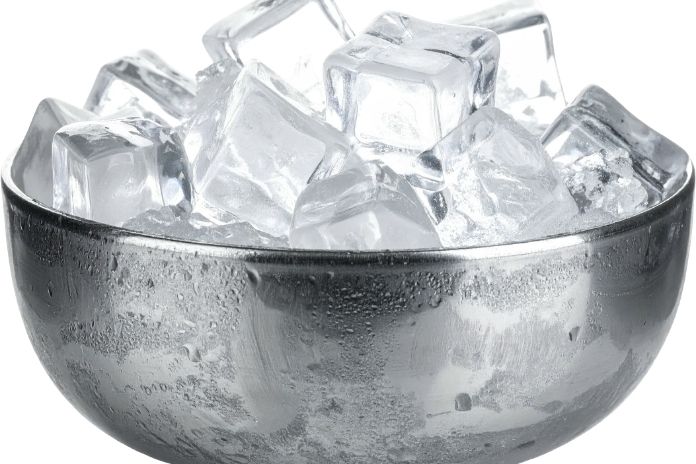
What Is Pagophagia?
You may have a disorder called pagophagia if you have a strong urge to chew on ice. It is frequently the result of a dietary deficit. Chewing ice regularly may harm your teeth and may indicate a medical issue.
A medical disease known as pica disorder is characterized by cravings for and consumption of non-food substances for at least one month. Other forms of pica include eating paper, paint chips, hair, or soil, but pagophagia (ice eating) is more prevalent and socially acceptable.
The Iron Connection
Although studies indicate that chewing ice may temporarily increase blood flow to the brain, improving alertness in those with iron-deficiency anemia symptoms, doctors do not fully understand why low ferritin levels cause pagophagia.
Although not all individuals with iron deficiency experience pagophagia, it is prevalent enough for doctors to consider it a significant symptom to assess.
When to Take It Seriously
If you find yourself craving ice every day, and it goes on for weeks, especially if you can’t stop thinking about it and end up chewing ice nonstop, it’s time to talk to a doctor. This kind of craving often shows up when your iron levels are really low, or you’re dealing with an iron deficiency.
Read More: How to Add More Iron to Your Diet Naturally (Without Overdoing It)
Brittle or Spoon-Shaped Nails (Koilonychia): A Physical Clue
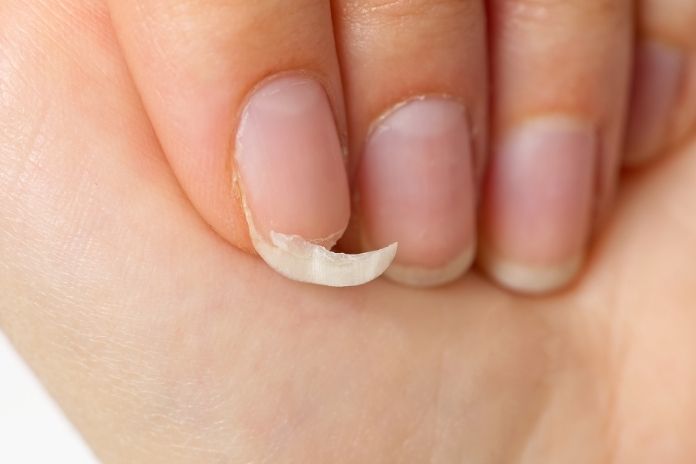
How Iron Deficiency Weakens Nails
What about those nails that are cracked, spoon-shaped, or splitting? They are not only annoying, but they may also be associated with a lack of iron in the body. There is a correlation between low iron levels and the weakening and brittleness of human nails. Iron deficiency caused by koilonychia can trigger nails to begin to bend upwards.
Early vs. Advanced Changes
If your nails seem a little brittle, it’s usually nothing to stress about. But if you’re also craving ice or spotting other signs of iron-deficiency anemia, that’s a bigger red flag that your iron is low. Nails that start to spoon, get super thin, or split everywhere? Time to see your doctor and ask for some blood work.
Other Subtle Symptoms of Iron Depletion
Iron deficiency can cause several subtle symptoms that frequently appear over time, while craving ice and brittle nails are the most obvious indicators. These don’t occur alone; rather, they usually occur in clusters and get worse over time as the deficit gets worse.
Symptoms of iron deficiency anemia can include:
- Extreme fatigue.
- Pale skin.
- Breathing difficulties, a rapid heartbeat, or chest pain.
- Headache, lightheadedness, or dizziness.
- Feet and hands that are cold.
- Tongue irritation or discomfort.
- The condition of restless legs.
- Refusing to eat, particularly in young toddlers and babies.
- Strange odor cravings, such as those for cleaning supplies, detergents, or rubber.
Root Causes of Low Iron Levels
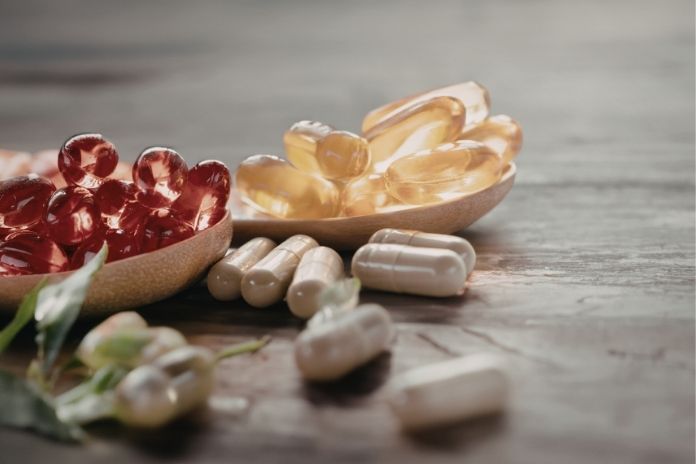
Knowing why iron levels fall is essential, since without a thorough assessment, taking iron supplements won’t address the underlying cause. Low iron is frequently caused by:
General Blood Loss: Blood loss is the most prevalent cause of iron deficiency in adults. There are various causes for this blood loss. Significant blood loss can occur quickly after a wound or trauma.
The most prevalent cause of iron deficiency in women who have periods is menstrual hemorrhage. Young people may not always recognize menstrual bleeding as the reason.
Reduced Absorption: Several conditions can lead to malabsorption, or decreased iron absorption in the digestive tract. Celiac disease frequently causes malabsorption. Rare genetic abnormalities, bariatric operations, and colon resection are further possible reasons.
Insufficient Nutrition or Elevated Demands: Most foods in the United States have extra iron added, so it’s actually rare for people here to get anemia just from not eating enough iron. But if you don’t get enough iron in your diet, you can still end up with an iron deficiency, especially if your body needs more iron than usual.
Pregnant women fall into that group. A lot of people start pregnancy already running low on iron, and as the months go by, their bodies want more.
Dialysis: People on dialysis for kidney failure can run into iron shortages, especially if they’re on medicines that boost red blood cell production. Doctors usually keep a close eye on their iron levels.
Read More: Does Cooking Spinach Increase or Decrease Its Iron Content?
When to See a Doctor

Anyone exhibiting signs of an iron deficiency should consult a doctor. To obtain fast results, the doctor might do a straightforward blood test. If a person’s iron levels are normal, their symptoms may be due to another issue. To obtain a definitive diagnosis, it is best to consult a physician.
After treatment, iron levels may return to normal in as little as one or two months. To assist in building an iron “store,” a doctor could advise taking iron supplements for a longer period. However, difficult situations may require more intensive therapies.
Treatment and Recovery
Medical Treatment
After a diagnosis, a doctor will usually prescribe iron supplements as part of the treatment. Take your iron supplements before meals. However, you should take your iron supplements with meals because they can cause gastrointestinal distress.
Dietary Approaches
You can get more iron from your diet, and it helps even more when you pair those foods with vitamin C.
- Try eating foods like spinach, lentils, beans, chicken, fish, red meat, or cereals with added iron.
- If you’re going for plant-based sources, add something rich in vitamin C, like bell peppers or oranges, to your meal. That combo helps your body absorb iron more effectively.
- Steer clear of tea, coffee, and foods high in calcium when eating meals high in iron because they can prevent the absorption of iron.
What to Avoid
When consumed with meals high in iron, some foods and substances can reduce iron absorption. These consist of:
- Coffee and tea (tannins can inhibit absorption).
- Iron-containing foods or supplements are high in calcium.
- A few antacids.
Restoring healthy iron levels and supporting medical therapy can be practically accomplished by learning to maximize iron intake through diet.
How Long Does It Take to Reverse the Symptoms
People notice improvements at different rates, depending on the symptom. Tiredness and unusual cravings from iron deficiency typically disappear within a few weeks once you start taking enough iron and eating better. But nails are different. They grow slowly, so changes like spoon-shaped or brittle nails may take months to return to normal.
Read More: Potential Side Effects of Iron Supplements: What to Know Before You Start
Conclusion
Catching iron deficiency anemia symptoms early often comes down to spotting the unusual signs, such as brittle nails, iron deficiency, or suddenly craving ice.
These little changes, things like wanting to chew ice (pagophagia) or noticing your nails are oddly thin and curved, usually show up before the more obvious stuff like feeling wiped out or looking pale.
They’re your body’s way of warning you that your iron stores are running low, sometimes well before things get severe.
A timely medical examination is made possible by understanding the underlying causes, which range from chronic blood loss and insufficient nutritional intake to poor iron absorption or elevated physiological demands.
References
- Mayo Clinic. Craving and chewing ice: A sign of anemia?
- WebMD. What is pagophagia?
- Dr. Steven Fein. (June 6, 2025). Ironing Out The Truth: How Iron Deficiency Impacts Your Skin, Hair, And Nails
- Mayo Clinic. Iron‑deficiency anemia: Symptoms and causes
- Gerber, G. F. (2025, May 2). Common causes of iron deficiency anemia — and how to treat it
In this Article