










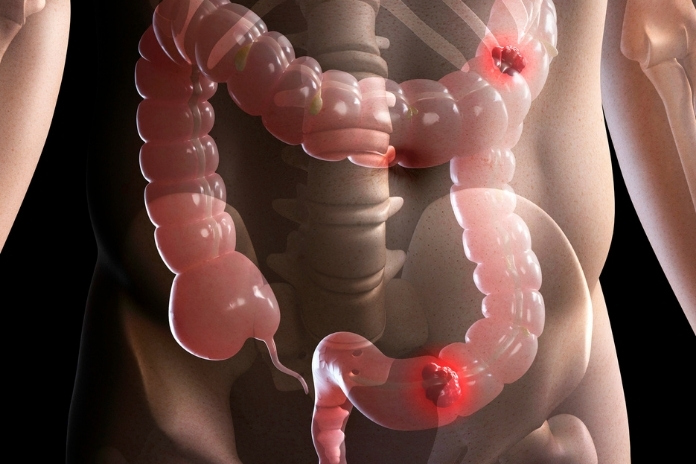
Your colon is a vital part of your digestive system, responsible for processing food, absorbing nutrients, and removing waste. Colon health is essential, as disturbances can result in diseases such as irritable bowel syndrome (IBS), diverticular disease, ulcerative colitis, and colorectal cancer. Although medications and surgeries are sometimes unavoidable, diet and lifestyle play a major role in maintaining colon health.
“Eating a nutrient-dense, high-fiber diet not only keeps the walls of your colon strong, but it can also prevent hemorrhoids or pouches in your colon,” says Kate Zeratsky, a Mayo Clinic registered dietitian nutritionist. “It also may prevent colon polyps and, potentially, cancer.”
Here’s why a colon-friendly diet can benefit your health and lower disease risk.
Read More: What Is a Lazy Colon? Causes, Symptoms, and How to Fix It
11. Consume a Diet Rich in Fruits and Vegetables
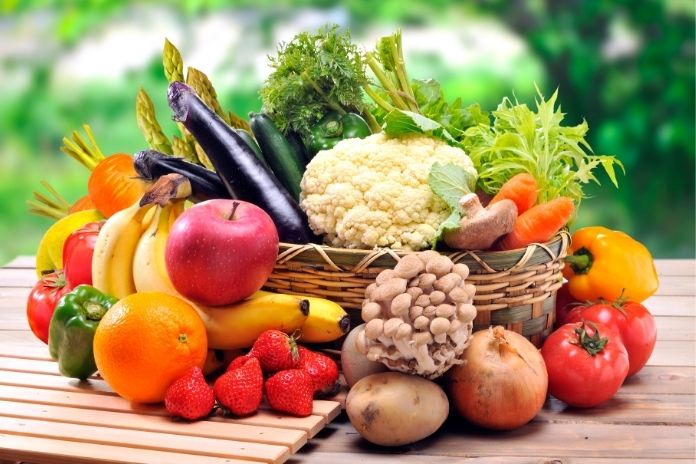
Fruits and vegetables are loaded with fiber, vitamins, minerals, antioxidants, and phytochemicals. All of which contribute to good digestive health and decrease the risk of colon cancer.
- Brussels sprouts, cauliflower, and cabbage are specific “super vegetables” that are especially protective, according to studies that show they have the potential to decrease bowel cancer risk by as much as 20%.
- Vibrant fruits like oranges, apples, and berries contain antioxidants, which combat inflammation and protect the gut.
Tips: Eat a fresh salad with mixed vegetables, or munch on raw beets, carrots, or cucumbers to cleanse the colon naturally.
22. Boost Fiber Intake
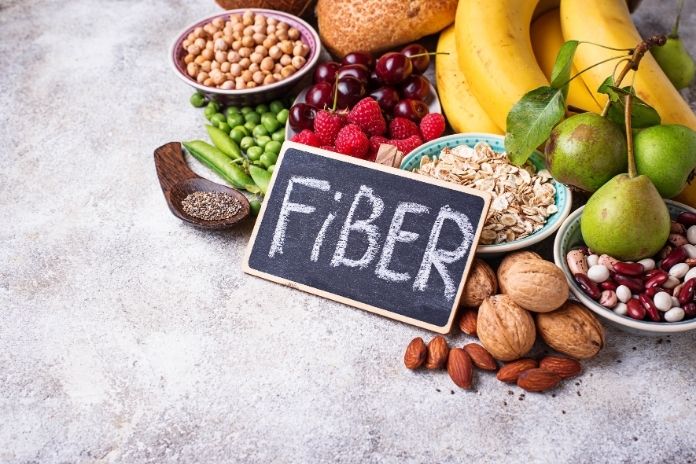
Fiber keeps the colon healthy. It helps keep the bowel regular, prevents constipation, and provides nutrients for health-promoting bacteria in the gut, lowering the risk of diverticular disease and colon cancer.
- Daily fiber intake should be 25–35 grams.
- Some high-fiber foods include lentils, chickpeas, peas, apples, pears, bananas, oats, brown rice, and whole-grain products.
Soluble fiber (in oats and legumes) reduces cholesterol and blood sugar, while insoluble fiber (in vegetables and whole grains) bulks up stool and speeds its passage through the colon.
33. Restrict Red and Processed Meats
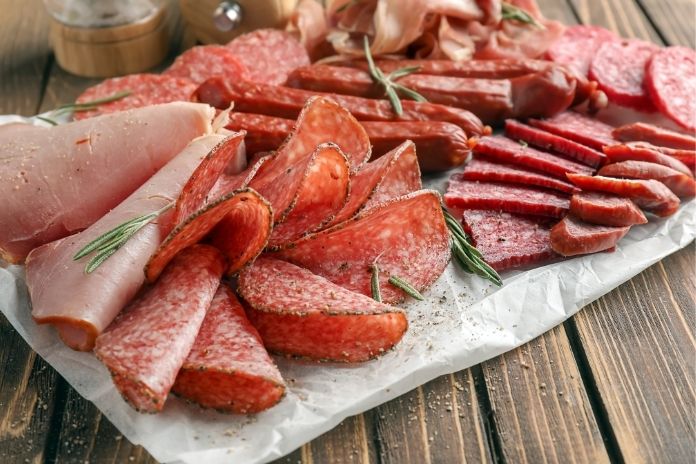
Excessive consumption of red and processed meats has repeatedly been associated with a higher risk of colorectal cancer.
- Examples: Beef, lamb, pork, bacon, sausages, and hot dogs.
- Each 50-gram daily serving of processed meat adds about 18% to the risk of colon cancer.
Tip: Substitute lean poultry, fish, or plant-based proteins such as tofu and beans for red meat.
44. Restrict Sugar Intake

Too much sugar doesn’t cause colon disease itself, but high-sugar diets tend to promote weight gain and obesity, which are risk factors for colorectal cancer.
- Try limiting added sugars in drinks, desserts, and processed snacks.
- Opt for a less sugary diet plan with fiber-rich foods to promote digestion and colon health overall.
Read More: Colon Cancer – Types, Stages, Diagnosis, Treatment And Prevention
55. Provide Sufficient Calcium and Vitamin D
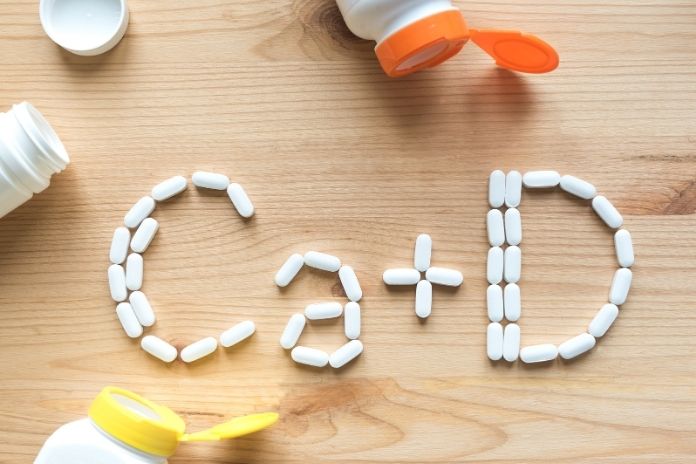
Calcium and vitamin D promote a healthy lining of the colon and potentially lower the risk of colorectal cancer.
- Aim for 1,000–1,300 mg daily in adults.
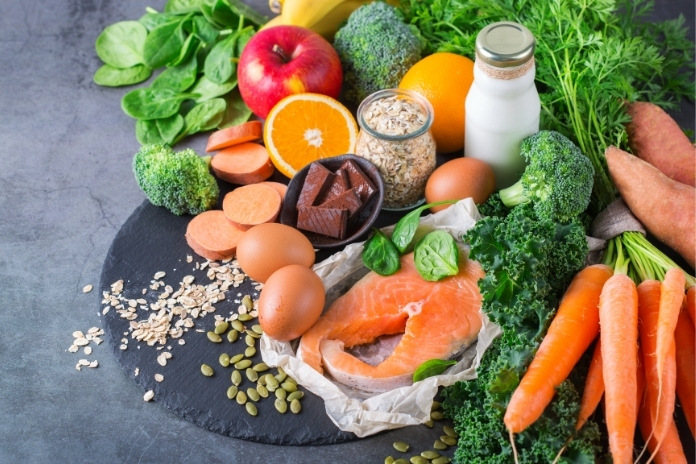
- Food sources include low-fat milk, fortified plant-based milks, spinach, kale, and broccoli.
Excess calcium (more than 2,000 mg/day) may have other health risks, including prostate problems, so be mindful of your intake. If in doubt, do not hesitate to consult your doctor to get the right dosage.
66. Select Whole Grains
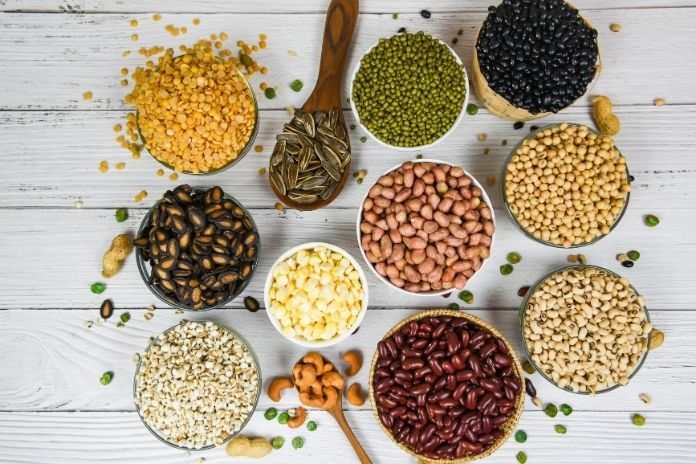
Whole grains contain all parts of the grains, including bran, germ, and endosperm. These supply fiber, vitamins, minerals, essential fatty acids, and antioxidants to our bodies.
- Adults should consume at least half of their daily grain intake as whole grains, about 3–5 servings.
- Examples: Brown rice, oats, barley, quinoa, and whole wheat bread.
Whole grains regulate bowel, nourish gut bacteria, and lower colorectal cancer risk.
77. Prioritize Healthy Fats
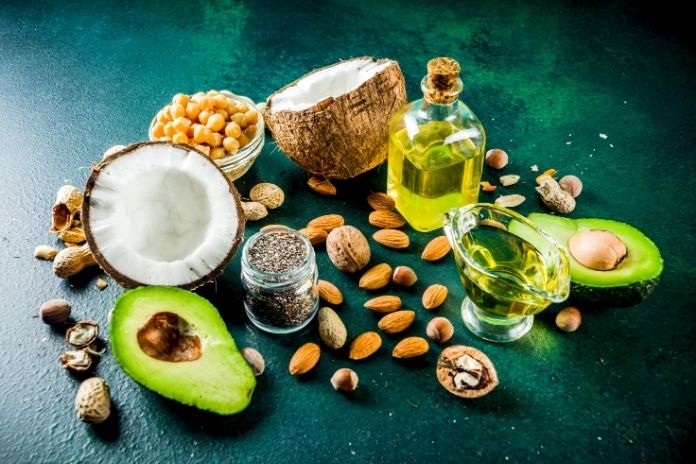
Fats aren’t all the same. Saturated and trans fats raise inflammation and disease, but polyunsaturated fats, particularly omega-3s, are good for the colon and heart.
- Add: Salmon, mackerel, walnuts, flaxseeds, olive oil, and canola oil.
- Skip: Butter, lard, margarine, and red meat’s fatty parts.
88. Restrict Alcohol Consumption

Heavy drinking can disturb the liver’s ability to detoxify and damage brain cells.
- Recommended levels: Women: ≤1 drink/day, Men: ≤2 drinks/day.
- Even moderate drinking may be risky if continued over the years. It causes heart dysfunction and fibrosis in the liver.
Read More: 8 Effective Home Remedies for Colon Cleansing
A Day on a Colon-Healthy Diet
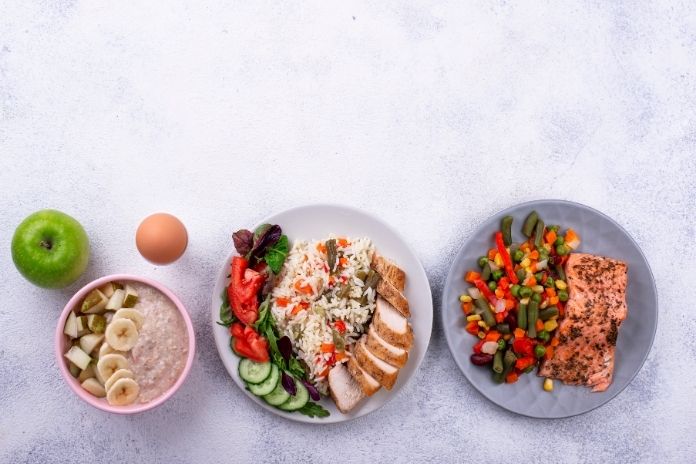
A colon-healthy day begins with a wholesome breakfast like a vegetable omelette with spinach, tomatoes, mushrooms, and onions, lightly cooked in olive oil, paired with whole-grain toast with avocado. Fresh orange slices or a kiwi and a cup of green tea or warm lemon water provide fiber, antioxidants, and gentle hydration.
A mid-morning snack consists of low-fat yogurt with fresh berries and chia seeds, which nourishes the gut with probiotics, fiber, and omega-3s.
Lunch is colorful and filling: a mixed green salad of cherry tomatoes, carrots, cucumber, and roasted chickpeas topped with grilled salmon, accompanied by quinoa and a crunchy apple or pear. This trio provides fiber, protein, healthy fats, and nutrients to sustain you.
An afternoon snack of dried fruits such as walnuts, almonds, or dried figs offers healthy fat, fiber, and a little protein kick.
Dinner must not just be colorful but well-balanced, including stir-fried broccoli, bell peppers, zucchini, and carrots with brown rice or barley, accompanied by a portion of lean protein like grilled chicken or tofu. A small salad made with leafy greens, along with pumpkin seeds, provides added nutrients and healthy fats.
A light evening meal, such as a banana with a spoon of peanut butter or a handful of roasted almonds, rounds out the day with fiber, potassium, and good fats.
This full-day meal plan ensures you get the best nutrients while helping maintain a healthy colon. As it focuses on whole grains, high-fiber fruits and vegetables, lean proteins, healthy fats, and limited processed foods, it is realistic, delicious, and beneficial to a healthy colon.
9Final Thoughts
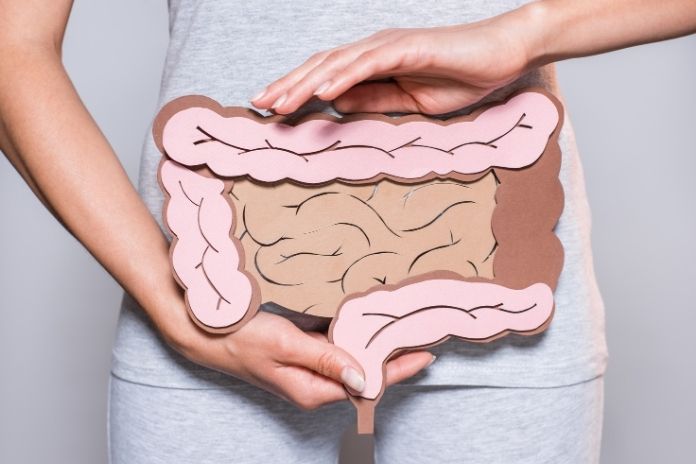
It’s not necessary to go overboard with keeping your colon healthy. Eating a diet full of fruits, vegetables, whole grains, fiber, calcium, vitamin D, and healthy fats and limiting red/processed meats, sugar, and alcohol reduces your chances of colon diseases substantially.
A healthy lifestyle is the best way to go! When you pair the right eating habits with regular exercise, adequate hydration, and healthy lifestyle choices, you maintain a healthy, strong colon!
-
Feb 2017Written by Pradeepa Polineni
-
Sep 2025Edited by Vaishnavi Nemivant