









Inflammatory ageing is a chronic background state of low-grade inflammation that worsens as you age. Such persistent yet silent low-grade inflammation can, in turn, drive ageing issues like heart disease, brain fog, diabetes, and compromised immune function.
As scientists seek dietary approaches to combat this creeping rise in chronic inflammation, research is focusing on cocoa flavanols – naturally occurring antioxidants and anti-inflammatory compounds found in chocolate.
Early studies have suggested that these flavanols help support vascular health and reduce oxidative stress, and may affect the pathways involved in inflammation.
This article looks at what research does support and where the questions remain.
Read More: Dark Chocolate and Heart Health: How a Sweet Treat Supports Circulation
What Is Cocoa Extract & Why Flavanols Matter
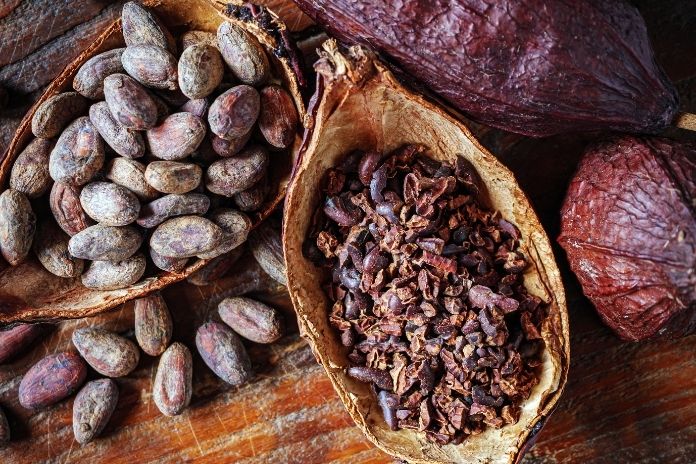
People love cocoa and chocolate because they taste great, and they can be good for you. But what exactly is high-flavanol chocolate, and why is it different?
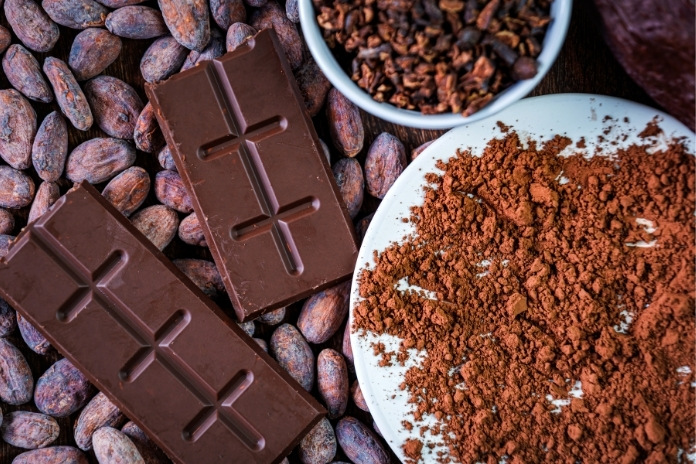
High-flavanol cocoa is processed in a way that preserves more of its natural compounds than regular chocolate. The result is a delicious product that may also offer added health benefits.
Flavanols are a type of flavonoid, a group of plant-based antioxidants found in foods like apples, berries, and tea. Cocoa happens to be one of the richest sources.
The amount of flavanols in cocoa depends largely on how the beans are processed. Traditional chocolate making often involves roasting and alkalizing the beans, steps that can significantly reduce flavanol levels. In contrast, minimally processed cocoa retains a higher concentration of these beneficial compounds.
High-flavanol cocoa is made from premium cocoa beans that are carefully dried and processed to preserve their natural flavanol content. Because of this, it typically offers a stronger nutritional profile and more antioxidants per serving than mass-market chocolate or standard cocoa powder.
If you’re looking to enjoy cocoa’s natural benefits without a lot of processing or additives, high-flavanol cocoa is a great choice.
Key Study: COSMOS & the 2025 Findings
A new sub-analysis from the large COSMOS trial suggests that cocoa flavanol supplements may help reduce inflammation linked to aging and cardiovascular disease. Participants who took a daily cocoa extract saw an annual reduction of 8.4% in hsCRP, a key biomarker of inflammation.
These results add to growing evidence that plant-derived compounds may help counter “inflammaging”—the low-level, chronic inflammation that increases with age. While flavanol-rich foods like cocoa, tea, grapes, and berries have long been associated with heart health, this is the most comprehensive study to show a connection between cocoa extract supplementation and lower levels of certain inflammatory markers.
Researchers from Mass General Brigham and Augusta University analyzed blood samples from 598 participants in the larger COSMOS study, which enrolled more than 21,000 older adults between 2014 and 2020. About half were women, and the average age was 70.
Although most inflammatory markers did not change, those taking cocoa extract experienced an 8.4% yearly drop in hsCRP compared with placebo. They also showed an unexpected 6.8% increase in interferon-γ, an immune-related cytokine.
Earlier COSMOS findings showed that cocoa extract was associated with a 27% reduction in cardiovascular mortality. The new data strengthens the idea that cocoa’s heart benefits may, in part, stem from its ability to reduce inflammation.
Read More: Magnesium Deficiency: The Silent Problem You Didn’t Know You Had (And How to Fix It)
Should You Try Cocoa Extract Supplements at Home?
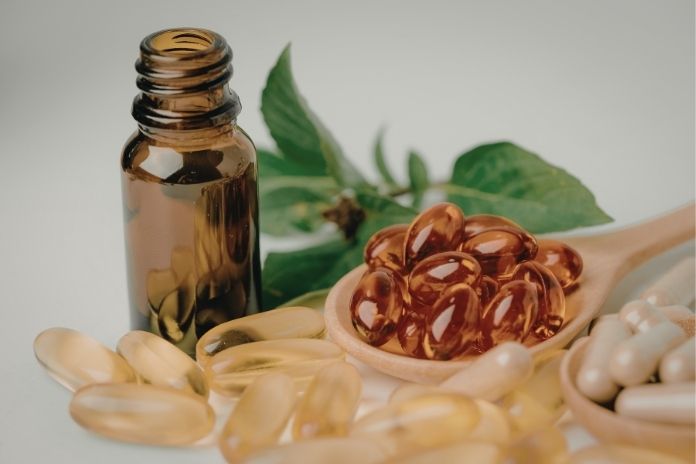
The COSMOS trial’s 500 mg cocoa flavanol supplement aligns with the Academy of Nutrition and Dietetics’ recommended daily intake of 400 to 600 mg to enhance cardiometabolic health; however, this advice is based on food sources of flavanols rather than supplements.
“Unfortunately, it’s not easy to get that much flavanol from standard chocolate or cocoa products on the market,” Dr. Howard Sesso, ScD, MPH, an associate director of preventive medicine and an associate epidemiologist at Brigham and Women’s Hospital in Boston, says, because processing cocoa beans strips much of their flavanol content.
“Cocoa flavanol content is not found on food labels, but cocoa powder may be more likely to have modest amounts,” says Dr. Sesso. “There are some cocoa extract supplements on the market, but they are not mainstream, so I would recommend initially focusing on flavanols as part of a broad plant-based healthy diet.”
People with a known allergy to cocoa shouldn’t take cocoa extract supplements. They also wouldn’t be appropriate for someone who is particularly sensitive to caffeine, because cocoa contains modest amounts of the similar mild stimulant called theobromine, Sesso explains.
Practical Advice — If You’re Considering Cocoa Extract for Inflammation
If you’re thinking about using cocoa extract to help manage inflammation, it’s important to understand what recent research has actually tested. Large clinical trials like COSMOS typically used standardized cocoa extracts that delivered about 500 mg of cocoa flavanols per day.
Regular chocolate can’t provide anywhere near these consistent flavanol levels. Most commercial chocolate products contain very little flavanol and are often loaded with calories, sugar, and unhealthy fats—making them poor substitutes for research-grade cocoa extract.
Before adding any supplement, take a look at your overall diet. Cocoa flavanols may offer benefits, but they work best as part of a balanced lifestyle. You can support healthy inflammation levels by eating nutrient-dense whole foods, managing overall calorie intake, and incorporating other flavanol-rich choices like green tea, berries, apples, and grapes.
Cocoa extract is generally well tolerated, but people who are sensitive to caffeine or other chocolate components, or those with chronic medical conditions, should talk with a healthcare provider before starting a supplement.
Read More: Food Swaps to Manage High Cholesterol Without Sacrificing Taste
Conclusion
Cocoa extract may support healthy aging, in part by helping reduce inflammatory markers like hsCRP. Research also suggests that cocoa flavanols can improve vascular function, reduce oxidative stress, and gently shift inflammation levels in a healthier direction.
Still, these benefits should be seen as supportive—not transformative. The science is promising but still evolving. Cocoa extract can’t counteract the effects of an unhealthy lifestyle, ongoing stress, or medical conditions that require proper treatment. It’s not a cure-all, but it can be a helpful addition to a balanced, health-focused routine.
References
- Mass General Brigham. (2025, September 17). Study finds cocoa extract supplement reduced key marker of inflammation and aging
- Rheumatology Advisor. (Publish DateSeptember 30, 2025). Cocoa extract supplementation yields significant reduction in hsCRP
- EMJ Reviews. (2025, September 23). Cocoa flavanols reduce age-related cardiovascular inflammation
- NutritionInsight. (2025, September 16). Cocoa for the heart: Extract found to lower inflammaging
- Barry Callebaut. (2023, February 13). High-Flavanol Cocoa Powder: An important step forward in the journey of cocoa & food for health
- EverydayHealth. Cristina Mutchler. (September 24, 2025). Could cocoa supplements reduce age-related inflammation?
In this Article