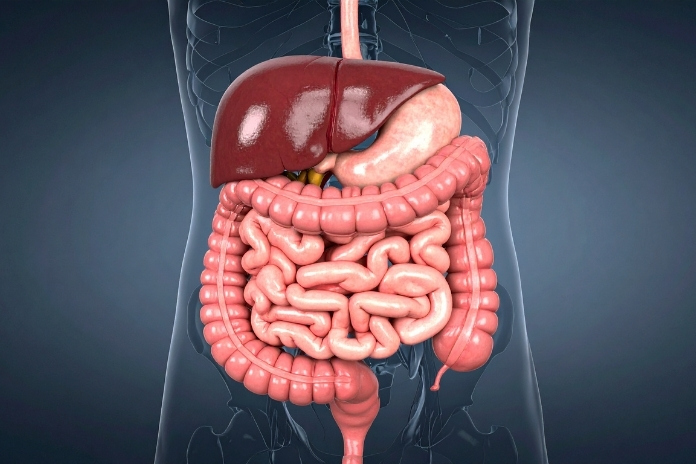












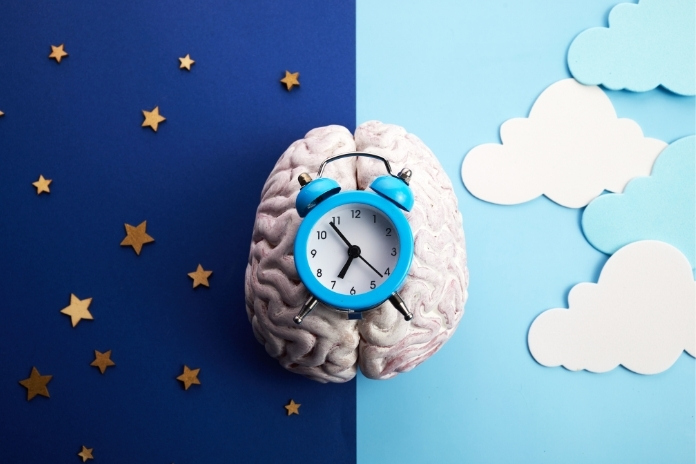
What if the secret to better sleep and improved digestion isn’t just about what you eat, but when you eat it? Welcome to circadian eating – a science-backed approach that aligns your meals with your body’s natural 24-hour rhythm.
Unlike trendy diets that focus solely on calorie counting or food restrictions, circadian eating recognizes that your body processes food differently throughout the day.
When you eat in harmony with your internal clock, you can boost metabolism, improve digestion, and sleep more soundly – all without drastically changing what’s on your plate.
Read More: Circadian Rhythms: Unlocking the Secrets of Your Body’s Internal Clock
Understanding Your Body’s Internal Clock
Your circadian rhythm is like a master conductor orchestrating dozens of biological processes throughout your body. This internal timekeeper, located in your brain, responds primarily to light and darkness, telling you when to feel alert and when to feel sleepy. But it does much more than that.
Your circadian rhythm also controls hormone production, body temperature, and crucially, your metabolism. Just as your body has an optimal time to sleep, it also has an ideal window for eating and digesting food.
“Time is more than just a number on your watch,” explains Kerry Hackworth, a registered dietitian based in Chicago and founder of Dietitian Kerry, PLLC, in an interview with Chicago Health Online.
“Our body systems are very in-tune with the time of day. A specific area of your brain is tasked with being the timekeeper that communicates with the rest of your body, including your liver, pancreas, gastrointestinal tract, muscles, and fat tissues.”
These biological clocks evolved over millions of years, allowing organisms to anticipate predictable changes in their environment caused by the sun’s journey across the sky. Even without external cues, these rhythms cycle continuously, governing when your body is primed for activity and when it needs rest.
How Meal Timing Affects Your Metabolism

Here’s what happens when you eat at different times of day: During daylight hours, when you’re naturally active, your digestive system operates at peak efficiency. Your body readily absorbs nutrients and converts them into energy. Insulin sensitivity is higher, meaning your body processes carbohydrates more effectively. Your metabolism runs like a well-oiled machine.
But as evening approaches and darkness falls, your body shifts gears.
It begins preparing for rest and repair. Digestive processes slow down. If you eat a large meal late at night, your body must work overtime to process it, diverting energy away from essential repair functions. This disrupts the production of melatonin, the hormone that helps you fall asleep, and can lead to poor sleep quality, sluggish metabolism, and even weight gain over time.
Research consistently shows that aligning your eating schedule with your circadian rhythm improves metabolic efficiency. You’ll have more energy during the day, digest food more easily, and sleep better at night.
Read More: Impacts On Glucose In Circadian Clocks And Obesity Enhance Cardiovascular Risks
The Core Principles of Circadian Eating
Circadian eating isn’t complicated, but it does require a shift in thinking about meal timing. Here are the fundamental principles:
Eat During Daylight Hours
Make the sun your guide. When it’s light outside, your metabolism is at its peak. This is when your body expects food and can process it most efficiently. Try to consume all your meals within a window that aligns with daylight—typically between 7 a.m. and 7 p.m., though this can vary based on your schedule and location.
Front-Load Your Calories
Flip the traditional American eating pattern on its head. Instead of a light breakfast, moderate lunch, and heavy dinner, do the opposite. Eat a substantial, nutrient-rich breakfast when your metabolism is revving up. Follow with a satisfying lunch. Then keep dinner lighter and earlier in the evening.
This approach gives your body the fuel it needs when you need it most, during your active hours, and allows your digestive system to wind down before bed.
Create a Cut-Off Time for Eating
Establish a firm time in the evening when the kitchen closes. Ideally, finish your last meal at least three hours before bedtime. This gives your body adequate time to digest before sleep and allows melatonin production to proceed uninterrupted. Late-night snacking is one of the biggest disruptors of both circadian rhythm and quality sleep.
Foods to Support Circadian Eating
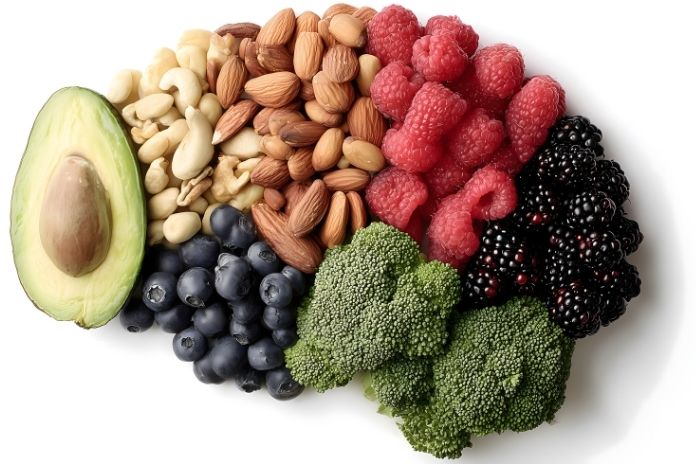
While timing matters most in circadian eating, choosing the right foods can amplify the benefits. No single food guarantees perfect sleep—nutrition and sleep are complex, interconnected systems. However, certain foods work with your body’s natural rhythms better than others.
Morning and Midday Foods
Start your day with protein-rich foods like eggs, Greek yogurt, or lean meats paired with complex carbohydrates such as whole-grain toast or oatmeal. These provide sustained energy and stabilize blood sugar throughout your active hours.
Load up on fiber during breakfast and lunch. Fruits, vegetables, whole grains, and legumes keep your digestive system humming along efficiently when it’s most capable of processing food. Fiber also promotes gradual energy release, preventing the blood sugar spikes and crashes that can throw off your circadian rhythm.
Evening-Friendly Options
Keep your evening meal light and easy to digest. Consider foods naturally rich in tryptophan and magnesium – nutrients that support relaxation and sleep.
Bananas are an excellent choice, containing both magnesium for muscle relaxation and naturally occurring melatonin. Tart cherries also contain higher-than-normal levels of melatonin and can support your sleep-wake cycle.
Other good options include leafy greens, nuts and seeds (in small amounts), and chamomile or herbal tea.
What to Avoid in the Evening
Steer clear of caffeine after mid-afternoon. This stimulant can linger in your system for six to eight hours, interfering with both falling asleep and melatonin production.
Similarly, avoid large, heavy meals close to bedtime. Fatty or spicy foods can cause digestive discomfort that keeps you tossing and turning. Alcohol might make you drowsy initially, but it disrupts sleep cycles later in the night.
Practical Tips to Incorporate Circadian Eating

The concept is straightforward, but implementation can feel challenging in our 24/7 culture. Here’s how to make it practical:
Plan and Prep Ahead
Success starts with preparation. Each week, plan your meals with circadian principles in mind. Prep hearty breakfast and lunch options in advance so you’re not tempted to skimp on these important meals. When dinner is lighter and simpler, you’ll have more time and energy for substantial morning meals.
Establish Consistent Meal Times
Your body thrives on routine. Try to eat breakfast, lunch, and dinner at roughly the same times each day. This consistency reinforces your circadian rhythm and helps regulate hunger hormones. Set phone reminders if needed, especially as you’re establishing new patterns.
Navigate Social Situations Strategically
Late dinners and evening events are part of American culture, but you can work around them. If you know you’ll be out late, eat a lighter, earlier meal beforehand and have just a small snack at the event. When possible, suggest meeting for lunch or brunch instead of dinner. Most people are flexible when you explain you’re trying to improve your health.
Adjust for Your Reality
If you can’t finish dinner by 6 p.m., don’t stress. Even finishing by 7 or 8 p.m. and avoiding late-night snacking is a significant improvement. The goal is progress, not perfection.
Read More: The 6-6-6 Walking Routine: What It Is and How It Boosts Your Health
Potential Challenges and Solutions
Shorter Winter Days
When daylight shrinks in winter months, focus on eating during the brightest part of the day, even if that means dinner at 5 p.m. Include warming, nutrient-dense foods like soups and stews that aid digestion. Use bright indoor lighting during evening meals to help maintain your circadian rhythm.
Shift Work and Irregular Schedules
If you work nights, create your own artificial “day.” Eat your largest meal at the start of your shift for energy, moderate portions mid-shift, and only light snacks near the end. During your “sleep” hours (even if they fall during daylight), avoid heavy meals to prevent digestive strain. Use blackout curtains and keep your sleeping space dark to support melatonin production.
The Weekend Effect
Staying up late and eating late on weekends can undo your weekday progress. Try to maintain consistency, or at least keep weekend variations minimal—no more than an hour or two difference from your weekday schedule.
Conclusion
Circadian eating isn’t another restrictive diet. It’s about working with your body’s natural wisdom. By eating during daylight hours, front-loading calories earlier in the day, and avoiding late-night snacking, you support your metabolism, improve digestion, and set yourself up for restorative sleep.
Given that up to 35% of American adults experience symptoms of insomnia, and countless more struggle with digestive issues and weight management, circadian eating offers a practical, science-based solution that addresses multiple health concerns simultaneously.
Start small. Begin with one change, like finishing dinner by 7 p.m. or eating a bigger breakfast. As these habits become natural, add more circadian principles. Your body will thank you with better energy, improved digestion, and more restful nights.
The clock is ticking, but now you know how to make it work in your favor.
Read More: What Is Sleep Chronotype — and How It Affects Your Energy, Productivity & Weight
References
- https://pmc.ncbi.nlm.nih.gov/articles/PMC6533073/
- https://www.sleepfoundation.org/nutrition/circadian-rhythm-fasting
- https://pmc.ncbi.nlm.nih.gov/articles/PMC10303702/
- https://www.cambridge.org/core/journals/british-journal-of-nutrition/article/role-of-the-circadian-clock-system-in-nutrition-and-metabolism/671C603EE246217C83E22AEEAC46153C
- https://pmc.ncbi.nlm.nih.gov/articles/PMC10181484/
- https://hms.harvard.edu/news-events/publications-archive/brain/circadian-rhythms-brain
- https://www.annualreviews.org/content/journals/10.1146/annurev-nutr-062122-014528
- https://www.uclahealth.org/news/article/circadian-diet-another-form-of-intermittent-fasting
- https://www.insidetracker.com/a/articles/circadian-rhythm-fasting-eating-to-align-with-your-internal-clock
- https://www.ifm.org/news-insights/circadian-fasting-precursors-to-heart-health/
- https://chicagohealthonline.com/eating-around-the-clock-intermittent-fasting/
- https://kripalu.org/resources/how-eat-harmony-your-circadian-rhythms
- https://www.sleepfoundation.org/nutrition/food-and-drink-promote-good-nights-sleep
- https://deannaminich.com/nutrition-for-a-healthy-circadian-rhythm/
- https://dhrupurohit.com/try-this-how-to-eat-with-your-circadian-rhythm/
- https://www.sciencedirect.com/science/article/pii/S2589004220303461
- https://pmc.ncbi.nlm.nih.gov/articles/PMC8905332/
- https://dietitiankerry.com/
In this Article