











Do you feel like stress is slowly taking over your life, leaving you exhausted, overwhelmed, and constantly on edge? You’re not alone—millions of Americans are struggling with the same battle against chronic stress every single day.
Stress management has become an essential topic in today’s fast-paced world, as the demands of modern life continue to impact more and more people. True relaxation goes beyond simply having a calm mind or enjoying a favorite hobby—it’s about giving your body and mind the recovery they desperately need.
When life becomes overwhelming, the accumulated strain over time can lead to serious health problems. That’s why effective stress management isn’t just a luxury—it’s a necessity. Your body needs to recover from the effects of chronic stress, and that’s exactly what proper relaxation techniques can provide.
Read More: 6 Unconventional Stress-Relief Techniques You Haven’t Tried Yet
The Science Behind Relaxation
Effective relaxation methods work by creating measurable changes in your body. These techniques can significantly reduce your heart rate, blood pressure, breathing rate, stress hormone activity, muscle tension, and feelings of anger and frustration. At the same time, they increase blood flow to major muscles, improve concentration, boost confidence levels, and enhance your overall mood.
The key to successful relaxation is focusing your attention on something soothing while increasing awareness of your senses. Here are three proven methods that can transform your stress levels.
Psychotherapist Kathryn Smerling and Dr. Neha Chaudhary, a double board-certified psychiatrist, recommend managing stress by acknowledging what’s within your control and letting go of what isn’t. “After all, encountering unavoidable stressors is a natural part of life. It will always be the case.” Chaudhary asserts.
How you react to and handle the emotions you feel is the aspect over which you have the most control. According to Smerling, making healthy decisions can help you navigate and overcome stress in most cases.
Proven Relaxation Methods
11. Autogenic Relaxation
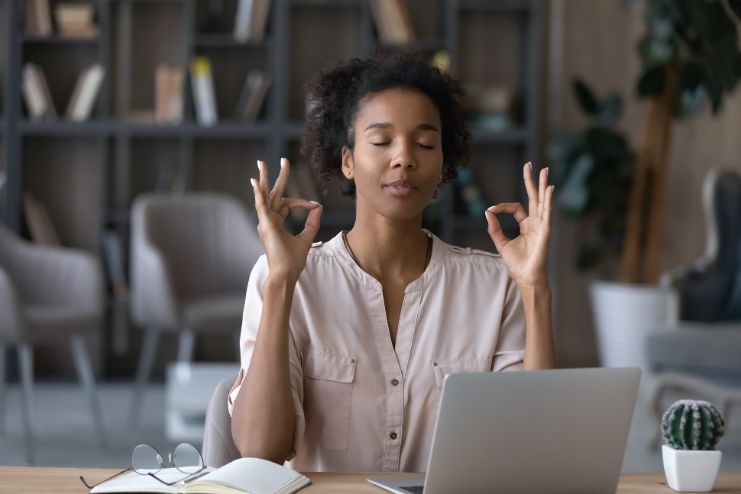
Autogenic relaxation refers to techniques that generate calm from within your own body, using both visual imagery and body awareness methods. This approach involves repeating specific words or positive suggestions in your mind to create a peaceful mental state, reduce muscle tension, and promote deep relaxation.
During autogenic relaxation, you might be guided to imagine a tranquil setting while practicing controlled, relaxed breathing to naturally slow your heart rate. Some techniques focus on relaxing individual body parts one at a time, allowing you to develop greater awareness of physical tension and release.
Read More: How Chronic Stress Shrinks Your Brain (and What to Do About It)
22. Progressive Muscle Relaxation
This powerful technique involves systematically tensing and then relaxing specific muscle groups throughout your body, one at a time. By deliberately creating tension and then releasing it, your mind becomes more aware of the distinct difference between tension and relaxation, leading to increased self-awareness and better stress management.
You can start this practice either with the muscles in your toes and work your way up to your head and neck, or begin with your head and neck muscles and work downward. Research has shown that PMR offers a range of benefits, including pain relief, better sleep, and reduced anxiety levels. The key is to move methodically through every muscle group in your body.
33. Visualization
Visualization guides you through mental imagery to transport your mind to a peaceful, blissful location or situation. This technique encourages you to engage as many senses as possible in your imagination—incorporating smell, sound, and touch to create a fully immersive experience.
For example, when visualizing the ocean, try to smell the salt air and feel the ocean breeze on your skin. Studies have found that guided imagery can reduce cortisol levels and improve overall well-being. This form of relaxation works best when performed in a quiet environment with your eyes closed, allowing your imagination to create a complete sensory escape from stress.
Read More: Tackle Tension Headaches: 5 Tension-Relief Devices for Stress-Free Living
Making It Work for You
These relaxation techniques are most effective when practiced regularly and in a consistent environment. Whether you choose autogenic relaxation, progressive muscle relaxation, or visualization, the goal is to create a reliable method for managing stress before it becomes overwhelming.
Remember, stress management is an ongoing process, not a one-time fix. By incorporating these proven techniques into your daily routine, you can build resilience against life’s inevitable challenges while protecting both your physical and mental health.
Take Action Today
Don’t let stress continue to control your life. Choose one of these three techniques that resonates with you and commit to trying it for just 10 minutes today. Start small, stay consistent, and watch as your stress levels gradually decrease while your overall well-being improves. Your future self will thank you for taking this important step toward a calmer, healthier life.
Read More: Stress Management Tools: 7 Relaxation Aids for Calming the Mind and Body
4References
- https://pmc.ncbi.nlm.nih.gov/articles/PMC8272667/
- https://pmc.ncbi.nlm.nih.gov/articles/PMC10001593/
- https://www.tandfonline.com/doi/full/10.2147/PRBM.S437277
- https://pmc.ncbi.nlm.nih.gov/articles/PMC10844009/
- https://www.ncbi.nlm.nih.gov/pmc/articles/PMC6176042/
- https://pmc.ncbi.nlm.nih.gov/articles/PMC10346678/
- https://www.cnbc.com/2025/03/30/how-to-reduce-stress-things-that-actually-help-from-a-doctor.html
- https://drksmerling.com/
- https://www.psychologytoday.com/us/psychiatrists/neha-chaudhary-san-francisco-ca/753804
In this Article