











Blood pressure is also referred to as the “silent killer.” You can feel absolutely fine, yet within your body, the steady pressure on your arteries is working quietly to strain your heart, wreak havoc on your kidneys, and increase your risk of having a stroke. What makes it even more tricky is that hypertension is not a single condition. It has varying causes based on whether it is primary or secondary.
What Is Hypertension?
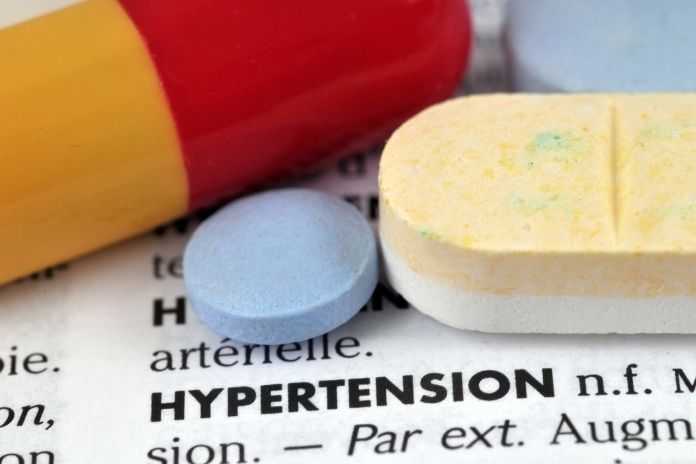
Hypertension, also known as high blood pressure, is a persistent medical condition where the blood continuously presses too hard against the artery walls. Arteries supply oxygenated blood from the heart to the rest of the body, and when pressure in these arteries remains high for an extended period of time, it causes harm.
With time, this extra pressure impacts the heart and hardens or scars the arteries. If untreated, hypertension can substantially increase the risk of:
- Coronary heart disease and heart failure
- Stroke and brain damage
- Kidney disease and kidney failure
- Eye damage and vision loss (hypertensive retinopathy)
High blood pressure tends to produce no apparent symptoms until harm is already done. For this reason, learning about its causes is crucial in terms of prevention and control.
There are two broad categories of hypertension:
- Primary (Essential) Hypertension:It is the most common type, occurring gradually over a long period with no one identifiable cause.
- Secondary Hypertension: It is less common, resulting from an underlying medical condition, medication, or structural defect.
Read More: Heart-Healthy Kitchen Essentials: 6 Best Salt Substitutes for Hypertension Management
Primary (Essential) Hypertension
Primary hypertension accounts for 90–95% of all instances. Secondary hypertension, in contrast, has one specific, recognizable cause. Primary hypertension, rather, arises from a blend of genetics, age, lifestyle, and environmental factors. This form of hypertension will usually take years to develop over decades.
Causes and Risk Factors of Primary Hypertension
Here are a few causes of primary hypertension:
1. Genetic and Family History:
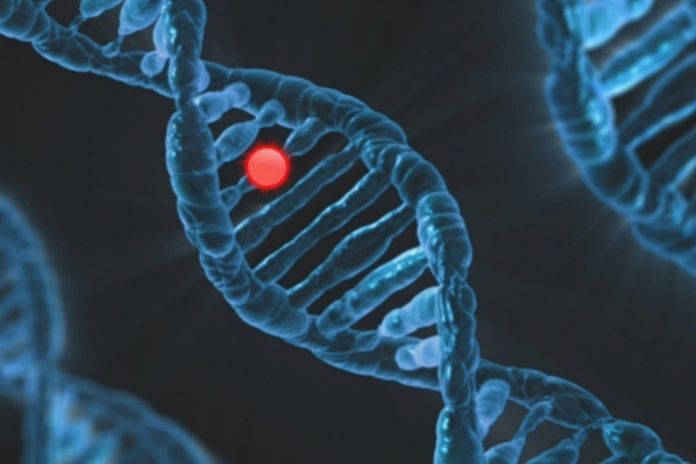
Family history is one of the strongest indicators of hypertension. If your parents or siblings have high blood pressure, your risk is higher. Certain genetic mutations influence how kidneys handle sodium, how blood vessels constrict, or how hormones regulate pressure.
Population studies also show racial differences: African Americans are more likely to develop hypertension at an earlier age and often experience more severe complications, such as stroke and kidney disease.
2. Age-Related Changes:
Blood vessels become less elastic and more rigid as we get older. It becomes more difficult for blood to circulate freely, increasing pressure in the arteries. With aging, there are also greater chances of other underlying conditions, i.e., diabetes or kidney deterioration, adding to the risk.
3. Obesity and Excess Body Weight:

Obesity ranks among the most significant modifiable risk factors of primary hypertension. Excess body fat upsets several systems:
- It stimulates the sympathetic nervous system, increasing heart rate and blood vessel narrowing.
- It overactivates the renin-angiotensin-aldosterone system (RAAS), leading to fluid buildup and vessel constriction.
- It increases insulin resistance, which disturbs the way blood vessels relax and kidneys manage sodium.
Studies indicate that approximately two-thirds of cases of hypertension could be directly attributed to being overweight.
4. Excessive Sodium (Salt) Consumption:
Salt intake is closely linked with high blood pressure, particularly in salt-sensitive people. When sodium consumption is excessive, the body holds water to compensate for salt to maintain even salt levels, which raises blood volume and increases pressure upon arterial walls.
People on diets that include more processed (usually salt-rich) foods have much greater rates of high blood pressure than those on typical, low-salt diets.
Neha Sachdev, MD, a family physician who is the director of health systems relationships at the AMA, shares her thoughts on how hidden salts increase hypertension. “There is often a lot of sodium in packaged or prepared foods,” she said. That’s why “it’s really helpful to learn how to read nutrition labels—sometimes you may not realize how much sodium is in a particular food.”
“You can also track your food to see how much sodium you are taking in a typical day,” Dr. Sachdev said, noting that “monitoring your sodium can help you figure out ways to cut back.”
5. Sedentary Lifestyle:
Sedentary living leads to weight gain, poor cardiovascular fitness, and less resilient arteries. Exercise habitually, however, makes the heart muscle stronger, promotes blood flow, and assists the body in controlling hormones that control blood pressure. As little as 150 minutes of moderate exercise each week can lower risk.
6. Excessive Alcohol Use:

Alcohol increases blood pressure directly by activating the sympathetic nervous system. Chronic heavy alcohol consumption can harden arteries, harm the heart muscle, and lead to obesity. All of these worsen hypertension.
7. Diabetes and Insulin Resistance:
People with diabetes are at a much greater risk of hypertension. Insulin resistance interferes with the function of blood vessels to dilate and alter sodium regulation in the kidneys, both of which increase blood pressure.
8. Other Contributing Factors
- Caffeine and sleep disturbances (such as insomnia), chronic sleep loss increases stress hormones and maintains elevated blood pressure.
- Deficiency in vitamin D, as certain studies indicate that low vitamin D may be involved with blood vessel function and regulation of renin, although evidence continues to be investigated.
- Smoking, although not a direct cause, hurts arteries and significantly amplifies the negative impact of high blood pressure.
In brief, Primary hypertension is the outcome of the combination of inherited genetic predisposition, aging, diet, inactivity, obesity, and environmental factors.
Read More: The Role of Meditation and Mindfulness in Hypertension Control
Secondary Hypertension
Secondary hypertension is responsible for 5–10% of all cases and arises when high blood pressure can be attributed to an obvious, underlying condition. In contrast to primary hypertension, management of the underlying condition tends to ameliorate or even cure the raised blood pressure.
Causes of Secondary Hypertension
1. Kidney Conditions:
The kidneys are essential in maintaining blood pressure by regulating sodium, fluid levels, and renin release. Kidney function disorders can result in hypertension:
- Chronic Kidney Disease (CKD): Injured kidneys aren’t able to filter fluids properly, leading to accumulation and increased blood pressure.
- Polycystic Kidney Disease: Cysts filled with fluid in the kidneys disrupt function.
- Glomerular Disease: Inflammation of the kidney filters compromises blood flow and fluid regulation.
- Renovascular Hypertension: Atherosclerosis in older people or fibromuscular dysplasia in young women causes narrowing of kidney arteries, lowering the blood supply and causing the kidneys to release more renin, thereby increasing blood pressure.
2. Endocrine and Hormonal Disorders:

Some imbalances of hormones increase blood pressure. These include:
- Primary hyperaldosteronism (Conn’s syndrome): In this, overproduction of aldosterone makes the body retain sodium and excrete potassium, causing fluid overload and high blood pressure.
- Cushing’s syndrome: Excess cortisol due to adrenal or pituitary disease raises blood pressure and weight.
- Pheochromocytoma: A rare tumor of the adrenal glands releasing sporadic surges of adrenaline and noradrenaline with resultant spikes in blood pressure.
- Thyroid Disease:Hyperthyroidism (overactive thyroid) and hypothyroidism (underactive thyroid) are both associated with raised blood pressure.
- Hyperparathyroidism or Acromegaly: Less prevalent but established endocrine etiologies.
3. Obstructive Sleep Apnea (OSA):
OSA is a significant and underdiagnosed cause of secondary hypertension. Repeated nocturnal pauses in breathing decrease oxygen levels and stimulate the sympathetic nervous system during sleep. Blood vessels narrow and increase blood pressure in the long term. OSA occurs with remarkable frequency in individuals with resistant hypertension.
4. Pregnancy-Related Hypertension:

High blood pressure develops in some women during pregnancy:
- Gestational Hypertension: Hypertension that develops after 20 weeks of pregnancy.
- Preeclampsia and Eclampsia: Disorders characterized by blood pressure, organ damage, and possibly life-threatening complications for mother and child.
5. Medication- and Substance-Induced Hypertension:
Numerous medications and substances can cause or worsen hypertension. This is known as medication and substance-induced hypertension. The causes include:
- Prescription drugs, which include nonsteroidal anti-inflammatory agents (NSAIDs), oral contraceptives, corticosteroids, antidepressants, and transplant drugs.
- Certain drugs, such as cocaine, amphetamines, and other stimulants.
- Supplements and foods, including some herbal preparations and excessive licorice, interfere with blood pressure control.
- Alcohol, a major risk factor in itself, heavy drinking can actually cause secondary hypertension too.
6. Congenital Conditions:
Structural heart or vascular abnormalities that exist at birth can lead to secondary hypertension.
Constriction of the aorta (the large artery leading away from the heart) causes the heart to pump with more pressure, increasing blood pressure, especially in the upper body.
In short, secondary hypertension has underlying, usually curable causes like kidney disease, hormonal imbalance, sleep apnea, pregnancy-related issues, or prescription drugs. Finding the underlying cause is essential to effective treatment.
Read More: The Link Between Hypertension and Kidney Health: What You Need to Know
Key Takeaway
Hypertension is among the most prevalent chronic illnesses globally, yet its etiologies vary based on whether it is primary or secondary:
Primary hypertension emerges over time because of genetic predisposition, aging, inappropriate diet, obesity, lack of exercise, and environmental factors. It does not have a specific cause and typically must be managed in the long term.
Secondary hypertension is a direct result of an underlying condition or agent, such as disease of the kidneys, endocrine disorders, sleep apnea, pregnancy, or drugs. These can typically be improved if the underlying cause is addressed.
Because hypertension often shows no symptoms, regular blood pressure checks, healthy lifestyle habits, and early medical evaluation are essential for preventing complications.
-
Apr 2017Written by Tiru Dehariya
-
Sep 2025Edited by Vaishnavi
References
- https://www.ncbi.nlm.nih.gov/books/NBK544305/
- https://www.mayoclinic.org/diseases-conditions/high-blood-pressure/symptoms-causes/syc-20373410
- https://www.ncbi.nlm.nih.gov/books/NBK544305/
- https://www.hopkinsmedicine.org/health/wellness-and-prevention/alcohol-and-heart-health-separating-fact-from-fiction
- https://www.who.int/health-topics/hypertension
In this Article