













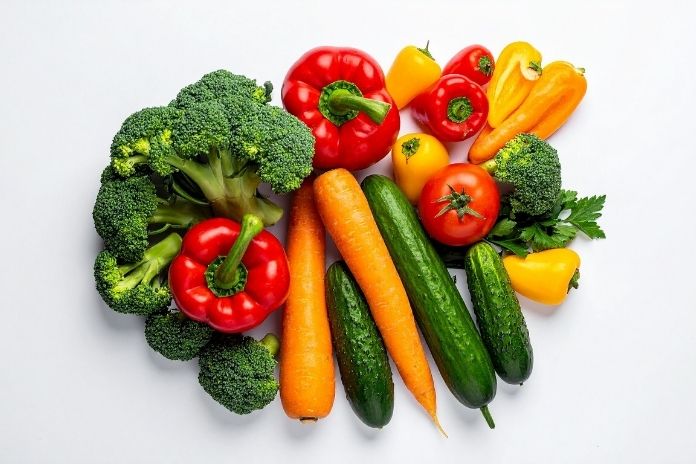
- Prioritize fiber-rich whole foods such as vegetables, legumes, and whole grains to support long-term health.
- Reduce ultra-processed foods, sugary drinks, and refined carbs to lower the risk of diseases.
- Stay consistent, not perfect. Small daily dietary improvements have the biggest impact on lifespan and healthspan.
What if the true objective was to live better for longer rather than to live longer? The majority of people concentrate on extending the life expectancy, but contemporary research indicate that adding quality years free from illness, disability, and cognitive decline is the true victory. It is the point at which diets begin to extend both lifespan and healthspan.
Globally, there is a discrepancy between the length of time people live and the length of time they remain well, which means that many people deal with poor health for over ten years as they approach death.
In this article, we’ll explore the difference between lifespan and healthspan, explain why diet overcomes genetics, identify the best diet for longevity, uncover what all longevity diets have in common, and show you how to start your own longevity diet today.
Read More: Why Your Vertigo Diet Fails if You’re Stress-Eating for Salt: Breaking the Cortisol–Dizziness Cycle
Living Longer vs. Living Better — Why Healthspan Is the Goal
People often use the terms “lifespan,” “healthspan,” and “longevity” interchangeably. They aren’t, and this mistake has a big impact on how we think about aging as a society and as individuals. Understanding these differences is not just academic exercise; it fundamentally transforms how we design healthcare systems, evaluate interventions, and make personal health choices.
Lifespan: The most basic idea is lifespan, which is the number of years you live from birth to death. We measure this as the average life expectancy of a group. It is binary—you are either alive or dead—objective and easy to quantify. Because it’s so simple, it’s good for research and policy, but it doesn’t tell us anything about how good those years were.
Healthspan: This is where things get complicated. Masfiah et al. (2025) conducted a thorough review of the scientific literature and identified 113 definitions of healthspan. This shocking lack of agreement makes it harder for us to measure progress. Most researchers say that healthspan is the amount of time spent on good health, without disabilities or chronic illnesses that make it hard to do everyday things. But what does “good health” really mean?
Some say that the start of the first chronic illness marks the end of the healthspan. Others stress functional competence, like being able to live on your own, managing money, or even climbing a flight of stairs. Other factors include signs of aging, mental health, or measures of quality of life.
Your Grocery List Matters More Than Your Genes
Phytochemicals, naturally occurring substances in plant-based diets, can alter your DNA, giving you another, and possibly the most compelling, reason to eat vegetables, regardless of your preference for them.
In addition to their proven anti-inflammatory and antioxidant properties, this so-called epigenetic effect of plant foods helps explain why your mother was correct when she said that eating fruits and vegetables instead of processed foods that alter or lack these natural phytochemicals is healthy.
You might consider your genetic code, your distinct DNA sequence inherited from your parents, to be a predetermined lottery that determines whether you will be intelligent, slim, or acquire diabetes.
However, how your genes interact with your dietary and other lifestyle choices is more significant than your genes in determining your health and how you age. You have control over whether you activate or deactivate a gene, even if you have a “bad” gene.
You do this within your cells through epigenetic modifications, which are tiny alterations in your DNA induced by your environment, nutrition, and lifestyle. The most prevalent of these include methylation, which is the addition of a methyl group to DNA, and histones, which are proteins that compact your DNA.
Like your DNA sequence, epigenetic modifications can pass from one generation to the next. However, unlike your genetic code, epigenetic changes are reversible. You can alter them daily throughout your life, and they can happen in pregnancy (your mother’s diet may influence whether you acquire diabetes or obesity).
You should think of food as more than just the nutrients and energy that come from protein, carbs, and fats. The switch that can help you prevent diseases that run in your family epigenetically is found in whole meals.
Read More: Foods to Avoid on an Alkaline Diet (and Why They’re Considered Acid-Forming)
The Five Diets That Add Years to Your Life
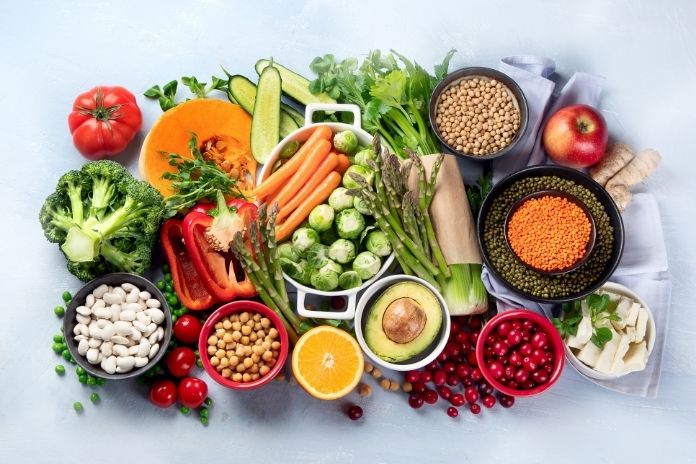
An Overview of Each Diet and What the Data Show
Regardless of a person’s inherited risk factors for disease, a study involving over 100,000 participants found that five eating patterns were associated with longer life.
“If you want to live a long life, it’s definitely worth trying to have a healthier dietary pattern, and the good news is that it doesn’t have to be absolutely perfect,” says Clare Collins at the University of Newcastle in Australia, who wasn’t involved in the study.
AHEI:
With good reason, the Mediterranean diet has long been considered the gold standard for heart and brain health. Researchers have linked its focus on fresh fruits, vegetables, whole grains, lean proteins, and healthy fats to improved cognitive performance and a reduced incidence of chronic illness. However, a recent 30-year Harvard University study suggests that the Alternative Healthy Eating Index (AHEI) may be even more effective for healthy aging.
The study, which tracked over 100,000 individuals and was published in Nature Medicine, discovered that those who most closely adhered to the AHEI had the best chances of reaching age 70 in excellent physical and mental health.
With a few data-driven modifications, the AHEI emphasizes many of the same ideas as the Mediterranean diet. The strategy highlights:
- Five or more servings of vegetables per day, especially leafy greens
- Four servings of whole fruit daily (excluding juice)
- Five to six servings of whole grains each day
- Healthy fats (such as canola or olive oil instead of butter)
- Legumes, nuts, and plant-based proteins like tofu
- Fish once a week
- Limiting heavily processed foods and sugary drinks
AMED (Mediterranean):
A study in the Journal of Translational Medicine found that ovarian cancer (OC) patients who had high alternate Mediterranean diet (AMED) ratings before and after their diagnosis lived longer overall (OS).
Researchers said that OC is the second most common cause of death among gynecologic cancers worldwide because most patients are diagnosed at an advanced stage and have a short life expectancy. Because of this, they stressed the “pressing need” for changeable items, such as food, that can improve survival after an OC diagnosis.
People generally agree that the Mediterranean Diet (MED) is a healthy way to eat that can help you avoid cancer and long-term health problems. Experts consider the AMED a different model that better meets the nutritional needs of diverse populations. It keeps the most important parts of the MED but adds regional foods and eating habits to make it more culturally appropriate.
DRRD:
The purpose of the Diabetes Risk Reduction (DRRD) scoring tool is to determine which dietary pattern is most closely associated with reducing the risk of type 2 diabetes.
Nine components make up the total possible score, which ranges from 9 to 45. The system rates each component on a continuous scale based on intake quintiles. Higher scores suggest a reduced risk of diabetes.
Foods linked to a decreased risk of diabetes include:
- Fiber from cereals
- Coffee (decaf and caffeinated)
- Nuts
- Whole fruits
- Legumes
The following foods increase the risk of diabetes:
- Trans fats
- Processed and red meats
- Beverages with added sugar
DASH:
The DASH diet is very high in fruit, vegetables, whole grains, and lean protein and low in salt. Dietary Approaches to Stop Hypertension is what DASH stands for. The original purpose of the diet was to control high blood pressure. It is a very healthy method of weight loss as well.
Eating wholesome foods is made easier with the DASH diet. It is more than simply a conventional low-salt diet. Foods rich in calcium, potassium, magnesium, and fiber are highlighted in the DASH diet because they work together to lower blood pressure.
When you follow the DASH diet, you consume a lot of:
- Non-starchy fruits and veggies
You consume modest amounts of:
- Low-fat or fat-free dairy products
- Whole grains
- Lean meats, poultry, lentils, beans, soy products, eggs, and egg alternatives
- Fish
- Seeds and nuts
- Fats that are good for the heart, such as avocados, canola, and olive oils
You ought to restrict the following:
- Sweets and drinks with added sugar
- Saturated fat-rich foods include most packaged snacks, tropical oils, full-fat dairy, and fatty meals
- Consumption of alcohol
hPDI (plant-based):
The purpose of the Healthy Plant-Based Diet Index (hPDI) is to promote eating fewer animal products and processed meals (yes, including plant-based ones) and more whole, plant-based foods.
It helps identify the factors that determine the nutritional value of plant-based diets. Ultimately, a plant-based diet focused on packaged snacks lacks the health benefits of one that is based on whole, minimally processed plants.
The hPDI assigns a score to each of the 17 dietary groups that make up the three categories. Based on intake quintiles, each food group receives a score of 1–5, for a total of 17–85 points.
Higher scores reflect greater adherence to a nutritious plant-based diet. A higher hPDI is associated with reduced consumption of harmful plant foods and animal products.
Decreased risk of type 2 diabetes, cardiovascular disease, some types of cancer, and all-cause mortality has been linked to higher hPDI scores.
Healthy Aging Comparison — Nature Medicine 2026
Anne-Julie Tessier of the University of Montreal and colleagues recently published an article in Nature Medicine examining the relationship between ultra-processed food consumption over 30 years and adherence to eight dietary patterns and healthy aging. Living to the age of 70 without any of the 11 chronic diseases and maintaining one’s physical, mental, and cognitive abilities were considered indicators of healthy aging.
The study included 105,015 participants from two sizable prospective cohorts of American women and men. They stratified the results by sex, ancestry, socioeconomic position, and lifestyle characteristics.
Higher adherence to all dietary patterns is associated with a greater likelihood of healthy aging, according to the major findings. Specifically, the healthiest plant-based diet and the Alternative Healthy Eating Index demonstrated the best and weakest correlations with healthy aging, respectively.
Read More: 7 Anti-Inflammatory Proteins to Add to Your Diet (Backed by Science)
What All Five Diets Actually Share — and Why That’s the Point

All five diets have a similar structure despite their distinct names. The key lesson for anyone trying to develop a longevity diet is this.
1. The Best Indicator of Longevity is Fiber
Why fiber is effective:
- Enhances blood sugar regulation
- Promotes the intestinal microbiota
- Reduces cholesterol
- Lessens inflammation
2. Essential Components of all Longevity Diets
Each of the five diets focuses on:
- Whole grains’ lifespan benefits (the largest impact category)
- Legumes longevity (beans, lentils, chickpeas)
- Seeds and nuts
- Vegetables and fruits
- Unsaturated fats, in particular, are healthy fats
3. Foods that are Regularly Associated with Harm
The following are the main threats to diet and life expectancy:
- Sugary beverages are the strongest negative factor in mortality
- Processed meats
- Refined grains
- Too much sodium
You Don’t Need to Be Perfect—What the Data Show
Diet acts as a modifiable risk factor that significantly influences the treatment and prevention of chronic diseases. Researchers use eating habits to predict heart disease and identify links between diet and cancer.
To understand how nutrition affects disease risk, we need a complete and integrated approach that looks at other factors, such as genetic, environmental, psychological, and behavioral factors.
Large-scale epidemiological studies like the UK Biobank are expected to help us better understand the link between nutrition and disease. These studies make it easy for researchers to access large amounts of data on these topics.
How to Start — A Practical Framework for Any Eating Style
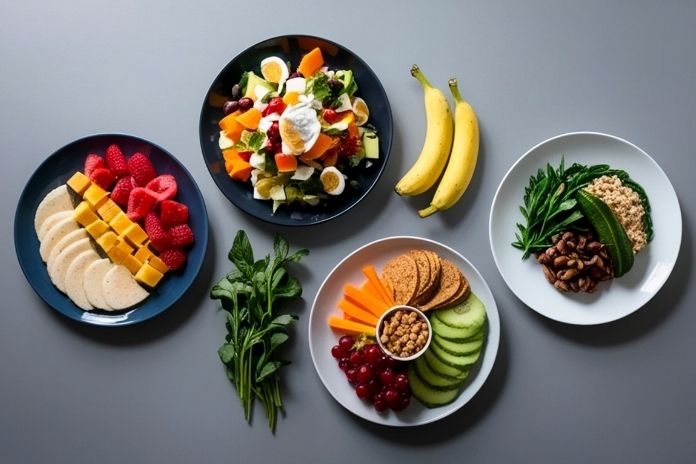
You don’t need a strict plan to follow the best diet for longevity. You require an adaptable system.
Start with exchanges that have a big impact:
- You can replace sugary drinks with water or any unsweetened beverages
- Replace refined grains with whole grains for lifespan advantages
- Add daily legumes for longevity
Construct your plate with fiber in mind:
Aim for:
- Vegetables in every meal
- Eat whole grains rather than flour or white rice
- Consume lentils, chickpeas, or beans every day
Add protein and good fats:
- 30g of nuts every day
- Seeds
- Proteins from plants or fish
Concentrate on cutting down on processing
Rather than keeping track of calories:
- Cut back on highly processed foods
- Increase your home cooking
- Select complete ingredients
Adjust to your culture
A longevity diet doesn’t need to be Western.
It can be used for:
- Indian diets (vegetables, millets, and dal)
- Japanese diets consist of fermented foods, seafood, and rice
- Diets from the Middle East (olive oil, legumes)
Read More: Low-Carb vs. Low-Fat Diet for Weight Loss: Which One Works Better, and for Whom?
Conclusion
Ultimately, the objective is to live better for longer, not just for longer. The science is very clear: the most effective diets that add years to your life don’t rely on extreme restrictions but on consistent, high-quality food choices.
Small everyday changes, such as cutting back on ultra-processed foods and boosting fiber intake, can greatly extend life and enhance health. The most empowering realization is probably that you can benefit without having perfect genetics or a perfect regimen. Long-term health benefits can result from even modest dietary changes.
References
- UCLA Health. (2025, September 24). Lifespan vs. health span: Sync them up with these healthy lifestyle tips.
- Charles Platkin, PhD, JD, MPH. (October 8, 2025). Living Longer vs. Living Better: The Critical Distinction Between Lifespan, Healthspan, and Longevity in Modern Aging.
- University of California, Irvine, Joe C. Wen School of Population & Public Health. (2025, January 9). Lifespan versus health span: How can we all stay healthier longer?
- Bergquist, S. H. (2015, July 18). Eat for your genes: Why a good diet matters more than bad genes.
- New Scientist. (2026, February 17). These 5 diets could add years to your life—even if you have bad genes.
- Dr. Isaac Comfortes. Healthy Aging Starts on Your Plate: The AHEI Diet Could Outshine the Mediterranean.
- MedlinePlus. Understanding the DASH diet
- Nature Food. (09 April, 2025). Dietary patterns and healthy ageing.
In this Article