
















- 1.Pumpkin seeds are a mineral-dense bedtime snack that provides magnesium, zinc, and tryptophan, nutrients that support sleep hormones, REM cycles, and nighttime muscle relaxation.
- Magnesium helps calm the nervous system by activating GABA and reducing excitatory brain signals, which may lower the chances of nighttime awakenings.
- Zinc supports the sleep–wake cycle and helps convert tryptophan into melatonin, the hormone that signals the body it is time to sleep.
- A small serving of about 28 g before bed, especially with a light carbohydrate, gives the body nutrients needed when circadian rhythms prepare it for sleep..
- This habit may support better sleep quality, but it is not a treatment for clinical insomnia.
The snack you eat at 10 p.m. is doing more biological work than most people realize. Not the chips, not the ice cream, but the right pre-sleep food eaten at the right time can directly influence whether your brain cycles through adequate REM sleep, whether your muscles stay relaxed through the night, and whether you wake at 3 a.m. for reasons that have less to do with stress than with mineral deficiency.
Pumpkin seeds’ sleep benefits are rarely what bring people to the snack aisle. Most people buy them for the flavor or out of habit. But the mineral profile of a small handful of pumpkin seeds, specifically the ratio of magnesium to zinc alongside a meaningful tryptophan content, maps remarkably well onto the neurological requirements for the kind of deep, uninterrupted sleep most people are actively chasing.
The connection isn’t subtle. It runs through the GABA neurotransmitter system, through the tryptophan to melatonin conversion pathway, and through the thermoregulatory and hormonal processes that determine how quickly the brain initiates and sustains REM architecture. Understanding it makes the 10 p.m. handful feel less like a snack and more like a targeted nutritional intervention.
The Hidden Connection Between Nighttime Nutrition and Sleep Quality
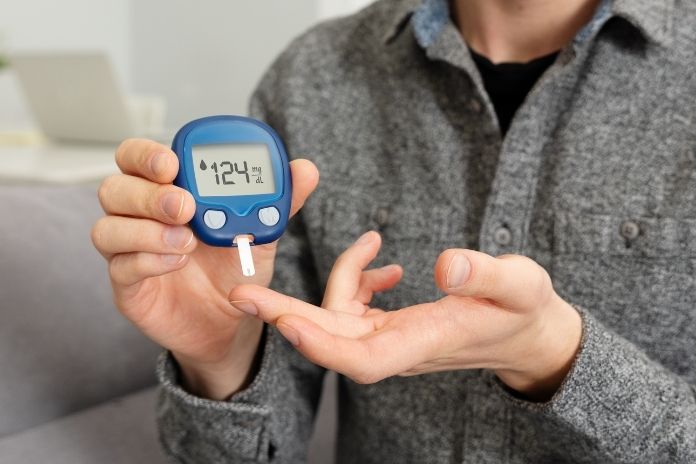
The idea that what you eat before bed is automatically bad for sleep is a flattening of more nuanced biology. Certain foods eaten at the wrong time, high-glycemic carbohydrates that spike and crash blood sugar, heavy proteins that divert digestive energy, or stimulants consumed too close to sleep disrupt sleep hormone regulation.
But the blanket prohibition on late-night eating misses the other half of the story, which is that specific nutrients consumed in appropriate quantities at the right time actively support sleep onset and quality.
Blood sugar and sleep quality are directly linked. A blood glucose crash in the early hours of the morning, which happens when the last meal of the day is too high-glycemic or eaten too early, can trigger a cortisol response that fragments sleep or produces early waking.
A small, balanced pre-sleep snack that stabilizes blood sugar through the night can prevent that cortisol spike. The protein, fat, and magnesium in pumpkin seeds help create a slow, sustained metabolic response that keeps blood glucose stable throughout the night.
The deeper mechanism is mineral-based. Most adults in the Western world are chronically low in both magnesium and zinc, two minerals whose physiological roles overlap substantially with the requirements of sleep hormone regulation.
When dietary intake is inadequate, the brain’s ability to both initiate and sustain quality sleep is measurably compromised. This isn’t theoretical. The population data on mineral deficiency and sleep disturbance run in close parallel.
Dr. W. Chris Winter, MD, makes the case for biological consistency as the foundation of sleep quality: “There’s really nothing in our bodies that is accidental… from your red blood cell production to hormones to body temperature and digestion, all of these things tend to operate best when they’re on a schedule.”
Nutrition timing, like light timing and temperature timing, is part of that schedule. What you eat, when you eat it, and what minerals you provide the body in the pre-sleep window participate in that biological clockwork directly.
Magnesium and Zinc: Your Sleep-Regulating Minerals
Magnesium: The Body’s Natural Relaxation Mineral
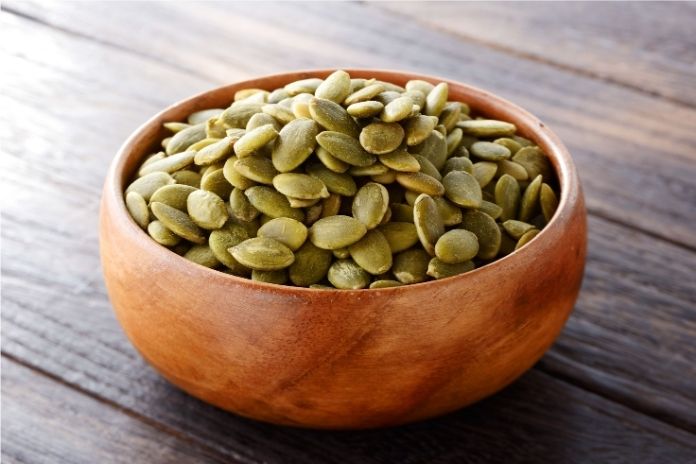
Magnesium is involved in over 300 enzymatic reactions in the human body. Its role in sleep hormone regulation is particularly concentrated in two places: the GABA neurotransmitter system and the NMDA receptor pathway. GABA is the brain’s primary inhibitory neurotransmitter, the chemical signal that tells neurons to quiet their firing rate.
Magnesium acts as a co-factor for GABA receptor activity, enhancing the receptor’s sensitivity and amplifying the brain’s own calming signals. Simultaneously, magnesium functions as a natural antagonist to NMDA receptors, which are excitatory. By blocking NMDA activity, magnesium reduces neurological arousal and promotes the electrical patterns associated with sleep onset and slow-wave sleep maintenance.
A randomized, double-blind, placebo-controlled trial examined the effect of magnesium supplementation on insomnia in elderly adults. Participants receiving 500mg of magnesium daily for eight weeks showed significant improvements in sleep time, sleep efficiency, early morning awakening, and insomnia severity compared to placebo, alongside measurable reductions in serum cortisol and significant increases in serum renin and melatonin.
The finding on cortisol is particularly relevant: magnesium’s inhibitory effect on the hypothalamic-pituitary-adrenal axis directly suppresses the cortisol release that causes nighttime waking.
Pumpkin seeds have a magnesium content that is among the highest of any whole food. A 28g (1 oz) serving of raw pumpkin seeds delivers approximately 150mg of magnesium, roughly 36% of the recommended daily allowance for adults.
For someone who is already magnesium-deficient, which surveys consistently suggest applies to a significant portion of the adult population, a pre-sleep serving meaningfully moves the needle on the mineral levels that govern sleep depth and continuity.
Dr. Uma Naidoo, MD, identifies magnesium as one of the most consistently underappreciated minerals in clinical nutrition practice: “magnesium is often overlooked, but magnesium can be significantly helpful for anxiety,“ she told The Energy Blueprint.
The same GABAergic mechanisms that reduce anxiety also reduce the physiological arousal that prevents sleep onset. The connection is not incidental. Magnesium’s calming effect on the nervous system runs through the same pathways regardless of whether the symptom being addressed is anxiety during the day or wakefulness at night.
Zinc: The Regulator of Sleep-Wake Cycles
Zinc’s role in sleep is less discussed than magnesium’s, but it is equally well-supported. The highest concentrations of zinc in the brain are found in the hippocampus and the pineal gland, the gland responsible for melatonin synthesis.
Zinc acts as a cofactor for the enzyme aromatase in the tryptophan to melatonin conversion pathway, and zinc deficiency has been consistently associated with reduced melatonin output and disrupted sleep architecture. A 28g serving of pumpkin seeds delivers approximately 2.2mg of zinc, representing roughly 20% of the recommended daily allowance.
A study examined the effects of a combined zinc, melatonin, and magnesium supplement on sleep quality in institutionalized elderly adults. Participants receiving the combination showed significantly improved sleep quality, morning alertness, and behavioral competence compared to placebo, pointing specifically to the synergistic role of zinc and magnesium in supporting both melatonin pathway efficiency and sleep consolidation.
Zinc and serotonin production are directly linked through the tryptophan metabolism pathway. Zinc supports the conversion of tryptophan into 5-hydroxytryptophan (5-HTP) and then into serotonin, which is subsequently converted to melatonin by the enzyme serotonin N-acetyltransferase.
Without adequate zinc, this conversion pathway runs at reduced efficiency, resulting in lower serotonin and melatonin production regardless of how much tryptophan the diet provides. This is why zinc-replete individuals tend to show faster sleep onset and more consolidated sleep than those with marginal zinc status.
The Magnesium-Zinc Synergy
The combined action of magnesium and zinc on sleep is greater than either mineral alone. Both minerals are required for the full efficiency of the tryptophan to melatonin conversion pathway, but they operate at different enzymatic steps, making them complementary rather than redundant.
Magnesium enhances the activity of serotonin N-acetyltransferase, the rate-limiting enzyme in melatonin synthesis, while zinc supports upstream tryptophan conversion into serotonin.
Dr. Rhonda Patrick, PhD, lists magnesium glycinate as one of her core sleep supports because it “calms the nervous system, especially when stressed (which depletes magnesium),” she wrote on X.
Magnesium acts as both a GABA agonist and an NMDA antagonist, and critically, it enhances the activity of serotonin N-acetyltransferase, the enzyme required for melatonin synthesis. The combination of magnesium and zinc, both present in meaningful amounts in pumpkin seeds, addresses this pathway at multiple enzymatic steps simultaneously.
Read More: What Happens If You Eat Pumpkin Seeds Daily? Benefits, Risks, and How Much Is Too Much
Why 10 p.m. Is the “Golden Window” for Sleep Support

Aligning with the Body’s Circadian Rhythm
The timing of the 10 p.m. snack is not arbitrary. Melatonin secretion in adults with typical sleep timing begins to rise around 9 to 10 p.m. in response to diminishing light and in concert with the body’s core temperature decline.
This is the window in which the brain is actively initiating its transition toward sleep readiness. Providing the nutritional cofactors for melatonin synthesis, specifically tryptophan, magnesium, and zinc, at this time gives the body the raw materials precisely when the demand for them is highest.
Eating too early in the evening means the tryptophan converted to serotonin and eventually melatonin is not timed to peak at sleep onset. Eating too close to bedtime risks digestive activity that maintains cortisol levels and body temperature at sleep-antagonistic levels.
The 1-2 hour window before typical sleep onset, around 10 p.m. for most people, targeting an 11 p.m. to midnight sleep time, is the optimal intersection of availability and demand for these natural sleep-aid foods.
Blood sugar and sleep quality converge importantly here. A small, fat-and-protein-rich snack like pumpkin seeds eaten at 10 p.m. does not spike blood glucose. It provides a slow, sustained energy substrate that prevents the 2 to 4 a.m. cortisol surge that occurs when blood glucose drops too low during the sleep window.
This is the mechanism behind the well-documented improvement in sleep continuity that follows the addition of a small pre-sleep protein-fat snack in people prone to early morning waking.
Tryptophan Conversion and Serotonin Boost
Pumpkin seeds are among the more tryptophan-dense plant foods available. A 28g serving delivers approximately 60 to 80mg of tryptophan, an essential amino acid that serves as the upstream precursor for both serotonin and melatonin synthesis. Tryptophan crosses the blood-brain barrier via a competitive transport system that is, counterintuitively, more efficient in the presence of a small carbohydrate intake.
When insulin is released in response to carbohydrate consumption, competing large neutral amino acids are preferentially taken up by muscle tissue, leaving the bloodstream with a relatively higher tryptophan concentration that translates into better brain availability.
This is why pairing pumpkin seeds with a small carbohydrate source, a few pieces of fruit, a spoonful of honey stirred into warm water, or a small serving of plain yogurt, enhances the tryptophan to melatonin conversion efficiency beyond what the seeds provide alone. The carbohydrate doesn’t need to be large. A modest insulin response is sufficient to shift the amino acid transport ratio in tryptophan’s favor.
Read More: Circadian Eating for Better Sleep and Digestive Health
The Science-Backed Sleep Benefits of Pumpkin Seeds
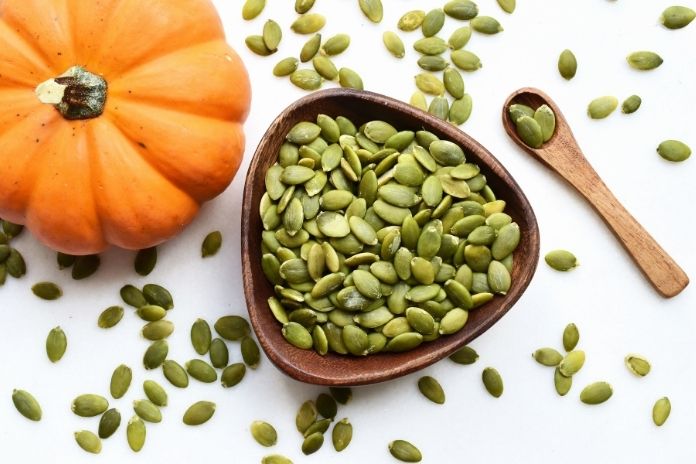
A single 28g serving of raw pumpkin seeds provides a noteworthy concentration of sleep-relevant nutrients. Beyond the approximately 150mg of magnesium and 2.2mg of zinc that anchor the sleep mechanism, pumpkin seeds deliver 7g of protein (supporting blood sugar stability), 13g of fat (predominantly unsaturated, supporting sustained slow gastric emptying), and meaningful amounts of iron.
Iron’s role in sleep is often overlooked but clinically important. Iron deficiency is independently associated with restless leg syndrome, a condition characterized by uncomfortable sensations in the legs during rest or sleep that produces significant sleep fragmentation.
A review published in Sleep Medicine found that iron status was a consistent predictor of RLS severity and that iron supplementation in deficient individuals produced measurable improvements in symptom frequency and sleep quality. While a serving of pumpkin seeds doesn’t deliver therapeutic iron doses, it contributes to overall iron status as part of a consistent dietary pattern.
A 2022 meta-analysis published in Frontiers found significant associations between higher dietary magnesium intake and better subjective sleep quality, reduced daytime sleepiness, and decreased sleep onset latency across studies. The effect was consistent across age groups and was observed at dietary intake levels achievable through whole food sources, not only supplement doses.
Blood sugar and sleep quality receive direct support from the seed’s macronutrient profile. The protein-fat combination slows gastric emptying and moderates postprandial glucose response, producing the stable 4- to 6-hour metabolic baseline that prevents nocturnal hypoglycemia and its associated cortisol-mediated waking.
How to Eat Pumpkin Seeds for Better Sleep

Portion size matters for comfort, not mechanism. A 28g serving (about a small palmful, roughly 85 seeds) delivers the mineral doses that map onto the research findings. Larger portions don’t meaningfully improve the sleep benefit and add unnecessary caloric density to a pre-sleep snack.
Raw versus roasted: Raw pumpkin seeds retain more of their heat-sensitive nutrients, including some B vitamins involved in the tryptophan to melatonin conversion pathway. Lightly dry-roasted seeds are also acceptable and, for many people, easier to digest. The difference in mineral content between raw and lightly roasted is modest.
What to avoid are heavily processed, commercially roasted seeds cooked in vegetable oils or coated in high-sodium seasonings. High sodium intake in the pre-sleep period raises blood pressure and disrupts overnight fluid balance, potentially contributing to sleep fragmentation.
Optimal pairings for tryptophan absorption: A small banana (contains both carbohydrate and some natural serotonin precursors), a tablespoon of honey in chamomile tea, or 100g of plain Greek yogurt alongside the seeds addresses the carbohydrate co-factor that enhances tryptophan transport across the blood-brain barrier.
What to avoid combining them with: High-sugar commercial trail mixes or heavily salted pumpkin seed preparations. Excess sugar in the pre-sleep window causes a rapid insulin response, followed by reactive hypoglycemia that disrupts sleep architecture. High sodium causes fluid shifts and can elevate nighttime urination frequency. Neither outcome supports the sleep benefit that the seeds themselves can provide.
When Pumpkin Seeds May Not Be Enough

Magnesium and zinc for sleep work reliably as supportive nutritional interventions for people with subclinical deficiencies and lifestyle-driven sleep disruption. They don’t work reliably as treatments for clinical sleep disorders.
Chronic insomnia disorder, characterized by at least three months of persistent difficulty initiating or maintaining sleep with significant daytime impairment, has a different pathophysiology and requires a different treatment model.
Dr. Aric Prather, PhD, is unambiguous about the appropriate first-line treatment for insomnia: “Cognitive Behavioral Therapy for Insomnia (CBT-I) is the gold-standard empirically supported treatment for insomnia, and should be the first-line treatment for individuals with insomnia before embarking on pharmacologic treatment.”
Food-based interventions like pre-sleep pumpkin seeds support sleep architecture. They don’t address the cognitive arousal, behavioral conditioning, and circadian misalignment that drive chronic insomnia. If poor sleep is persistent, daytime function is impaired, or sleep anxiety is present, CBT-I provides the evidence base that dietary adjustments cannot.
Other supportive nutritional approaches that complement magnesium and zinc for sleep include magnesium glycinate, vitamin B6 (which is required as a cofactor at multiple steps in the tryptophan to melatonin conversion pathway), and omega-3 fatty acids. These can work alongside consistent dietary mineral intake from whole foods like pumpkin seeds rather than replacing them.
Key Takeaway: A Simple Snack for Deeper Rest
A case for pumpkin seeds’ sleep benefits isn’t built on tradition or marketing. It’s built on the mineral physiology of magnesium and zinc, the enzyme kinetics of the tryptophan to melatonin conversion pathway, and the blood sugar mechanics of pre-sleep macronutrient timing.
Magnesium and zinc for sleep work because they are not optional accessories to sleep neurobiology. They are embedded in it. Magnesium activates GABA, blocks excitatory NMDA receptors, and enhances the enzyme that produces melatonin.
Zinc supports the upstream serotonin synthesis that feeds into the same melatonin pathway and concentrates in the pineal gland for a reason. Together, they create the neurochemical and hormonal conditions that allow REM sleep to initiate, deepen, and repeat across the night the way it’s supposed to.
A 28g handful of pumpkin seeds at 10 p.m., with a small carbohydrate to optimize tryptophan transport, is not a sleep hack. It’s a nutritional alignment with biology that was doing this work long before supplements came in capsule form. The consistency of the habit over weeks, not the one-time dose, is where the benefit accumulates.
References
- Abbasi, B., Kimiagar, M., Sadeghniiat, K., Shirazi, M. M., Hedayati, M., & Rashidkhani, B. (2012). The effect of magnesium supplementation on primary insomnia in elderly: A double-blind placebo-controlled clinical trial. Journal of Research in Medical Sciences, 17(12), 1161-1169.
- Guadagna, S., Barattini, D. F., Rosu, S., & Ferini-Strambi, L. (2020). Plant extracts for sleep disturbances: A systematic review. Evidence-Based Complementary and Alternative Medicine.
- Naidoo, U. (2022). Interview on tryptophan, magnesium, and anxiety. The Energy Blueprint Podcast.
- Patrick, R. (2025). Sleep supplement recommendations. X (formerly Twitter).
- Prather, A. A. (2023). CBT-I as gold-standard insomnia treatment. Tom’s Guide.
- Rondanelli, M., Opizzi, A., Monteferrario, F., Antoniello, N., Manni, R., & Klersy, C. (2011). The effect of melatonin, magnesium, and zinc on primary insomnia in long-term care facility residents. Journal of the American Geriatrics Society, 59(1), 82-90.
- Saghafian, F., Malmir, H., Saneei, P., Keshteli, A. H., Hosseinzadeh-Attar, M. J., Afshar, H., & Esmaillzadeh, A. (2022). Dietary magnesium intake, sleep disorders, and quality of sleep. Frontiers in Nutrition, 9, 991730.
- Winter, W. C. (2023). Interview on circadian rhythm and biological scheduling. Dr. Ron Ehrlich Podcast.
- Zeng, Y., Yang, J., Du, J., Pu, X., Yang, X., Yang, S., & Yang, T. (2014). Strategies of functional foods promote sleep in human being. Current Signal Transduction Therapy, 9(3), 148-155.
- Wienecke, E., et al. (2024). Magnesium and sleep quality: A systematic review of clinical evidence. Nutrients.
- Rondanelli, M., et al. (2025). The role of magnesium in sleep regulation and sleep disorders. Nutrients, 18(1), 114.
- Rondanelli, M., et al. (2024). Micronutrients and sleep: The role of magnesium and other dietary factors. Nutrients, 16(2), 251.
- Sleep Dynamics. (n.d.). Magnesium and zinc: Which mineral really helps you sleep better?
- Cymbiotika. (n.d.). Do zinc and magnesium help you sleep? Exploring the science of sleep-supportive minerals.
- Mindbodygreen. (n.d.). Can I take zinc and magnesium together?
- BBC News. (n.d.). Do magnesium supplements really help with sleep?
- Fast&Up. (n.d.). Magnesium supplement combo (product information).
- Zee Laboratories. (n.d.). Trouble sleeping? These vitamins and minerals may help.
- Decode Age. (n.d.). Ultimate guide to magnesium and zinc for sleep.
- Lohmann Minerals. (n.d.). Minerals for women’s health.
- Myvitamins. (n.d.). Health benefits of zinc and magnesium.
In this Article