














- Heating fermented drinks like kefir, kombucha, or kvass above about 115°F kills live probiotic bacteria but does not remove their health benefits
- What remains are postbiotics, heat-stable compounds produced during fermentation that continue to support gut health, digestion, and immunity.
- Postbiotics include short-chain fatty acids, organic acids, peptides, antioxidants, and microbial cell fragments that help strengthen the gut barrier and reduce inflammation.
- The practical approach is to use fermented drinks both ways: cooked for flavor and postbiotic benefits and raw for live probiotics..
You splashed some kombucha into your pan sauce. You baked a loaf with kefir. You added kvass to your borscht at a full simmer. And somewhere in the back of your mind, a question surfaced: did you just waste all of it?
It’s a fair question. Fermented drinks are sold, and increasingly priced, on the strength of their live cultures. The whole pitch is biological: living bacteria, active fermentation, thriving gut microbiome balance. The moment heat enters the equation, those bacteria die. That’s not a myth or a misunderstanding. It’s just thermodynamics.
But here’s what the marketing mostly leaves out: the bacteria were never the whole story. What they produced during fermentation, the acids, the peptides, the cell wall fragments, and the bacterial metabolites still sitting in that liquid long after the microbes themselves are gone, have a biological story of their own. And that story has a name: postbiotics.
Understanding what cooking with fermented drinks actually destroys and what it doesn’t – changes how you use these ingredients and what you reasonably expect from them.
The Heat Question: What Really Happens to Probiotics When You Cook
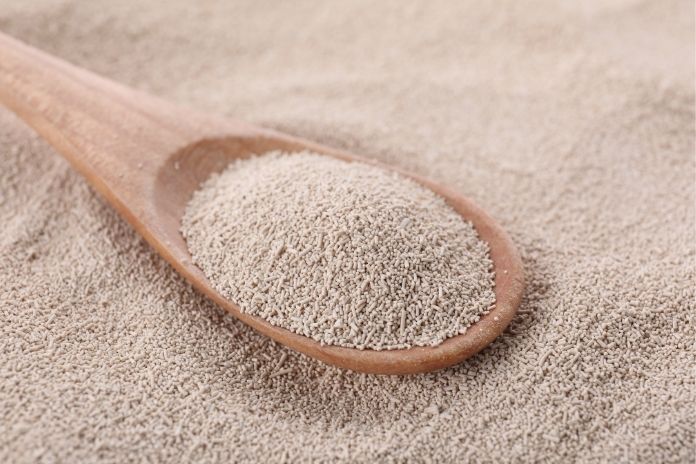
Most lactic acid bacteria and yeast strains in fermented beverages begin dying at temperatures above 46°C (115°F). By the time you reach a full simmer at 100°C (212°F), the live microbial population is functionally eliminated. What you have at that point is no longer a probiotic food in any meaningful technical sense.
That’s the clinical answer, and it’s direct.
Dr. Megan Rossi, PhD, RD, APD, when asked directly whether cooking with fermented drinks destroys their probiotic properties, she confirmed without ambiguity: “Freezing generally not, cooking generally yes,” she told The Doctor’s Kitchen. The live bacteria don’t survive the heat. That part of the equation is settled.
What isn’t settled, and what’s increasingly the focus of nutrition science, is what the heat leaves behind. Fermentation is not only a process for generating bacteria. It’s a biochemical transformation that produces a cascade of compounds: organic acids, bioactive peptides, short-chain fatty acids, antioxidants, polysaccharides, and cell wall components.
When the bacteria die, those compounds don’t disappear. The question is whether they still do anything useful in the body. Emerging science on postbiotic benefits suggests they do.
Postbiotics 101: The Hidden Benefits That Survive the Heat

What Are Postbiotics?
The term “postbiotics” has been used loosely in wellness circles for years.
The scientific community has worked to tighten that considerably. In 2021, the International Scientific Association for Probiotics and Prebiotics (ISAPP) published a formal consensus statement in Nature Reviews Gastroenterology & Hepatology defining a postbiotic as “a preparation of inanimate microorganisms and/or their components that confers a health benefit on the host.”
The panel specified that effective postbiotics must contain inactivated microbial cells or cell components, with or without metabolites, and that these components must actually contribute to observed health benefits.
That definition covers a broad range of fermentation byproducts: short-chain fatty acids, including butyrate and propionate, lactic acid and acetic acid, antimicrobial peptides, bacteriocins, functional proteins, teichoic acids, polysaccharides, and the structural fragments of inactivated bacterial cell walls.
When you heat a fermented drink, the bacteria die. But these compounds, produced by those bacteria during fermentation, largely remain.
Why They Still Matter
The gut-health actions of postbiotics are distinct from those of live probiotics, but they are not lesser. A review published in PMC examining postbiotic mechanisms confirmed that postbiotics exert their effects through protective modulation of immune response, fortifying the intestinal epithelial barrier, and direct antimicrobial activity.
Cell wall fragments from inactivated bacteria interact with pattern recognition receptors on immune cells, triggering innate immune responses comparable to those stimulated by live bacteria.
The key practical advantage of postbiotics benefits over live probiotics in culinary contexts is heat stability. Unlike living bacteria that die above 46°C, postbiotic compounds are structurally stable at cooking temperatures. Organic acids are heat-resistant.
Antioxidant compounds produced during fermentation, including phenolic metabolites in kombucha and bioactive peptides in kefir remain bioactive through moderate cooking. Cell wall fragments don’t denature at the boiling point. The transformation from probiotic to postbiotic isn’t a downgrade. It’s a change in mechanism.
Prof. Tim Spector, MD, one of the world’s most cited scientists in the fields of gut microbiome research and fermented food science, underwent his own reckoning with this evidence: “I used to think everything dead was a waste of time.” “Now, it’s less clear. There is definitely some benefit from ‘dead’ microbes, what we call postbiotics.”
His explanation for how this works is precise: “The microbes may not be alive, but their cell walls still interact with the immune system. They work a bit like vaccines; they still trigger beneficial responses.” For someone who spent years advocating exclusively for live ferments, this is a meaningful shift.
Read More: The Benefits of Adding Fermented Foods to Your Daily Meals
How Fermented Drinks Change During Cooking
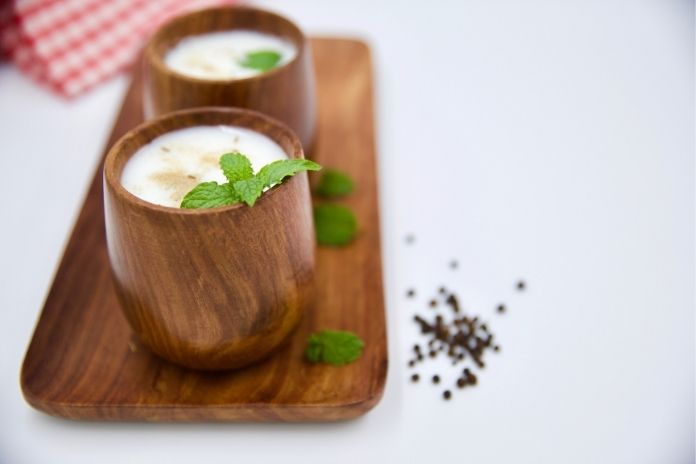
Kefir and Buttermilk in Baking
When kefir or buttermilk goes into a baked good, the oven kills every live organism within minutes. What it can’t eliminate are the lactic acid, acetic acid, and bioactive peptides produced during fermentation.
In baking, these compounds do real structural work: the acidity reacts with baking soda to produce carbon dioxide and lift, tenderizes gluten strands for a more delicate crumb, and improves the bioavailability of minerals by partially breaking down phytic acid.
The probiotic vs. postbiotic distinction here is actually irrelevant to the baking function. Kefir’s value in a loaf isn’t its live bacteria. It’s the acid environment that those bacteria produced. That environment survives the heat entirely and delivers both textural and nutritional benefits.
The antioxidant compounds and bioactive peptides in kefir that support intestinal epithelial integrity have also demonstrated a degree of heat stability in research on fermented dairy. While some loss occurs at high oven temperatures, meaningful amounts survive the moderate temperature environments of most baked goods, particularly in the crumb rather than the crust.
Read More: 7 Kefir Health Benefits: How Good Kefir is for Health?
Kombucha in Marinades and Sauces
Kombucha’s flavor profile in savory applications is the function of its organic acid chemistry: acetic acid for tartness and depth, gluconic acid for that distinctive mild tang, and a complex of polyphenolic antioxidants derived from the tea base.
When kombucha cooking happens at high heat, live bacteria and yeast die. But the organic acid profile, particularly the acids that give kombucha its antimicrobial and flavor properties, is heat-stable and persists in the final dish.
A study examining postbiotic compounds across fermented beverages found that fermentation-derived antioxidant compounds and short-chain organic acids from fermented products remained biologically active in experimental models even after heat treatment, with the antioxidant capacity of fermented beverages showing meaningful retention after moderate cooking temperatures compared to unfermented controls.
In marinades specifically, kombucha’s heat and probiotics trade-off resolves cleanly: you’re not using it for the bacteria in a marinade. You’re using it for acid-based tenderizing, flavor complexity, and residual antioxidant activity, none of which depend on live cultures.
Read More: Is Kombucha Good for You? Gut Health Benefits, Risks, and How Much to Drink
Beet Kvass and Kvass-Based Soups
Beet kvass sits in an interesting position because its health claims reach beyond its live cultures into the compounds derived from beets themselves: betalains, nitrates, and flavonoids that retain significant activity after heating.
When added mid-soup or stirred in at the end of cooking, beet kvass delivers a combination of fermentation-derived postbiotic compounds and beet-native antioxidants.
Adding kvass at the end of cooking or off the heat, after the pot has been removed from the burner, preserves more of both the lactic acid content and the heat-sensitive betalain compounds.
In borscht, stirring in a small amount of raw kvass just before serving is a technique that delivers color, depth, and a live probiotic hit on top of what the cooked components have already contributed.
Smart Cooking Tips to Preserve the Most Benefits
Add fermented drinks after cooking wherever possible. Kombucha as a finishing drizzle over roasted vegetables, kefir whisked into a dressing just before serving, and kvass added to a cooled soup all deliver the full spectrum of live cultures alongside the fermentation byproducts that survive cooking. This is where you get both.
Use gentle heat when cooking is unavoidable. A pan sauce reduced to a simmer rather than a boil preserves more postbiotic activity than a hard reduction. Baking temperatures around 325°F are kinder to bioactive compounds than 400°F. The bacteria are already gone at both temperatures, but the heat-sensitive antioxidant compounds benefit from lower thermal exposure.
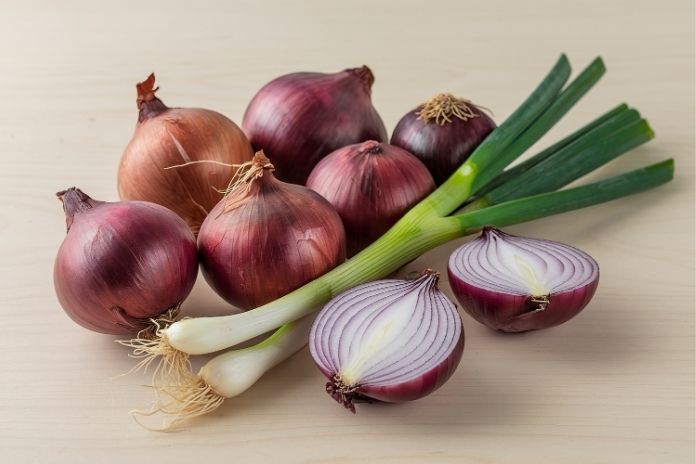
Combine with prebiotic ingredients. Oats, garlic, onions, leeks, and chicory contain the fermentable fibers that feed beneficial gut bacteria already in residence. Pairing cooked fermented ingredients with prebiotic foods means the postbiotic compounds can do their barrier and immune work while the prebiotics support the resident microbiome.
Keep kombucha’s sugar content in mind. High sugar concentrations in some commercial kombuchas can affect how the liquid behaves in sauces and reductions. Opt for lower-sugar formulations in culinary applications where you don’t want sweetness dominating the acid profile.
Postbiotics in Modern Nutrition: The Next Frontier
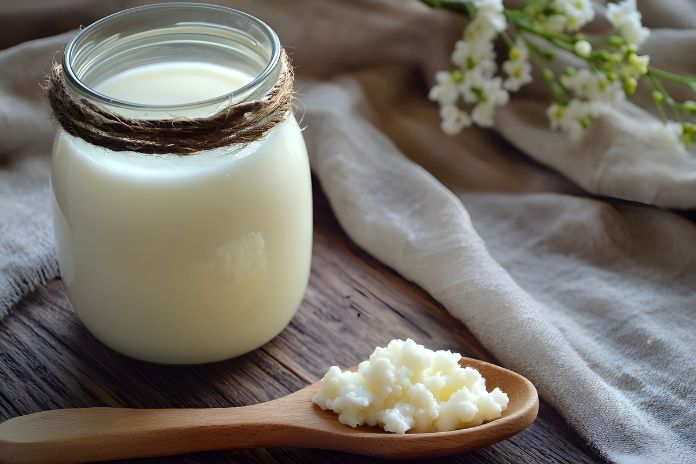
The formal ISAPP definition published in 2021 triggered a wave of research that’s still accelerating. A 2024 review in PubMed on pre-, pro-, syn-, and postbiotics found that postbiotics can regulate metabolite synthesis, improve intestinal barrier integrity, and modulate gut microbiota composition in managing metabolic illnesses, functions that parallel those of live probiotics through partially overlapping mechanisms.
The food and beverage industry has noted this. Companies are now engineering products specifically around postbiotics benefits, heat-treating probiotic preparations deliberately to create stable postbiotic preparations with consistent, quantifiable bioactive content. The stability advantage of postbiotics over live probiotics, no cold chain required and no viable count declining on the shelf, makes them attractive for functional food applications at scale.
The ISAPP Expert Panel established the scientific framework for postbiotics as a defined category, specifying that postbiotic preparations must contain inactivated microbial cells or cell components that demonstrably contribute to health benefits, distinguishing them from simple fermentation byproducts or isolated metabolites.
The panel included experts in nutrition, microbial physiology, gastroenterology, and food science, and their consensus positions postbiotics not as a lesser alternative to probiotics but as a parallel category with distinct mechanisms, distinct advantages, and distinct clinical applications.
Cooking with fermented drinks fits squarely within this framework: what you produce when you heat kefir in a batter is, by the ISAPP definition, a postbiotic preparation.
What this means practically for home cooks is that fermented ingredient recipes built around kefir, kombucha, and kvass are not nutrient-wasting moves. They’re postbiotic cooking, whether or not the label has caught up to the science.
Read More: The Rise of Postbiotics: What They Are and Why They Matter
When Cooking Isn’t the Goal: When to Keep Ferments Raw
The case for postbiotics benefits in cooking is not an argument against drinking fermented beverages unheated. If your goal is live probiotic delivery, raw is the correct approach.
A landmark Stanford randomized controlled trial. found that a high-fermented food diet, consuming six servings daily of live-culture fermented foods including kefir, kombucha, and fermented vegetables, increased gut microbiome diversity and reduced circulating markers of inflammation over 10 weeks. That study was built on live cultures. The benefit was real and specific to living organisms reaching the gut.
For therapeutic probiotic support, drink your kombucha cold, straight from the bottle. Add kefir to a smoothie at room temperature rather than blending it into a cooked dish. Use kvass as a drinking accompaniment to meals rather than a cooking liquid. Raw application preserves the live bacteria that the Cell trial documented as microbiome-active.
Dr. Justin Sonnenburg, PhD, draws a clear practical line: the fermented food benefit in his trial came from consistent daily exposure to live cultures in sufficient quantity, not from occasional culinary use. The dietary pattern, he emphasized in interviews around the study, was the mechanism, not any single serving.
Using fermented drinks, both raw and cooked, across the week delivers the full spectrum: live probiotic exposure on the days and in the meals where they’re used cold and postbiotic benefits built into cooked dishes where heat is unavoidable.
The most practical approach is simple alternation: a glass of raw kefir or kombucha daily for live culture exposure and confident use of fermented drinks in cooking for flavor and postbiotic benefit. You’re not diluting one use with the other. You’re stacking them.
Takeaway: Cooking With Fermented Drinks Isn’t a Waste
Do probiotics survive cooking? No. Do benefits survive cooking? Yes, in a different form.
The bacteria in kefir, kombucha, and kvass die above 115°F. The organic acids, bioactive peptides, antioxidant compounds, and structural fragments they produced during fermentation do not.
These compounds, formally classified as postbiotics under the ISAPP definition, continue to support gut barrier integrity, modulate immune responses, and deliver antimicrobial and anti-inflammatory actions through mechanisms that don’t require any living bacteria.
Cooking with fermented drinks is, by the most current scientific understanding, postbiotic cooking. You’re using a heat-transformed ingredient whose biological activity is different from its raw form but not absent from it. The kombucha in your sauce didn’t waste its potential on the burner. The kefir in your pancake batter didn’t just become acidified milk. Both transformed. The benefits transformed with them.
You didn’t kill the benefits. You changed their form.
FAQs
Do probiotics survive cooking?
No. Most lactic acid bacteria and yeast strains in fermented drinks die above 46°C (115°F). Any cooking above that temperature eliminates the live microbial population. What remains are fermentation byproducts and structural cell components classified as postbiotics, which retain significant biological activity.
What are postbiotics?
Postbiotics are preparations of inanimate microorganisms and/or their components that confer a health benefit on the host, as defined by ISAPP in 2021. They include short-chain fatty acids, organic acids, antimicrobial peptides, antioxidant compounds, and bacterial cell wall fragments produced during fermentation. Unlike live probiotics, they are heat-stable.
Is cooking with kefir or kombucha healthy?
Yes. Kefir in baking delivers lactic acid that improves texture and mineral bioavailability. Kombucha cooking retains organic acids and antioxidant compounds. Both deliver postbiotic benefit through the fermentation-derived compounds that survive heat treatment.
Should I ever use fermented drinks raw?
Yes, for live probiotic benefits. Drinking kombucha, kefir, or kvass unheated delivers live bacteria that interact with the resident microbiome and have been associated with increased microbial diversity and reduced inflammation in clinical trials. Use both approaches across your diet.
What’s the best way to preserve the most benefits when cooking with fermented drinks?
Add them after cooking where possible, use moderate rather than high heat, and combine with prebiotic ingredients like oats, garlic, and onions. This preserves more heat-sensitive postbiotic compounds and allows the fermented ingredient to interact with prebiotic substrates that support resident gut bacteria.
Are postbiotics the same as prebiotics?
No. Prebiotics are non-digestible dietary fibers that feed beneficial gut bacteria. Postbiotics are bioactive compounds produced by bacteria during fermentation, including inactivated cells and metabolites. Probiotics are the live bacteria themselves. All three are distinct categories with different mechanisms and different evidence bases.
References
- Rossi, M. (2024). How to choose the right probiotic for you and how they work. The Doctor’s Kitchen, Episode 305.
- Salminen, S., Collado, M. C., Endo, A., Hill, C., Lebeer, S., Quigley, E. M. M., et al. (2021). The International Scientific Association of Probiotics and Prebiotics (ISAPP) consensus statement on the definition and scope of postbiotics. Nature Reviews Gastroenterology & Hepatology, 18(9), 649-667.
- Spector, T. (2025). Ferment: The Life-Changing Power of Microbes. Jonathan Cape. Quoted in: The Independent.
- Vinderola, G., Sanders, M. E., & Salminen, S. (2022). Postbiotics: The concept and their use in healthy populations. Frontiers in Nutrition, 9, 1002213.
- Wastyk, H. C., Fragiadakis, G. K., Perelman, D., Dahl, W. J., Zhu, Z., Sonnenburg, J. L., & Gardner, C. D. (2021). Gut-microbiota-targeted diets modulate human immune status. Cell, 184(16), 4137-4153.
- Wegh, C. A. M., Geerlings, S. Y., Knol, J., Roeselers, G., & Belzer, C. (2019). Postbiotics and their potential applications in early life nutrition and beyond. International Journal of Molecular Sciences, 20(19).
- Zhao, Y., Yang, Q., Liu, Z., & Yao, M. (2023). Postbiotics in human health: A narrative review. PMC
- Aguilar-Toalá, J. E., Garcia-Varela, R., Garcia, H. S., Mata-Haro, V., González-Córdova, A. F., Vallejo-Cordoba, B., & Hernández-Mendoza, A. (2018). Postbiotics: An evolving term within the functional foods field. Trends in Food Science & Technology, 75, 105–114
- Khalifa, S. A. M., et al. (2022). Postbiotics: A promising tool for human health. Frontiers in Nutrition, 9, Article 9027423.
- Chen, J., et al. (2024). Postbiotics and their role in food and human health. Foods, 13(18), 2937
- Islam, M. Z., et al. (2023). Postbiotics and their role in healthy life. International Journal of Food Science.
- Natural Health Research Institute. (n.d.). Postbiotics and their role in human health.
- Microbiome Post. (n.d.). Postbiotics: How heat-treated lactobacilli postbiotic can improve gut-friendly bifidobacteria growth.
- Solabia Nutrition. (n.d.). Exploring the power of postbiotics: Benefits and uses.
- Optibac Probiotics. (n.d.). What are postbiotics?
- Sharma, R., et al. (2023). Postbiotics and their role in healthy life. ResearchGate.
In this Article