

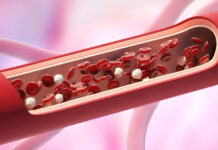















- After a heart attack, many people adopt a sedentary lifestyle, fearing that if they exercise, the problem may arise again. But doctors say staying inactive can actually pose a real risk for future heart problems. .
- Cardiac rehabilitation programs help in recovery through supervised exercise and lifestyle support. In moderation, walking, cycling, and swimming are usually safe, whereas heavy exertion should wait until later stages. .
- Recognising warning symptoms during exercise is essential. Regular, safe movement plays a major role in protecting the heart after recovery.
When someone gets a heart attack, they start fearing moving too much. Even when they have to climb, they feel scared.
Fast walking after a heart attack feels risky. Some people even avoid going out alone because they feel their heart may “act up” again.
That fear is completely understandable.
Long-term studies following heart attack survivors show a clear pattern. People who remain inactive after recovery have a much higher risk of dying earlier compared with those who slowly return to physical activity.
One large study that followed thousands of patients found that people who increased their activity levels after recovery reduced their risk of death by nearly half within four years.
This doesn’t mean rushing into intense, unsafe workouts after a heart attack.
Exercise after a heart attack is not about gym goals or getting fit quickly. It is about helping the heart relearn how to work efficiently again.
In this article, we will explain all about:
- When is it safe to start exercising after a heart attack
- What cardiac rehabilitation actually means
- Which exercises after a heart attack are helpful during recovery
- Which activities should wait for later
- Warning signs that mean you should stop immediately
Why Exercise After a Heart Attack Is So Important

After a heart attack, many patients are repeatedly told to: eat healthy, take medicines on time, and avoid stress. All of that matters. But something that is usually ignored is: exercise.
A large study looked at more than 22,000 people who had a heart attack and compared them based on their activity after recovery.
The results were very clear. Compared with people who stayed inactive:
- Those who slightly reduced their activity had 37% lower risk of death
- Those who increased their activity had 51% lower risk
- Those who remained consistently active had 59% lower risk
In medical research, numbers like these are considered very strong. The reason is quite simple. After a heart attack, if the body is not used, then it becomes less efficient. Hardening occurs in blood vessels, strength decreases in muscles, and the heart has to work harder to pump blood.
When someone stays inactive, this decline happens faster. Regular movement slowly reverses part of that process.
What Exercise Does to a Recovering Heart

Doctors learned many things from cardiac rehabilitation programs. These programs follow heart patients during recovery and guide exercise.
One large analysis studied more than 14,000 heart patients. They found that people who joined rehabilitation programs had:
- 26% lower risk of cardiovascular death
- 18% fewer hospital admissions
Other studies have shown even broader benefits. Patients who attend cardiac rehabilitation programs often experience:
- Lower chances of another heart attack
- Reduced risk of stroke
- Better blood pressure control
- Less depression and anxiety
These improvements are not coming solely from medications. This happens because exercise affects the body in several ways.
The heart itself becomes stronger and more efficient. Blood vessels become more flexible, which improves circulation. The body also handles sugar and fats more effectively, reducing stress on the cardiovascular system.
So exercise after a heart attack is not just about staying active. It is actually part of the healing process.
The 3 Phases of Cardiac Rehabilitation

Recovery from a heart attack is not random. Doctors divide cardiac rehabilitation into three phases.
Each phase has a different purpose.
Phase 1: While You Are Still in the Hospital
This phase usually begins within 24–48 hours after stabilization.
Many patients are surprised when hospital staff encourages them to start moving so soon. But the goal is simple: prevent complications from bed rest.
Activities in this phase are very light:
- Sitting up in bed
- Standing for short periods
- Taking short supervised walks in the hospital corridor
Try to get up and leisurely walk as much as possible even before you leave the hospital, advises Dr. Van Iterson, specialist in exercise physiology.
These movements help prevent:
- Blood clots
- Muscle weakness
- Lung complications
- Sudden drops in blood pressure when standing
Even walking slowly for 30–50 meters can be enough at this stage.
The goal is not fitness, it is safe reactivation of the body.
Phase 2: Supervised Rehabilitation After Discharge
Once discharged, patients typically enter the most important stage of recovery. This is where structured cardiac rehab exercise begins.
Most programs run two or three times per week. Exercise sessions take place in a clinical setting, where health professionals monitor the patient.
A typical rehabilitation team may include:
- Cardiologists
- Nurses
- Exercise specialists
- Dietitians
- Mental health professionals
The program usually includes:
- Aerobic exercise training
- Light strength exercises
- Diet counselling
- Weight management support
- Psychological support
Intensity is carefully controlled. “The time you invest doing things slower with less intensity right off the bat is going to pay dividends when you’re six months or a year out from your heart attack,” says Dr. Tamanna Singh, a cardiologist.
Doctors often use the “talk test.” If you can speak comfortably during exercise, the intensity is usually safe.
Phase 3: Long-Term Maintenance
After about three months, most patients transition to independent exercise. But this phase is often where problems occur.
Many people either do not exercise at all or do so very intensely. But the safe way to do it in the long term is just regular moderate exercise.
Typical recommendations include: 30–45 minutes of aerobic activity at least 5 days per week. This never needs gym equipment.
The overall goal recommended by major heart associations is: 150 minutes of moderate aerobic activity per week
Activities may include:
- Walking
- Cycling
- Swimming
- Light strength training
It is worth noting that many insurance plans cover cardiac rehabilitation. Unfortunately, many patients are unaware that such programs exist.
What Exercises Are Safe After a Heart Attack

1. Aerobic Exercise
Aerobic activities form the foundation of heart attack recovery exercise. These are exercises after a heart attack that keep the body moving continuously at a steady, moderate pace.
Examples include:
- Walking
- Cycling
- Swimming
- Light jogging in later stages
Walking is often advised at the start because it is simple and safe. Even just a few as about 2,300 steps each day already reduces cardiovascular death risk.
And those additional 1,000 steps per day? This bonus lowers death risk by roughly 15%. This shows that even small increases in movement can make a difference.
2. Strength Training
Light strength training can also be beneficial, but it usually begins later in recovery.
Strength training can also be beneficial when introduced gradually. Research involving nearly 13,000 participants showed that less than one hour of resistance training per week was associated with a 40–70% reduction in heart attack and stroke risk, independent of aerobic activity.
The key principle is progression. Exercise intensity should increase slowly over weeks and months.
Activities to Avoid Early in Recovery

Some types of exercise place sudden strain on the cardiovascular system and should be avoided during early recovery.
Heavyweight lifting is one example. Very intense strength exercise can suddenly increase blood pressure and strain the heart. High-intensity workouts should usually wait until the heart becomes stronger.
Weather conditions also matter. Very hot weather can cause dehydration and increase heart rate. Very cold weather can narrow blood vessels and raise blood pressure. Both situations make the heart work harder.
Patients who have had bypass surgery may also need to avoid some upper-body exercises until surgical wounds heal.
These restrictions are usually temporary. Many patients later return to normal physical activities.
Warning Signs That Mean You Should Stop Exercising

Exercise after a heart attack, during recovery, should feel manageable. Some mild tiredness is normal at the beginning. But certain symptoms should never be ignored.
Stop exercise immediately if you feel:
- Chest pain or pressure
- Severe breathlessness
- Dizziness or a faint feeling
- Fast or irregular heartbeat
- Nausea during exercise
- Unusual extreme fatigue
- Pain spreading to the jaw, neck, shoulder, or arm
These symptoms may mean the heart is not tolerating activity. If chest pain does not go away with rest, seek medical help immediately.
Read More: Acid Reflux vs. Heart Attack: How to Tell the Difference
What Research Says About Exercise Risks
Many patients worry that exercise itself might trigger another heart attack.
Research suggests that the absolute risk is very low when exercise is supervised and gradual.
In cardiac rehabilitation programs, serious events occur roughly once per tens of thousands of exercise hours.
This makes supervised exercise far safer than most people assume.
The larger risk often comes from sedentary recovery, which increases metabolic and cardiovascular deterioration.
Read More: Signs of a Heart Attack That Could Show Up a Month Before
A Practical Timeline for Returning to Exercise
Heart attack recovery timelines vary depending on the severity of the heart attack and overall health. But many heart attack rehabilitation programs follow a gradual approach similar to this:
Week 1–2
Short supervised walks and light movement
Week 2–4
15–30 minute walks on flat ground, slowly increasing pace
Week 4–6
30–45 minute walks and participation in structured rehabilitation
Week 6+
With physician approval: cycling, swimming, light resistance
3+ months
Aim for around 150 minutes of moderate exercise per week
These timelines are just general guidelines. Some patients recover even faster than this, whereas others may need more time.
Factors that affect recovery include:
- Fitness level before the heart attack
- Extent of heart damage
- Other conditions like diabetes or hypertension
- Emotional confidence and mental recovery
For many people, a big challenge is never physical ability but the fear of getting another attack. Supervised rehabilitation programs help get confidence back safely.
Read More: Signs of a Heart Attack vs. Panic Attack: When to Call 911
Conclusion
Fear after a heart attack is very natural. Many survivors feel safe when they avoid physical activity completely. But new research clearly shows that doing nothing poses more risks than controlled movement.
Regular exercise after a heart attack strengthens the heart, improves circulation, and lowers the risk of another cardiovascular event. Cardiac rehabilitation programs provide one of the safest ways to begin this process.
However, the benefit does not come from pushing limits. It comes from controlled, consistent movement over time.
In many cases, the difference between long-term recovery and progressive heart failure is not a single medication.
It is whether the heart is trained again after injury.
- Not moving much after a heart attack can increase the risk of dying earlier..
- Cardiac rehabilitation programs help patients recover more effectively and reduce the risk of future heart problems.
- Moderate aerobic exercise after a heart attack, like walking, is usually the safest starting activity.
- If warning symptoms happen during exercise, then they should never be ignored.
- Doing regular physical activity helps keep the heart healthier in the long term.
References
- Anderson, L., Oldridge, N., Thompson, D. R., Zwisler, A.-D., Rees, K., Martin, N., & Taylor, R. S. (2016). Exercise-Based Cardiac Rehabilitation for Coronary Heart Disease. Journal of the American College of Cardiology, 67(1), 1–12.
- Banach, M., Lewek, J., Surma, S., Penson, P. E., Sahebkar, A., Martin, S. S., Bajraktari, G., Henein, M. Y., Reiner, Ž., Bielecka-Dabrowa, A., & Bytyçi, I. (2023). The association between daily step count and all-cause and cardiovascular mortality: a meta-analysis. European Journal of Preventive Cardiology, 30(18).
- European Society of Cardiology. (2018). Exercise after a heart attack — it could save your life, research suggests.
- LIU, Y., LEE, D.-C., LI, Y., ZHU, W., ZHANG, R., SUI, X., LAVIE, C. J., & BLAIR, S. N. (2019). Associations of Resistance Exercise with Cardiovascular Disease Morbidity and Mortality. Medicine & Science in Sports & Exercise, 51(3), 499–508.
- Pavy, B. (2006). Safety of Exercise Training for Cardiac Patients. Archives of Internal Medicine, 166(21), 2329.
- Taylor, R. S., Dalal, H. M., & McDonagh, S. T. J. (2021). The role of cardiac rehabilitation in improving cardiovascular outcomes. Nature Reviews Cardiology, 19(3), 1–15
In this Article