













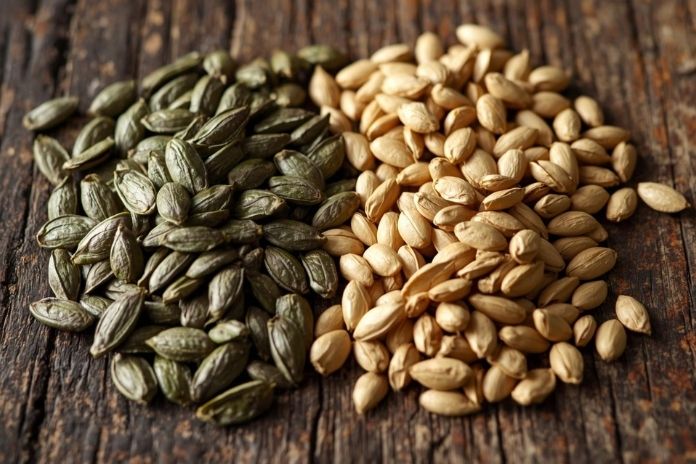
- Pumpkin seeds (zinc) help regulate oil production, calm inflammation, and support hormone balance, which is useful for hormonal acne around the chin and jawline.
- Sunflower seeds (vitamin E) protect skin from oxidative stress, reduce redness, and strengthen the skin barrier, especially helpful for healing and post-acne marks.
- For best results, combine both in moderation and pair with omega-3 sources to support overall hormone balance and long-term skin clarity.
Having hormonal acne might feel endless. Another severe, excruciating outbreak around your chin or jawline just when you think your skincare regimen is working. Nutrition has come into focus as more people look into natural remedies for hormonal acne.
Sunflower seeds and pumpkin seeds, two common snack foods, are now being discussed. Why? because they are abundant in two nutrients that help healthy skin: vitamin E for acne and zinc for hormonal acne.
This article will discuss the science behind pumpkin seeds vs sunflower seeds for skin, as well as how zinc and vitamin E function differently in the body and how they affect inflammation, oil production, and hormonal acne causes.
Read More: What Happens If You Eat Pumpkin Seeds Daily? Benefits, Risks, and How Much Is Too Much
Understanding Hormonal Acne and the Role of Nutrition
Hormonal acne is something a lot of people deal with, especially women. You usually see it pop up around the face, chin, and jawline, though it sometimes appears on the chest or back as well. Regular acne usually appears due to clogged pores or dirt.
Hormonal acne’s a different thing; it’s all about changes in your hormones. When those hormones swing up or down, your skin starts making more oil, and that’s when breakouts show up.
But the biggest hormonal acne cause is androgens. According to research in dermatoendocrinology, androgens ramp up sebum production, and that’s what mostly drives acne.
Insulin and insulin-like growth factors play a role here, too, as they affect inflammation and hormone levels. When your diet causes your blood sugar to spike or throws your hormones out of balance, acne often gets worse.
Hormonal acne can be controlled by eating foods that balance hormones, reduce acne, lower inflammation, and regulate your blood sugar. On the other hand, some foods can exacerbate acne by increasing insulin levels or causing inflammation. Antioxidants and anti-inflammatory nutrients are important in this situation.
Zinc in Pumpkin Seeds—The Acne-Fighting Mineral
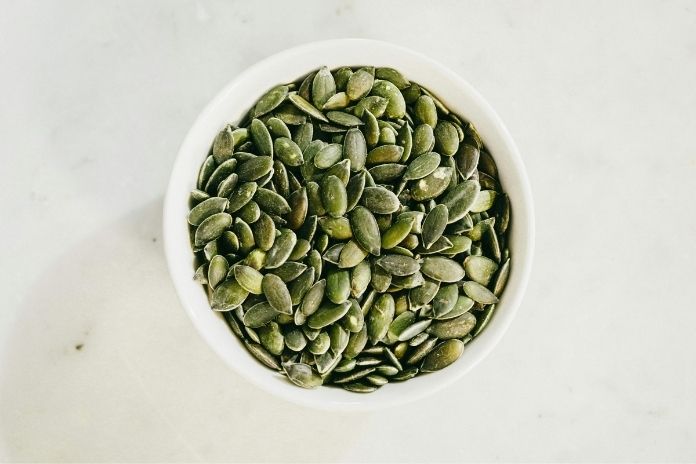
Since pumpkin seeds contain zinc, they are frequently marketed as one of the best seeds for clear skin. Zinc is a vital trace mineral that affects hormone balance, inflammatory management, and immune system performance.
How Zinc Regulates Sebum and Inflammation
One of the most important mechanisms of zinc in hormonal acne is its role in regulating zinc and sebum levels. A natural way to improve skin’s health is to eat pumpkin seeds. Packed with antioxidants, such as zinc and vitamin E, they actively fight against free radicals that can damage your skin’s cells. Essential fatty acids do wonders for your skin.
They lock in moisture, calm irritation, and help your skin bounce back from damage, so you get that healthy glow. Use them regularly, and you’ll probably notice fewer breakouts, a more even skin tone, and some extra defense against signs of aging.
These little seeds actually boost collagen production, keeping your skin firm and youthful, whether you eat them or smooth on some pumpkin seed oil. Honestly, it’s one of the easiest ways to upgrade your skin from the inside out.
Zinc’s Hormonal Connection
Zinc’s impact on androgen metabolism is a key factor in investigating zinc for hormonal acne. Pumpkin seeds pack a punch when it comes to important minerals like zinc and magnesium, both of which are tied directly to testosterone levels.
When you don’t get enough zinc, your body struggles to make testosterone. Magnesium helps keep your hormones in balance. So, if you want to naturally support healthy testosterone, eating foods rich in these minerals, like pumpkin seeds, really makes a difference.
Making dietary adjustments for a mild zinc deficiency can be a helpful first step for people seeking natural remedies for hormonal acne.
How Much Zinc Do You Get from Pumpkin Seeds
Seeds and nuts are rich in zinc, but pumpkin seeds really stand out. If you’re looking for a tasty snack, grab a handful of roasted, lightly salted pumpkin seeds. A 100-gram serving of about 300 seeds gives you around 10.3 milligrams of zinc.
Read More: Important Health Benefits Of Pumpkin Seeds
Vitamin E in Sunflower Seeds—The Skin’s Antioxidant Shield
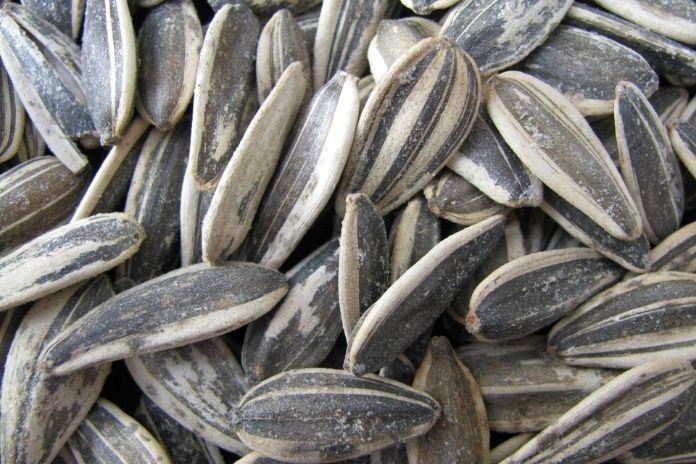
Sunflower seeds’ strong vitamin E concentration makes them glow. Vitamin E is one of the body’s most potent fat-soluble antioxidants.
Vitamin E and Oxidative Stress
Oxidative stress exacerbates inflammation and harms skin cells. Additionally, it causes delayed healing and post-acne hyperpigmentation. Vitamin E, the body’s primary lipid-soluble antioxidant, is abundant in sunflower seeds.
Vitamin E’s anti-inflammatory properties help prevent the onset of conditions such as rheumatoid arthritis, asthma, cancer, diabetes, and osteoarthritis, which are triggered by damage from free radicals.
Clogged arteries from oxidized cholesterol cause atherosclerosis, heart attacks, and strokes. A quarter cup of sunflower seeds provides around 90 percent of the daily requirement for vitamin E.
Hormone and Barrier Support
While zinc primarily affects oil production, vitamin E, an antioxidant for skin, supports barrier integrity. A healthy skin barrier helps reduce irritation and locks in moisture. Vitamin E is involved with some of the same pathways as estrogen.
It keeps cell membranes stable and calms inflammation tied to hormone shifts, though it doesn’t act as a hormone regulator the way zinc does. For anyone dealing with dryness after acne treatments like retinoids, vitamin E antioxidant for skin can help repair the skin’s barrier.
Nutritional Profile of Sunflower Seeds
Vitamin E: One ounce of sunflower seeds gives you about 7.4 milligrams of vitamin E; that’s 37% of your daily needs. This antioxidant does a lot for your skin, protecting your cells from damage and helping you look and feel better.
Magnesium: You get about 90 milligrams of magnesium in a serving. Your body needs it for strong bones and muscles and to keep your energy up all day.
Selenium: Sunflower seeds pack around 20 micrograms of selenium per ounce. This trace mineral is key to antioxidants and a healthy immune system, helping keep your thyroid on track.
Pumpkin Seeds vs. Sunflower Seeds—Which Wins for Hormonal Acne?
Which is better, zinc for hormonal acne or vitamin E for acne? Depending on your main worry, the answer will vary.
Due to their rich nutritional content, pumpkin and sunflower seeds both offer remarkable skin benefits. However, their potential effects on skin health differ slightly. Both seeds are common additions to skincare regimens because they are rich in vital vitamins, minerals, antioxidants, and skin-nourishing fatty acids.
An ounce of pumpkin seeds contains 2.17 milligrams of zinc, or 20% of the Daily Value (DV). Just 14% of the DV may be found in an ounce of sunflower seeds. Because of this, pumpkin seeds are a preferred option for people who want to increase their zinc intake. A serving of pumpkin seeds has 13.9 grams of fiber, whereas an ounce of sunflower seeds has 14.1 grams.
Both seeds are excellent sources of unsaturated fats, which promote heart health, especially when used to replace saturated fats in the diet. Nevertheless, the difference is not that great. You can include both sunflower and pumpkin seeds, which are high in nutrients, as part of a balanced diet.
Pumpkin seeds may be a better choice if increasing zinc intake is a top concern. However, sunflower seeds offer a little more if your primary goal is to increase healthy fats. Moderately combining both seeds rather than using one could have synergistic effects. Including both can provide anti-inflammatory nutrients while supporting hormone balance and antioxidant defense.
Read More: 17 Benefits of Sunflower Seeds for Better Health, Skin, and Hair
Practical Ways to Use These Seeds for Clearer Skin
Moderation is essential for skin health.
Daily recommended dosage:
- Eat1 ounce of pumpkin seeds
- 1 ounce of sunflower seeds
Skip the heavily salted or flavored ones. Extra sodium and weird additives may aggravate irritation.
How to use them?
- Toss them into a berry smoothie, which packs a punch of antioxidants.
- Sprinkle a handful over your morning porridge or yogurt.
- You can also blend the seeds into a homemade seed butter and spread it on your toast.
Consistency is more important than quick remedies when developing a regimen of foods that balance hormones and reduce acne. To maintain a healthy omega-6 vs omega-3 balance, pair sunflower seeds with omega-3 sources like flaxseeds, chia seeds, or fatty fish.
When to Seek Professional Help
A healthy diet can support skin health, but it cannot replace a medical assessment. Acne that is painful and persistent could be an indication of underlying problems like the following:
- Skin seems lifeless
- Hyperpigmentation
- Discoloration
- Greasy or dry skin
- Scars from acne
- The suppleness of the skin is degrading
- Formation of wrinkles or fine lines
If acne continues despite optimizing acne-safe foods and trying natural remedies for hormonal acne, consult a dermatologist or registered dietitian.
Read More: 9 Healthiest Seeds To Eat For Better Nutrition
Conclusion
Treating hormonal acne takes more than just creams and cleansers. You need a real plan that looks at the whole picture. Pumpkin seeds pack a punch of zinc, while sunflower seeds give you vitamin E; both can help your skin from the inside out.
Zinc stands out for people dealing with hormone-fueled breakouts. It keeps oil production in check, calms inflammation, and helps your hormones stay balanced.
References
- Halo Health. (March 21, 2023). National Nutrition Month: Hormonal Acne Diet.:
- Clinicbe London. (n.d.). Nutrition and diet advice for acne.
- TOI Lifestyle Desk. (2024, November 4). Pumpkin seeds vs sunflower seeds: Which are better for your skin?
- Supreme Hospitals. (2025, February 25). 7 powerful seeds that may help improve skin health naturally.
- Pranoflax. (2025, October 8). Zinc in pumpkin seeds: Why your body needs it.
- Luke Daugherty. (August 17, 2022). 15 Best Food Sources of Zinc.
- Puraikalan, Y., & Scott, M. (July 06, 2023). Sunflower seeds (Helianthus annuus) and health benefits: A review
In this Article