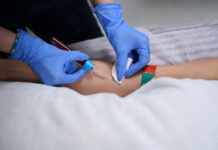












- Watch-and-wait is active monitoring, not neglecting treatment.
- Indolent lymphoma often stays stable for many years
- Meditation, CBT, and support help manage uncertainty
It can be confusing to live with a diagnosis of indolent lymphoma. Despite being informed that you have cancer, your doctors advise against seeking treatment right away. Rather, they recommend routine examinations, blood tests, and scans to monitor the illness. This approach, which is sometimes referred to as “wait and watch lymphoma,” can be emotionally taxing but medically wise.
This article will discuss the “wait-and-watch” strategy, its true meaning, its application, and how to develop useful coping strategies for indolent lymphoma that promote emotional fortitude.
We’ll discuss evidence-based strategies for improving emotional well-being in lymphoma patients, mindfulness and meditation in cancer care, and cognitive behavioral therapy (CBT) for cancer anxiety.
Read More: Do Food Preservatives Increase Cancer Risk? What Research Really Shows
Understanding the “Wait-and-Watch” Approach in Indolent Lymphoma
You hear it a lot: wait and observe. Or maybe someone says, “Wait and see,” or just calls it ongoing observation. No matter the name, it’s something people talk about right after a cancer diagnosis.
Sometimes, it’s not just a phrase. For certain kinds of cancer, waiting and watching is actually the main approach. You don’t jump in with treatment right away. You have to sit tight and keep an eye on things.
Most doctors would tell you that’s a difficult task. After a cancer diagnosis, many people feel an intense urge to remove it immediately through surgery, radiation, chemotherapy, or any available treatment.
Usually, watchful waiting includes:
- Routine blood examinations
- Imaging tests when required
- Periodic physical examinations
Indolent lymphomas can remain stable for years, in contrast to aggressive ones that require immunotherapy or chemotherapy promptly. Many patients live long and productive lives while living with slow-growing lymphoma.
Reframing the Diagnosis: A Chronic, Manageable Condition
View indolent lymphoma as a chronic condition requiring careful monitoring rather than immediate eradication. Prioritize regular follow-ups and long-term management. Focus on maintaining daily well-being and stability rather than being overwhelmed by uncertainty about the future.
This change is the cornerstone of successful coping strategies for indolent lymphoma and promotes greater emotional well-being in lymphoma patients.
Managing Anxiety and Emotional Uncertainty

The “no treatment” phase is frequently when anxiety peaks. Some patients feel vulnerable without medication or chemotherapy. It can be more frightening to do nothing than to receive care. Managing anxiety during active monitoring requires both practical tools and mindset shifts.
“Just by recognizing and naming our emotions, we can lessen the intensity of the difficult feeling,” encourages oncology social worker Ilana Spaulding, MSW, LISW. “This is often referred to as ‘name it to tame it.’ Once we’re aware of how we feel, we can also decipher how to cope best moving forward,” she adds.
Cognitive and Behavioral Tools
Cognitive behavioral therapy (CBT) for cancer anxiety is one of the most studied methods for treating cancer anxiety.
CBT functions by:
- Recognizing automatic negativity
- Balanced reasoning in place of narratives motivated by fear
For instance, CBT promotes analyzing the data and substituting the statement “My cancer will explode” with “My medical team closely monitors me, and the progression is usually gradual.” It is advisable to seek professional psychological support for lymphoma when anxiety disrupts relationships, employment, or sleep.
Read More: Is It Cancer or Just a Cold? The 5-Point ‘Feel Test’ for Swollen Neck Lymph Nodes
Mindfulness, Relaxation, and Acceptance Practices
In addition to cognitive-behavioral therapy, mindfulness and meditation in cancer care have been demonstrated as having quantifiable benefits by lowering stress hormones and enhancing quality of life.
Many cancer patients have discovered that using relaxation and meditation techniques has reduced their anxiety during stressful situations, like a test or treatment.
By educating patients to perceive fear without allowing it to rule them, these techniques aid in managing anxiety during active monitoring.
Building Your Psychological Toolkit for Resilience
Creating a customized toolbox improves the quality of life for people living with slow-growing lymphoma.
The following could be in your toolkit:
- Counseling or therapy
- Practice mindfulness every day
- Keeping a journal
- Frequent physical activity
Creating Structure and Stability
Psychological safety is created through routine. Predictable daily routines help people feel less anxious when dealing with unforeseen illness.
Sustaining:
- Consistent sleep patterns
- Meaningful hobbies
- Social customs
Physical and Social Well-Being
Formal, structured exercise is not the only type of exercise. It includes physical activities like walking and household chores that are part of your daily routine.
You may feel happy and at ease when you do yoga or meditate. Engaging in these activities may improve your physical and mental well-being, which is a crucial combination. Try these activities if you’ve never done them before, but believe you could gain from them during this period.
Finding Growth Amid Uncertainty
Even while receiving a diagnosis can be frightening, some people say it changes them personally. Positive psychological change following suffering is referred to as post-traumatic growth in cancer survivors.
Growth could entail:
- Defining one’s own priorities
- Enhancing connections
- Reestablishing a spiritual connection
Fear does not go away when growth prospects are acknowledged.
Read More: Are Chills a Sign of Cancer? Causes, When to Worry, and Other Symptoms to Watch For
Reliable Support and Resources for Patients and Caregivers

Try counseling or another talking therapy. Counseling gives some individuals a chance to communicate topics they cannot with those around them.
There are numerous varieties of counseling. Additionally, some therapists can deal with you in ways that don’t primarily involve verbal exploration of emotions. Alternatively, you may use artistic, musical, or dance forms to express yourself creatively.
The goal of counseling is to provide a secure, accepting environment where you can explore your emotions and feel understood.
It can be beneficial to think about:
- Your emotions and ideas.
- How living with lymphoma impacts your relationships, career, and education.
- What matters most in your life?
- How you typically react to people and objects, and how this relates to the circumstances you’re in right now.
- What do you value about the people and things in your life?
When to Seek Further Help

Although emotional swings are common, some warning signs call for expert assistance:
- Thoughts of suicide
- Inability to perform at home or at work
- Chronic depression that lasts longer than two weeks
- Misusing drugs
For cancer anxiety or other treatments, oncology teams may recommend patients to specialist therapists who have received training in cognitive behavioral therapy (CBT).
Read More: Why Good Dental Care Before Cancer Treatment Helps Prevent Mouth Sores
Conclusion
Living with indolent lymphoma and taking a wait-and-watch approach isn’t just sitting back and hoping for the best. It’s actually a pretty active journey, one that takes emotional growth, self-awareness, and a lot of inner strength.
People find ways to cope, lean on support when they need it, and pay attention to both their bodies and their relationships. That’s how they stay steady and confident while keeping an eye on things.
References
- Lymphoma Action. Emotional impact of living with lymphoma.
- Joan Grossman. (February 10, 2021). Mental Health and Lymphoma: Coping With Fear and Anxiety.
- Lymphoma Canada. Understanding the emotional impact of watch and wait
- American Cancer Society. Practice mindfulness, meditation, and relaxation.
- Carissa Ferro. What is the Resilience Toolkit?
In this Article