












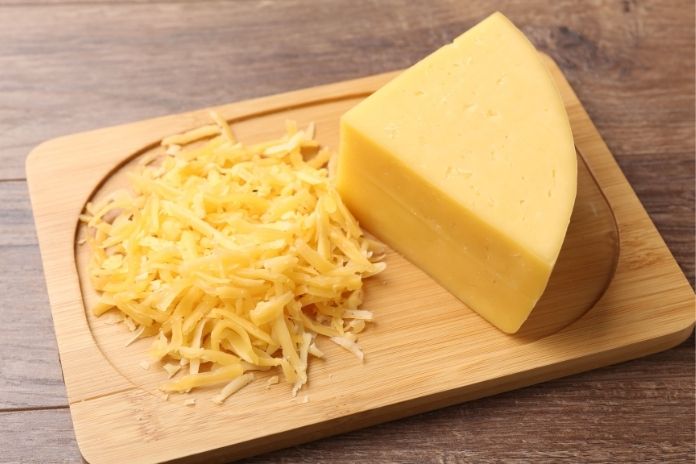
People often think of cheese as “unhealthy,” along with other foods high in fat. The fat in cheese interacts with other nutrients in a way that differs from how saturated fat in fried foods or cheeseburgers works.
It is called the “cheese matrix.” This matrix changes how our bodies take in and break down nutrients, which could have sound effects on gut health, cholesterol levels, and even brain function that we didn’t expect.
This article will discuss the science behind the cheese matrix and its implications for heart and digestive health.
Read More: Is Cream Cheese Healthy? Nutrition, Benefits & Downsides Explained
The “Cheese Matrix” Explained—Structure Changes Everything
Cheese is more than just a collection of protein and fat. Its physical and chemical makeup radically alters the way our bodies metabolize the nutrients it contains. The secret to understanding why cheese behaves differently from other high-fat foods lies in this special “matrix.”
Cheese has a lot of calcium and good protein, but it also has a lot of salt and even saturated fat. A 30-gram serving of cheddar cheese may have more salt than a bag of crisps, according to the British Heart Foundation.
In general, eating a lot of saturated fat raises cholesterol levels and increases the risk of heart disease. There is growing evidence that cheese has a “matrix effect” that protects us from the harmful effects of saturated fat.
Cheesemakers make most cheeses by adding an enzyme called chymosin to milk, while they make some fresh cheeses, like cottage cheese, with acid. Some people use both acid and heat, like with paneer. Your body digests cheese differently depending on how it was made.
A 2017 study in Canada with 43 healthy volunteers found that the fat in cream cheese was absorbed and digested more quickly than that in cheddar. The researchers hypothesized that the body’s enzymes that break down fat would have easier access to the tiny fat droplets in cream cheese.
A further study conducted in 2018 by a group at University College Dublin found that eating cheese resulted in noticeably lower cholesterol levels than eating its constituents separately, such as calcium, protein, and butter. Therefore, utilize the matrix effect as justification to indulge.
The Nutritional and Fermentation Advantage
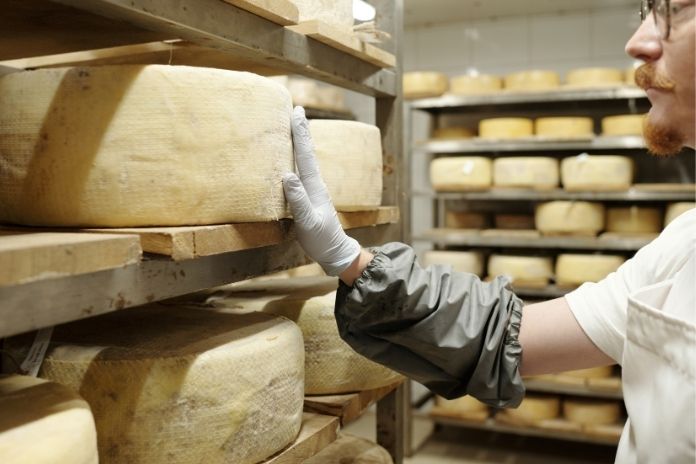
Cheese has many nutritional advantages over processed foods that go beyond structure.
Cheese Is A Fermented Whole Food
Cheese is a traditional food that people love for its taste, richness, creaminess, and also its ability to fill them up. It was found in ancient societies when farming was thriving, and people raised sheep and goats for their milk.
Fermentation, an essential step in making cheese, has been used since ancient times to preserve dairy products and improve their flavor. Microbes, like bacteria and yeast, break down sugar and starch in the food to produce lactic acid, alcohol, and other chemicals.
Fermented dairy products, like cheese, are easier to digest than non-fermented ones. Lactic acid, produced by bacteria during fermentation, aids in the breakdown of the lactose in dairy products and facilitates their digestion for those who are lactose intolerant.
Producers also make cheese from fermented dairy products. Fermented dairy products also contain probiotics, which are beneficial bacteria that can support the immune and digestive systems.
It contains a lot of calcium, phosphorus, and vitamin B12, all of which are very important for strong bones and muscles. The bacteria in fermented dairy may also make it easier for the body to absorb these minerals.
Nutrient Density vs. Empty Calories
Cheese provides high-quality protein, calcium, phosphorus, and vitamin K2. These nutrients promote cardiovascular health, muscle function, and bone health. On the other hand, a cheeseburger combines saturated fat with refined carbs, too much sodium, and additives, causing inflammation and metabolic stress.
Read More: Is Mac and Cheese Healthy? Nutrition Facts, Healthier Versions, and What Dietitians Say
How the Brain Processes Cheese vs. Processed Fat
Our diet affects our brains as much as our bodies. The cheese matrix affects mood, energy balance, and possibly cognitive function. Processed lipids, or saturated/trans fats, are linked to cognitive decline and addiction-like brain responses.
On the other hand, the chemicals produced during fermentation may help full-fat cheese support brain health and lower your risk of dementia. Cheese triggers cravings driven by dopamine.
Brain Protection: Eating a lot of high-fat, fermented cheese may lower your risk of getting Alzheimer’s disease or dementia.
Fermentation is Important: Many full-fat cheeses go through fermentation, which may help keep blood vessels healthy and reduce inflammation. Both of these things are very important for brain function.
Healthy Fats Are Important: Full-fat dairy products contain omega-3 fatty acids, which are very beneficial for brain health.
Nutrition Works Together: Instead of having one “superfood” effect, these foods may be signs of overall healthy eating habits that support brain health.
Read More: Comfort Food Makeovers: Mac and Cheese, Pizza, and More—The Healthy Way
What This Means for Brain and Heart Health

A recent study conducted in Japan examined whether eating cheese at least once a week could reduce the risk of dementia in persons 65 and older. Weekly cheese eaters had a somewhat decreased incidence of dementia over three years compared to non-cheese eaters.
The researchers examined additional variables that might affect the findings, as this type of research only demonstrates a relationship, not proof. Age, education, income, general health, memory issues, and eating habits were all taken into account.
“Some cheeses are rich in vitamin K2, a nutrient linked to blood vessel health. Because vascular health is linked to dementia risk, it’s reasonable to hypothesize a connection between high-fat cheese and dementia risk,” said Michelle King Rimer, MPH, MS, RDN, a clinical assistant professor in the College of Public Health at the University of Wisconsin-Milwaukee..
Practical Takeaways — How to Eat Cheese Smartly
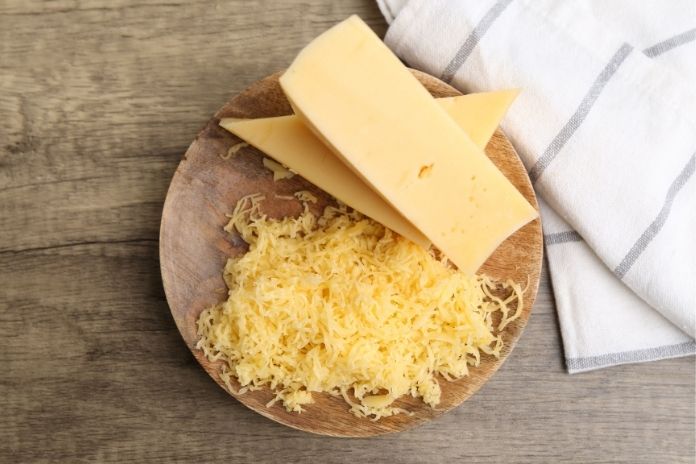
To reap the rewards of cheese without going overboard:
Think About Fat and Calories: The two main issues with cheese are that it contains a lot of calories in a small quantity and that a significant portion of its fat is the heart-harming saturated kind. For instance, a quarter-cup (approximately an ounce) of brie contains 120 calories and roughly 6 grams of saturated fat.
That is roughly one-third of the daily allowance of saturated fat that a person consuming 1,500 calories should have. Ricotta, feta, soft goat cheese, and fresh mozzarella are lower in calories and saturated fat.
Upgrade Your Pairings: Since most Americans don’t get enough fruits and veggies, pair cheese with them rather than crackers made with processed grains and sometimes additional sugars.
Eat Cheese Instead of Meat: Are you attempting to follow a vegetarian diet on some days? Add cheese to a grain bowl, soup, salad, or a vegetable-packed omelette. Cheese increases the amount of fat and protein in your meals, which helps you feel fuller for longer.
Try It for Dessert: Make a little cheese plate with Brie or another favorite cheese, almonds, and fresh or dried fruit instead of serving a piece of cake or pie after your dinner.
“Evidence increasingly shows that a mix of healthy lifestyle habits may do more to protect brain health than changing diet alone,” said Lycia Neumann, PhD, MPA, senior director of Health Services Research at the Alzheimer’s Association.
Read More: Is Burrata Cheese Healthy? Nutrition, Benefits, and How It Compares to Other Cheeses
Conclusion
Cheese is much more than just a decadent high-fat food. Its special composition, referred to as the “cheese matrix,” alters the way that calcium, protein, and fat are absorbed and digested, producing advantages that processed diets cannot match.
Cheese can promote heart health, stable blood sugar, gut flora, and even cognitive function by supplying beneficial substances through fermentation, decreasing fat absorption, and binding fatty acids with calcium.
References
- Creme Global. The story of cheese and dairy.
- Feeney, E. L., Lamichhane, P., & Sheehan, J. J. (14 March, 2021). The cheese matrix: Understanding the impact of cheese structure on aspects of cardiovascular health – A food science and a human nutrition perspective.
- Davies, E. (2024, May 4). The matrix effect: The surprising science of how cheese impacts your heart health
- Yogurt in Nutrition. (2025). Understanding the dairy‑fat matrix: How does whole‑fat dairy affect cardiometabolic health?
- Harvard T.H. Chan School of Public Health. Cheese.
- Matsuda, T. (2023, April 13). Cheese and your health: The impact of fermentation, type, and production method.
- Lombardi, L. (December 6, 2020). How to eat cheese in a healthy way.
In this Article