













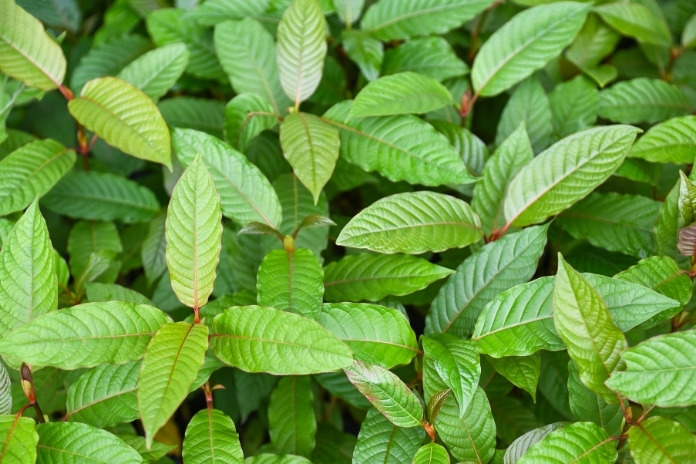
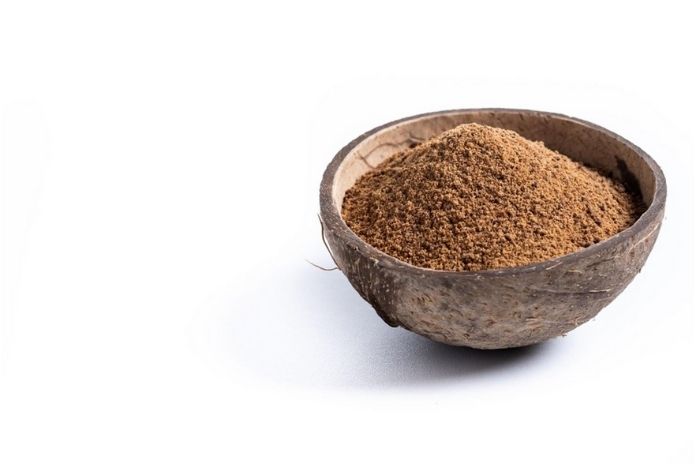
You’ve seen it by now – that earthy green powder everyone talks about in cafés, wellness pages, or herbal shops. It’s called kratom, and if you’ve spent any time online, you know it’s hyped as everything from a natural energy booster to a miracle pain reliever. Some even say it helps people get off strong opioids.
But there’s another, darker side to the story. While people sip kratom tea believing it’s a safe, natural herb, doctors and scientists are waving red flags.
The FDA, too, has been warning people for years that kratom isn’t as innocent as it looks.
So what’s the truth? Is kratom really addictive? Or people are just overreacting to a harmless leaf…?
Let’s get straight to the science and find out what’s actually happening behind the kratom craze.
What Exactly Is Kratom and How Does It Work?
Kratom, aka Mitragyna speciosa, is a tropical tree that grows in Southeast Asian countries – especially Thailand, Malaysia, and Indonesia. In the past, farmers chewed the leaves to gain stamina, which helped them during long working hours. Nothing fancy – just a local leaf to beat fatigue.
Traditionally, kratom was also consumed as a tea made from fresh leaves. In many Southeast Asian communities, the leaves were brewed gently, sometimes with acidic ingredients like lemon juice to help release certain alkaloids. This method extracts only a subset of compounds and avoids concentrating them to extreme levels, which is very different from how kratom is commonly prepared today.
The catch? Those humble leaves carry two powerful compounds: mitragynine and 7-hydroxymitragynine. And they’re not as gentle as they sound. These compounds bind to your brain’s mu-opioid receptors, the same ones morphine and codeine hit.
“Traditional kratom tea preparation selectively extracts certain alkaloids rather than pulling everything out at once. Modern alcohol- or solvent-based extracts used in Western products change the alkaloid profile, increase potency, and may introduce higher levels of 7-hydroxymitragynine,” notes Registered Clinical Herbalist and EFT coach, Britney Sounart RH (AHG), co-owner of Desert Sage Herbs in Chandler, AZ.
At a small dose, you feel alert and focused. A bit more, and boom – it flips into painkiller-slash-sedative mode.
That’s the tricky part. Your brain doesn’t really care that it came from a plant. Once those opioid receptors get tickled repeatedly, your system starts adjusting – that’s how kratom dependence begins.
“Compared to opioids or synthetic 7-hydroxymitragynine products, fresh kratom used in traditional contexts may carry a more favorable safety profile. But that doesn’t mean it’s risk-free. Kratom is psychoactive, and its effects vary widely depending on dose, preparation, and the individual,” explains Sounart.
So yes, kratom might be “natural,” but the brain chemistry it triggers is very real – and very similar to opioids.
Read More: 12 Ways To Overcome Addiction – It Is Time To Fight Back
The Science Behind Kratom Addiction
Let’s be clear – kratom addiction and dependence are not the same thing.
Dependence means your body starts expecting the substance to function normally. Kratom addiction means you’ve lost control over it – you keep using even when it’s messing up your life.
Now, some studies have confirmed something important: kratom can lead to both.
People who use it regularly start needing higher doses for the same buzz – kratom tolerance. Then, when they try to quit, things get messy: anxiety, body pain, sleepless nights, crazy mood swings.
Studies have shown receptor changes similar to those caused by opioids.
What’s interesting is that kratom addiction doesn’t always look dramatic. It’s not the typical “junkie stereotype.” It’s often the regular office worker, the student, the person with back pain who started using it “just for focus.” Until they can’t function without it.
So when someone says, “I’m not addicted, I just take it daily to feel normal,” – that is dependence talking.
Read More: Why Ultra-Processed Foods Are Being Called ‘The Cigarettes of the Future
What Kratom Withdrawal Actually Feels Like

The sneaky thing is how gradually it starts. You might start with one cup of kratom tea a day for focus. Then two. Then three. And suddenly, skipping it makes you cranky and low. That’s not “energy management” – that’s your brain saying, “Where’s my fix?”
When you try to stop kratom after long-term use, your body basically throws a tantrum. Here’s what usually hits:
- Muscle aches
- Anxiety and restlessness
- Sweating
- Runny nose
- Anxiety
- Irritability and depression
- Insomnia
- Fatigue and reduced appetite
Most people say that the first 2–3 days are the worst. A week later, it starts easing off. But the cravings? The mood drops? Those can hang around for a while.
Read More: Can You Be Addicted to Productivity? Understanding the Rise of ‘Toxic Achievement Culture
Kratom Safety Concerns and Side Effects
The problem with kratom isn’t just kratom addiction. It’s the wild west of quality control. There’s no standardization, no testing, no real regulation.
The FDA has issued multiple warnings about kratom being contaminated with heavy metals, bacteria, and even salmonella. Since there’s no approved manufacturing process, you never really know what you’re getting.
Let’s look at the kratom side effects:
Common ones – nausea, difficult stool, dizziness, drowsiness.
Serious ones – liver injury, seizures, even death (usually when mixed with other drugs or alcohol).
And no, these aren’t internet myths about kratom safety. There are published case studies linking kratom products with liver toxicity and multiple hospitalizations.
Basically, just because it comes in a leaf form doesn’t mean it’s automatically safe. Plenty of natural things – from tobacco to belladonna – can harm you, too.
Debunking the “Safe Natural Alternative” Myth
Here’s a truth bomb: natural doesn’t always mean safe. Poison ivy is natural. Arsenic too.
The “safe alternative” tag stuck to kratom because some people use it to taper off opioid use. And in some cases, it might genuinely reduce withdrawal severity.
But that doesn’t make kratom a clean replacement for opioids. It just swaps one dependency for another – a milder, slower-burning one.
Clinical studies on kratom as a treatment for opioid withdrawal are still limited. There’s no approved medical protocol for it. Most of what you hear comes from self-reported success stories – which are valuable, yes, but also risky when taken as medical advice.
So if you’re thinking about trying it to wean off opioids, do not DIY this. It has to be medically guided, not Reddit-guided.
Kratom vs Kava: Totally Different Game
People love lumping kratom and kava together because they sit side by side at herbal bars. But they don’t act alike at all.
Kava plays with GABA receptors, which calm the brain, like how mild anti-anxiety medicines work. Kratom? It hits opioid receptors. That’s a different, stickier system.
However, kava isn’t perfect either. It can hurt the liver if you take it in excess, especially along with alcohol.
“In my 26 years as a clinical herbalist, I’ve made it a point to never stock anything habit-forming, which is why you’ll never find kratom on my shelves. Instead, I’ve spent over two decades recommending kava root. It’s a wonderful, non-addictive way to help with anxiety, sleep, and sore muscles, and in all my years of running Desert Sage Herbs, I’ve never had a customer report a dangerous side effect,” says Sounart.
That said, kava isn’t perfect either. Kava has carried liver safety warnings for years, largely due to precautionary FDA labeling, though serious liver injury appears to be rare and context-dependent. The liver warning on kava products comes from precautionary labeling agreements, not from clear evidence of widespread toxicity. In traditional use and responsible dosing, serious liver issues have been extremely rare.
Kava can chill you out without getting you hooked. Kratom gives euphoria, but can pull you into dependency.
So if someone says, “Try kratom, it’s like kava but stronger,” that’s exactly why you should not try it. The “stronger” part is what makes it dangerous.
Who’s More Likely to Get Addicted?
Not everyone who tries kratom ends up addicted. But certain patterns in certain people make it more likely:
- Users with a history of kratom addiction, drug addiction, or substance abuse
- Those using kratom daily (or multiple times a day)
- Users taking it for emotional pain – anxiety, sadness, loneliness
- Users who keep increasing their dose to feel the same effect
- People who mix it with alcohol or prescription medicines
If you’re in any of these categories, the risk of developing dependence jumps up significantly.
Signs You Might Have a Kratom Problem
There’s no official “kratom test,” but these are red flags that should make you stop and think:
- You can’t stop even if you want to
- You feel kratom withdrawal symptoms when you skip it
- You use more than you planned
- You start neglecting your responsibilities
- You keep justifying its use despite the side effects
If that’s you, the smart move is to talk to a doctor or addiction specialist early. No shame in that. It’s not about willpower – it’s chemistry.
The Real Issue: Confusion Between Culture and Commerce
In Southeast Asia, kratom has cultural roots. It’s used traditionally, in specific doses, often in social or medicinal contexts. But when it was exported to the Western wellness market, it lost that structure and became a product – something to sell, not something to respect.
The marketing twisted it into “nature’s legal high” or “herbal pain relief.” That’s where the problem began. Without regulation, you get kratom that’s stronger, mixed, or mislabeled – turning a traditional leaf into a modern hazard.
So the real issue isn’t the plant itself – it’s how we use it and sell it.
So… Is Kratom Addictive?
Short answer is YES!
Longer answer is: it works like an opioid, acts like an opioid, and can create dependence like one. Some people can use it occasionally without issues. Others fall into a cycle of daily dependence before they even realize it.
The science is still developing, but what we already know is enough to say – this is not a harmless herb.
If You’re Trying to Quit Kratom
Quitting cold turkey can be rough. If you’re already hooked, a low taper, under medical supervision, works better. Doctors can prescribe meds to ease kratom withdrawal symptoms and prevent relapse.
It’s not easy, but it’s 100% possible – and worth it. Because being free from something that controls you, even a “natural” option, always feels better.
Key Takeaway
Kratom looks like just any other green powder, but inside, it’s a brain-altering chemical. Not a monster, not a miracle. As with many things, context, control, and honesty determine the outcome.
If you’re curious about kratom, do your research, talk to a doctor, and don’t fall for “natural = safe.”
Because at the end of the day, your brain doesn’t care about marketing – it only reacts to chemistry.

References
- https://www.dea.gov/sites/default/files/2020-06/Kratom-2020_0.pdf
- https://pmc.ncbi.nlm.nih.gov/articles/PMC10934259/
- https://pubmed.ncbi.nlm.nih.gov/24698080/
- https://pubmed.ncbi.nlm.nih.gov/32682371/
- https://www.sciencedirect.com/science/article/abs/pii/S0376871624002503
- https://www.sciencedirect.com/science/article/pii/S0753332224000155
- https://pure.johnshopkins.edu/en/publications/assessment-of-kratom-use-disorder-and-withdrawal-among-an-online-
- https://www.fda.gov/news-events/public-health-focus/fda-and-kratom
- https://www.mdpi.com/2072-6643/15/21/4586
In this Article