












Abdominal discomfort can be challenging to identify because so many different health concerns can cause it. If you have abdominal pain and your doctor feels there’s something wrong with the gallbladder or bile ducts, they might recommend a hepatobiliary iminodiacetic acid (HIDA) scan.
Unlike ultrasounds or CT scans, which mainly highlight structure, a HIDA scan focuses on function, especially how well the gallbladder, liver, and bile ducts are working together.
In this article, we will describe what a HIDA scan is, why it is recommended, what happens during the procedure, how to prepare, what the results indicate, and when the findings may influence additional treatment decisions.
Read More: Body Composition Screening: What It Is, Why It Matters & How to Use the Insights
What Is a HIDA Scan?
When unexplained upper abdominal pain or digestive upset persists, doctors may want to use a HIDA scan to get more specific information. Hepatobiliary iminodiacetic acid scans, called “HIDA scans,” produce images of the liver, gallbladder, bile ducts, and small intestine that help identify problems with the biliary system.
This test requires a radioactive tracer injected into your bloodstream, which is then filtered through the liver and into the gallbladder and bile ducts.
The test commonly reveals how well the organs are functioning and helps identify conditions such as gallbladder disease, bile duct obstruction, and liver dysfunction.
“It’s a simple, safe procedure that uses a small amount of radioactive material,” said Gamal Sidarous, MD, a nuclear medicine specialist with Banner – University Medicine.
Why Doctors Order a HIDA Scan
Doctors often use HIDA scans to diagnose and evaluate:
Gallbladder Disease: HIDA scans can help determine whether the gallbladder is functioning well and assess problems such as gallstones or cholecystitis.
Obstruction of the Bile Duct: HIDA scans can help detect bile duct obstruction, which can cause jaundice (yellowing of the skin).
Biliary Atresia: To check for this rare disorder that affects newborns, in which the bile ducts are obstructed or absent.
Liver Function: To determine how well the liver is generating and releasing bile.
Post-Surgery Evaluation: To assess for problems after gallbladder or bile duct surgery.
What Does a HIDA Scan Diagnose?
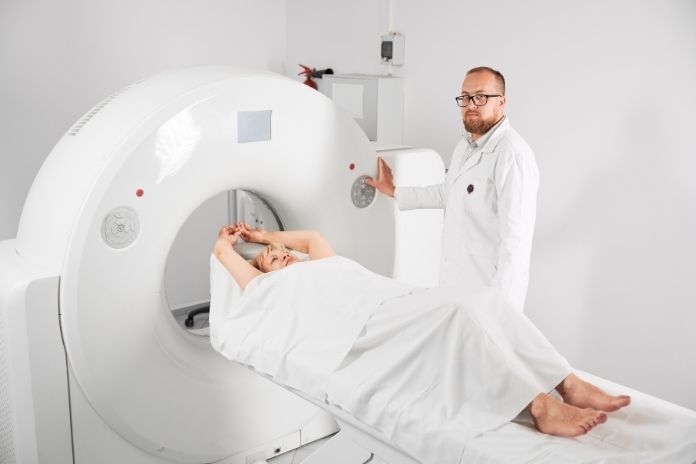
Healthcare providers utilize an HIDA scan to help diagnose and evaluate the following conditions:
Acute Cholecystitis (Gallbladder Inflammation): This ailment comes on abruptly, causing intense discomfort in your right upper abdomen, and is often accompanied by other symptoms like fever. About 90% of persons with acute cholecystitis have gallstones that induce biliary duct obstruction.
Chronic Cholecystitis: This illness causes recurrent episodes of gallbladder discomfort and inflammation. There are frequently several periods of discomfort, and the pain is usually less acute. Gallstones that periodically clog the cystic duct are typically the source of the recurrent attacks.
Sphincter of Oddi Dysfunction: In this disorder, the sphincter (a muscle that opens and closes) regulates the flow of the bile and pancreatic juice (enzymes), doesn’t open when it should, creating a backup of digestive juices. This sphincter is termed the sphincter of Oddi. This illness can cause considerable pain.
Biliary Leak: This issue develops when bile spills out of any of the ducts that deliver bile to your small intestine. The surrounding area becomes excruciatingly irritated and may become infected when bile backs up into your bile ducts. It frequently happens after gallbladder surgery, after trauma (injury), or after liver transplantation.
How a HIDA Scan Works
A HIDA scan (hepatobiliary iminodiacetic acid scan) employs small doses of radioactive substances called radiopharmaceuticals or radiotracers that a healthcare provider typically injects into your circulation.
The radiotracer then passes through your liver, into your gallbladder, and into your small intestine. The radiotracer emits gamma rays. Special cameras that detect this energy and, with the help of a computer, create comprehensive photos that illustrate how your organs and tissues function.
Read More: The 5-Hour Full Body Health Assessment: What It Includes and Why It Matters
What Happens During a HIDA Scan (Step-by-Step)

Depending on the area of your biliary system your doctor is assessing, a HIDA scan technique may involve somewhat different phases.
In general, you can expect the following during an HIDA scan:
- You’ll remove any clothing concealing your tummy, and you’ll have a hospital gown to wear.
- On an examination table, you will lie on your back.
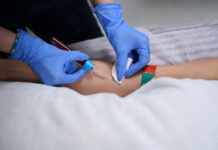
- To inject the radiotracer, a nurse or technologist will likely place an intravenous (IV) catheter into a vein in your hand or arm.
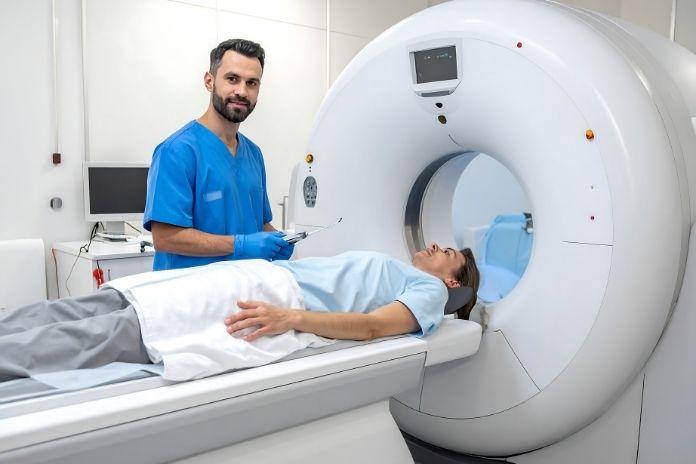
- The technologist will place the scanning camera over your tummy.
- When imaging begins, the scanning camera will take a sequence of images. The camera will rotate around you or stay in one spot. While the camera is taking pictures, it’s important to remain still. It helps ensure the highest photo quality.
- You may need to change positions between photos. Your technologist will let you know.
- After the technologist takes the initial series of photos, they may give you a drug that causes your gallbladder to drain. It may cause cramps in your upper belly. As your gallbladder empties, they’ll take some extra images.
A HIDA scan typically takes 1 to 4 hours. You should return for additional imaging within 24 hours of the initial scan.
What Is a HIDA Scan With CCK?
A radioactive tracer and a hormone analog that causes gallbladder contraction are used in a nuclear medicine test called a HIDA scan with CCK (cholescintigraphy with CCK stimulation) to assess gallbladder function and biliary system anatomy.
What it is, in detail:
- Injection of a radiotracer, typically an iminodiacetic acid molecule tagged with technetium-99m, which the liver absorbs and excretes into bile. A gamma camera monitors tracer flow through the liver, bile ducts, gallbladder, and small intestine.
- Static and dynamic images are collected over ~45-60 minutes to confirm the tracer reaches the gallbladder.
- Once the gallbladder has filled, the technologist administers an intravenous dose of cholecystokinin (CCK) or its synthetic equivalent, sincalide, to induce gallbladder contraction.
- Continuous imaging continues throughout and after CCK to measure gallbladder emptying (ejection fraction).
Gallbladder ejection fraction (EF) measures the percentage of tracer ejected from the gallbladder after CCK. Normal thresholds vary by lab; usually,≥35–40% are deemed normal. It detects acute cholecystitis when the gallbladder fails to fill or blocks the flow of the tracer.
A HIDA scan with CCK helps diagnose chronic gallbladder dysfunction or biliary dyskinesia when the anatomy is fine, but the EF is low, and the symptoms coincide. It also assesses cystic duct occlusion, bile leak, or postoperative biliary architecture in certain situations.
Read More: Best Continuous Glucose Monitor (CGM) in 2026: What to Look For and Top Picks
Understanding HIDA Scan Results
Evaluating the results of a HIDA scan involves assessing how the radioactive tracer flows through the biliary system and whether there are any blockages. If the tracer moves smoothly from the liver to the gallbladder into the small intestine, then your results are most likely average.
However, if the tracer doesn’t penetrate the gallbladder, it may indicate acute cholecystitis, frequently caused by gallstones. The delayed flow of the tracer can signal probable obstructions in the bile ducts or liver disease. The gallbladder ejection fraction is also assessed, which can identify chronic cholecystitis or other gallbladder dysfunctions.
Some probable unusual findings may include:
- The radioactive tracer doesn’t penetrate the gallbladder, indicating acute cholecystitis.
- Slow movement of the tracer, suggesting obstructions in the bile ducts or liver disease.
- Illustration of tracer in the non-biliary tissues, suggestive of trouble like bile spilling out.
An abnormal result may indicate the need for additional testing or treatment to ensure proper function of the biliary system. What happens next depends on the exact results and on your health.
Can a HIDA Scan Be Normal Even If You Have Symptoms?
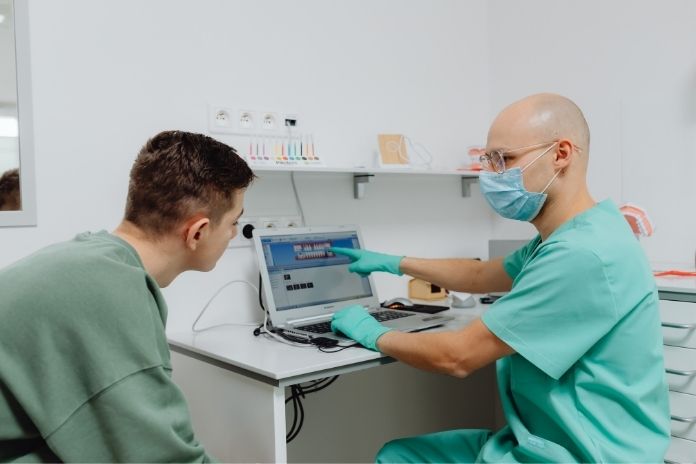
If CCK therapy restored your gallbladder problem, then the gallbladder removal will be effective in around 90% of cases. If CCK did not replicate your symptoms, then we need to seek alternative sources of discomfort, such as ulcers, Crohn’s disease, ulcerative colitis, irritable bowel syndrome, or other unusual conditions.
In other circumstances, doctors cannot identify a cause for the symptoms, yet gallbladder removal has helped these individuals.
Is a HIDA Scan Safe?
There are very few dangers associated with a HIDA scan. They include:
- Allergic reaction to drugs containing radioactive tracers used for the scan.
- Bruising at the injection site.
- Modest radiation exposure.
Inform your medical staff if you are nursing or if you think you might be pregnant. Nuclear medicine studies or scans, such as the HIDA scan, are usually avoided in pregnant women because of the potential danger to the developing fetus.
Who Should Be Cautious or Inform Their Doctor Before a HIDA Scan
There may be preparations required before your scan, some of which you may need to discuss with your physician. Please consider the following factors:
Nursing or Pregnant: To protect the fetus and prevent radioactive material from contaminating breast milk, physicians often prefer to postpone HIDA scans if possible.
Review the Drugs and Supplements: Certain vitamins, supplements, and drugs may affect the accuracy of the scan. Let your doctor know ahead of time so you have time to stop taking them if necessary.
Pretreatment for Babies: If your baby is having the scan, your baby’s pediatrician may give specific preparation instructions or treatments that you must complete beforehand.
Inform Your Provider About Claustrophobia: Even though the gamma camera used for the scan is not enclosed, the proximity of the equipment may cause claustrophobia in some people. If this is a problem for you, talk to your doctor about how to handle it beforehand.
Read More: High Cholesterol but Healthy: When Statins Might Not Be Enough
Conclusion
When doctors think that you have a problem with your gallbladder or bile duct but aren’t quite sure, a HIDA scan is a great test to confirm it. This scan shows how bile travels from the liver through the gallbladder and to the small intestine.
Because the imaging happens in “real time,” the scan shows how well everything functions, rather than relying solely on old-fashioned imaging methods like ultrasound or CT. That’s the key to diagnosing gallbladder inflammation, bile duct obstruction and dysfunction, and gallbladder malfunctions without surgery.
References
- Capitol Imaging Services. HIDA scan.
- PromiseCare. Hepatobiliary iminodiacetic acid (HIDA) scan.
- Revere Health. HIDA scan.
- Thurrott, S. (2023, July 23). What a HIDA scan can tell you about your gallbladder health.
- Cleveland Clinic. (2022, May 10). HIDA scan: What it is, purpose, procedure & results
- Mayo Clinic Staff. (2025, June 17). HIDA scan.
- Arlington Gastroenterology Services. HIDA scan.
- Hoag Memorial Hospital Presbyterian. Hepatobiliary (HIDA) scan.
- Cigna. (March 26, 2025). HIDA scan (hepatobiliary scan).
- PocketHealth. Everything you should know about getting a HIDA scan.
In this Article