










Recognizing the distinct function of body composition in health evaluation is the first step towards comprehending its significance. Weight loss or gain is the primary focus of most diet and fitness objectives, but this strategy overlooks body composition —an important consideration.
A person’s body composition, which includes the proportions of fat, muscle, water, and other factors, can cause two people of the same weight and sex to appear and feel quite different.
A test of body composition calculates the proportions of muscle, bone, and fat in the body. It can give you a quick overview of your general health, guide health improvement plans, and track your progress toward exercise and health objectives.
As an alternative to the body mass index (BMI), body composition scans are increasingly available and offered by many gyms and fitness studios.
This article will discuss body composition screening findings, procedures, advantages, when to get tested, and how to apply the results to enhance overall well-being.
Read More: Unlocking Wellness: 7 Essential Health Screenings Every Woman Should Prioritize
What Is Body Composition Screening?
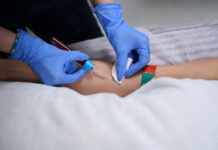
Body composition exams come in various forms. Each one calculates the body’s proportions of fat and fat-free mass, which includes bone and muscle. Understanding these percentages can help identify health risks, such as low bone density (a condition in which bones have less mineral content than they should, increasing the risk of osteoporosis and fractures) and excess visceral fat.
Additionally, you can use it to measure nutrition and activity improvements that the scale might overlook, including muscle growth.
Usually, a scanner performs a brief, noninvasive body scan for these examinations.
Compared to a BMI score, a body composition scan provides a more accurate representation of overall health. BMI calculates body fat based only on height and weight, whereas a body composition test determines your body fat percentage and its distribution relative to muscle and bone mass.
For instance, using BMI alone to determine body fat could incorrectly label individuals with muscle mass as overweight or obese. “Their BMI may be in the obese range, but they don’t have a lot of visceral fat, and, therefore, are likely at a lower risk of developing diseases that we associate with higher fat proportions,” says Angela Cavanna, DO, clinical associate professor of medicine at the Touro College of Osteopathic Medicine in Middletown, New York.
Why Body Composition Screening Is Important?

We often exercise to improve our overall well-being, increase strength, lose weight, or recover from injuries. However, assessing visual development can also be challenging, particularly when the changes are minor. A body composition test is quite helpful in this situation.
It provides you with accurate health statistics and insights, allowing you to see the actual results of your efforts. It can be tremendously motivating to know that your body fat percentage has decreased or that your muscle mass has increased, which will help you stay committed to your fitness goals.
The method of measuring the body to determine the proportion of body mass composed of fat versus muscle is called body composition analysis. Additionally, it can show the distribution of muscle and fat in the body. Because it shows how fit or thin you are relative to others, you want to know how much muscle you have. Body dimensions and structure will affect the results.
The aim is to reduce the amount of excess body fat you carry. A certain amount of fat is necessary for daily tasks, including regulating body temperature.
Standard Methods for Body Composition Screening
Body composition testing comes in several forms. They cost different amounts and operate in different ways. You can obtain these body composition tests from some providers without a prescription, while others require a doctor’s consent.
1. DEXA/DXA (Dual Energy X-Ray Absorptiometry) Scan:
The terms “DEXA scan” and “DXA scan” refer to a body composition test commonly used to assess bone density and diagnose osteoporosis. Several manufacturers produce the machines used to conduct the test. To calculate your visceral fat and muscle-to-fat ratio, it also evaluates your body fat and muscle.
Compared to other techniques such as bioelectrical impedance, this test is considered more accurate. It measures body composition directly using low-dose X-rays, whereas techniques like bioelectrical impedance can be affected by diet and water intake.
A scanner will move a high- and low-energy X-ray beam over your body while you lie down and remain still during the test. It takes roughly fifteen minutes to finish.
A DEXA scan can help you manage weight and screen for bone diseases such as osteopenia and osteoporosis, says Russell F. Camhi, DO, a primary care sports medicine physician with the Northwell Health Orthopedic Institute in Great Neck, New York.
2. Bod Pod:
This human-sized, egg-shaped gadget measures your lean body mass and body fat by measuring air displacement. It’s considered the gold standard of body composition measurement.
As of now, the Bod Pod is the only device that utilizes air-displacement plethysmography, which measures body composition by determining the amount of air displaced.
Sitting within the device while wearing form-fitting clothes and a swim hat, the process usually takes fifteen minutes. By monitoring air pressure while you’re in the chamber, the Bod Pod measures your body’s mass and volume and computes your body’s density and composition.
3. Bioelectrical Impedance Assessment (BIA)/InBody Scan:
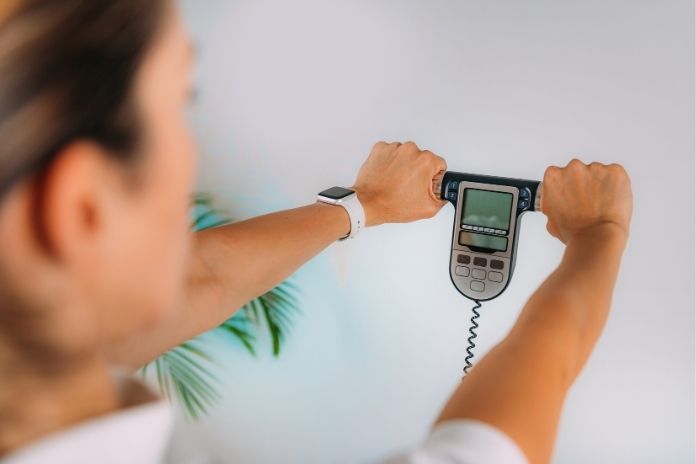
BIA technology measures body water content, muscle mass, and fat using an electrical current. At varying speeds, the current flows through bodily fluids, fat, muscle, and bone. Your body composition is determined using the information gathered by the BIA instrument.
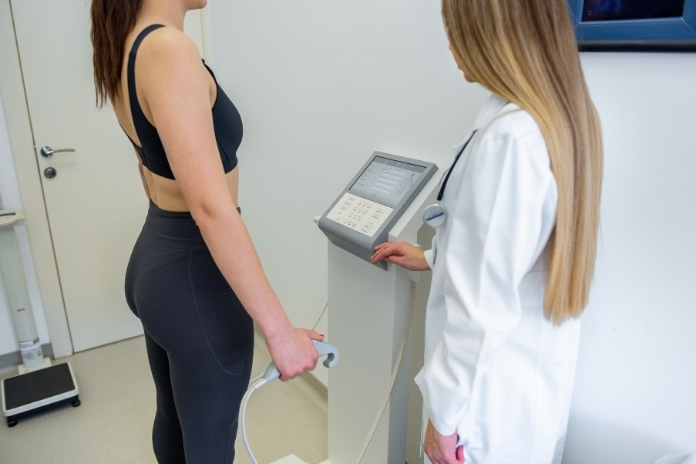
The brand name of a well-known BIA equipment is InBody. To operate it, grasp the two device arms while standing on a scanner that has sensor electrodes touching different body areas. After that, for around 30 seconds, a noninvasive, painless electrical current passes through your body. You can view your results on a touch-screen display immediately.
Read More: 5 Essential Tests Every Man Should Consider for a Healthier Future
When Should You Consider a Body Composition Screening?
Body composition assessments can help endurance athletes, particularly those with low bone density or a history of recurrent injuries. Body fat testing or body composition analysis can determine if the level of body fat is too low to provide proper functioning. Providing information on muscle mass and body composition helps formulate customized training programs and methods to prevent injury.
Favorable Situations for Having Body Composition Test Performed:
- By understanding the health status of muscles and bones, you can effectively recover from injury and tailor your treatment.
- Recommendations from certified sports physiologists and sports nutritionists guide the use of test results.
- Body fat levels are maintained in a low, healthy range to prevent problems such as inadequate Energy availability, amenorrhea, hormonal imbalance, etc., particularly for athletes participating in lean activities such as swimming, running, or gymnastics.
How to Act on Screening Results — Making the Data Work for You
Knowing your body composition is just the beginning; what matters is how you use this information.
- For example, a high body fat content may indicate that you need to increase your overall activity level or improve the quality of your diet. A low amount of lean muscle mass may suggest that you need to work on strength training and increase the quality of your protein in food for muscle gain and metabolism.
- Use your results to help you adjust your diet and exercise program. If you need to gain muscle, focus on strength training and ensure you include enough protein-rich foods in your diet. If fat mass loss is your goal, try exercising (water aerobics, walking, etc.) and including strength training exercises combined with moderate calorie restriction.
- Instead of worrying about your body weight, set realistic, attainable goals that focus on changes in composition that you can achieve. For example, decrease your healthy fat percentage over time, or gradually increase lean body mass by 2-3%. Finally, schedule regular screenings every 2 to 3 months to monitor progress and adjust your program as needed.
Read More: The 5-Hour Full Body Health Assessment: What It Includes and Why It Matters
Limitations and What to Be Aware Of
Although body composition screening provides insightful information, it’s critical to recognize its limitations. There is no one technique that is 100% accurate. Exercise, recent meals, hydration levels, and even the specific brand or device used can all affect the results.
“The biggest limitation of body composition scales generally is that a person’s hydration status can affect accuracy,” says Melynda Dennis, a physician assistant specializing in weight management at Houston Methodist.
If you’re dehydrated, your body fat will likely be overestimated. If you’re overhydrated, your body fat will be underestimated.
“Additionally, other types of water weight, like swelling in the lower legs, can throw off readings,” Dennis adds.
The sensitivity of the specific scale you’re using also affects accuracy. It is more of an issue for at-home scales, Dennis points out.
The more points the scale contacts your body, the more accurate the bioelectric impedance analysis.
Conclusion
An examination of your body composition offers a far more accurate view of your health than either your weight or BMI. Instead of a reference number on the scale, it illustrates the ratios of fat, muscle, bone, and water, providing a clearer picture of your actual physical condition.
It is an effective tool for longevity, fitness, and health, but how you gather the information reveals its importance. The data you collect should not be merely for watching, but should guide your recovery techniques, training programs, and dietary habits.
Read More: The Importance of Regular Check-ups: Men’s Health Screening Guide
References
- https://health.ucdavis.edu/sports-medicine/resources/dxa-info
- https://craftbodyscan.com/body-composition-analysis/
- https://www.everydayhealth.com/general-health/body-composition-screening/
- https://inbodyusa.com/general/what-is-body-composition/
- https://phes.appstate.edu/laboratories/chfa/body-composition-testing
- https://www.woosterhospital.org/how-does-body-composition-test-work/
- https://tourocom.touro.edu/do/faculty/cavanna-angela.php
- https://clinics.hsu.ac.uk/body-composition-test-bournemouth/
- https://www.northwell.edu/find-care/find-a-doctor/dr-russell-frederick-camhi-do-1649245911
- https://health.ucdavis.edu/sports-medicine/health-and-wellness/body-composition
- https://www.pwcva.gov/news/inbody-scanning-what-you-need-know/
- https://www.amystephensnutrition.com/body-composition-testing-when-is-it-helpful-and-when-is-it-harmful/
- https://www.osfhealthcare.org/hospitals/saint-francis/programs-services/weight-management/body-composition-analysis
- https://weightowellnessllc.com/articles/5-essential-tips-for-body-composition-testing/
- https://health.usnews.com/physician-assistants/melynda-dennis-1920127
- https://www.livekalos.com/post/how-often-should-you-measure-body-composition-for-maximum-progress
In this Article