












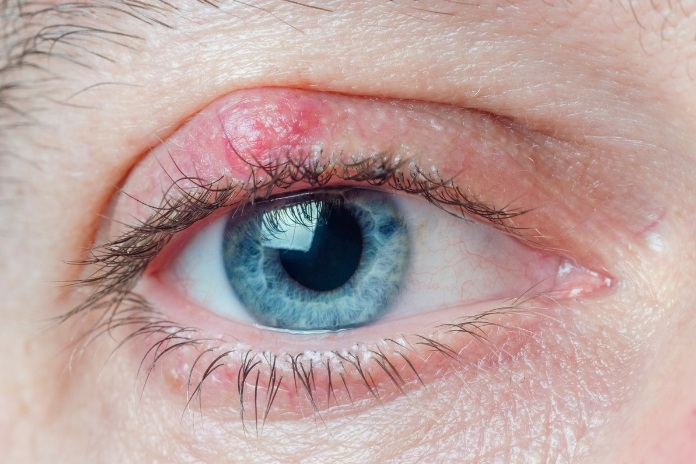
You notice a small, painless lump on your eyelid. At first, you shrug it off as a stye and expect it to disappear on its own. Days go by. A week passes. Then two. The bump hasn’t budged. It’s firm, persistent, and completely unresponsive to your usual home remedies. That’s when worry creeps in. How long does a chalazion last? Is this normal? Should you be doing more?
Here’s the thing: chalazions don’t follow a fixed timeline. Some resolve in a matter of days with gentle care. Others linger for weeks or even months, stubbornly refusing to go away. The variation is not a sign that you’re doing anything wrong; it’s simply how this condition behaves.
In this guide, we’ll break down the recovery process from chalazion step by step. You’ll learn why healing times differ so much, what stages to expect, which home care methods actually help, and when it’s time to consider medical intervention.
By the end, you’ll understand what’s normal, what isn’t, and how to navigate a chalazion without unnecessary stress.
What Is a Chalazion (And Why Healing Takes Time)?
A chalazion is a small, usually painless bump on the eyelid caused by a blocked meibomian gland. These glands produce the oils that help keep your eyes lubricated and protected.
When a gland becomes clogged, oil accumulates, and the body mounts a mild inflammatory response, forming the firm lump you feel.
Here’s why this matters:
- It’s not an infection: Unlike a stye, a chalazion is generally sterile. The bump forms from oil buildup and inflammation, not bacteria.
- Antibiotics usually won’t help: Since infection isn’t the main driver, antibiotic drops or ointments rarely speed up healing unless there’s a secondary infection.
- Healing depends on drainage: The lump resolves only as the trapped oil gradually liquefies or is naturally reabsorbed by the body.
According to clinical guidance on chalazions from trusted medical sources, these eyelid bumps often resolve on their own over weeks to months with consistent warm compresses and good eyelid hygiene, though larger or persistent cases may take longer or need medical treatment.
This slow resolution is why patience is essential. Aggressive treatments, like squeezing or poking the lump, can worsen inflammation or lead to complications. Understanding the underlying cause helps set realistic expectations: a chalazion will disappear when the gland clears, and consistent, gentle care is far more effective than trying to rush the process.
Typical Chalazion Healing Time: What Most People Experience
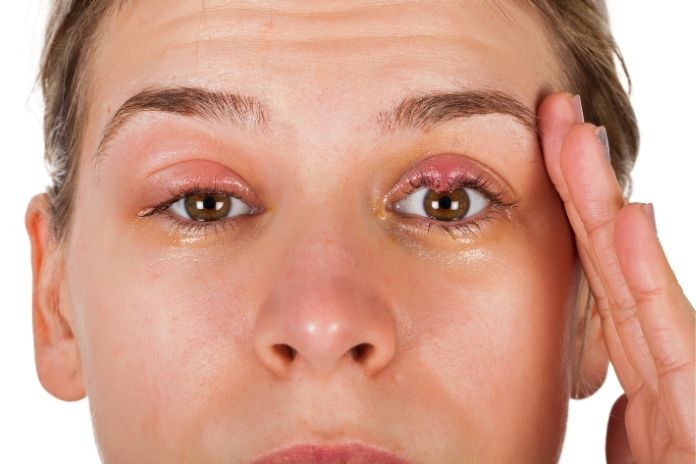
If you’ve discovered a chalazion, one of the first questions is naturally, how long will it take to disappear? The answer isn’t one-size-fits-all. Healing depends on the size of the lump, how deeply it’s lodged in the eyelid, and the overall health of your meibomian glands.
While every case differs, patterns in clinical practice help give a general idea of what to expect.
Average Healing Timeline
- Small chalazion: 1–2 weeks
- Medium chalazion: 2–6 weeks
- Large or deep chalazion: 1–3 months
- Chronic or recurrent chalazion: 3 months or longer
This range explains why searches for “how long does a chalazion take to go away” produce widely varying answers. All of them can be correct; it all comes down to size, depth, and gland function.
Why Some Chalazia Heal Faster
Some chalazia resolve relatively quickly, often surprising patients with how fast a small lump can disappear. Factors that speed up recovery include:
- Starting warm compresses early and consistently.
- Mild blockage in the gland.
- Oil that is thinner and less waxy.
- No underlying eyelid inflammation or irritation.
Ophthalmologists frequently note that small chalazia sometimes resolve even before patients can schedule an appointment.
Why Some Chalazia Take Longer
It’s equally common for chalazia to linger. Certain conditions or habits can slow healing significantly:
- Chronic eyelid inflammation, such as blepharitis or rosacea.
- Thickened or waxy meibomian gland oil.
- A stye that develops into a chalazion.
- Inconsistent use of warm compresses.
- Frequent eye rubbing or makeup use near the eyelid.
Research published in BMC Ophthalmology shows that chalazion itself causes localized changes in the meibomian glands, including gland loss and altered function in the affected area, suggesting that underlying meibomian gland dysfunction plays a role in prolonging chalazion duration and recovery.
Bottom Line: Healing times vary, and it’s normal for a chalazion to last anywhere from a couple of weeks to several months. Understanding the underlying factors and following proper care routines can help your eye heal as efficiently as possible, while minimizing discomfort and reducing the risk of recurrence.
Chalazion Healing Stages: What’s Happening Week by Week
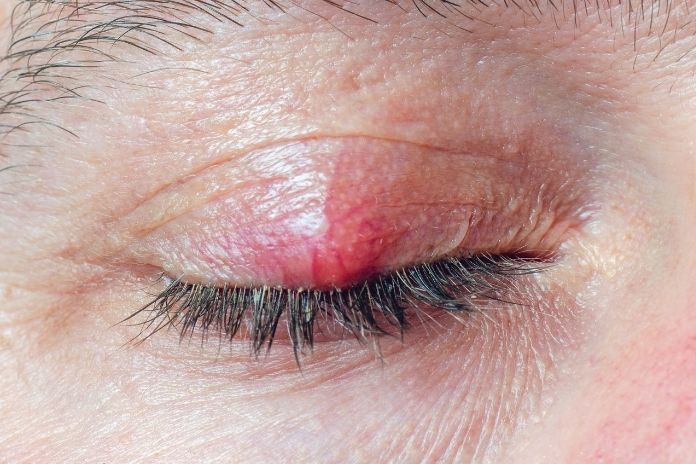
Understanding the stages of chalazion healing can help you know what’s normal and prevent unnecessary worry. While each case varies, most chalazions follow a predictable progression, from initial swelling to gradual softening and eventual resolution.
Knowing what happens week by week lets you track recovery and apply the right care at the right time.
Stage 1: Gland Blockage and Early Swelling (Days 1–4)
This is the very beginning, when a meibomian gland becomes blocked and inflammation starts.
What you notice:
- Small, painless eyelid lump
- Mild swelling or heaviness in the eyelid
- Minimal redness
Many people mistake this early stage for a stye, but chalazia are generally painless. The key here is recognizing that a minor lump at this stage is often normal and does not require antibiotics unless an infection develops.
Stage 2: Peak Swelling and Firmness (Days 4–7)
The trapped oil thickens, and the eyelid may feel firmer.
What changes:
- The lump becomes noticeably firmer.
- Slight increase in swelling.
- The eyelid may feel heavier.
- Vision might feel blurry if pressure rises.
This stage can understandably cause concern, but firmness and mild discomfort are normal. The chalazion is still following its typical inflammatory pattern.
Stage 3: Softening and Internal Drainage (Weeks 2–4)
Now the chalazion begins the healing process, though progress is gradual.
What happens:
- Warm compresses help soften hardened oil inside the gland.
- The lump slowly shrinks.
- Redness fades.
- Mild discomfort decreases.
According to the Cleveland Clinic, applying warm compresses to a chalazion for about 10–15 minutes several times a day helps soften the blocked oil gland and encourages it to open and drain, supporting the natural healing process with consistent care.
Stage 4: Residual Hard Lump (Weeks 4–8)
Many patients feel anxious at this point, thinking the chalazion is stuck.
What you feel:
- Small, painless, and pea-sized bump.
- No redness or tenderness.
- Very slow, gradual reduction.
This stage represents residual material being cleared by the body. Even though the lump may feel firm, it is typically harmless and often resolves naturally without intervention.
Stage 5: Complete Resolution (6–12 Weeks)
Final healing occurs slowly but steadily.
What to expect:
- The lump flattens completely.
- Eyelid texture returns to normal.
- Vision and eyelid function are unaffected.
In some cases, a tiny residual bump may persist but cause no problems. Ophthalmologists usually consider this harmless. If the chalazion continues beyond 12 weeks or becomes painful, medical evaluation may be warranted to rule out infection or other eyelid conditions.
Bottom Line: Chalazion healing is a slow, stepwise process. Understanding these stages helps you set realistic expectations and reduces unnecessary worry. Most chalazia resolve naturally with consistent warm compresses and gentle care, even if it takes several weeks. Patience and proper eyelid hygiene are key to a smooth recovery.
Signs a Chalazion Is Healing vs. Not Healing
Monitoring your chalazion closely can help you distinguish normal healing from potential complications. Here’s what to look for:
Signs of a Chalazion Is Healing
These are reassuring indicators that the lump is on its way to resolving:
- Gradual size reduction: The lump slowly becomes smaller over days and weeks.
- Fading redness: Any initial redness or irritation diminishes.
- Minimal or no pain: A healing chalazion should not be tender or uncomfortable.
- Softer eyelid tissue: The previously firm lump begins to soften.
- Reduced pressure or heaviness: The eyelid feels lighter and less swollen.
Healing can be slow and uneven, so focus on improvement week by week rather than expecting day-to-day changes.
Red Flags That Suggest It’s Not Healing
Seek medical attention if you notice any of the following:
- Increasing size: The lump continues to grow instead of shrinking.
- Rising pain or tenderness: Could indicate infection or inflammation.
- Vision changes: Blurriness or distortion may suggest pressure on the eye.
- No improvement after 4–6 weeks: Lack of progress signals that home care may not be enough.
- Persistent hard lump beyond 2–3 months: May require medical intervention such as steroid injection or minor surgery.
An ophthalmologist should evaluate a persistent or worsening chalazion to rule out infection, other eyelid conditions, or complications.
How to Speed Up Chalazion Healing (Evidence-Based Tips)

While chalazions often resolve on their own, consistent care can speed up healing and reduce recurrence. Here’s what the research and ophthalmology experts recommend:
1. Warm Compresses: The Most Important Step
Applying heat is the foundation of chalazion treatment. Warm compresses help soften the hardened oil blocking the gland, allowing natural drainage.
How to do it correctly:
- Use a warm, not hot, compress to avoid burns.
- Apply to the affected eyelid for 10–15 minutes at a time.
- Repeat 3–4 times daily.
According to ophthalmologists, warm compresses help loosen and soften the hardened oil blocking a chalazion so the gland can open and drain on its own, which is why consistent application of moist heat for 10–15 minutes several times a day is often recommended as a first‑line home treatment.
2. Gentle Eyelid Massage
Massage helps move the softened gland contents toward the eyelid margin, promoting drainage and preventing re-blockage.
Tips for safe massage:
- Always follow with a warm compress.
- Use clean fingers.
- Apply gentle pressure, rolling the lump toward the lash line.
- Avoid pressing too hard, which can worsen inflammation.
3. Eyelid Hygiene
Keeping the eyelids clean reduces inflammation and helps prevent future blockages, especially in people with blepharitis or oily eyelids.
Methods include:
- Cleaning the eyelid margin with diluted baby shampoo.
- Using commercial lid wipes.
- Gently wiping along the lash line once or twice daily.
4. Things to Avoid While Healing
Certain habits can delay recovery or worsen the chalazion:
- Squeezing or popping the lump.
- Wearing eye makeup until it resolves.
- Using contact lenses if significant swelling is present.
- Rubbing the eyes increases irritation and inflammation.
5. Lifestyle Measures for Long-Term Prevention
For people prone to recurrent chalazia, these practices help reduce the likelihood of future eyelid lumps:
- Manage underlying conditions like rosacea.
- Include omega-3 fatty acids in your diet to improve meibomian gland function.
- Reduce screen-induced dryness by taking breaks and using lubricating drops if needed.
- Maintain daily lid hygiene even when no chalazion is present.
While lifestyle changes don’t resolve an active chalazion overnight, they support long-term eye health and reduce recurrence risk.
Read More: Combat Digital Eye Strain: 7 Blue Light Blocking Glasses for Screen Time Relief
Why Some Chalazia Don’t Go Away (Persistent or Recurrent Cases)
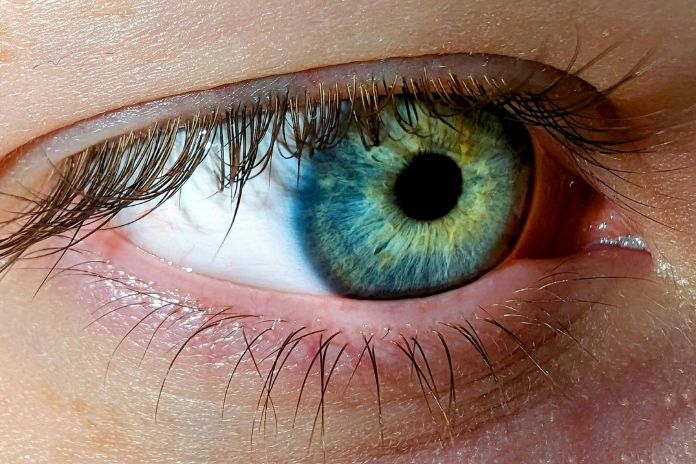
Persistent or recurrent chalazia can be frustrating, but it’s important to understand that lingering lumps are often due to factors beyond your control. A chalazion that refuses to resolve doesn’t mean you’ve done anything wrong; it’s usually how your eyelid anatomy or gland function behaves.
Common reasons chalazia persist include:
- Thick, waxy gland secretions: Some people naturally have more viscous oil in their meibomian glands, which is harder for the body to clear.
- Incomplete drainage: Even with warm compresses and massage, the blocked gland may not fully empty, leaving residual material that prolongs healing.
- Chronic eyelid inflammation: Conditions like blepharitis or rosacea can inflame the eyelid margin, making it easier for blockages to recur and harder for them to resolve.
- Poor tear film quality: Insufficient or unstable tears can impair eyelid gland function, slowing the natural clearing of a chalazion.
- Genetic predisposition: Some individuals are simply more prone to meibomian gland dysfunction, meaning chalazia may recur despite careful home care.
Understanding these factors helps set realistic expectations and reduces unnecessary frustration. Even stubborn chalazia often resolve eventually with consistent care or simple medical treatment.
When to See a Doctor
Most chalazia resolve with home care, but professional evaluation is important if the lump does not improve or causes complications. You should consider seeing an ophthalmologist if:
- The chalazion lasts longer than 6 weeks, despite consistent warm compresses and massage.
- It grows large enough to obstruct vision or press on the eye.
- Swelling spreads across the eyelid or becomes more pronounced.
- Pain increases significantly, suggesting possible infection.
- Chalazia keep recurring, indicating an underlying eyelid or gland issue.
An ophthalmologist can confirm the diagnosis, differentiate a chalazion from other eyelid lumps (such as styes or tumors), and recommend appropriate medical treatment if needed.
Medical Treatment Options for Chalazion
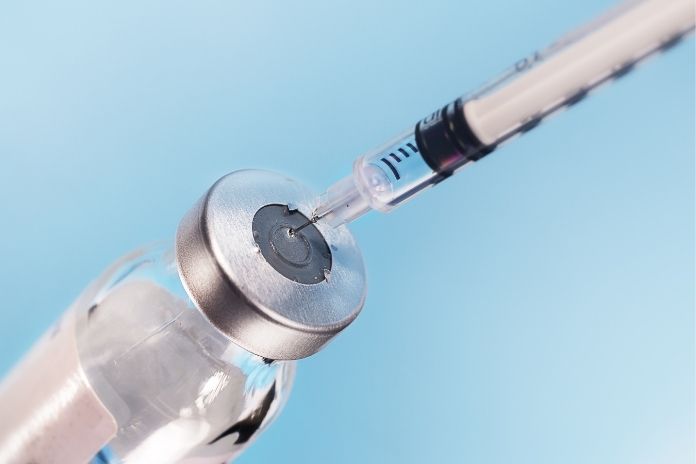
If conservative care fails or the chalazion is particularly stubborn, medical interventions are effective and safe.
1. Steroid Injection
Purpose: Reduces inflammation inside the blocked gland.
How it works:
- A small dose of corticosteroid is injected directly into the chalazion.
- The anti-inflammatory effect helps shrink the lump.
- Timeline: Often resolves within 1–2 weeks.
Benefits:
- Minimally invasive.
- Quick procedure with low discomfort.
- Commonly used for persistent or recurrent chalazia.
2. Incision and Curettage (Minor Surgery)
Purpose: Physically removes the blocked material.
What to expect:
- Performed under local anesthesia in the office.
- The ophthalmologist makes a small incision and extracts the hardened gland contents.
- Recovery is typically fast, with minimal downtime.
Indications: Usually recommended for chalazia lasting over 8 weeks or causing cosmetic or functional issues.
Effectiveness: According to the National Institutes of Health surgical data, incision and curettage have a high success rate with low recurrence when performed appropriately.
How to Prevent Future Chalazia
Preventing chalazia is about keeping your eyelids and meibomian glands healthy, especially if you’ve experienced recurrent lumps. Daily eyelid hygiene is the foundation; gently cleaning the lash line with diluted baby shampoo or commercially available lid wipes removes debris and reduces inflammation that can block glands.
Regular warm compresses can also help keep oil flowing smoothly, particularly for those prone to gland clogging. Lifestyle habits play a role, too. Sleeping without makeup and replacing eye cosmetics every three to six months reduces the risk of bacterial buildup that can irritate the eyelids.
Managing underlying conditions such as blepharitis or rosacea is crucial, as chronic eyelid inflammation significantly increases the likelihood of blockage.
Finally, avoiding frequent rubbing or touching of the eyes minimizes irritation and contamination. By consistently following these practices, many people experience a meaningful reduction in chalazion recurrence, keeping eyelids healthier in the long term.
Read More: 8 Innovative Products for Maintaining Eye Health
Final Takeaway
So, how long does a chalazion last? While the range can be anywhere from one to twelve weeks, the exact duration depends on factors like the size of the lump, the health of your meibomian glands, and how consistently you follow home care measures. The important thing to remember is that chalazia are not infections; they are blockages of oil glands.
This distinction is crucial because it explains why antibiotics alone rarely help and why patience, warmth, and gentle care are more effective. Warm compresses remain the cornerstone of home management, gradually softening the hardened oil and promoting natural drainage.
Even slow, incremental improvement is a positive sign that the gland is healing, so small changes week to week matter more than immediate disappearance.
For most people, this approach leads to full resolution without complications. Medical intervention is reserved for cases that linger, grow painful, interfere with vision, or recur frequently.
Steroid injections or minor in-office procedures like incision and curettage are highly effective when needed, but most chalazia resolve without surgical intervention.
By understanding the chalazion recovery timeline and what to expect at each stage, you can replace worry and frustration with confidence and clarity. Healing may take time, but with proper care, most chalazia will resolve naturally, allowing your eyelids to return to normal function and comfort.
References
- American Academy of Ophthalmology. (2021). Chalazion management: Evidence and questions.
- AOA – American Optometric Association. (n.d.). Chalazion.
- Cleveland Clinic. (n.d.). Chalazion.
- Cleveland Clinic. (n.d.). Chalazion: Symptoms, causes, and treatment.
- Dr. Arwal. (n.d.). Chalazion surgery: When & why needed.
- Nethradhama Eye Hospital. (n.d.). How long does a stye last?
- Perfect Eyes Ltd. (n.d.). Chalazion healing stages.
- Perfect Eyes Ltd. (n.d.). How long does a chalazion last?
- Shinagawa Eye Clinic. (n.d.). Chalazion FAQs: Your top questions answered.
- Vijaya Nethralaya. (n.d.). Can you get rid of a chalazion without surgery?
- iClinic. (n.d.). How long does a chalazion last?
- Oculase. (n.d.). Chalazion: Causes, treatment, and prevention.
- PubMed. (2020). Management of chalazion: A systematic review.
In this Article