














Picture this: you’re in your late 50s or 60s, eating what looks like a normal diet, but suddenly, everyday tasks feel harder. Climbing stairs leaves you winded. Carrying grocery bags feels heavier. You’re not sick, but your strength and endurance are noticeably slipping. Many people assume this decline is just a natural part of aging. The truth is, it doesn’t have to be inevitable.
What’s really happening is a combination of gradual muscle loss, lower appetite, and insufficient protein intake to support aging muscles. Over time, this can lead to weakness, fatigue, and a higher risk of falls or injury.
This is where protein powder for older adults comes into the conversation, not as a miracle supplement, and not as something every senior automatically needs, but as a practical tool to help meet protein requirements more easily.
Science is clear: aging muscles respond differently to protein than younger ones. The timing, type, and amount of protein can influence how well muscles maintain strength and mass. Whether protein powder makes sense for a given individual depends on health status, appetite, activity level, and overall diet quality.
In this article, we’ll break down what research actually shows, clarify when protein supplements can be helpful, and explain situations where they may offer little benefit. The goal is to give seniors, caregivers, and health-conscious adults a realistic view of how protein can support strength, mobility, and overall health with age.
Why Protein Needs Change With Age
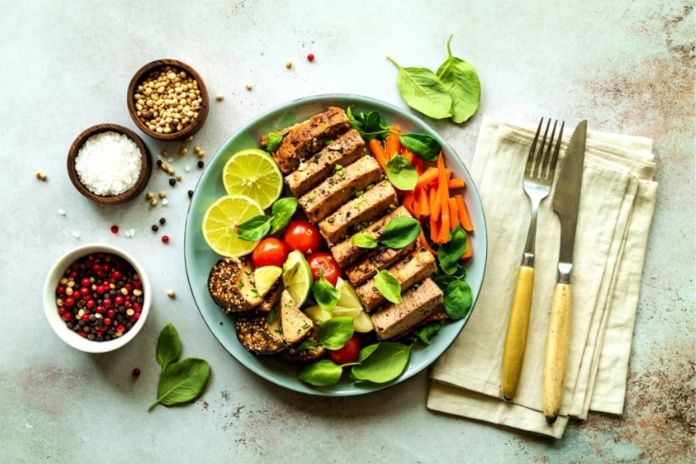
Aging brings many changes to the body, and one of the most significant is the gradual loss of muscle mass and strength. What may look like normal slowing down is often a combination of biological changes that make it harder for older adults to maintain muscle.
Understanding these changes helps explain why protein needs increase with age and why supplements like protein powder can sometimes be beneficial.
Age-Related Muscle Loss (Sarcopenia)
Starting around age 40, adults lose roughly 0.5 to 1 percent of muscle mass each year. After age 60, that loss often accelerates. This process, known as sarcopenia, is not just cosmetic; it directly affects balance, mobility, fall risk, and overall independence.
According to the National Institute on Aging, sarcopenia is a major contributor to frailty and disability in older adults. Beyond strength, muscle loss also impacts metabolic health, reducing insulin sensitivity and making it harder to maintain energy balance.
Reduced Muscle Protein Synthesis Efficiency
Here’s the critical issue: aging muscles become less responsive to protein, a phenomenon known as anabolic resistance. In younger adults, consuming protein readily triggers muscle protein synthesis. In older adults, the same amount of protein produces a weaker response.
Research shows that older adults require higher doses of high-quality protein per meal to effectively stimulate muscle growth. This isn’t about eating excessively; it’s about distributing enough protein throughout the day to overcome this reduced responsiveness.
Appetite Decline and Difficulty Meeting Protein Needs
Appetite naturally declines with age due to factors like hormonal changes, medications, dental issues, or slower digestion. This makes it harder to consume sufficient protein from whole foods such as meat, fish, eggs, or legumes.
As a result, many adults over 60 fall short of recommended protein intakes, even if total calories seem adequate. For this reason, protein powder can be a practical, targeted way to help older adults meet their protein needs without forcing large, hard-to-eat meals.
Benefits of Protein Powder for Older Adults
Protein powder isn’t a magic solution, but it can be a useful tool for supporting muscle health, strength, and overall functional ability in older adults. When used appropriately, it addresses the specific challenges of aging muscle.
- Supporting Muscle Mass and Strength: Protein powder makes it easier to reach daily protein targets, especially when appetite or meal size is limited. Studies consistently show that adequate protein intake supports lean muscle mass, particularly when combined with resistance training.
- Helping Maintain Mobility and Independence: Muscle strength directly affects functional ability. Stronger muscles improve walking speed, balance, and the ability to perform daily tasks like carrying groceries or climbing stairs.
- Supporting Recovery From Illness or Inactivity: Periods of illness, hospitalization, or even short-term bed rest can trigger rapid muscle loss in older adults. During recovery, protein needs increase, but appetite often declines at the exact moment it is most needed.
- Making Protein Intake Easier With Smaller Volumes of Food: One of the practical advantages of protein powder is convenience. A single scoop can provide 20–30 grams of protein in a small volume, which is often easier to consume than a full meal for those with reduced appetite. This can make a meaningful difference in meeting daily protein requirements, especially when eating large portions is difficult.
Read More: Shake Up Your Protein Game: 7 Delicious Protein Shakes Available on Amazon
Does Protein Powder Actually Help Prevent Muscle Loss?
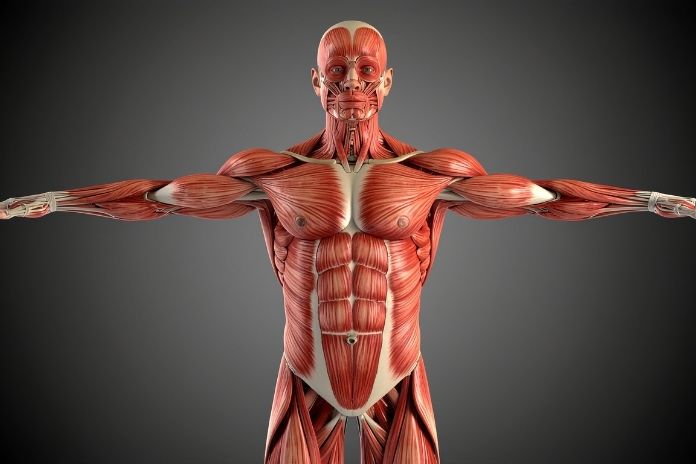
Protein supplements alone do not stop muscle loss. But adequate total protein intake does matter.
A large prospective analysis found that older adults in the highest quintile of protein intake (around 1.1 g/kg/day) lost significantly less total and appendicular lean mass over three years compared with those in the lowest quintile (≈ 0.7 g/kg/day). Higher protein consumption was linked to better preservation of muscle during aging.
Protein powder is not special. It is simply protein. If an older adult already meets protein needs through food, adding supplements does not provide extra benefits.
Protein without movement does little. Resistance training sends the signal. Protein provides the building blocks.
An analysis found that older adults who combined protein supplementation with resistance training experienced significantly greater increases in lean muscle mass and strength compared with training or supplementation alone. It also showed that protein supplementation alone had limited effects on muscle outcomes, underscoring the synergistic benefit of pairing it with resistance exercise.
When Protein Powder May Be Especially Helpful?
- Low appetite or unintentional weight loss: Older adults who eat less often fail to meet protein needs. Protein powder helps bridge the gap without overwhelming the stomach.
- Difficulty chewing or digesting solid foods: Dental problems, swallowing issues, or gastrointestinal discomfort can make whole protein foods challenging. Liquid or blended protein may be better tolerated.
- Recovery after hospitalization or illness: Protein needs increase during healing. Supplements can help preserve muscle during recovery when food intake is inconsistent.
- Busy schedules or limited meal preparation: Not all seniors have the energy or resources to cook protein-rich meals regularly. Protein powder simplifies intake when meals fall short.
Best Types of Protein Powder for Older Adults
Choosing a protein powder matters more with age because older muscles require a stronger, higher-quality protein signal to maintain strength. Not all protein sources stimulate muscle equally, and factors like digestibility, amino acid profile, and tolerance become more important than branding or trends. The goal is not just more protein, but protein the body can actually use.
Whey Protein
Whey is the most extensively studied protein source for aging muscles. It is naturally high in leucine, the amino acid that plays a key role in triggering muscle protein synthesis. Multiple studies show that whey produces a stronger anabolic response in older adults compared to many other protein sources, especially when consumed in adequate doses.
“In older adults, the amino acid leucine acts as a key trigger for muscle protein synthesis, and high‑quality proteins rich in leucine, like whey, produce a stronger anabolic response than many other proteins. That makes whey particularly useful after exercise or when appetite is low in the elderly,” explains Dr. Stuart Phillips, a leading researcher on protein metabolism and aging.
The science supports this: older adults given a high whey, leucine‑enriched supplement showed significantly greater post‑meal muscle protein synthesis than those consuming a typical dairy product.
Some individuals, however, experience bloating or digestive discomfort. In those cases, whey isolate, which contains less lactose and fat, is often better tolerated than whey concentrate.
Plant-Based Protein
Plant-based protein powders are a good option for older adults with dairy intolerance, allergies, or ethical preferences. They can support muscle health, but quality and formulation matter more here. Many single-source plant proteins, such as pea or rice alone, are lower in leucine and certain essential amino acids.
Blended plant proteins that combine sources like pea, rice, and hemp provide a more complete amino acid profile and perform better for muscle support.
Research shows that plant protein can support muscle maintenance in older adults when total intake is sufficient and the protein is of high quality. In practice, this often means using slightly higher doses compared to whey.
Egg or Casein Protein
Egg protein offers excellent digestibility and a complete amino acid profile, making it a solid option for older adults who tolerate it well. It sits between whey and plant protein in terms of digestion speed and muscle stimulation.
Casein digests much more slowly, releasing amino acids over several hours. This steady delivery may benefit older adults who struggle to eat regular meals or want prolonged muscle support, such as overnight. While it does not stimulate muscle as rapidly as whey, its slow absorption can help reduce muscle breakdown during long periods without food.
Read More: 8 Best Plant-Based Proteins for Muscle Building
How Much Protein Powder Is Appropriate for Older Adults?
Most experts recommend 1.0 to 1.2 grams of protein per kilogram of body weight per day for healthy older adults. Those with illness or muscle loss may benefit from 1.2 to 1.5 grams per kilogram. This is higher than the standard RDA, which many researchers consider insufficient for aging muscles.
Muscle protein synthesis responds best when protein is evenly distributed across meals. Instead of one protein-heavy dinner, older adults benefit from 25 to 35 grams of protein per meal. Protein powder can help fill gaps at breakfast or lunch.
More is not better. Excessive protein does not build extra muscle and may displace other nutrients. Experts at the Mayo Clinic recommend staying within evidence-based ranges and adjusting intake based on kidney function and overall health.
Safety Considerations for Older Adults
For healthy older adults, higher protein intake has not been shown to damage the kidneys. Large systematic reviews consistently find no evidence of harm in people without underlying kidney disease. In fact, adequate protein intake supports muscle, metabolic health, and recovery as we age.
That said, individuals with chronic kidney disease need personalized guidance. Protein requirements vary by disease stage, lab values, and overall health. Increasing protein intake without medical supervision can worsen kidney stress in some cases, which is why a healthcare professional should guide any changes.
Protein supplements can also affect overall nutrition indirectly. They may reduce appetite for regular meals or crowd out important foods like fruits, vegetables, whole grains, and healthy fats. Supplements should support a balanced diet, not replace it. Medications can further complicate appetite and nutrient absorption, making overall diet quality especially important.
Higher protein intake increases fluid needs. Dehydration is already common in older adults due to reduced thirst sensation and certain medications. When using protein supplements, consistent hydration becomes essential to support digestion and kidney function.
How to Use Protein Powder
Protein powder does not have to mean large shakes or heavy drinks. It can be mixed into oatmeal, yogurt, soups, or blended into smoothies with fruit and healthy fats. These options are often easier to tolerate than plain shakes.
Smaller servings spread throughout the day tend to work better than one large dose. Using half a scoop once or twice daily can reduce bloating and improve comfort. Protein powder should complement meals, not replace them entirely, unless a healthcare professional specifically recommends meal replacement.
When Protein Powder May Not Be Necessary
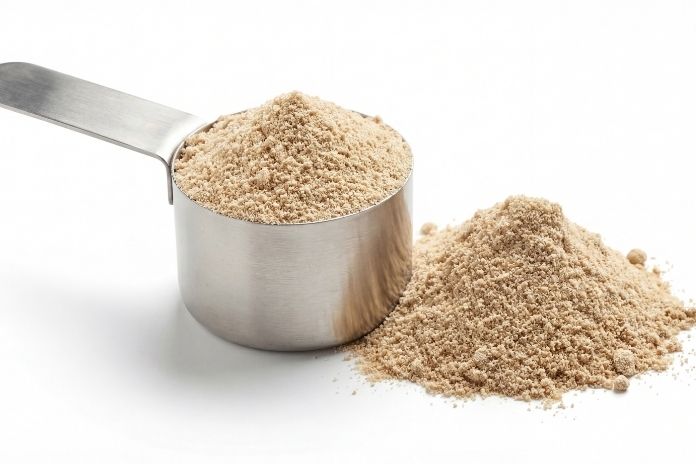
Protein powder is not required for everyone. If an older adult consistently meets protein needs through whole foods and maintains strength, mobility, and muscle mass, supplements offer little added value.
Many active, healthy seniors eat enough protein naturally and respond well to regular movement. Others simply prefer whole foods and enjoy eating full meals. When nutritional needs are met and function is preserved, skipping protein powder is a perfectly reasonable choice.
When to Talk to a Healthcare Professional
Protein powder isn’t appropriate for everyone, and some situations require individualized guidance.
If you have existing kidney disease, protein intake needs to be tailored. Too much protein can place added strain on impaired kidneys, so intake should be adjusted based on kidney function and lab results.
Unexplained weight loss should always be evaluated. Sudden or unintentional weight loss may point to an underlying medical issue that supplements alone cannot fix.
Chronic conditions that affect nutrition, such as cancer, gastrointestinal disease, or advanced diabetes, also require personalized planning. In these cases, a healthcare professional can help determine whether protein powder is helpful and how to use it safely.
Used correctly, protein supplements can support health. Used without guidance in the wrong context, they can miss the real problem.
Final Takeaway
Protein powder is not mandatory for older adults, and it is not a replacement for real food. But for many seniors, meeting protein needs through meals alone becomes harder with age. Appetite drops, portion sizes shrink, and recovery from illness or inactivity takes longer. In those situations, protein powder can be a practical, low-effort way to close the gap.
Research consistently shows that protein matters more with age, not less. Aging muscles need a stronger signal to maintain strength, balance, and mobility. Supplements can help deliver that signal, especially when combined with regular movement and resistance-based activity. Without movement, protein alone does little.
The key is thoughtful use. Protein powder should support an overall plan that includes adequate calories, strength training, and medical guidance when needed. It is not about chasing youth, building muscle for appearance, or following supplement trends.
Used appropriately, protein powder for seniors is about preserving function, maintaining independence, and protecting quality of life. It’s a tool to help the body keep doing what matters most for as long as possible.
Frequently Asked Questions
How much protein do older adults need per day?
Most older adults do better with about 1.0 to 1.2 grams of protein per kilogram of body weight each day. Aging muscles require more protein to maintain strength and function. Needs can increase further during illness, recovery, or noticeable muscle loss.
Is whey protein safe for seniors?
Whey protein is safe for most seniors and is one of the most researched options for muscle support. It is rich in leucine, which helps stimulate muscle protein synthesis. Those with digestive issues may prefer whey isolate or non-dairy alternatives.
Can protein powder help prevent muscle loss after 60?
Protein powder can help older adults meet their daily protein needs more easily. Its benefits are strongest when paired with resistance or strength-based exercise. Adequate total calorie intake also plays an important role.
Should older adults take protein powder daily?
Daily use is appropriate if it helps consistently meet protein needs. Some seniors use it every day, while others use it only when their appetite is low. The focus should be on meeting needs, not taking supplements out of habit.
References
- Deutz, N. E. P., Bauer, J. M., Barazzoni, R., Biolo, G., Boirie, Y., Bosy-Westphal, A., Cederholm, T., Cruz-Jentoft, A., Krznarić, Z., Nair, K. S., Phillips, S. M., Sieber, C., Skelton, D. A., Vandewoude, M., & Visvanathan, R. (2021). Protein intake and exercise for optimal muscle function with aging: Recommendations from the ESPEN Expert Group. Nutrients, 13(3), 743.
- Plantigo. (n.d.). The benefits of protein powder for elderly health and wellness.
- Bauer, J., Biolo, G., Cederholm, T., Cesari, M., Cruz-Jentoft, A. J., Morley, J. E., Phillips, S., Sieber, C., Stehle, P., Teta, D., & Visvanathan, R. (2013). Evidence-based recommendations for optimal dietary protein intake in older people: A position paper from the PROT-AGE Study Group. Clinical Nutrition, 32(6), 929–936.
- Harvard Health Publishing. (2021). Muscle loss and protein needs in older adults. Harvard Medical School.
- Deutz, N. E. P., & Wolfe, R. R. (2021). Protein for older adults: Optimizing muscle health and quality of life. Nutrients, 13(3), 743.
- The Organic Protein Company. (n.d.). How does protein improve the quality of life for seniors?
- Volpi, E., Kobayashi, H., Sheffield-Moore, M., Mittendorfer, B., & Wolfe, R. R. (2003). Essential amino acids are primarily responsible for the amino acid stimulation of muscle protein anabolism in healthy elderly adults. The American Journal of Clinical Nutrition, 78(2), 250–258.
- As It Is Nutrition. (n.d.). Whey protein for seniors: Is it safe & beneficial?
- Quora. (n.d.). What are the potential effects of consuming whey protein for senior citizens? Is it considered harmful or beneficial?
- KFF Health News. (2021). Why older adults should eat more protein and not overdo protein shakes.
- MyHealthBuddy. (n.d.). Whey protein for women: Benefits, side effects, dosage.
- Sponser. (n.d.). Protein powder for seniors.
- Gorissen, S. H. M., Crombag, J. J. R., Senden, J. M. G., Waterval, W. A. H., Bierau, J., Verdijk, L. B., van Loon, L. J. C. (2018). Protein content and amino acid composition of commercially available plant-based protein isolates. PubMed.
- FoundMyFitness. (n.d.). Should we supplement leucine?
- McMaster University. (2022). Effect of protein supplementation combined with resistance training in older adults. PubMed.
- Xu, J., et al. (2023). Protein intake and preservation of muscle mass in aging adults: A cohort study. The Journals of Gerontology: Series A, 78(S1), 67.
- National Institute on Aging. (n.d.). Reducing chronic disease and disability.
In this Article