












If you are skincare-obsessed, you’ve likely heard the endless discussion of adapalene vs. tretinoin more than once or twice. Both are topical retinoids (vitamin A compounds), so it makes sense to consider which active ingredient is best for specific skin concerns.
Both adapalene and tretinoin are used for acne treatment and to improve skin texture and may also help with wrinkles and acne scarring. Although both are topical treatments with comparable side effects and mechanisms of action, there are notable differences between them.
To help you make an informed and confident choice about your acne treatment, this article will break down how each one works, what results you can expect, and which skin types may benefit the most from each option.
Read More: Can Too Much Biotin Cause Acne? The Surprising Connection
What Are Adapalene and Tretinoin?
Acne affects more than 50 million Americans each year, making it the most common skin condition in the country. Adapalene and tretinoin belong to a class of drugs known as retinoids, which play a significant role in immune regulation, skin health, and vision.
Because of their potency, they are widely used in dermatology to address skin concerns.
Adapalene:
Adapalene, on the other hand, is a newer third-generation retinoid. Although the UK requires a prescription for this medication, some countries, like the US, allow you to buy it over the counter under the brand name Differin. Manufacturers developed it to provide benefits similar to tretinoin but with less irritation.
Therefore, many people consider this a gentler retinoid that offers the benefits of acne treatment without causing much dryness and redness. It also has a more stable molecular structure than tretinoin.
Tretinoin:
Tretinoin is a first-generation retinoid that has been used for more than 50 years, making its safety and effectiveness well-established. Researchers have proven that it helps treat acne, hyperpigmentation, and visible signs of aging, making it the gold standard among prescription retinoids.
How Adapalene and Tretinoin Work to Treat Acne
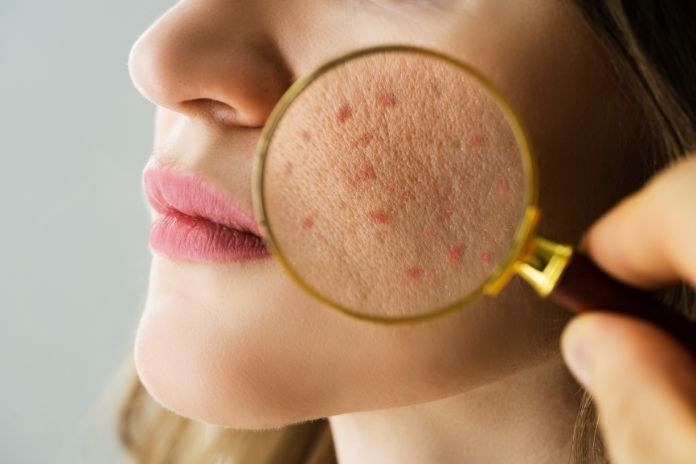
Tretinoin and adapalene treat acne by targeting the early stages of breakout development before pimples even appear.
Adapalene: It reduces inflammation and regulates skin cell growth, similar to tretinoin. Adapalene and tretinoin differ in a few ways. Adapalene prevents the development of keratinocytes. Consequently, it stops keratin, the protein that makes up the skin’s outermost layer, from growing.
Acne can result from a buildup of keratin that clogs pores. It helps adapalene stop acne outbreaks and clear congested pores. Adapalene can also help reduce inflammation, exfoliate mature comedones, and reduce the formation of microcomedones through this mechanism.
Tretinoin: Numerous studies have examined topical tretinoin and demonstrated multiple benefits for the skin. It’s a fantastic all-around anti-aging product that can significantly alter your skin’s structure, improving its appearance and texture.
Among the demonstrated advantages are notable advancements in:
- Elasticity
- Texture
- Pigmentation
- Fine lines
All things considered, tretinoin can help reverse signs of natural and chronological aging. Additionally, it reduces the outward manifestations of photoaging caused by sunlight exposure, including wrinkles, fine lines, and hyperpigmentation.
Tretinoin also has significant advantages in acne treatment. Research has demonstrated that it successfully improves:
- Whiteheads
- Blackheads
- Papules (small lumps)
- Pustules (areas filled with pus)
Read More: Acne Scars 101: How to Treat Different Types of Scars Effectively
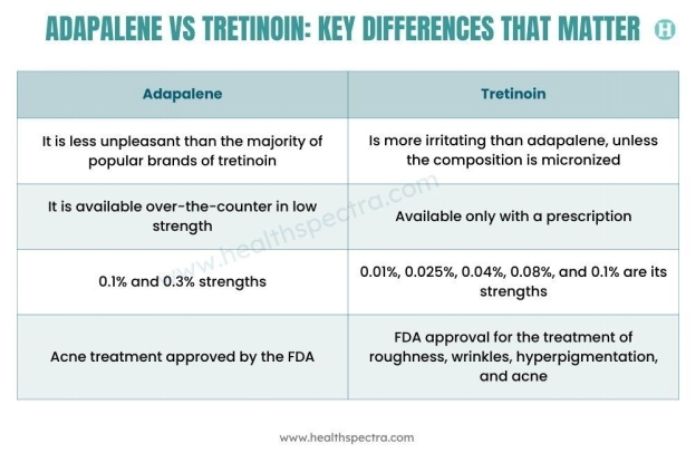
Adapalene vs Tretinoin: Key Differences That Matter
 Which Works Better for Different Types of Acne?
When choosing between tretinoin and adapalene, consider your skin type, concerns, and goals. If your primary concern is hyperpigmentation or signs of aging, and you’d like the skin-stimulating benefits of tretinoin, you may prefer this product for its more substantial collagen-boosting effects.
As with acne, if you are also dealing with texture or scars associated with post-inflammatory hyperpigmentation, tretinoin is a good option. Tretinoin is excellent for treating both acne and aging skin.
However, if you have acne and sensitive skin, retinoid’s gentler, targeted approach may be better for you. Remember that we all have different skin types: what works for me may not work for you. Speak to your physician. They will carefully assess your skin and help you choose between adapalene and retinoid.
Adapalene vs Tretinoin: Results Timeline

Adapalene:
- Adapalene is a third-generation retinoid that binds more selectively to receptors than other retinoids. It primarily targets the retinoic acid receptors RAR-β and RAR-γ, which regulate skin cell proliferation and differentiation.
- Adapalene binds to these specific receptors, increasing the rate of skin cell turnover. It allows dead skin to shed more easily, reducing the risk of pore clogging, one of the reasons for acne.
- Adapalene’s strong anti-inflammatory properties help reduce the redness and swelling of acne lesions. It helps treat inflammatory acne, such as pimples or cysts.
Tretinoin:
- Tretinoin, a first-generation retinoid, binds all retinoic acid receptors (RAR-α, RAR-β, and RAR-γ). It is stronger than adapalene but more irritating because of its wider effect, which impacts more skin processes.
- Tretinoin enhances the skin’s turnover rate, so dead cells are promptly replaced by fresh ones, thus smoothing wrinkles and clearing acne.
- In addition to exteriors, tretinoin encourages collagen production in the skin’s depths—and so tightens complexions and lessens fine lines and wrinkles.
Read More: Acne Around the Mouth? Here’s What Your Skin Is Trying to Tell You
Side Effects: What to Expect and How to Minimize Them
Adapalene and tretinoin, like the majority of acne drugs, can have adverse effects, particularly in the initial weeks.
Typical Adapalene Side Effects:
Skin Irritation: Stinging, burning, or redness may occur at the site of application. These side effects are generally temporary, especially during the beginning stages of treatment. A progressive increase in the number of treatments is one way to minimize discomfort.
Dryness and Peeling: Dry skin and peeling are common complaints among patients in the early stages of treatment. To help alleviate dry skin, apply a gentle, non-comedogenic moisturizer to the affected area after using adapalene.
Increased Sensitivity: Your skin may become more sensitive to sunlight, increasing your risk of sunburn. If you have delicate skin that is more sensitive to UV rays than usual, use sunscreen daily, even on days when clouds block out much of the sun’s rays.
Typical Tretinoin Side Effects:
Skin irritation: This may include redness, tingling, burning, or stinging at the site of application. Usually, these effects fade quickly. You can reduce discomfort by tapering the frequency of your treatment.
Dryness and Peeling: You may find your skin to become dry and flaky in the first few weeks of use. Use a gentle, non-comedogenic moisturizer after using tretinoin if dryness occurs.
Enhanced Sensitivity: Tretinoin can increase sensitivity to sunlight, increasing the risk of sunburn. An individual should use a broad-spectrum sunscreen (SPF 30 or higher) every day, even on cloudy days, to help protect their skin from UV damage.
Can You Switch From Adapalene to Tretinoin?
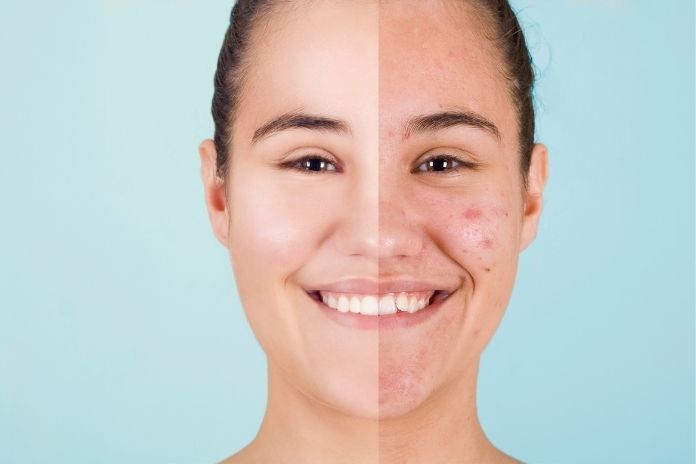
Indeed, many people start with adapalene before switching to tretinoin. This change usually makes sense if your acne improves but doesn’t clear completely, or if your dermatologist thinks a stronger retinoid could be a better option for treating scarring or recurring breakouts. Because tretinoin supports broader improvements in skin texture and fine wrinkles, some people also switch to it for its anti-aging properties.
The safest course of action if you and your provider decide to switch is to do so gradually. Even though your skin has previously adjusted to retinoids to some extent, tretinoin may nevertheless irritate you more.
Before completely switching, most dermatologists advise taking a short hiatus or alternating between adapalene and tretinoin. Your skin can adapt more easily if you use a mild cleanser and moisturizer every day. If necessary, you can buffer tretinoin with moisturizer.
Who Should Start With Adapalene vs Tretinoin
Depending on your skin type, the severity of your acne, and your prior use of retinoids, you may need to choose between adapalene and tretinoin.
Adapalene (OTC Differin) is gentler and more stable for morning use, making it a better choice for beginners or those with sensitive skin seeking an easier-to-apply, effective spot cleaner.
If your main objective is to combat more severe acne and greater anti-aging (wrinkles, dark spots), go for prescription tretinoin. Remember that this medication works more effectively but also causes more irritation, so you should use it only at night.
For personalized tips, see a dermatologist, as they’re both retinoids but have different strengths and weaknesses.
Read More: Fungal Acne vs. Bacterial Acne: Spot the Difference and Treat Effectively
Common Mistakes That Reduce Retinoid Results

Although tretinoin and adapalene are effective therapies for acne, some behaviors can reduce their effectiveness.
Mistake #1: Taking retinoids first thing in the morning
Retinoids are recommended for use at night because they increase your skin’s sensitivity to sunlight.
Mistake #2: Applying a strong cleaner
It’s crucial to use a mild cleanser because retinoids can cause dryness and redness. Depending on your skin type, this cleanser could be either moisturizing or gently foamy. Most people should avoid using medicinal cleansers right before bed.
This is because some medicated cleansers, such as benzoyl peroxide or salicylic acid, may increase your risk of skin irritation.
Mistake #3: Applying the products on wet skin
Manufacturers formulate retinoids for use on dry skin, unlike regular moisturizers. Gently pat your face dry after washing it. Before using their retinoid, most people should wait an additional five to ten minutes.
Mistake #4: Applying excessive amounts of medication on your face
It is a frequent error that can lead to serious issues. When it comes to retinoids, a small amount goes a long way. Actually, the entire face only uses a pea-sized amount.
Try using the “Five Dot” technique. Apply a small bit of the drug to your nose after dotting it on your chin, forehead, and both cheeks. After that, rub it in to create a skinny, even coating across the entire face.
Mistake #5: Anticipating immediate results
You would need to keep taking the drug for at least 6 to 8 weeks to notice effects, as it may take that long for it to start functioning.
Conclusion
Both tretinoin and adapalene are effective acne treatment ingredients, but which one is suitable depends on your skin’s needs, sensitivity, and treatment history. Used under supervision, tretinoin may be more effective for stubborn or resistant acne, but adapalene is usually the best place to start because it is gentler and easier to tolerate.
They remain favorites in dermatology because they target the source of acne just beneath the surface, reducing inflammation, preventing clogged pores, and normalizing skin cell turnover.
Regardless of your choice, patience, consistency, and supportive skincare are key to retinoid success.
References
- Sarah Lobello Pearson, PharmD. (Updated on October 11, 2024). Tretinoin vs. Adapalene for Acne: What Are The Differences and Which Works Better?
- Dr Amel Ibrahim. (2023, June 19). The battle of retinoids: Tretinoin vs adapalene.
- Dear Brightly. (2024, January 7). Adapalene vs tretinoin: Which one is right for your skin?
- Jane McQueen. (2022, December 22). Adapalene vs. tretinoin: Which is better for acne & anti-ageing?
- Miiskin. Adapalene (Differin) vs tretinoin for anti-aging and acne.
- Click2Pharmacy. (2024, October 9). Adapalene (Differin) vs tretinoin: Which is best for acne?
- Katta, R. (2025). The Top 10 Mistakes Made when Using Topical Retinoids.
In this Article