















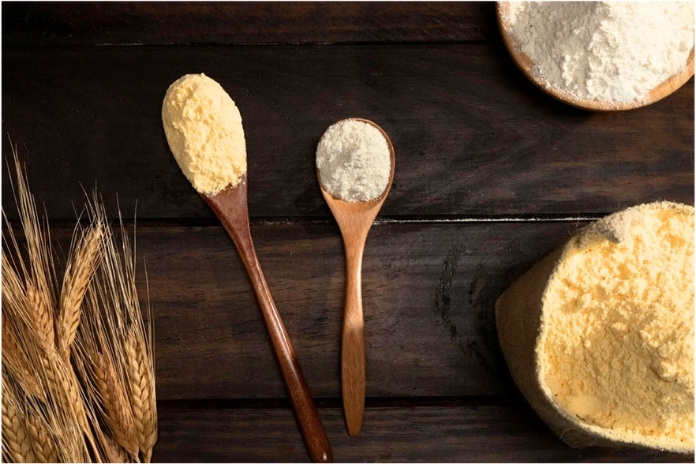
Whey protein became popular because it was convenient, not because it was perfect. Once whey flooded the market, everything else quietly disappeared from conversation. Egg protein powder was one of those overlooked items.
Today, egg protein is usually framed as a “backup option” for people who can’t tolerate whey. Bloating, acne, digestion issues, lactose intolerance, or simply the feeling that whey does not “sit right” anymore. That framing is wrong. Egg protein is not a substitute. It’s a different tool.
At a basic level, most protein powders are doing the same job. “All kinds of protein powder offer amino acids that can help build muscle, promote satiety, and support immune function,” says Lindsay Malone, RDN, a nutrition instructor.
If whey works for you, this article won’t convince you to quit it. But if whey feels heavy, inconsistent, or disruptive in ways you’ve stopped questioning, egg protein deserves a serious look, not as an alternative, but as a different category.
What Is Egg Protein Powder?

Egg protein powder is almost always derived from egg whites. The whites are pasteurised, dehydrated, and powdered. No yolk. No fat. No cholesterol.
What matters is not what’s removed, but what’s left behind. What you’re left with is almost pure protein, mainly albumin.
Egg white protein is structurally dense. It doesn’t dissolve instantly. It doesn’t push digestion. It behaves more like food than a stimulant. This is why older nutrition research once treated egg protein as the reference standard for protein quality.
Whey replaced it not because it was better, but because it was cheaper to scale.
How Egg Protein Compares to Whey at a Nutritional Level
Most comparisons stop at amino acid charts. That’s shallow analysis.
Whey delivers amino acids rapidly. Egg protein releases them gradually. This difference changes how the body uses protein, not just how much it absorbs.
Whey pushes protein synthesis aggressively. Egg protein sustains it quietly. One excites the system. The other stabilises it.
People who feel “wired” after whey often assume that’s normal. It isn’t universal. Egg protein does not create that spike. For some bodies, that alone changes recovery quality, sleep, and appetite regulation.
Egg Protein Powder vs Whey: Key Differences That Matter
1. Muscle Building and Recovery
Whey is often described as “the gold standard” because of how quickly it spikes amino acids in the blood, especially leucine. Whey dominates in short-term muscle signalling. But muscle is not built only by signalling. It’s built on repeatability, how well your body tolerates the same intake every day.
In that context, egg protein supports:
- Steadier nitrogen retention
- Less gastrointestinal stress
- Less appetite suppression post-consumption
If you train recreationally, eat adequate protein throughout the day, and sleep reasonably well, then the difference between whey and egg protein in real-world muscle gain is small, sometimes negligible.
Egg protein supports muscle protein synthesis well. It just does so more gradually. For non-elite lifters, this difference rarely shows up in outcomes.
2. Digestion and Tolerance
Egg protein is naturally lactose-free. No enzymes needed. No “low-lactose” marketing tricks.
For people who experience:
- Bloating after whey
- Loose stools
- Gas or abdominal discomfort
- Skin flare-ups linked to dairy
Egg protein often feels calmer on the digestive system. Not because it is “lighter”, but because it removes lactose and dairy proteins that some individuals can’t tolerate or handle well.
3. Allergies and Sensitivities
Many people tolerate whey only by ignoring symptoms. Bloating, mucus, skin irritation, and fatigue are not imaginary, and they are not rare.
Egg protein removes dairy entirely. It also removes fermentation residues and lactose-adjacent compounds that can remain even in whey isolates.
Adult egg allergy exists, but it is far less common than dairy sensitivity. Egg protein’s “risky” label is mostly rooted in history that no longer holds up.
Read More: Creatine HCl vs Monohydrate: Differences, Benefits, Side Effects & Which One You Should Use
Benefits of Using Egg Protein Powder
Egg protein does not impact you immediately. That’s its strength. You get:
- Complete protein without dairy: You get all essential amino acids without milk proteins, lactose, or enzymes.
- Neutral effect on blood sugar: Egg protein has no carbohydrates unless added artificially. It works well for low-carb or controlled diets.
- Fits structured eating patterns: People following disciplined meal plans often prefer proteins that do not interfere with appetite signals. Egg protein digests steadily, without the “crash” some feel after whey.
- Less bloating for some indiviudals: Not because egg protein is magical, but because it removes a common digestive trigger.
Read More:7 Reasons Women Are Quitting Dairy—And What They’re Eating Instead
Downsides of Egg Protein Powder
Egg protein requires tolerance.
- Taste and texture: Egg protein does not mix as smoothly as whey. Shakes can feel slightly foamy or thick. Flavours help, but it will never feel as creamy as whey.
- Lower leucine than whey: If you are optimising every variable for hypertrophy, whey still wins here.
- Cost and availability: Egg white protein powder is often more expensive and harder to find. It does not benefit from the same large-scale dairy infrastructure.
- Egg allergy risk: This alone eliminates it for some people.
If you expect instant feedback, pump, fullness, and alertness, you’ll feel disappointed. Egg protein doesn’t reward impatience.
Read More:How to Build Muscle Over 40: Age-Specific Training Tips
Who Should Consider Egg Protein Powder Instead of Whey
Egg protein suits people who pay attention to patterns, not peaks.
- Individuals who want a non-dairy complete protein
- Those whose digestion feels unpredictable with whey
- People using protein between meals, not just after training
- Individuals who train consistently but moderately
- Anyone who feels appetite distortion from fast-digesting proteins
Egg protein works especially well when protein is part of routine nutrition, not a performance hack.
Read More: The Cottage Cheese Comeback: Why Fitness Experts Swear by This Protein-Packed Food
Who Is Better Off Sticking With Whey
Whey remains the better option if you:
- Tolerate dairy without issues
- Want the most cost-effective protein source
- Prioritise fast post-workout absorption
- Compete in physique or strength sports where marginal gains matter
There are also situations where speed, convenience, and ease of intake genuinely matter. “If you can’t get enough protein from whole food sources, a whey protein supplement can help,” says registered dietitian Maxine Smith. “It’s beneficial for people who have chewing or swallowing disorders or a lack of appetite.”
If whey supports your recovery and doesn’t affect your appetite or sleep, there’s no reason to switch. Egg protein is not an upgrade. It’s a redirection.
Read More: Top PCOS-Friendly Protein Powders for Energy & Metabolism Support
Egg Protein Powder vs Other Whey Protein Alternatives

Plant proteins often require blends and flavour masking. Collagen isn’t a complete protein. Casein digests much more slowly and is often used before sleep. Soy introduces hormonal considerations for some users.
Egg protein avoids all of that. It stays quietly between animal-based strength and food-like digestion. That balance is rare.
Read More:Turn Your French Toast Into a Protein Powerhouse
How to Use Egg Protein Powder Effectively

Egg protein performs best when treated like food.
- Sip it slowly.
- Use it between meals, as a breakfast option, or post-workout if whey causes discomfort.
- Avoid aggressive blending. Add water first, then powder. Let it rest for 30–60 seconds before drinking.
- Egg protein works surprisingly well in pancakes, oats, protein breads, and baking recipes.
- Heat does not destroy its protein quality.
It integrates better into routine than into rituals.
Read More: Essential Mass Gainers: Calorie-Dense Supplements for Bulking Up
Is Egg Protein Powder Safe for Daily Use?
Pasteurised egg white protein is safe for daily intake in healthy individuals. It does not affect cholesterol, liver markers, or kidney function when consumed within normal protein ranges.
The only firm exclusion: diagnosed egg allergy.
Read More: Replenish Your Energy: 6 Best Protein Powders for Men’s Muscle Recovery
Final Thoughts
Egg protein powder isn’t popular because it doesn’t play into urgency; it doesn’t promise transformation; it doesn’t chase sensation.
But for people whose bodies resist extremes, egg protein offers something whey doesn’t: quiet compliance. It fits into life without demanding attention. It is practical nutrition.
- Egg protein is not designed for rapid stimulation, but for consistency.
- Many whey “side effects” are tolerance signals, not adaptation phases.
- Egg protein behaves more like structured food than a supplement.
- Its value increases during calorie control, illness, or long training cycles.
- Long-term studies comparing egg protein and whey on appetite stability and metabolic stress are still limited, despite decades of use.
References
- Hulmi, J. J., Lockwood, C. M., & Stout, J. R. (2010). Effect of protein/essential amino acids and resistance training on skeletal muscle hypertrophy: A case for whey protein. Nutrition & Metabolism, 7(1), 51.
- Kim, J. (2020). Pre-sleep casein protein ingestion: new paradigm in post-exercise recovery nutrition. Physical Activity and Nutrition, 24(2), 6–10.
- Matsuoka, R., & Sugano, M. (2022). Health Functions of Egg Protein. Foods, 11(15), 2309.
In this Article