












Ever feel foggy, distracted, or mentally “fried” after too much screen time or stress? “Brain rot,” a pop-culture term exploding online, captures that sluggish feeling, but 2026 neuroscience reveals it’s backed by real changes in grey matter volume, often reversible through neuroplasticity.
Dive into the MRI studies, mechanisms, and proven fixes below.
What “Brain Rot” Really Means, and What Science Says in 2026
“Brain rot” describes the mental haze from digital overload, burnout, or endless scrolling, not a formal diagnosis. In medical terms, it aligns with grey matter reduction, neural inflammation, and weakened connectivity detected in MRI studies.
Recent 2026 imaging research, including voxel-based morphometry, links heavy internet use and media multitasking to prefrontal grey matter loss, mimicking early cognitive strain.
“Your brain is capable of extraordinary plasticity. Exercise increases BDNF levels, which directly promote neuron growth and reverse atrophy in the hippocampus and prefrontal cortex from chronic stress or screen overload. Combined with quality sleep, you can rebuild focus and cognitive function within weeks.”
– Dr. Andrew Huberman, Neuroscientist and Professor at Stanford University School of Medicine
Read More: 10 Best Foot Massagers for Diabetic Neuropathy – Discover the Best!!
The 2026 Neuroscience: How Modern Life Physically Alters Your Brain
Modern habits trigger structural shifts. Chronic exposure to stress, screens, and poor recovery protocols can lead to measurable brain changes via MRI and fMRI.
Chronic Stress and Cortisol Damage
Sustained stress floods the body with cortisol, which can shrink the hippocampus, a key structure for memory, and thin the prefrontal cortex, which supports decision-making. This neurotoxicity erodes neurons over time, but early intervention, such as mindfulness, can halt its progression.
Screen Overload and Dopamine Dysregulation
Endless short-form videos overstimulate dopamine pathways, desensitizing receptors and reducing frontal lobe grey matter tied to focus and impulse control. A 2025 study found that frequent TikTok-like viewing correlates with shorter attention spans and weaker inhibitory control.
Inflammation and “Brain Fog”
Poor sleep, junk food, and inactivity trigger neuroinflammation, during which microglia release toxins that disrupt the blood-brain barrier and dull cognition. This drives the “fog” feeling, as oxidative stress harms neuronal connections.
Neurodegenerative Overlaps
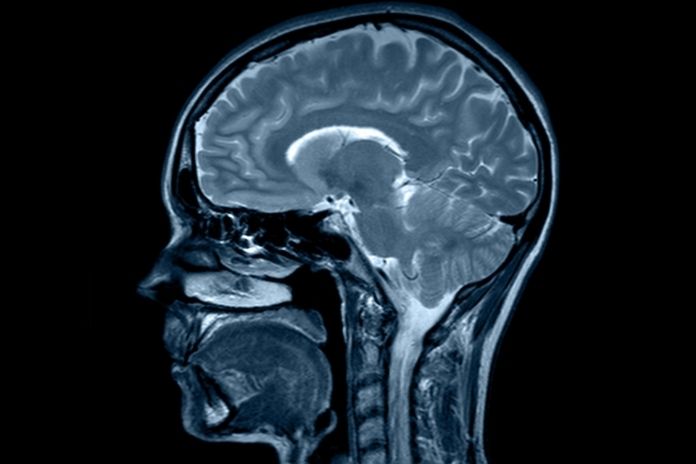
These mechanisms echo early Alzheimer’s or vascular dementia, but most “brain rot” is functional, not permanent cell death, and responds to lifestyle tweaks.
Read More: Neuroimaging Finds That the Brain Uses More Power To Remember Than Forget A Memory
Signs Your Brain May Be Under Strain
These everyday complaints often signal underlying strain:
- Short attention span and easy distractibility.
- Memory lapses or persistent mental fog.
- Emotional flatness, irritability, or motivation dips.
- Poor sleep quality despite fatigue.
- Reduced creativity in problem-solving.
Such symptoms flag functional issues, prompting lifestyle fixes or doctor visits if they linger.
How Scientists Measure “Brain Shrinkage”
Neuroimaging techniques, such as MRI with voxel-based morphometry, quantify grey matter density.
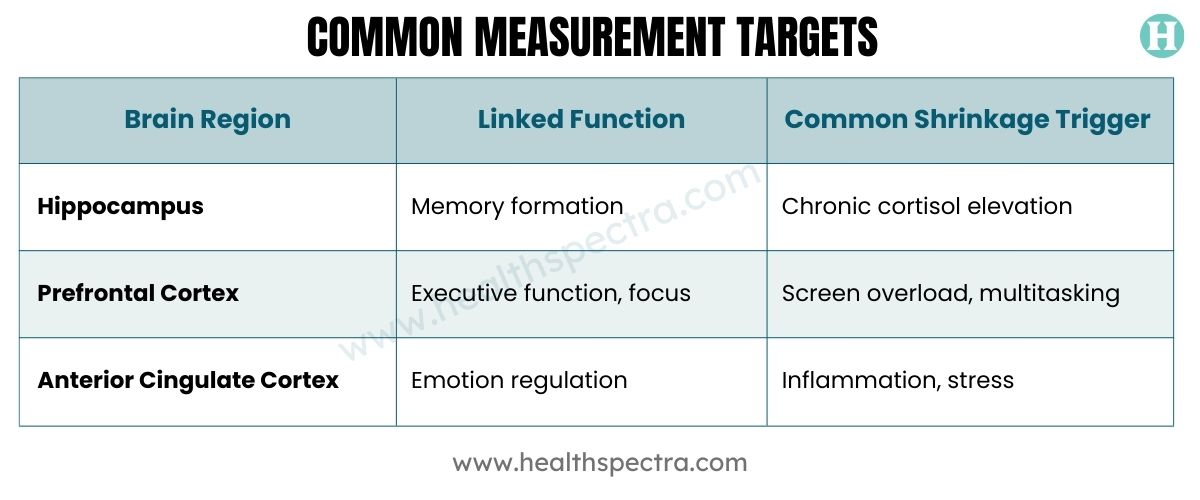
Key areas include:
- Hippocampus volume is tied to stress and memory.
- Prefrontal cortex thickness, for focus and self-control.
- The anterior cingulate cortex regulates emotions.
Even small gains in sleep or exercise boost density via neuroplasticity.
The table below summarizes common measurement targets and their linked functions, drawn from recent MRI protocols.
 The 3 Major Lifestyle Drivers of Modern Brain Shrinkage
- These core factors dominate the 2026 research on reversible atrophy.
- Chronic Stress & Overstimulation drive cortisol damage and fatigue; counter with a 10-minute daily mindfulness practice.
- Sleep Deprivation and poor recovery impair glymphatic clearance of brain toxins, worsening memory. Aim for 7-9 hours of sleep each night.
- A sedentary, digital lifestyle stifles neurogenesis and dopamine balance, starting with 30-minute walks.
Reversing the Damage: What Science Recommends in 2026
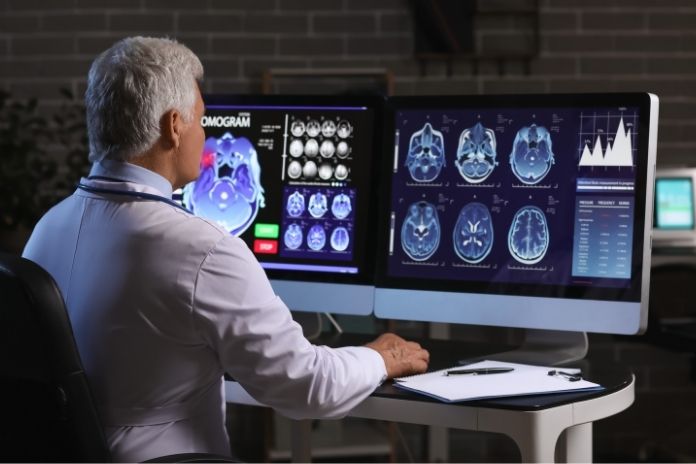
Neuroplasticity, the brain’s remarkable rewiring power, offers proven recovery paths backed by 2026 neuroimaging studies.
Exercise and Aerobic Neurogenesis
Aerobic exercise, such as brisk walking or cycling, spikes brain-derived neurotrophic factor (BDNF), a protein that promotes neuronal growth and rebuilds hippocampal volume eroded by chronic stress.
Longitudinal MRI studies confirm that consistent cardio, 30 minutes daily for several months, thickens grey matter in memory and mood centers. This enhances cognitive resilience and reverses stress-induced atrophy.
Cognitive “Rewiring” Through Focused Learning
Structured learning activities such as reading complex material, solving puzzles, or acquiring new skills stimulate synaptic pruning and growth.
These bolster cognitive reserves against future decline. Research shows these deliberate practices increase dendritic branching and neural connectivity in the prefrontal cortex. They directly counteract synaptic density loss caused by digital overload and multitasking.
Nutrition and Gut-Brain Support
Omega-3 fatty acids from fatty fish, polyphenols in berries, and fiber-packed foods like leafy greens reduce systemic inflammation that crosses the blood-brain barrier. They also support the role of the gut microbiome in neurotransmitter production.
Emerging 2026 (link) trials indicate that probiotics and a Mediterranean-style diet lower markers of neuroinflammation. They regulate dopamine pathways and correlate with improved prefrontal cortex integrity on fMRI scans.
Sleep and Digital Hygiene
Achieving 7-9 hours of quality sleep nightly activates the glymphatic system, which clears metabolic waste and toxins from the brain. Strict screen curfews 1-2 hours before bed preserve melatonin and prevent blue light disruption of circadian rhythms.
Polysomnography-linked MRI data reveal that this routine restores hippocampal neurogenesis and reduces grey matter thinning associated with sleep debt.
Mindfulness, Therapy, and Stress Regulation

Mindfulness meditation and cognitive behavioral therapy lower cortisol surges. They foster grey matter expansion in the prefrontal cortex and anterior cingulate, areas vital for focus and emotional control. Randomized fMRI trials show structural gains after 8 weeks.
These practices recalibrate the amygdala’s stress response and offer a non-invasive shield against reversible atrophy from chronic tension.
Read More: Mood-Boosting Foods for Anxiety: What Science Says About What You Eat and How You Feel
When “Brain Rot” Might Indicate Something More Serious
Seek a neurologist if symptoms include rapid decline, speech changes, motor issues, or severe apathy. These may signal neurodegeneration, hormonal changes, or metabolic changes, warranting MRI or lab testing.
The following outlines quick checks at a professional level.
- Duration: Symptoms over 3 months?
- Severity: Interfering with work or daily tasks?
- Accompaniments: Headaches, vision changes, or falls?
Read More: Supplements That Can Harm Your Brain and Nervous System
Key Takeaways: Protect and Rebuild Your Brain
“Brain rot” signals real but often reversible changes in grey matter from modern stressors like screens and cortisol spikes. Neuroscience in 2026 emphasizes neuroplasticity: consistent habits can restore volume and function in the hippocampus, prefrontal cortex, and beyond. Start small for lasting gains.
Core Insights on Brain Changes
- Grey Matter Loss Is Measurable: MRI studies confirm shrinkage in key areas from chronic stress, digital overload, and inflammation, not just “feeling off,” but structural shifts.
- Most Cases Are Functional: Unlike neurodegeneration, lifestyle-driven “rot” responds to intervention, avoiding permanent damage.
- Dopamine and Focus Are Linked: Short-form content dysregulates reward pathways, shortening attention spans, but detox restores balance.
Actionable Steps for Recovery
- Prioritize Aerobic Exercise: 30 minutes daily boosts BDNF to regrow hippocampal tissue. Brisk walks or jogging yield results in weeks.
- Enforce Sleep and Digital Boundaries: 7-9 hours of sleep at night plus screen curfews clear toxins via the glymphatic system, enhancing clarity.
- Adopt Anti-Inflammatory Nutrition: Omega-3s from fish, berries, and fiber target neuroinflammation and gut-brain health for sharper cognition.
- Practice Mindfulness Daily: 10 minutes thickens prefrontal grey matter, countering stress-induced atrophy per fMRI evidence.
- Engage in Focused Learning: Reading or skill-building strengthens synapses, building cognitive reserve against future strain.
When to Seek Help
Persistent symptoms beyond lifestyle tweaks warrant a neurologist; rapid decline, motor issues, or unexplained apathy may need imaging. Early action preserves brain health long-term.
Your brain stays malleable; rebuild it proactively to thrive amid 2026’s digital demands.
References
- Yousef, A. M. F., Alshamy, A., Tlili, A., & Metwally, A. H. S. (2025). Demystifying the new dilemma of brain rot in the digital era: A review. Brain Sciences, 15(3), Article 283. ncbi.nlm.nih
- Ding, K., Shen, Y., Liu, Q., & Li, H. (2023). The effects of digital addiction on brain function and structure of children and adolescents: A scoping review. Healthcare, 12(1), Article 15. ncbi.nlm.nih+1
- Hong, S.-B., Kim, J.-W., Choi, E.-J., Kim, H.-H., Suh, J.-E., Kim, C.-D., Cloister, A. M., Jeong, B., & Kim, B.-N. (2013). Reduced orbitofrontal cortical thickness in male adolescents with internet addiction. Behavioral and Brain Functions, 9, Article 11. ncbi.nlm.nih
- Montag, C., & Markett, S. (2019). Facebook usage on smartphones and gray matter volume of the nucleus accumbens: A comparison between adolescents and adults. Behavioural Brain Research, 365, 151–156. sciencedirect
- Yuan, K., Yu, D., Cai, C., Feng, D., Li, Y., Bi, Y., Wei, Y., Jin, C., Li, Y., Wang, Y., Hu, J., Tian, J., & Qin, W. (2011). Amygdala alterations in Chinese first episode, drug-naïve major depression patients: A cross-sectional study. PLoS ONE, 6(6), Article e20708. plos
- Tao, R., Huang, X., Wang, J., Zhang, H., Zhang, Y., & Li, M. (2017). Brain anatomy alterations associated with social networking site (SNS) addiction. Scientific Reports, 7(1), Article 45064. nature
- Li, Y., Zhang, X., Lu, F., Zhang, Q., & Wang, Y. (2023). Overview on brain function enhancement of Internet addicts through cognitive training based on virtual reality. Frontiers in Neuroscience, 17, Article 9933907. ncbi.nlm.nih
- Wang, Y., Yin, Y., Sun, Y.-D., Zhou, Y., Chen, X., Ding, W., Wang, W., Li, Y., & Xu, J. (2018). Brain structures associated with internet addiction tendency in adolescent online game players. Frontiers in Human Neuroscience, 12, Article 108. ncbi.nlm.nih
- Krogsrud, K., Fjell, A. M., Tamnes, C. K., Grydeland, H., Due-Tønnessen, P., Bjørnerud, A., Sæther, S. M., & Walhovd, K. B. (2025). Neuroplasticity and nervous system recovery. Brain Sciences. pmc.ncbi.nlm.nih
- Ersche, K. D., Williams, G. B., Robbins, T. W., & Bullmore, E. T. (2016). Prefrontal gray matter volume recovery in treatment-seeking cocaine addicted individuals: A tensor-based morphometry study. Brain Structure and Function, 222(4), 1573–1584. ncbi.nlm.nih
- Firth, J., Torous, J., Stubbs, B., Firth, J. A., Steiner, G. Z., Smith, L., Alvarez-Jimenez, M., Gleeson, J., Vancampfort, D., Armitage, C. J., & Sarris, J. (2019). The “online brain”: How the Internet may be changing our cognition. World Psychiatry, 18(2), 119–129. ncbi.nlm.nih
- Wang, H., Zhang, X., Wang, Y., Wang, J., Tian, J., & Qin, W. (2023). Children’s screentime is associated with reduced brain white matter integrity. Frontiers in Cognition, 2, Article 1018096. frontiersin
- Zhang, J., Wang, Y., Chen, X., & Li, Y. (2024). Understanding digital dementia and cognitive impact in children. Frontiers in Pediatrics. pmc.ncbi.nlm.nih
- Li, Y., et al. (2025). Neuroplasticity changes in cortical activity, grey matter, and white matter. PubMed. pubmed.ncbi.nlm.nih
- Qi, S., et al. (2013). Cortical thickness abnormalities in late adolescence with online gaming addiction. PLoS ONE, 8(1), Article e53055. plos
- Kühn, S., & Gallinat, J. (2019). The impact of the digital revolution on human brain and behavior: Where will we end up? Current Opinion in Behavioral Sciences, 31, 124–128. ncbi.nlm.nih
In this Article