














Chronic, low-grade inflammation tends to be a quiet process, without overt symptoms that would make a big fuss. It creeps in with everyday behaviors, irregular sleep, sitting too long, stress gnawing away, swings in blood sugar, and diets heavy in ultra-processed foods.
Additionally, the stubborn inflammatory state may creep toward insulin resistance, joint stiffness, gut trouble, higher cardiovascular risk, and raised inflammatory markers such as C-reactive protein.
What most people miss out on is that what we drink matters. Excessive alcohol intake, sugar-sweetened drinks, and highly processed beverages increase oxidative stress and boost inflammatory signaling. In contrast, anti-inflammatory drinks introduce bioactive compounds into the body that support antioxidant defense, metabolic health, and gut functioning.
These are not magic elixirs or substitutes for medication or medical treatment. Their benefits are cumulative from regular use over a period of time, and more so when they replace inflammatory beverages rather than simply being added on top of those.
In this article, we’ll cover the top evidence-based anti-inflammatory drinks and learn what makes them effective. You’ll discover how beverages like green tea, coffee, turmeric tea, tart cherry juice, and ginger tea can support inflammatory balance, and tips for using them wisely in daily life. We’ll also discuss drinks often marketed as anti-inflammatory but with limited evidence, and who may benefit most from these beverages.
What Makes a Drink “Anti-Inflammatory”
A drink earns the label “anti-inflammatory” not through marketing claims, but through its measurable biological effects. Evidence-based anti-inflammatory beverages tend to contain compounds that reduce oxidative stress, support metabolic balance, and influence immune signaling in subtle but meaningful ways.
Many drinks that reduce inflammation are rich in polyphenols and antioxidants. These compounds help neutralize reactive oxygen species, which otherwise damage cells and trigger inflammatory pathways. Constant oxidative stress is one of the key drivers of chronic inflammation, particularly in metabolic tissues.
Beyond antioxidant activity, beverages for inflammation can also affect insulin resistance and gut health. Poor blood sugar control and intestinal barrier dysfunction are both associated with higher inflammatory markers, including CRP. Drinks that support metabolic stability and microbial balance may reduce inflammation indirectly, even if their effects are not dramatic in isolation.
Consistency matters far more than intensity. A single cup of green tea or ginger tea will not lower inflammation. Regular consumption over weeks or months, combined with the removal of inflammatory beverages, is what leads to measurable change.
Read More: How to Build an Anti-Inflammatory Morning Routine
1. Green Tea
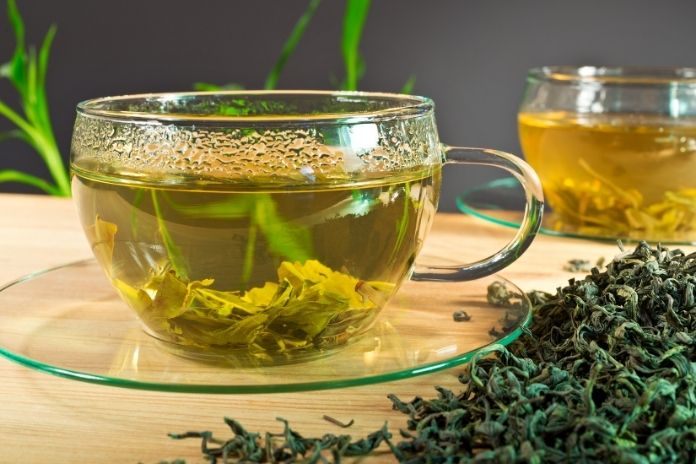
Green tea is one of the best-researched anti-inflammatory drinks, often featuring on a list of drinks with anti-inflammatory properties, which is well-supported by evidence. Green tea primarily harnesses the power of catechins, namely epigallocatechin gallate, also known as EGCG.
EGCG is an antioxidant, but it also regulates cellular signaling, which reduces the level of oxidative stress while suppressing the signaling involved in triggering the immune response and metabolism.
Observational studies as well as intervention studies have shown that individuals who regularly drink green tea tend to have lower levels of CRP as well as metabolic markers. However, these are not drastic improvements but rather are consistently measured when green tea is used as a replacement for sweet beverages.
To get the maximum anti-inflammatory benefits of green tea, its preparation plays an important role. It is always better to drink it unsweetened and prepare it slowly over low heat or not boil it to excess.
2. Coffee (In Moderation)

Coffee is also often overlooked when discussing inflammatory drinks. However, research indicates that moderation in coffee can be very helpful for inflammatory regulation.
Consider coffee as having more than merely a “wake-up” role. It is rich in polyphenols, specifically chlorogenic acids, with antioxidant effects that help to strengthen antioxidant capacity and reduce oxidative stress. It helps regulate inflammation and glucose use, and moderate intake has been associated with lower inflammation in some groups.
On the flip side, however, these benefits are not absolute. In this case, it may be truly helpful to consider context. Black coffee or coffee with a splash of milk or cream may be very beneficial to metabolic health and to our inflammation issues, but coffee hugely loaded with sugar may be very detrimental to it. Moreover, excessive caffeine may increase our stress hormones. In this way, it may increase our inflammation issues indirectly.
It would be beneficial for those who are not sensitive to caffeine and still want to protect their sleep quality. In other cases, it might increase their physiological stress rather than alleviating their inflammatory problems.
3. Turmeric Tea (With Black Pepper)
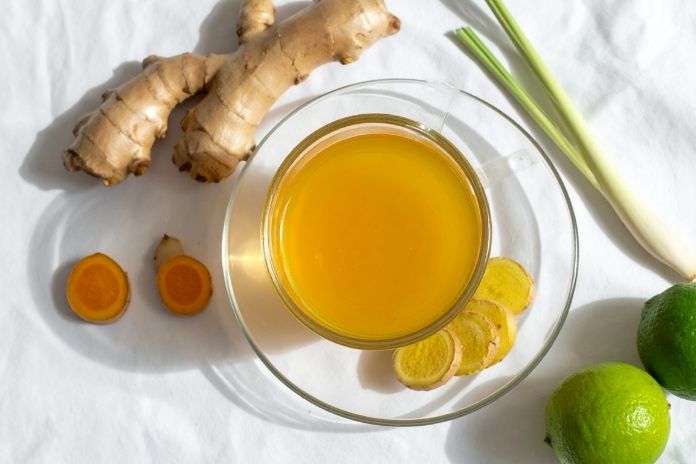
Turmeric tea is an antioxidant and often touted as an anti-inflammatory drink friendly to joints, but its actual potency depends upon the mechanism of action of curcumin in the human system. Curcumin, which is active in turmeric, interacts with many pro-inflammatory pathways, coming into contact with enzymes that influence inflammation.
One major issue is the problem of absorption. Curcumin does not absorb well on its own. This is where turmeric tea is so effective when prepared with black pepper. Piperine, found in black pepper, increases the ability of curcumin to be absorbed.
You must keep your expectations realistic. The levels that you receive through typical everyday turmeric-based foods are certainly not comparable to supplement levels used in studies. However, supplementing your diet through regular turmeric tea consumption could help create a balance in inflammation levels.
4. Tart Cherry Juice (Small Portions)
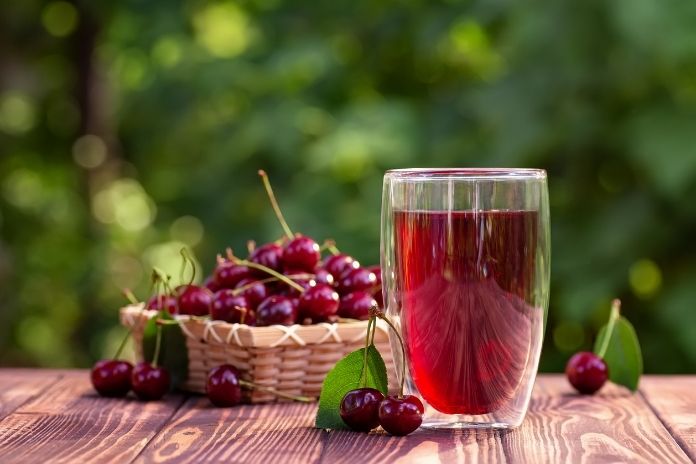
Among the emerging drinks for inflammation, tart cherry juice stands out because of its benefits for exercise recovery and joint comfort. Cherries are heavily packed with anthocyanins, a form of polyphenol that helps reduce oxidative damage after physical stress.
Exercise, while good for you, has the effect of temporarily increasing inflammation and oxidative stress. Tart cherry juice seems to reduce that response, which helps in muscle recovery and keeps joints more comfortable.
Evidence suggests that there are fewer aches after workouts and improved recovery markers, mainly among active adults and people suffering from mild joint stiffness. Tart cherry juice does contain natural sugars, so keeping portions in check does matter. In small amounts, it functions as an anti-inflammatory option without making insulin resistance or blood sugar spikes significantly worse.
Read More: Soothing Anti-Inflammatory Turmeric Cauliflower Soup Recipe
5. Ginger Tea
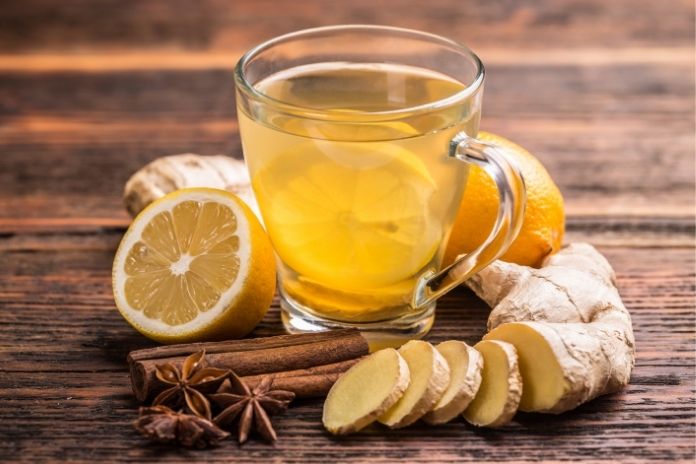
One of the remarkable features of ginger tea is its utility and ability to be a very effective anti-inflammatory agent that can be used on the gut and the entire body. The major components of the extract are the gingerols and the shogaols.
They are essential in reducing oxidative stress and controlling the mechanisms behind the inflammatory response. They can be related to the movement and sensations felt in the gut and are accountable for the extensive anti-inflammatory properties of ginger.
Drinking ginger tea can help stimulate digestive health, reduce nausea, and shift the inflammatory process ever so slightly in the right direction. Since issues in the digestive system can contribute to whole-body inflammation, having a positive effect on digestive health could help keep the body’s inflammatory balance in check.
This tea would also work well when there are digestive problems, after eating, or at other instances when inflammation is accompanied by bloating.
“Ginger has anti-inflammatory effects, which help lower inflammation throughout the body, and decreased inflammation of the blood vessels helps improve blood pressure regulation and prevents plaque buildup in your arteries,” says Rohit Vuppuluri, DO, an interventional and vascular cardiologist at Chicago Heart and Vascular Specialists.
Read More: Best Anti-Inflammatory Foods To Counter Inflammation
Drinks Often Marketed as Anti-Inflammatory (But With Limited Evidence)
Not all beverages marketed as anti-inflammatory are based on scientific knowledge. Detox drinks and cleansing programs are a common example. There is no scientific evidence that the drinks remove toxins or that they work to control inflammation. The body’s job of detoxification is already the responsibility of the body’s organs, especially the liver and the kidneys.
Similarly, fruit juice, added sugars, and processed protein powders can spike blood sugar and contribute to insulin resistance, reducing any antioxidant benefits. Often, marketing claims appear long before there is clear evidence, such as lower CRP levels or measurable improvements in metabolic health.
How to Fit Anti-Inflammatory Drinks Into Daily Life

The anti-inflammatory drinks will be most effective if they replace inflammatory beverages. It also makes sense to drink green tea or coffee in the morning. Additionally, ginger or turmeric tea might be easier to drink in the evening. The tart cherry juice will be most beneficial after a workout or during joint stress.
Specifically, these drinks must also form part of a diet that is anti-inflammatory and promotes healthy guts and stable blood sugar. The beverages also provide the body with the necessary nutrients.
Who May Benefit Most From These Drinks
Certain groups may see more noticeable benefits from anti-inflammatory beverages.
- Adults over 40 often experience gradual increases in inflammatory markers.
- Sedentary individuals tend to have higher baseline inflammation due to reduced metabolic flexibility.
- People dealing with chronic stress, poor sleep, or frequent blood sugar swings may also benefit, as these factors amplify inflammatory responses.
What Anti-Inflammatory Drinks Will NOT Do
Anti-inflammatory drinks do not eliminate inflammation overnight. They do not replace medication, physical therapy, or medical treatment.
Most importantly, they cannot counteract a highly processed, inflammatory diet on their own. Inflammation reflects long-term patterns, not isolated choices.
Common Myths About Anti-Inflammatory Drinks
One common myth is that a single drink can “cancel out” an inflammatory diet. Another is that natural drinks are always harmless, when in reality they can interact with medications or worsen symptoms in sensitive individuals.
A third misconception is that more antioxidants are always better, despite evidence that excessive antioxidant intake can interfere with normal cellular signaling.
Final Takeaway
Anti-inflammatory drinks can support overall health when used consistently, realistically, and as substitutes for inflammatory beverages. Their effects are subtle but meaningful over time, especially when combined with adequate sleep, regular movement, stress management, and a balanced diet.
Used this way, anti-inflammatory beverages become practical and evidence-based tools, not exaggerated cures, but for long-term inflammatory balance.
References
- Amawi, H., & Abbasi, S. (2025). Pharmacological properties of ginger (Zingiber officinale): What do meta-analyses say? Journal of Herbal Pharmacotherapy. (Review of ginger’s anti-inflammatory, antioxidant, and metabolic effects).
- Wang, X., & Gong, X. (2025). Anti-inflammatory effects of ginger bioactive compounds. Journal of Inflammation Research, 14(2), 45–60. (Ginger inhibits oxidative stress and cytokine-mediated inflammation through bioactive compounds like 6-gingerol and shogaols.)
- Zhao, Y., & Li, Q. (2025). Effects of ginger supplementation on inflammatory markers and functional capacity in mild to moderate joint pain. Nutrition and Functional Medicine, 17(14), Article 2365. (Ginger supplementation was associated with reduced pain and inflammatory biomarkers such as IL-6, TNF-α, and C-reactive protein.)
- Lee, J. H., & Kim, S. J. (2020). Effects of ginger supplementation on markers of inflammatory and oxidative stress: A systematic review and meta-analysis of clinical trials. Journal of Nutrition and Biochemistry, 75, 108250. (This synthesis of clinical trials found significant reductions in CRP, TNF-α, IL-6, and MDA and increases in total antioxidant capacity following ginger supplementation.)
- Smith, A. B., & Johnson, L. M. (2024). Ginger for healthy aging: Antioxidant, anti-inflammatory, and immunomodulatory properties of Zingiber officinale. Ageing Research Reviews, 85, 101874. (Ginger’s components help reduce oxidative stress, inflammatory markers, and cellular damage in aging models.)
- Johns Hopkins Medicine. (2025). Ginger benefits.
In this Article