













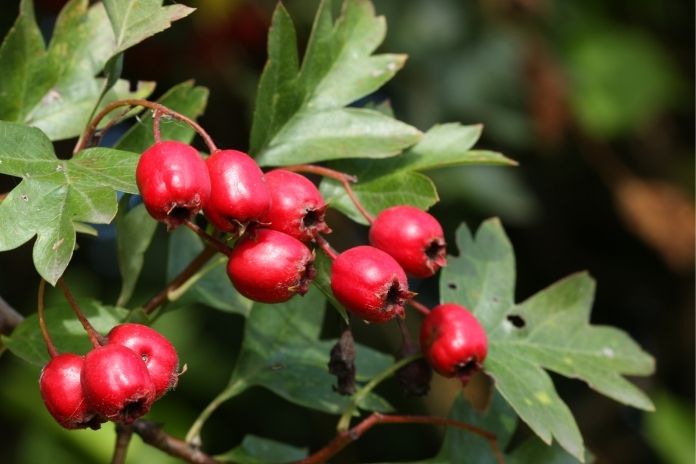
Hawthorn is the name given to several species of shrubs and small trees that belong to the Crataegus genus. The fruits, leaves, and flowers of the plant are used in medicine, although the fruits are most commonly linked to hawthorn berry benefits.
Hawthorn has been used for centuries in European and traditional Chinese medicine to support the heart and blood vessels. Before modern cardiology, herbal medicine practitioners used hawthorn extracts to treat symptoms of fatigue, poor circulation, and chest discomfort. This traditional use of hawthorn laid the foundation for today’s scientific interest in hawthorn’s use for heart health.
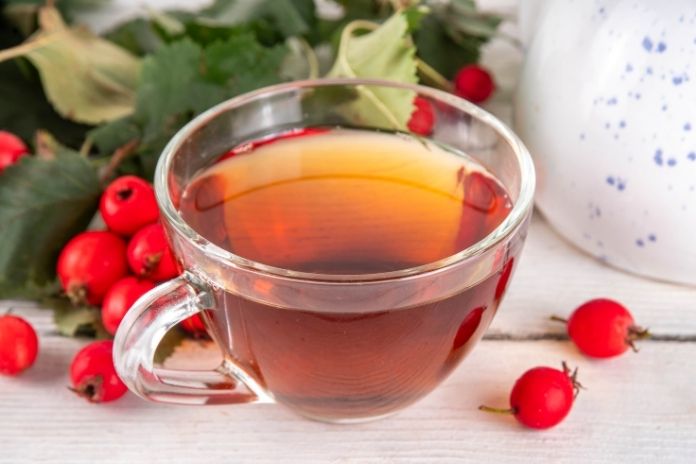
Today, hawthorn is available in the form of tea, capsules, tablets, and liquids. The majority of the clinical studies on hawthorn involve hawthorn extract, especially the standardized ones that contain a certain amount of active ingredients. This is the basis of most of the evidence for hawthorn as a hawthorn supplement.
Key Compounds in Hawthorn That Affect the Body
Hawthorn’s health effects mainly come from its natural plant compounds, especially flavonoids and oligomeric procyanidins. These compounds play an important role in supporting blood vessels and heart function.
The flavonoids in hawthorn are strong antioxidants. They work to counteract oxidative stress, which is a major contributing factor to the development of cardiovascular disease.
The flavonoids in hawthorn work to decrease oxidative damage to the blood vessels, which is important for promoting normal endothelial function, a vital part of overall cardiovascular health. This is why hawthorn is sometimes linked to blood pressure and circulation. Oligomeric procyanidins are especially relevant to the use of hawthorn for heart health.
These types of compounds affect blood vessel tone by encouraging mild vasodilation, which can help increase blood flow and decrease vascular resistance. Increased vessel pliability may also help account for the use of hawthorn in patients with early or mild heart failure, where the efficiency of blood circulation is a factor.
Standardization is important when choosing a hawthorn supplement. Without consistent levels of flavonoids and oligomeric procyanidins, the supplement may not work the same way every time. This is why study results do not apply to all hawthorn products.
Read More: 15 Health Benefits of Hawthorn Berries
Potential Health Benefits of Hawthorn (What the Evidence Shows)

Heart Function and Circulation
The most substantial evidence for hawthorn’s heart benefits comes from studies involving people with mild heart failure, typically classified as NYHA class I–II. Clinical studies indicate that the supplement may improve exercise tolerance, reduce fatigue, and enhance overall cardiac function.
Hawthorn appears to have a positive effect on circulatory function by a combination of mechanisms: enhancing coronary blood flow, reducing blood vessel spasms, and providing antioxidant support. When combined, these can be beneficial for increasing oxygen levels to cardiac tissues and for promoting circulatory efficiency.
Hawthorn does not reverse structural cardiovascular diseases and does not pertain to replacing current treatments.
We must be aware of the limitations in the research. The trials are often conducted with a special extract, and the sample size is relatively small. The findings may not apply to everyone, and individuals can differ significantly.
Blood Pressure Support
Various studies have examined hawthorn for its possible effects on blood pressure, particularly in patients with mild hypertension. Some have indicated small reductions in both systolic and diastolic pressures, likely due to partial dilation of blood vessels and a decrease in peripheral resistance.
However, their effect is generally small and inconsistent among groups. Thus, the results vary depending on the dose, quality of the extract, individual heart health, and interactions with other medications.
Hawthorn must never be used as an independent remedy for high blood pressure or as a substitute for medications prescribed for BP conditions.
Antioxidant and Anti-Inflammatory Effects
Apart from its cardiovascular benefits, hawthorn contains properties that have antioxidant and anti-inflammatory components because it has polyphenols. This makes it helpful in dealing with remaining oxidative stress, which has been considered by some researchers as a cause of aging in the cardiovascular system and its associated diseases.
Though these properties promote heart health, they cannot replace medication. It is best to consider hawthorn as a supplement to other methods of heart health, such as a balanced diet and exercise.
Read More: Supplements That Can Cause Heart Palpitations: What You Should Know to Stay Safe
What Hawthorn Does NOT Do
Practitioners widely use hawthorn, although its benefits come with clear limitations. Hawthorn does not treat heart disease, heart attacks, or atherosclerosis. It should not be used as a substitute for medications that have been prescribed for heart failure, arrhythmias, and blood pressure.
The idea that hawthorn can “heal the heart” and render medications unnecessary is not supported by scientific evidence. Hence, it is crucial to understand for handling hawthorn as a medicinal plant properly.
Possible Side Effects of Hawthorn

Most people can use Hawthorn without any complications. However, side effects may show up at any time, but mostly in relation to the amount of hawthorn used in combination with heart medication. Side effects may include dizziness, nausea, stomach discomfort, headache, and fatigue.
Since it can influence heart rate and blood pressure, hawthorn could interact with other medications such as beta blockers or other heart drugs. Due to this interaction, patients with heart problems should seek professional health care advice.
Read More: 9 Herbs and Supplements for Supporting Healthy Blood Pressure
Who Might Consider Hawthorn—and Who Shouldn’t
Adults seeking alternative solutions for hawthorn alongside conventional options for heart health can consider it, particularly individuals interested in evidence-based solutions using hawthorn dietary supplements. It is most appropriate for individuals exhibiting mild symptoms and also currently under treatment.
Individuals diagnosed with heart disease or end-stage heart failure and taking prescription heart medications should be cautious. Pregnant women, lactating mothers, and individuals battling chronic conditions should not take self-supplements. Clear advice from an expert healthcare provider is advised before you introduce hawthorn into your everyday routine.
Dr. Andrew Weil, MD, a leader and pioneer in the field of integrative medicine, says, “While there is probably no harm in taking it, I wouldn’t rely on hawthorn berry extract alone for treatment of any heart-related problems – I suggest a supplement that contains the leaves and flowers as well, and only as part of a comprehensive treatment program. In addition, always use hawthorn under the supervision of your health care provider if you have a heart condition.”
Final Takeaway
Hawthorn has a definite but humble role in supporting the heart. The evidence suggests positive effects such as improved circulation, a slight but positive influence on heart function, and some antioxidant effects, especially in a milder condition of the heart. The effects are definite but neither remarkable nor universal.
Though it is to be used with caution under medical supervision, hawthorn can work in combination with mainstream medications for optimal cardiac health benefits. On the other hand, when the good in hawthorn is overstretched or miscommunicated, it can lead to people being less cautious about their cardiac health.
Think of hawthorn as a supportive supplement, not the main solution on its own.
References
- Ding, J., Wu, J., Wei, H., Li, S., Huang, M., Wang, Y., & Fang, Q. (2022). Exploring the mechanism of hawthorn leaves against coronary heart disease using network pharmacology and molecular docking. Frontiers in Cardiovascular Medicine, 9, Article 804801.
- Wu, M., Liu, L., Xing, Y., Yang, S., Li, Z., & Wang, Y. (2020). Roles and mechanisms of hawthorn and its extracts on atherosclerosis: A review. Evidence-Based Complementary and Alternative Medicine, 2020, Article 8012010.
- Cloud, A., Vilcins, D., & McEwen, B. J. (2019). The effect of hawthorn (Crataegus spp.) on blood pressure: A systematic review. Advances in Integrative Medicine, 6(1), 1–10.
- Encyclopaedia Britannica. (n.d.). Hawthorn.
- Cloud, A., Vilcins, D., & McEwen, B. J. (2019). The effect of hawthorn (Crataegus spp.) on blood pressure: A systematic review. Advances in Integrative Medicine, 6(1), 1–10.
In this Article