














You finish a workout and feel wrecked. Legs shaking. Muscles aching. Energy gone. Someone says, “Good. No pain, no gain.” You nod, half proud, half worried. That mindset didn’t appear accidentally. For decades, fitness culture celebrated suffering as discipline. Elite athletes were praised for pushing through pain, ignoring limits, and training until exhaustion.
Over time, that logic trickled down to everyday workouts, convincing regular people that discomfort wasn’t just normal, it was mandatory. Here’s the thing. Discomfort and pain are not the same. Discomfort is a signal of effort, challenge, and adaptation. Pain is your body’s warning that something is off.
When those signals get lumped together, people stop listening to their bodies and start chasing misery as a marker of success. That’s where the damage happens. Training through pain doesn’t build resilience. It builds fatigue, increases injury risk, and slows progress. Muscles grow during recovery, not during punishment. Consistency comes from feeling capable, not crushed.
The no pain, no gain mindset sounds motivating, but in practice, it leads to burnout, plateaus, and unnecessary setbacks. It turns workouts into something you have to survive rather than something that actually improves your life. Let’s break down the nine beliefs that once sounded inspiring but quietly held people back and what actually works instead.
Where the “No Pain, No Gain” Mindset Came From

The phrase no pain, no gain became popular in the 1970s and 80s during the rise of bodybuilding culture and extreme endurance training. The message was blunt. Harder was better. Pain meant progress. Rest meant weakness.
That belief stuck because suffering is visible. Sweat, soreness, and exhaustion are easy to measure. Real adaptation is not. Muscle repair, nervous system efficiency, and connective tissue strength develop quietly, often when nothing feels dramatic.
Modern exercise science directly challenges the no pain, no gain myth. According to the National Institutes of Health, training adaptations occur during recovery, not during pain. This misunderstanding is the root of many fitness pain myths still circulating today.
Read More: 7 Signs Your Workout Routine Is Doing More Harm Than Good
1. Soreness Means the Workout Was Effective
Delayed onset muscle soreness, known as DOMS, typically appears 24 to 72 hours after a new or intense workout. For many people, soreness feels like confirmation that the workout “worked.”
What Actually Happens
DOMS reflects temporary muscle damage and inflammation. It does not reliably predict muscle growth, strength gains, or fat loss.
A study published in The Journal of Strength and Conditioning Research found that both high-intensity and moderate-intensity resistance training produced similar improvements in strength and power without significant differences in delayed onset muscle soreness (DOMS) over the training period.
According to Dr. Brad Schoenfeld’s extensive review in The Journal of Strength and Conditioning Research, mechanical tension is the most important factor for stimulating the cellular signaling that leads to muscle protein synthesis, and progressive overload (gradually increasing training stress) is essential for continued adaptation.
Why This Belief Causes Harm
- It encourages chasing soreness instead of progression.
- It leads to excessive volume and poor recovery.
- It masks early signs of overuse injuries.
You can train effectively without soreness. Severe soreness usually signals mismanaged intensity, not a superior workout.
2. Pain Is Something You Should Push Through
This is where the no pain, no gain mindset becomes dangerous. Discomfort includes muscle burn, effort, and fatigue during exertion. Pain is sharp, localized, joint-focused, or worsening with movement. Pain is a warning signal, not a test of discipline.
Mayo Clinic explains that overuse injuries like tendinitis and stress fractures occur when repetitive stress is placed on tissues without adequate rest and recovery. These injuries are more likely when activity is increased too quickly or when pain is ignored, because the body’s tissues haven’t had time to adapt or repair.
What Ignoring Pain Leads To
- Compensatory movement patterns.
- Muscle imbalances and asymmetries.
- Injuries that force long breaks from training.
Training without pain is not weakness. It is how consistency is maintained.
3. Rest Days Are a Sign of Laziness
Rest does not look productive. There is no sweat, soreness, or visible effort. That makes it easy to dismiss in fitness culture driven by appearance.
What Science Shows
Muscle repair, glycogen replenishment, and nervous system recovery all occur during rest.
Cleveland Clinic explains that overtraining (essentially training without adequate recovery) leads to physical and mental symptoms, increases the risk of musculoskeletal injuries, and involves stress response regulation that affects the body’s capacity to adapt and recover. It highlights that insufficient rest between training sessions is a major contributor to these negative outcomes.
Consequences of Skipping Rest
- Persistent fatigue and low motivation.
- Plateaued or declining performance.
- Increased likelihood of injury.
Training creates the stimulus. Rest is where adaptation happens.
Read More: The Science of Recovery: Techniques and Treatments to Optimize Your Rest Days
4. More Workouts Always Lead to Faster Results

More effort feels like commitment. More sessions feel productive. The no pain, no gain mindset thrives on the idea that volume automatically equals progress.
What Actually Happens
There is a limit to how much stress the body can adapt to at once. When training stress exceeds recovery capacity, progress stalls. This state is known as overtraining.
Common signs include:
- Plateaued or declining performance.
- Poor sleep quality.
- Elevated resting heart rate.
- Irritability and low motivation.
A systematic review highlights that excessive training volume without adequate recovery can impair adaptation and increase fatigue, compromising performance and increasing the risk of injury when the body doesn’t have time to recover properly. Research shows that unresolved training loads and insufficient rest are linked to maladaptive responses and performance decline, hallmarks of overreaching and overtraining.
Why This Belief Causes Harm
- It discourages structured programming.
- It increases the likelihood of burnout.
- It replaces consistency with exhaustion.
More is not better. Better-planned training is.
5. If You’re Not Exhausted, You Didn’t Train Hard Enough
Exhaustion is visible. Feeling destroyed feels like proof of effort. That’s why many fitness pain myths equate fatigue with effectiveness.
What Actually Matters
Fatigue is a byproduct of training, not a success metric. High-quality workouts challenge the body without overwhelming it. You should feel worked, not wrecked.
You only benefit from the training you recover from. Workouts alone are not what make you faster and stronger, says Michael Joyner, MD, a physiologist at the Mayo Clinic. Fitness gains occur as tissue repairs itself. Without adequate rest, muscle damage from subsequent workouts builds, and eventually, runners can reach a point of diminishing returns, Joyner says.
Consequences of Constant Exhaustion
- Slower recovery between sessions.
- Hormonal disruption over time.
- Increased injury risk.
- Loss of long-term motivation.
If every workout leaves you drained, intensity and recovery are misaligned.
6. Sweating More Means You Burned More Fat
Sweat is visible. Fat loss is not. People confuse what they can see with what actually matters.
What Sweat Really Means
Sweating is the body’s cooling mechanism. It reflects temperature regulation, not calorie burn or fat loss.
You can sweat heavily during:
- Low-intensity workouts.
- Hot weather.
- Sauna sessions.
None of these guarantees fat loss.
Harvard Health explains that metabolism and energy balance, the calories you consume versus the calories your body uses at rest and during activity, are the true drivers of weight change. Sweat itself doesn’t dictate fat loss; it’s how your overall energy balance and metabolic adaptation play out over time.
Why This Belief Backfires
- It encourages dehydration.
- It promotes punishing workouts over sustainable ones.
- It distracts from real progress markers.
Sweat is not a scorecard.
7. Cardio Should Hurt to Be Worthwhile

Many people believe cardio only “counts” if it feels brutal. This belief is deeply rooted in the no pain, no gain myth.
What Science Actually Shows
Moderate-intensity cardio improves:
- Cardiovascular health.
- Insulin sensitivity.
- Mitochondrial function.
- Longevity markers.
According to the World Health Organization, adults should engage in at least 150–300 minutes of moderate‑intensity aerobic physical activity per week (or at least 75–150 minutes of vigorous activity, or an equivalent combination) for substantial health benefits, and regular activity helps reduce the risk of noncommunicable diseases and supports overall long‑term health.
Why Painful Cardio Backfires
- Elevated cortisol levels.
- Higher injury risk.
- Increased exercise burnout.
Cardio does not need to hurt to be effective.
Read More: How To Do Cardio Workout The Smart Way
8. Strength Training Should Always Feel Maximal
Taking every set to failure dramatically increases fatigue without proportionally increasing results. This approach fits the no pain, no gain mindset but ignores recovery science.
Benefits of Submaximal Training
- Better movement quality and technique.
- Lower joint and connective tissue stress.
- More consistent long-term progression.
Training without pain supports progress that lasts.
9. Ignoring Small Aches Prevents Bigger Problems
Small aches are not inconveniences. They are early warning signals.
Ignoring them does not make them disappear.
What Happens Instead
- Tendon irritation progresses to tendonitis.
- Stress reactions become stress fractures.
- Joint discomfort turns chronic.
The CDC Injury Center emphasizes that many leading causes of injuries and deaths, such as motor vehicle crashes, falls, and violence, are preventable through early, evidence‑based strategies that stop harm before it occurs. Prevention programs focus on understanding risk and protective factors and implementing interventions that reduce injury rates across communities.
The Reality: Pain escalates when ignored. Awareness prevents downtime.
What Actually Works Instead of “No Pain, No Gain”
The opposite of pain-driven training is not laziness. It is intelligent stress management.
Effective training prioritizes:
- Progressive overload without constant exhaustion.
- Clear distinction between discomfort and pain.
- Planned recovery and rest days.
- Long-term consistency over short-term suffering.
The no pain, no gain myth survives because it feels motivating. But results come from precision, not punishment.
Why These Beliefs Stick Around

The no pain, no gain mindset survives because it appeals to something deeper than fitness. It taps into how people understand effort, virtue, and control. Pain feels like proof. Discomfort feels earned. And suffering creates a simple narrative: if this hurts, it must be working. Culturally, we are conditioned to respect visible struggle.
Quiet progress doesn’t look impressive. Adaptation is invisible. Recovery looks passive. Pain, on the other hand, is loud and obvious. It creates a clear signal that something meaningful is happening, even when that signal is misleading.
Modern fitness culture intensifies this bias. Social platforms reward workouts that look extreme, chaotic, and punishing.
Breathless clips, shaking limbs, and collapse-on-the-floor finishes are easier to celebrate than boring, repeatable training sessions that actually drive progress. Algorithms amplify what looks intense, not what works over time. As a result, pain becomes performative. Effectiveness becomes optional.
Elite athletes add another layer of confusion. Yes, they train hard. But what’s usually missing from the conversation is the infrastructure supporting that intensity.
Professional coaching, periodized programming, medical monitoring, scheduled recovery, optimized nutrition, and sleep are not optional extras for elite athletes. They are the foundation. When recreational exercisers copy elite-level intensity without elite-level support, they’re not being disciplined. They’re gambling with their bodies.
The final reason this belief sticks is emotional. Discipline is often framed as self-denial. Rest feels like weakness. Adjustment feels like quitting. The no pain, no gain narrative exploits that framing and encourages people to override warning signals in the name of toughness.
Over time, that mindset doesn’t build resilience. It erodes it.
Pain may look like commitment, but fitness doesn’t reward martyrdom. It rewards consistency, responsiveness, and restraint. When suffering becomes the goal, progress quietly disappears.
What Actually Leads to Better Results
Sustainable fitness does not rely on pain tolerance. It relies on intelligent stress management.
Progressive Overload Without Pain
Progressive overload means gradually increasing load, volume, or difficulty while maintaining good technique and joint comfort.
This can include:
- Adding small weight increments.
- Increasing repetitions or sets over time.
- Improving tempo or control.
Pain is not required for adaptation. Mechanical tension and consistency are. Training without pain allows progress to compound instead of reset.
Adequate Rest and Recovery
Recovery is not optional. It is part of the training process.
Effective recovery includes:
- Sufficient nightly sleep.
- Planned rest days.
- Deload weeks to reduce accumulated fatigue.
Without recovery, adaptation stalls. Rest is not weakness. It is where results actually happen.
Listening to Body Feedback
The body provides data constantly.
Important signals include:
- Persistent joint discomfort.
- Changes in motivation or mood.
- Unusual fatigue patterns.
- Declining performance despite effort.
Ignoring these signs is how minor issues become long-term setbacks. Awareness prevents downtime. This is the opposite of quitting early. It’s training smarter.
Consistency Over Intensity
Short bursts of extreme effort do not outperform steady adherence.
Long-term consistency leads to:
- Better strength gains.
- Lower injury rates.
- Improved metabolic health.
- Higher exercise adherence.
Sustainable fitness is built over months and years, not forced into place in weeks. This approach reduces exercise recovery mistakes, minimizes injury risk, and supports results that last.
Why Listening to Your Body Beats the “No Pain, No Gain” Mindset
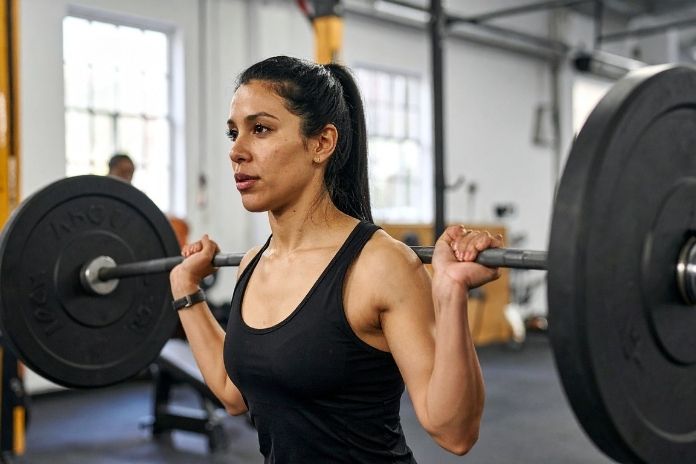
The problem with “no pain, no gain” is that it encourages ignoring the body’s signals. Discomfort indicates effort. Fatigue shows exertion. Pain warns of injury. Confusing them leads to overuse injuries, burnout, and stalled progress. Listening to your body ensures gains without unnecessary risk. Muscle soreness after a workout is normal, but pain is different.
Sharp, localized, or worsening sensations signal that something is wrong. Ignoring pain can escalate minor aches into tendonitis, stress fractures, or chronic joint issues. According to the Mayo Clinic, recognizing these signals and adjusting intensity is key to safe, effective training. Progressive overload works best when combined with attentiveness, not punishment.
Training through pain often causes compensatory movements. The body shifts to protect itself, creating imbalances and weak points. Controlled effort, proper form, and recovery lead to stronger, more efficient movement patterns.
Recovery days, mobility work, and deload weeks are not laziness; they reinforce body awareness and promote sustainable gains.
Listening to your body also protects mental health. Adhering to the “pain equals progress” mindset can lead to burnout, frustration, and a loss of motivation. Respecting your limits encourages consistency, confidence, and enjoyment in training.
Exercise should challenge without overwhelming. Balance is the key to long-term adherence.
Practical ways to tune in include tracking fatigue, noting joint comfort, and monitoring performance or mood. Small adjustments, light recovery days, or shorter sessions prevent minor issues from becoming setbacks.
Ultimately, listening to your body transforms workouts into a sustainable strategy for growth.
Discomfort signals effort, recovery signals adaptation, and pain signals caution. Respecting these cues makes exercise more efficient, results more lasting, and reduces the risk of setbacks. Smart training isn’t about enduring misery; it’s about progressing safely and consistently.
Final Takeaway
The no pain, no gain myth survived because it sounded tough, not because it worked. It rewarded visible suffering and ignored what actually drives progress. Pain was framed as proof. Exhaustion was treated as discipline.
Over time, that thinking pushed people to train harder, only to get weaker, more injured, and more burned out.
Pain is not evidence of improvement. It is feedback. Suffering does not equal commitment. Real discipline is showing up consistently, managing effort intelligently, and allowing the body to adapt instead of constantly tearing it down.
Sustainable fitness is built on smart programming, progressive overload without pain, and recovery that is taken as seriously as training itself.
Listening to your body is not quitting early. It is how you stay in the game. Athletes who last are not the ones who ignore signals. They are the ones who adjust before small problems become forced breaks. Strength is not measured by how much discomfort you tolerate, but by how well you recover and progress over time.
Long-term health always beats short-term extremes. Fitness should support your life, not punish it. When training respects the body’s signals, results don’t just happen faster. They last.
References
- Breakaway Physical Therapy. (n.d.). Rest vs. push through: Listening to your body.
- Cleveland Clinic. (n.d.). Overtraining syndrome.
- Frontiers in Physiology. (2018). Effects of training volume and intensity on muscular adaptations. Frontiers in Physiology, 9, Article 182.
- Harvard Health Publishing. (n.d.). Does metabolism matter in weight loss?
- Mayo Clinic. (n.d.). Stress fractures: Symptoms and causes.
- Michaelides, M. (2023). Recovery science myths and what actually helps. Runner’s World.
- MMSS Physical Therapy. (n.d.). Is it safe to push through pain?
- National Health Service. (n.d.). 10 ways to ease pain.
- National Institutes of Health. (2019). Endurance exercise affects all tissues of the body.
- Reform Physical Therapy. (n.d.). Pushing through pain during recovery.
- Schoenfeld, B. J. (2013). Postexercise hypertrophic adaptations: A reexamination of the hormone hypothesis. Journal of Strength and Conditioning Research, 27(6), 1720–1730.
- Schoenfeld, B. J., Grgic, J., Ogborn, D., & Krieger, J. W. (2017). Effect of resistance training intensity on muscle hypertrophy and strength. Journal of Strength and Conditioning Research.
- Southern Regional Orthopedic Sports Medicine. (n.d.). When pushing through the pain is a bad idea.
- Symmetry Physical Therapy. (n.d.). Should you push through the pain?
- Symmetry Physical Therapy. (n.d.). Should you push through the pain?
- World Health Organization. (n.d.). Physical activity.
- Zourdos, M. C., et al. (2016). Training volume, recovery, and injury risk. Sports Medicine.
In this Article