











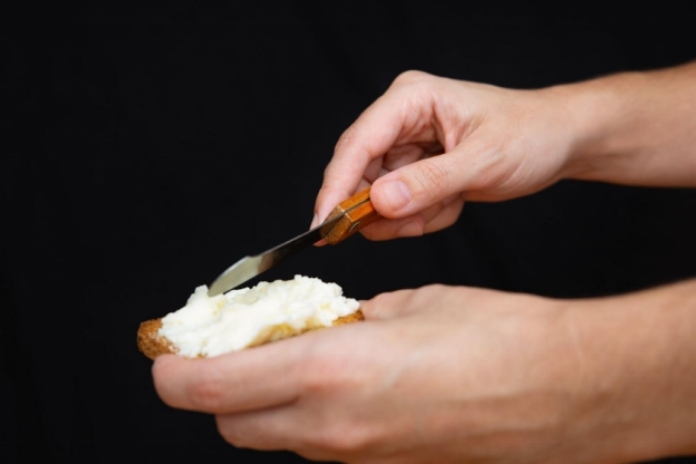
Butter has never been a villain. In the past, it was eaten without hashtags or fear. But today, many people are quietly reducing their butter intake, not because it is “bad,” but because their daily eating habits have changed.
Breakfast is lighter. Toast is eaten more often. And health goals are more specific: cholesterol control, calorie balance, plant-based eating, or simply variety.
This is where butter alternatives for toast enter the conversation, not as replacements pretending to be butter, but as spreads that serve different nutritional roles. Some add protein, some add fiber, some reduce saturated fat, and some help with appetite control.
Butter itself does not cause an immediate problem. One slice of toast with butter is not going to spike blood pressure or undo someone’s health goals.
The concern is what happens when saturated fat intake stays high over time. As cardiologist Dr. Sam Setareh explains, although butter does not lead to an instant rise in blood pressure, consistently high intake of saturated fat can contribute to arterial stiffness, vascular dysfunction, and a gradual increase in cardiovascular risk.
The mistake most people make is treating all spreads as either “healthy” or “unhealthy”. Real food does not work like that.
And no, this is not the usual approach where every spread is sold as “heart-friendly,” “viral,” or “guilt-free.” The real reason to consider the best butter substitutes is simple: toast can be more interesting and more nutritionally useful if you upgrade what goes on it.
This article looks at toast spreads differently, what they do in the body, how they behave with bread, and who they suit best. No exaggeration. No trend talk.
Read More: Why You Crave Carbs in Winter, and Smarter Ways to Satisfy Hunger
How to Choose a Healthy Toast Spread
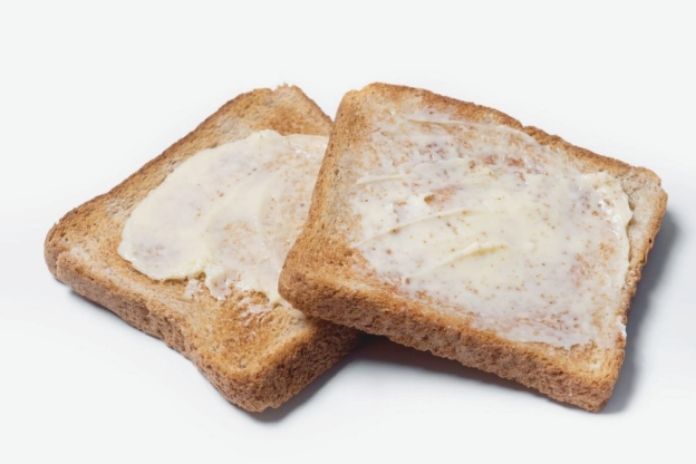
Before listing options, one thing must be clear: Toast is already a processed carbohydrate. The spread should balance it, not overload it. A good spread does at least one of these things:
- Slows digestion
- Adds protein or fiber
- Reduces empty calorie intake
- Keeps you full longer
It is not about superfoods. It is about function.
Also important:
- Taste matters. If it feels forced, it will not last.
- Portion size matters more than the ingredient.
- “Natural” does not translate to unlimited availability.
With that context, here are butter alternatives that actually make sense on toast.
Read More: What Happens to Your Blood Sugar When You Eat White Bread Every Day
The 15 Best Butter Alternatives for Toast
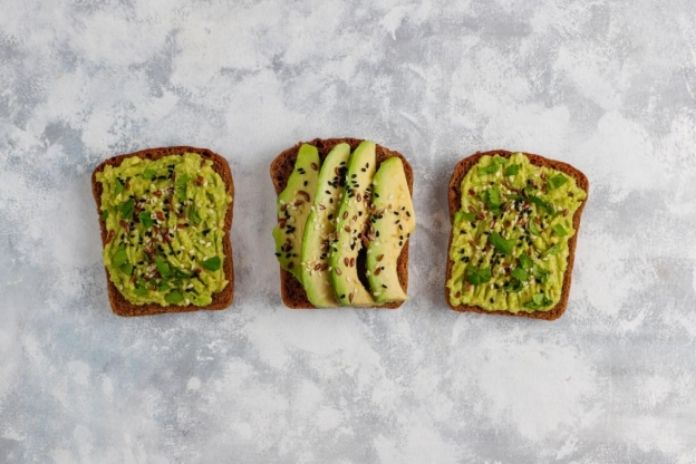
Below are 15 options that are not only healthier but also offer a very different toast personality. Each has a unique purpose, some for mornings when you’re rushing, some when you want comfort, some when you want a clean, light breakfast.
1. Avocado Spread
Avocado works on toast not because it is trendy, but because its fat structure spreads easily without heating. It contains monounsaturated fats that slow carbohydrate absorption, and it is also a natural source of fiber, which supports digestion and contributes to longer-lasting fullness. This matters more than vitamins.
Best for:
- People who feel hungry soon after breakfast
- Those reducing saturated fat
One caution: Monitor the portion. Avocado calories add up quietly.
Recommended portion: 2–3 tablespoons mashed avocado (about ¼ medium avocado)
2. Nut Butters (Almond, Peanut, Cashew)
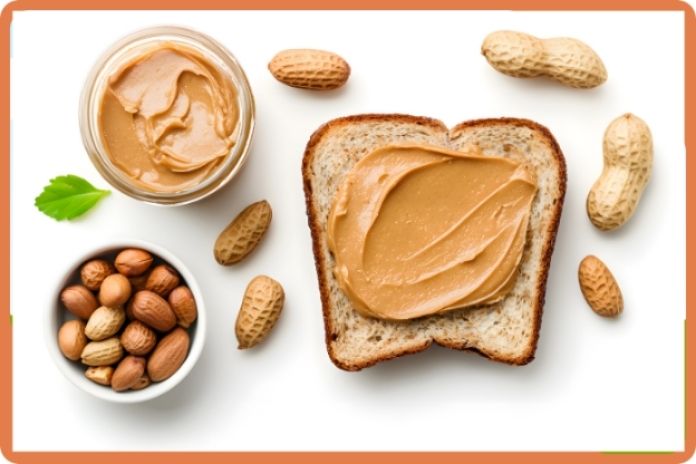
Nut butters are dense foods. That is not a bad thing. They provide fat, protein, and some fiber in one layer. Peanut butter is not inferior to almond butter nutritionally. The difference is mainly marketing. Choose versions with one ingredient – the nut of your choice. No added sugar, no oils.
Best for:
- Physically active people
- Those who skip mid-morning snacks
Recommended portion: 1 tablespoon
3. Seed Butters (Sunflower, Pumpkin, Tahini)
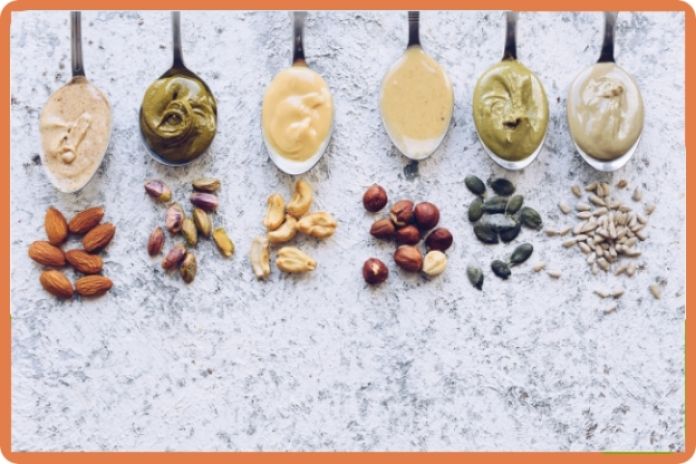
Seed butters are underused. They digest slightly lighter than nut butters for many people. Tahini, especially, pairs well with savoury toast toppings and adds minerals without sweetness.
Best for:
- Those with nut allergies
- People who are bored with sweet breakfasts
Recommended portion: 1 tablespoon
4. Extra Virgin Olive Oil Drizzle
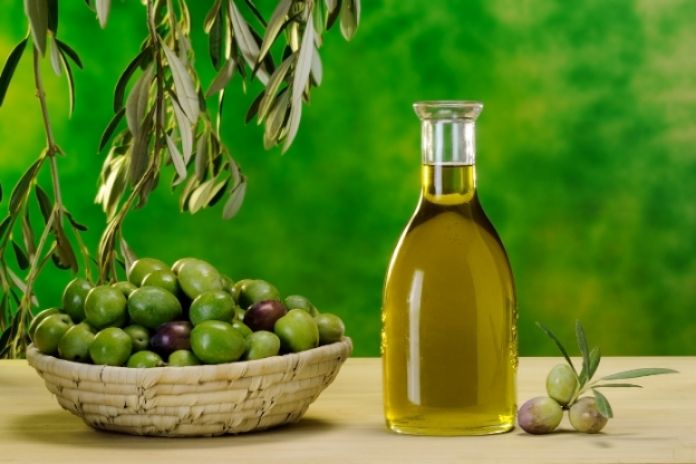
This is not a spread, but it works surprisingly well. Olive oil coats the bread instead of soaking in, especially on toasted slices. It adds flavour without heaviness.
For people paying attention to blood pressure or cardiovascular health, fat quality matters.
As Dr. Setareh points out, plant-based oils such as extra-virgin olive oil, canola oil, and soybean oil are preferred options for those concerned about blood pressure, largely because they are lower in saturated fats than butter.
Best for:
- Cholesterol-conscious eaters
- Minimalist breakfasts
Recommended portion: 1 teaspoon
5. Hummus
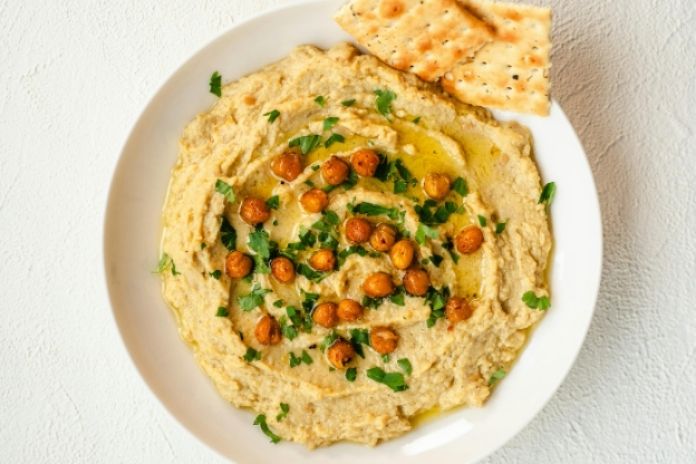
Hummus turns toast into a small meal. It adds protein, fiber, and fat, which improves satiety. It works best on whole-grain toast, not white bread.
From a nutrition standpoint, hummus also performs better than many traditional healthy spreads for toast.
Registered dietitian Toni Brien notes that hummus can be a healthier alternative to common dips and spreads, particularly when it is part of diets that regularly include beans, garlic, and lemon. These patterns have been associated with better cholesterol and triglyceride levels and broader metabolic benefits over time.
The key is simplicity. Hummus works best when it’s made with minimal ingredients and used as a thin layer, not piled on.
Best for:
- Long working mornings
- Those who prefer savoury breakfasts
Recommended portion: 2 tablespoons
6. Greek Yogurt Spread
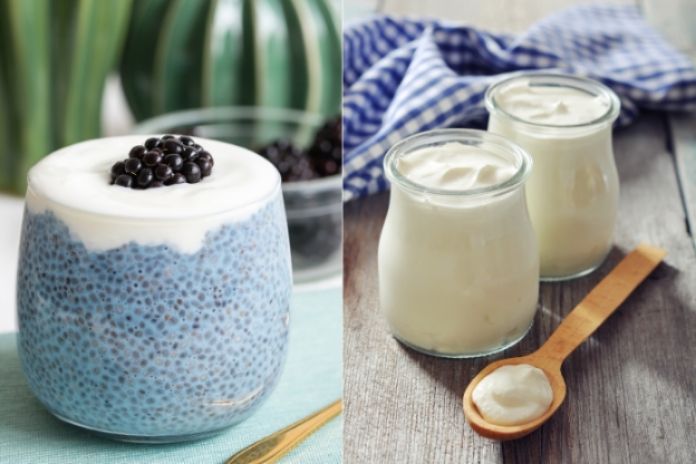
Greek yogurt replaces butter differently, through protein, not fat. It needs seasoning or pairing (salt, pepper, herbs) to work on toast.
Choose plain versions, as flavoured yogurts with high sugar content defeat the purpose. Also, remember that texture matters. Pick thick yogurt only. Thin ones leak into the bread.
Best for:
- Protein-focused diets
- Light breakfasts
Recommended portion: 2–3 tablespoons (thick, plain)
7. Cottage Cheese
Cottage cheese is a practical food. It is not fashionable, but it delivers steady protein without the heaviness. Mash it slightly; it spreads better and feels less grainy.
Best for:
- Weight management
- Blood sugar stability
Recommended portion: ¼ cup (about 4 tablespoons)
8. Ricotta Cheese
Ricotta lies between indulgence and nutrition. Lower in salt than many cheeses, softer than cream cheese. Works well with both sweet and savoury toppings.
Best for:
- Those transitioning away from butter
- Moderate-calorie diets
Recommended portion: 2 tablespoons
9. Mashed Banana
Mashed banana behaves like a natural sweet paste. It adds moisture and sweetness without refined sugar. However, it is still carbohydrate-heavy.
Best for:
- Children
- Pre-workout breakfast
Recommended portion: 2–3 tablespoons mashed
10. Apple Butter (Unsweetened)
True apple butter is concentrated fruit, not dessert. Unsweetened versions provide flavour with very small portions. Check labels carefully. Most are sugar-heavy.
Best for:
- Occasional sweet toast
- Those avoiding added sugar
Sprinkle a little cinnamon on top for extra flavour and a comforting, dessert-like feel – without the sugar hit.
Recommended portion: 1 tablespoon
11. Coconut Oil
Coconut oil spreads easily and tastes neutral on toast. It contains saturated fat, but behaves differently metabolically than butter for some people. This is not an everyday spread.
Best for:
- Occasional use
- People who prefer warm toast
Recommended portion: 1 teaspoon
12. Vegan Butter (Olive or Avocado Oil Based)
Not all vegan butter substitutes are healthy. Many are just refined oils with colour. Olive or avocado oil–based versions are better options when moderation is maintained. For pairing,
Best for:
- Dairy-free diets
- Transitioning away from butter
Recommended portion: 1 teaspoon
13. Pesto
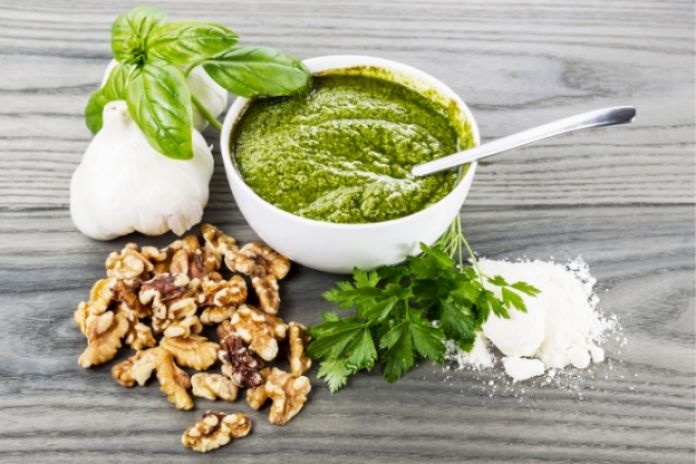
Pesto, a traditional sauce that originated in Italy, is flavour-dense. A thin layer is enough. It provides fat, herbs, and nuts or seeds in a single spoon. Works better as part of a savoury breakfast.
Best for:
- Appetite control through flavour
- People bored with plain spreads
Recommended portion: 1 tablespoon
14. Pumpkin Purée
Pumpkin purée is a low-calorie spread and is fiber-rich. It spreads best when mixed with spices or yogurt. Not sweet by default, which surprises many.
Best for:
- Calorie control
- Digestive comfort
Recommended portion: ¼ cup (about four tablespoons)
15. Bean Spreads (White Bean, Black Bean)
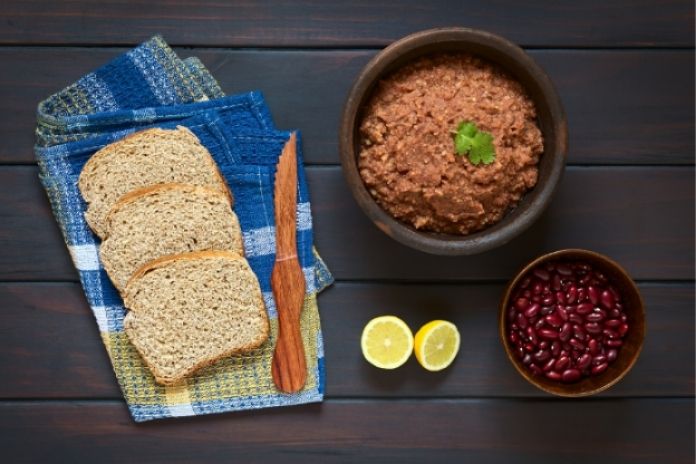
Bean spreads are functional foods. They add protein and fiber without heaviness. Flavour depends on seasoning, and plain versions taste flat.
These are easy to prepare at home: blend cooked beans with a little olive oil, lemon juice, garlic, salt, and any spice you prefer until smooth. Adjust the thickness with water rather than more oil to keep it light.
Best for:
- Blood sugar regulation
- Long-lasting fullness
Recommended portion: 2–3 tablespoons
Read More: Zinc on an Empty Stomach: Why It Makes You Nauseous (and What to Do)
Which Butter Alternative Is Best for Your Goals?
Choosing the “best” spread depends entirely on your morning needs. A few general pointers:
For Weight Loss
- Avocado
- Hummus
- Greek yogurt
These give volume without unnecessary calories.
For Heart Health
- Avocado spread
- Olive oil on toast
- Nut butter options(in controlled amounts)
- Avocado oil-based vegan butter
These support better lipid profiles.
For Dairy-Free butter alternatives or Vegan Lifestyles
- Vegan butters (olive or avocado oil–based versions)
- Nut butters
- Seed butters
- Hummus
- Avocado spreads
- Coconut oil
- Dairy-free pesto (without Parmesan or made with nutritional yeast)
For High-Protein Needs
- Greek yogurt
- Cottage cheese
- Ricotta
- Nut butters
There is no single “best” spread. Your choice may even change day to day. That flexibility itself makes butter alternatives worth exploring.
Read More: Comfort Food Makeovers: Mac and Cheese, Pizza, and More – The Healthy Way
Final Thoughts
Butter alternatives for toast are not about restriction. They are about using toast as a base, not a problem. Changing the spread can change digestion speed, hunger levels, and even how the rest of the day goes. That is not a small thing.
The most practical approach is rotation. No spread should become permanent. Variety keeps nutrition balanced and habits realistic.
- Butter is not bad, but daily use is not necessary
- Healthy toast toppings should balance carbohydrates
- Protein and fiber matter more than trends
- Portion size decides health impact
- Rotation works better than replacement
References
- Cleveland Clinic. (2023, August 23). 7 Reasons Why Cottage Cheese Is Good for You
- Department of Health. (n.d.). Food and drink ideas Spreads and toppings Early childhood services
- Gorrepati, K., Balasubramanian, S., & Chandra, P. (2014). Plant based butters. Journal of Food Science and Technology, 52(7), 3965–3976
- Reister, E. J., Belote, L. N., & Leidy, H. J. (2020). The Benefits of Including Hummus and Hummus Ingredients into the American Diet to Promote Diet Quality and Health: A Comprehensive Review. Nutrients, 12(12), 3678
In this Article